
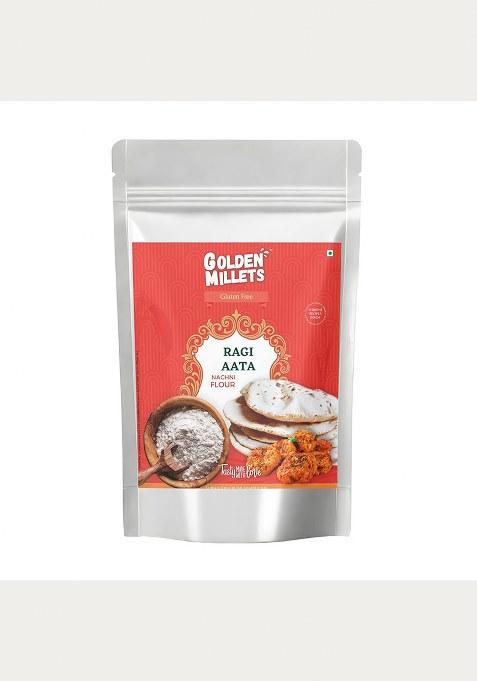
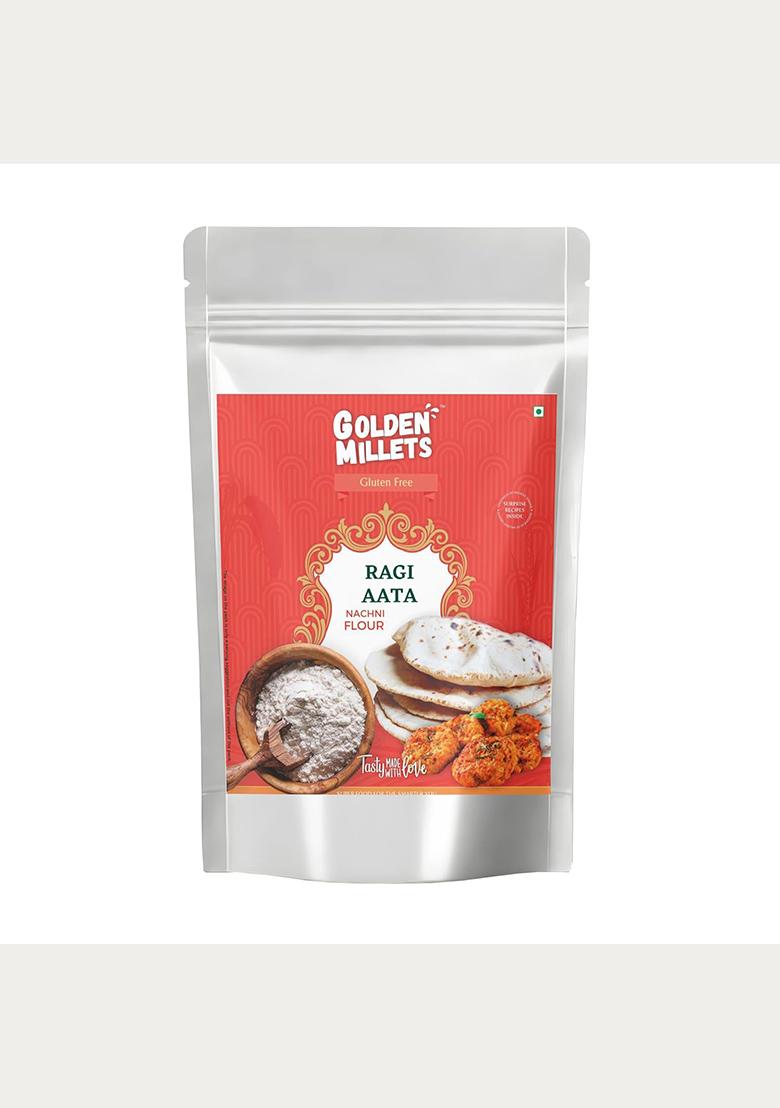

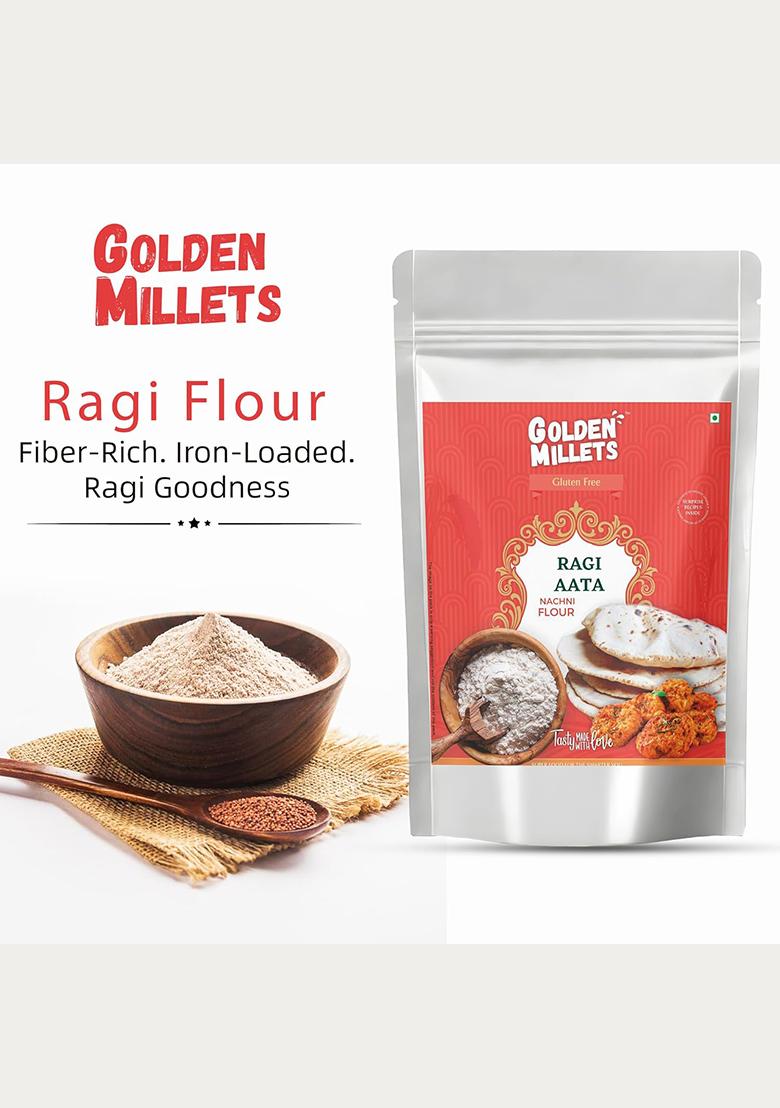
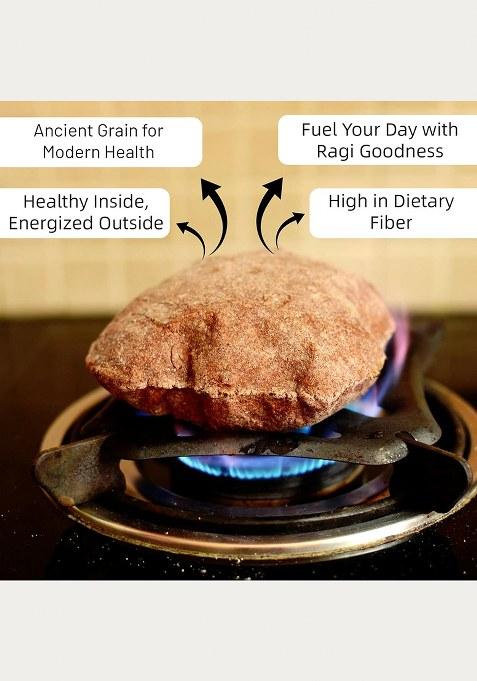
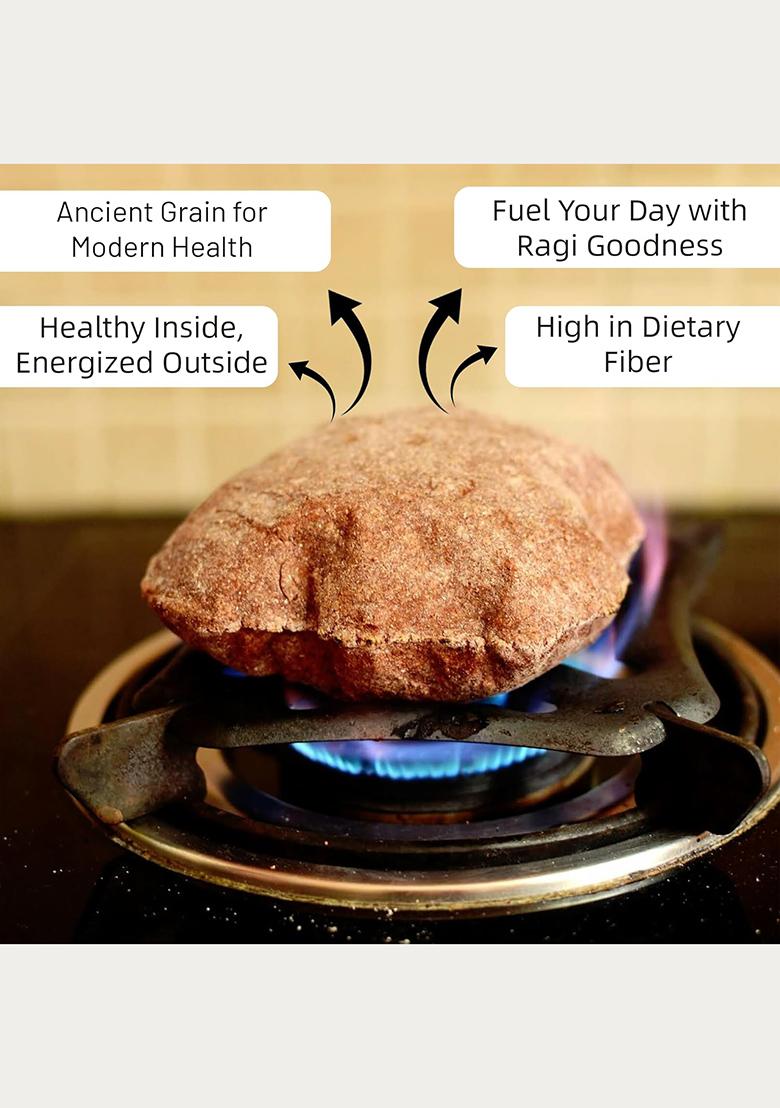
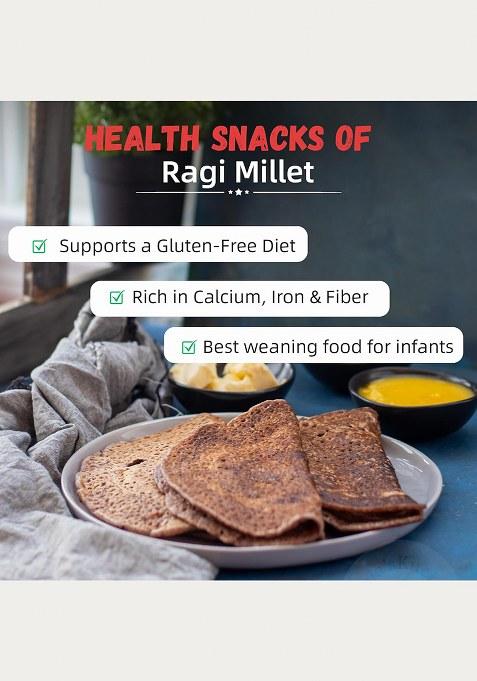
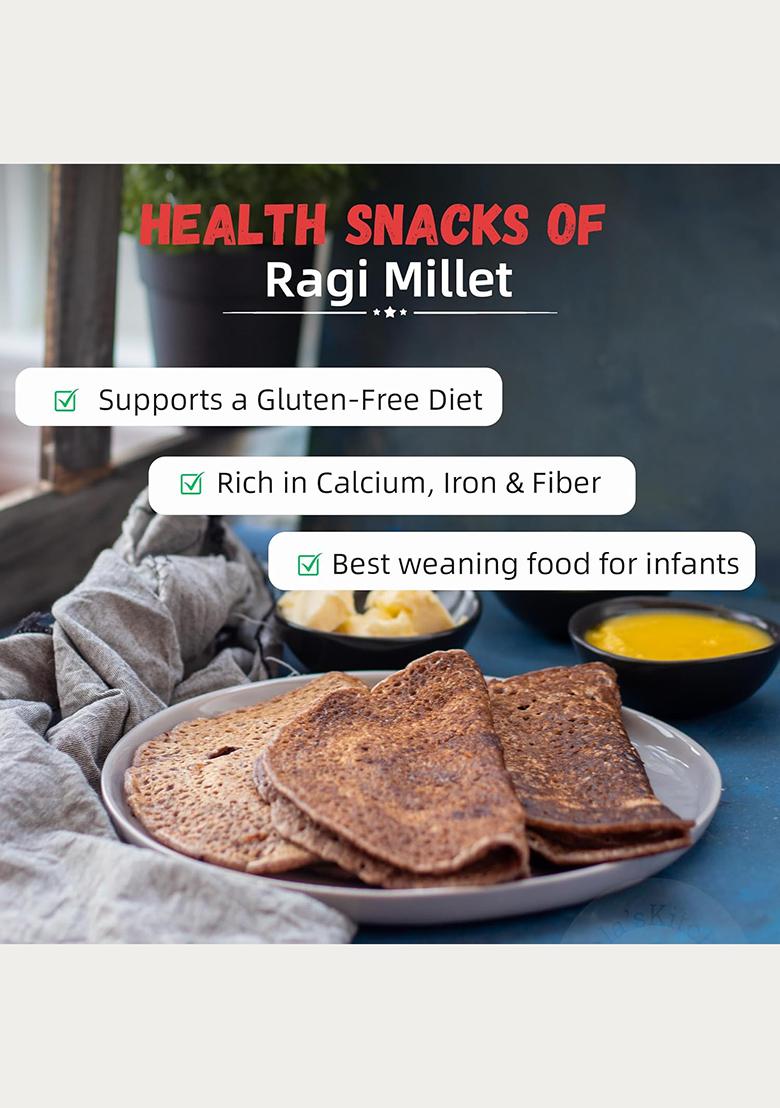
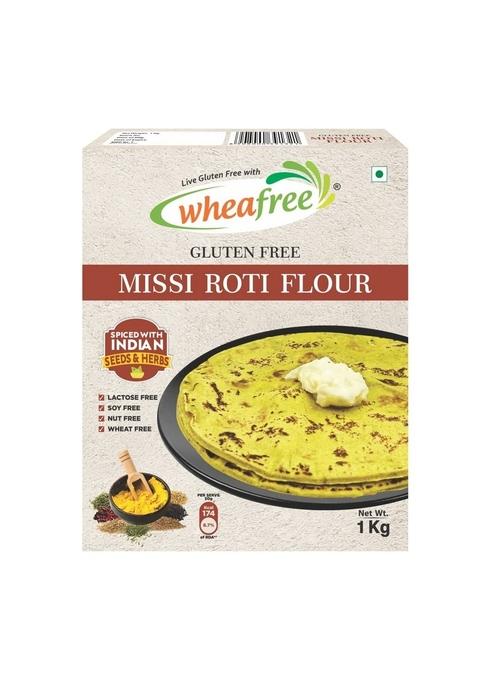
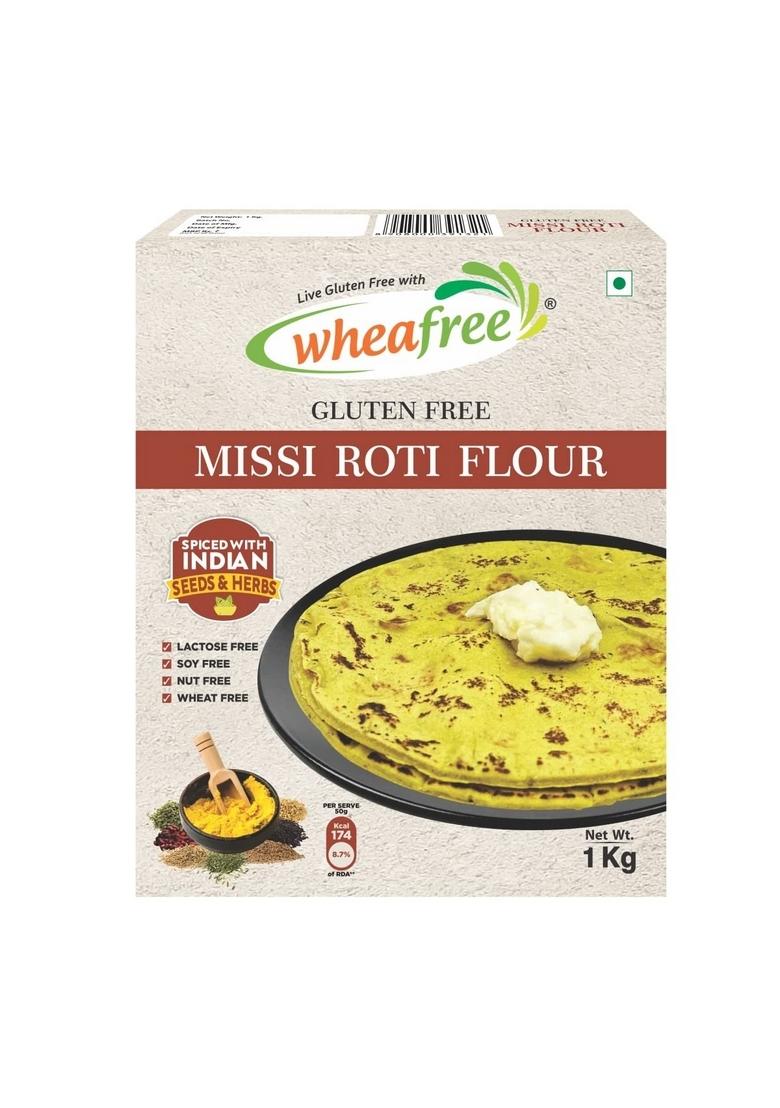
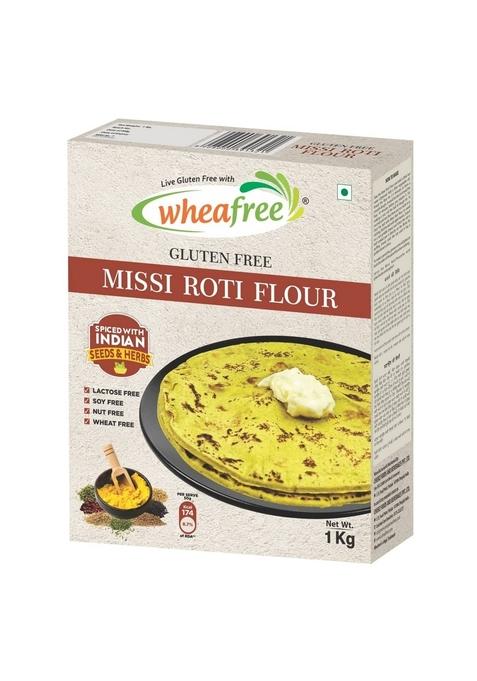
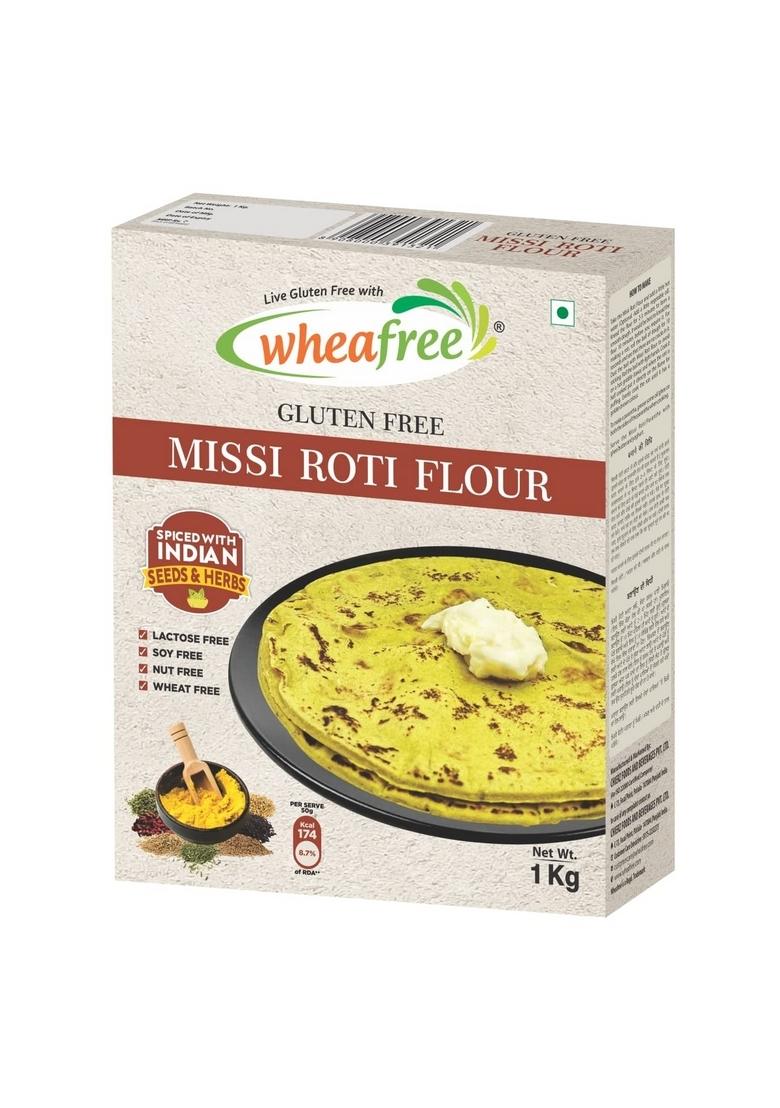

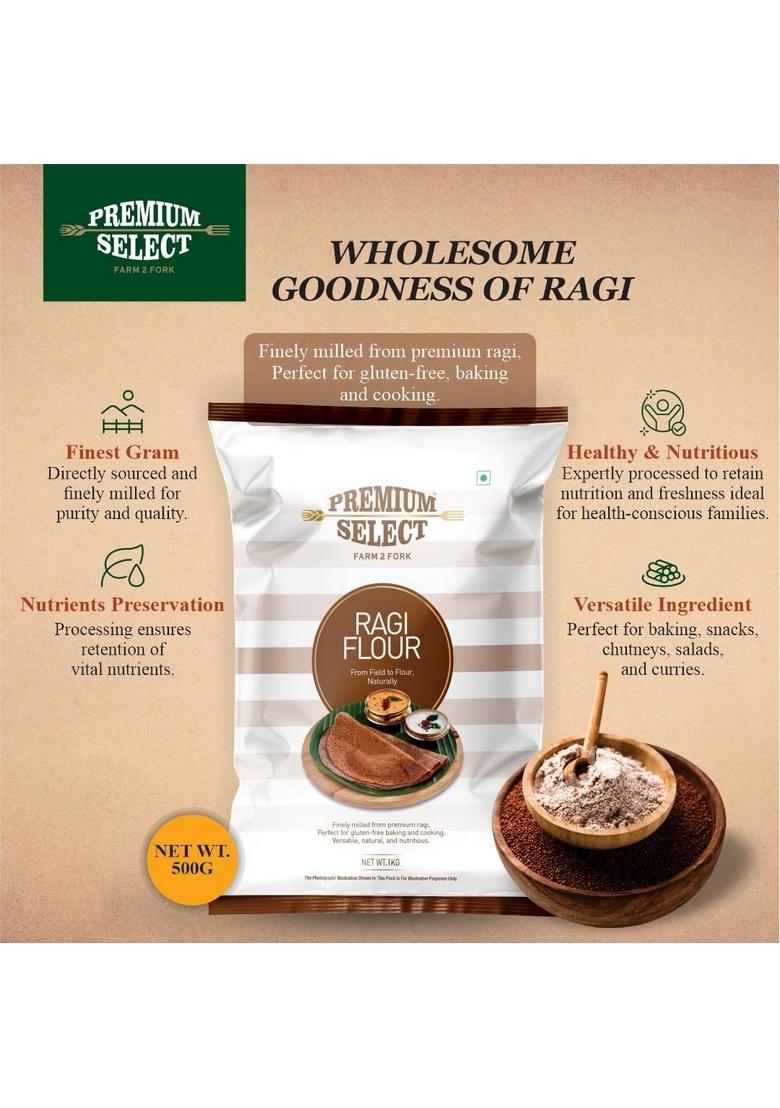

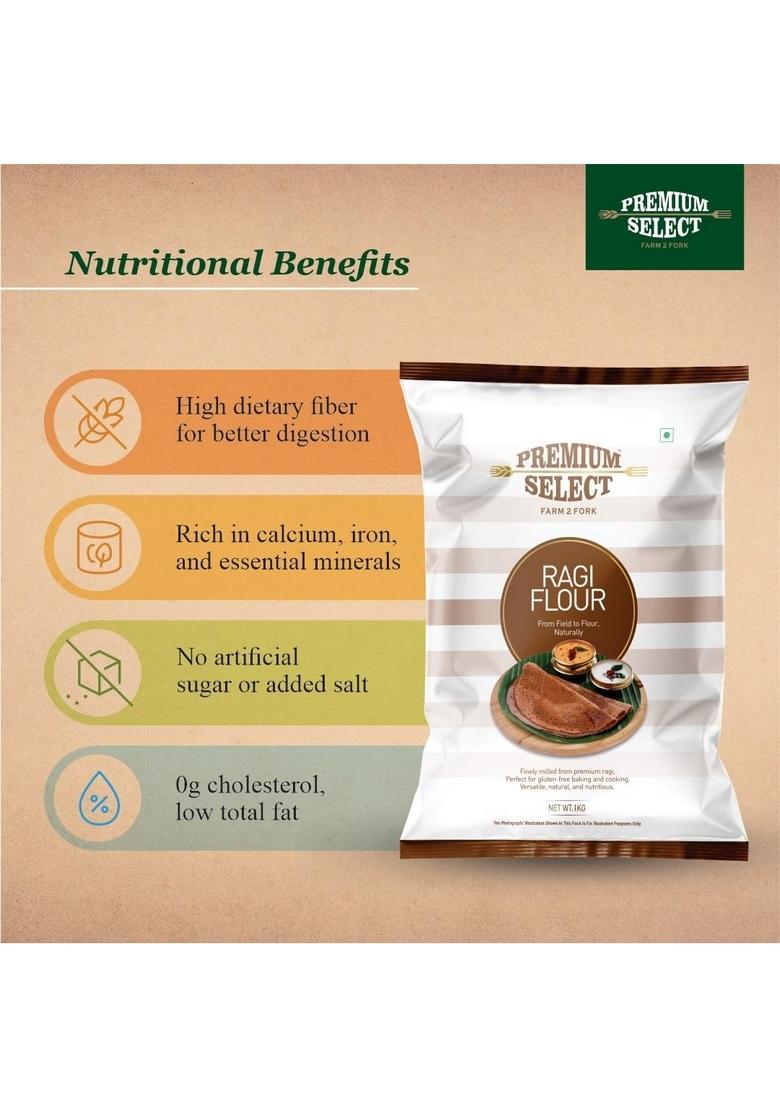
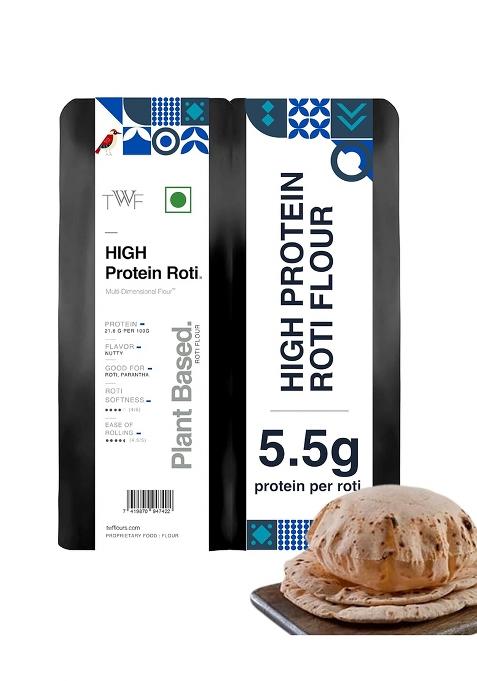
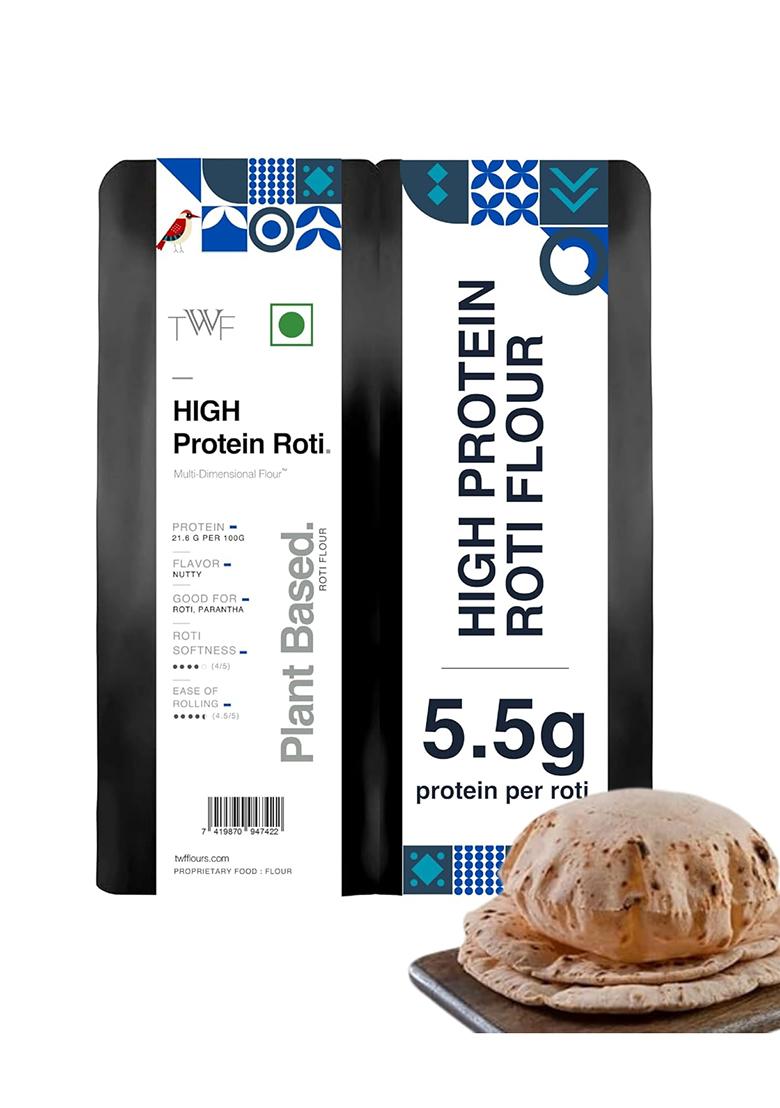
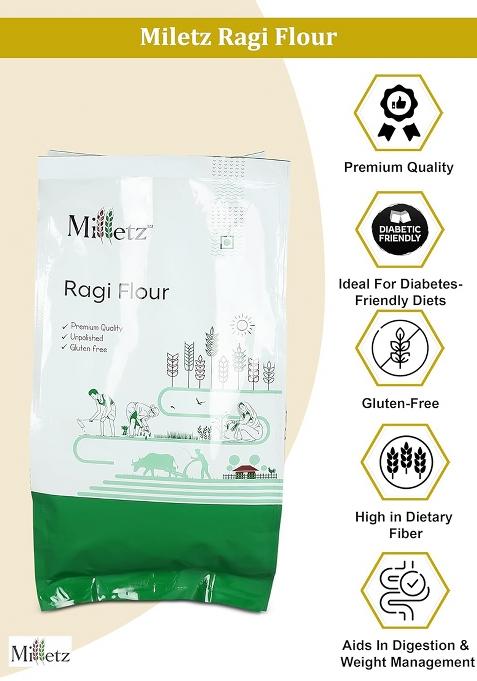
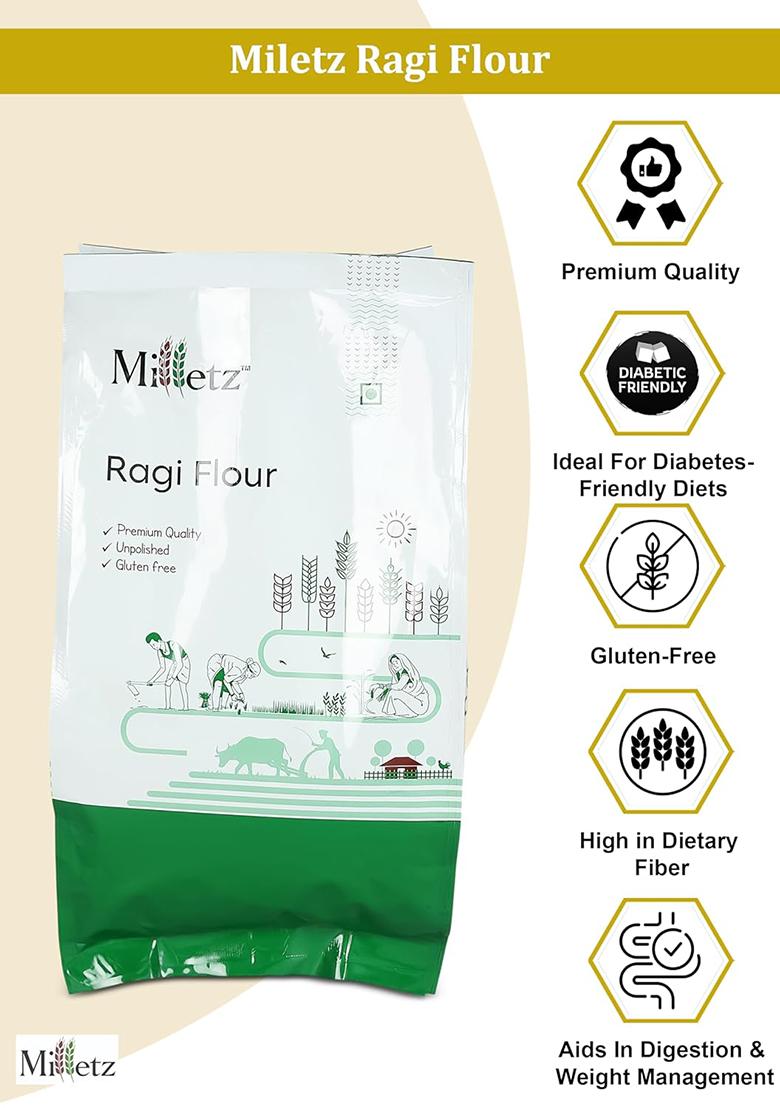
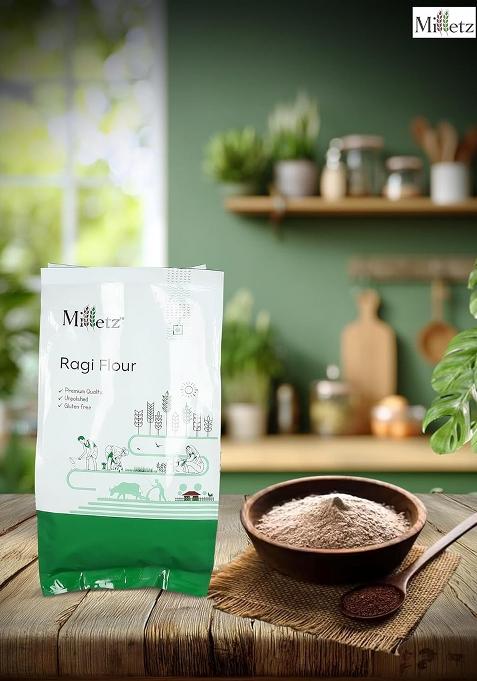
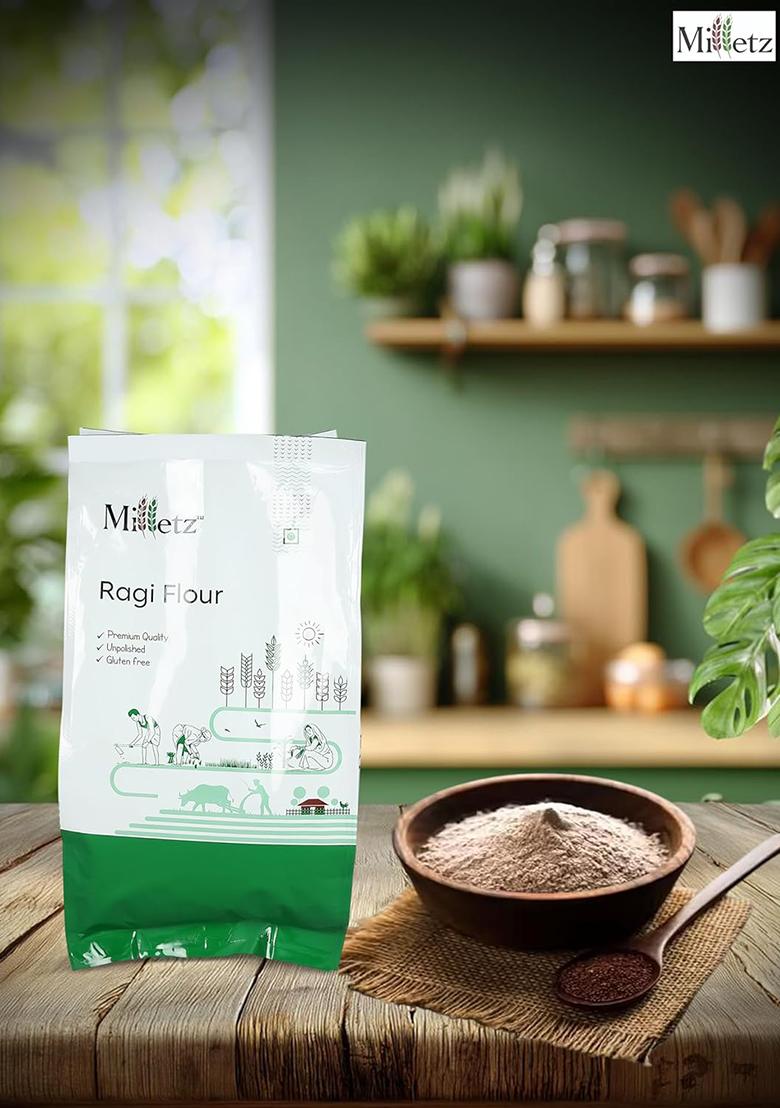

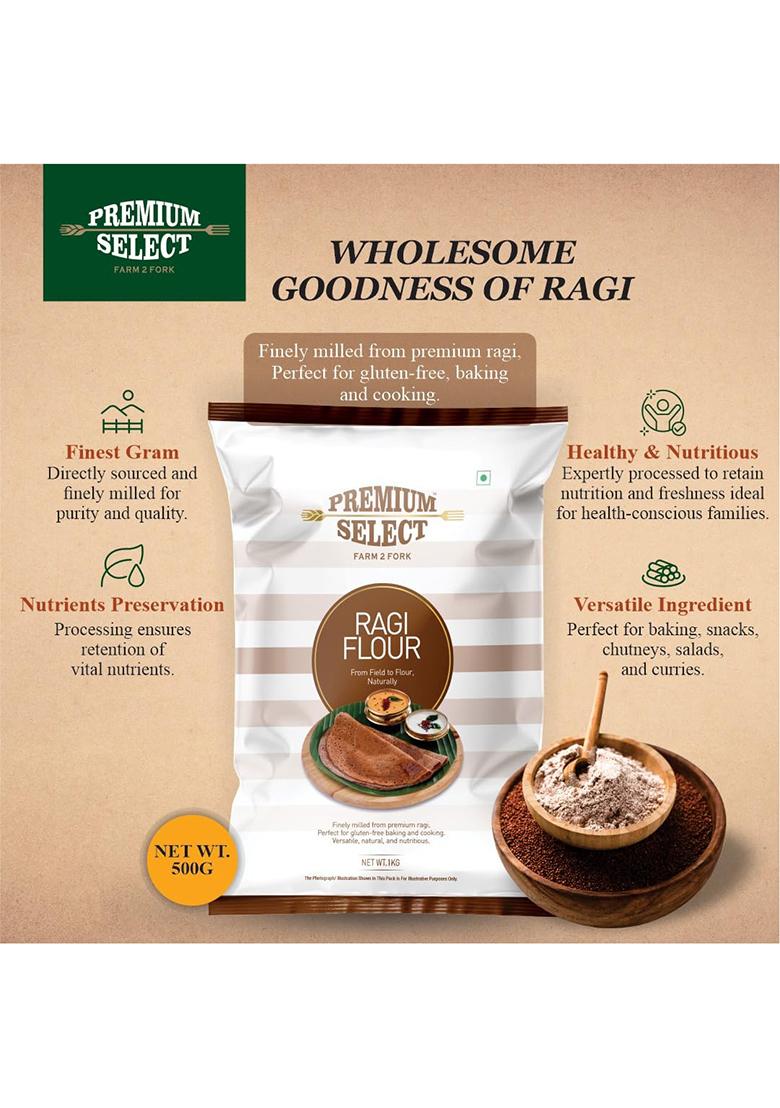

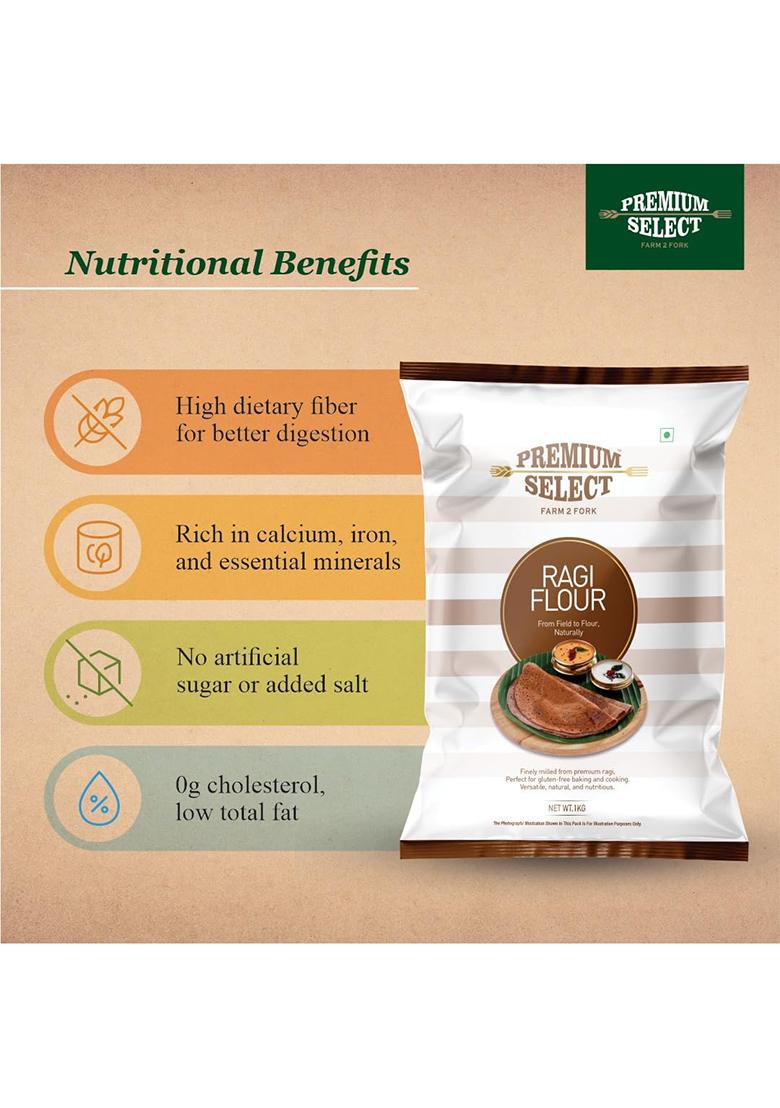
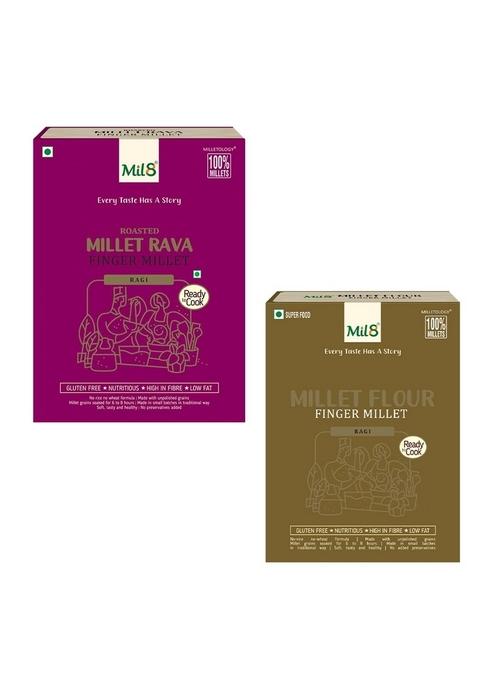
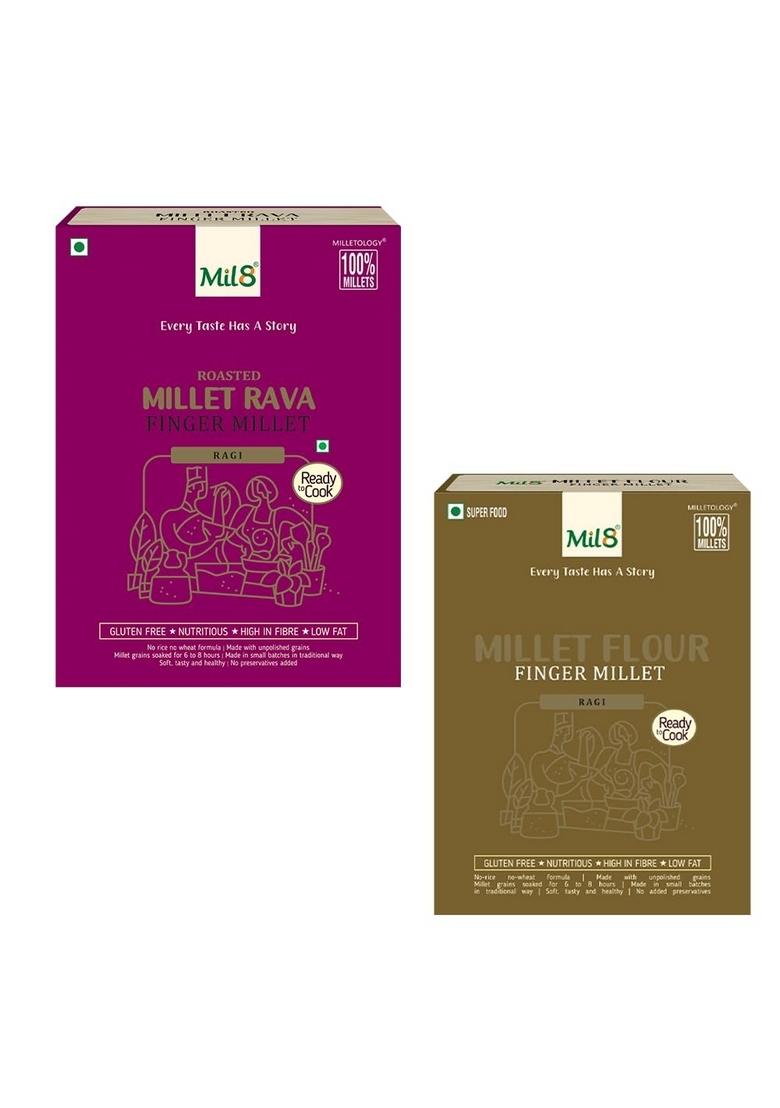
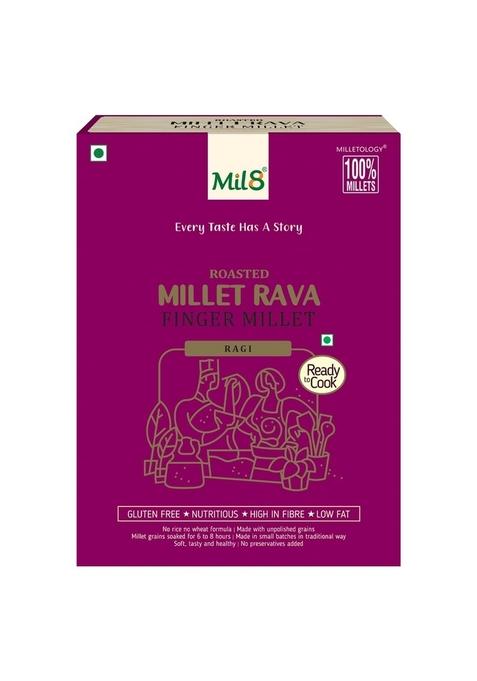
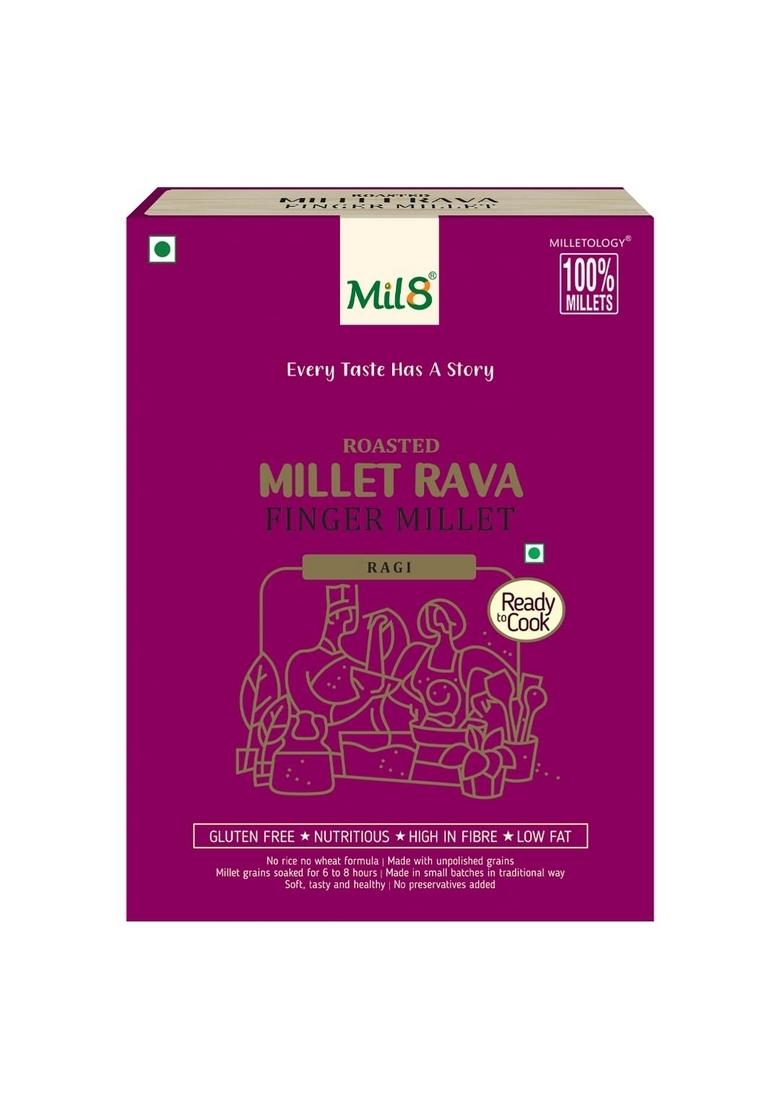
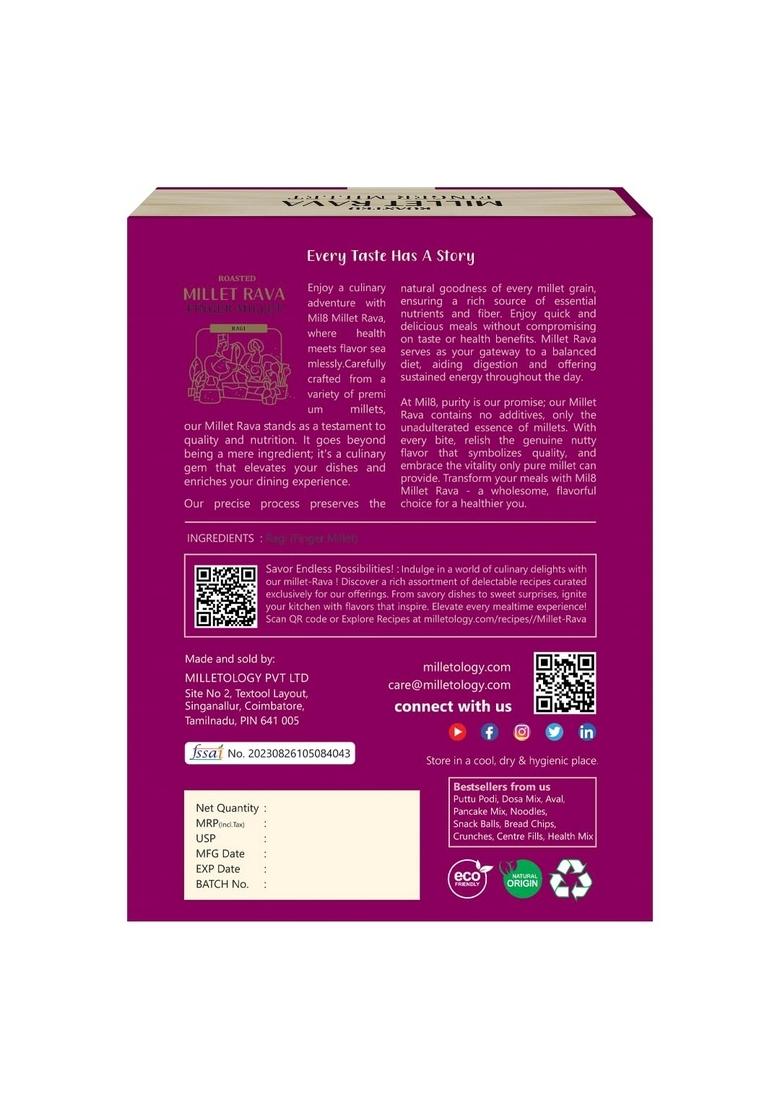
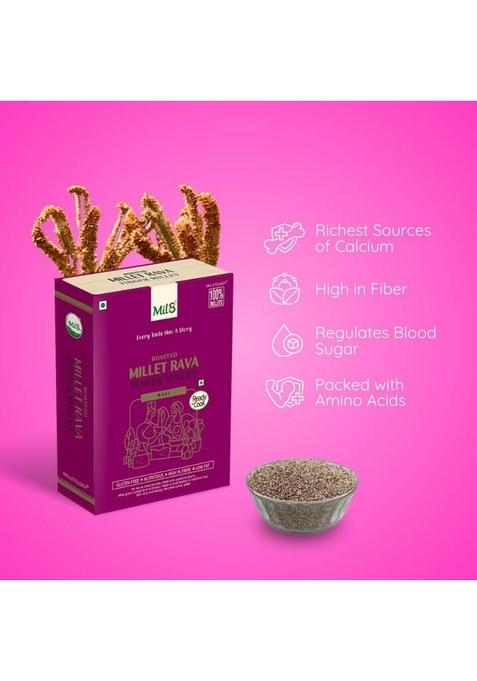
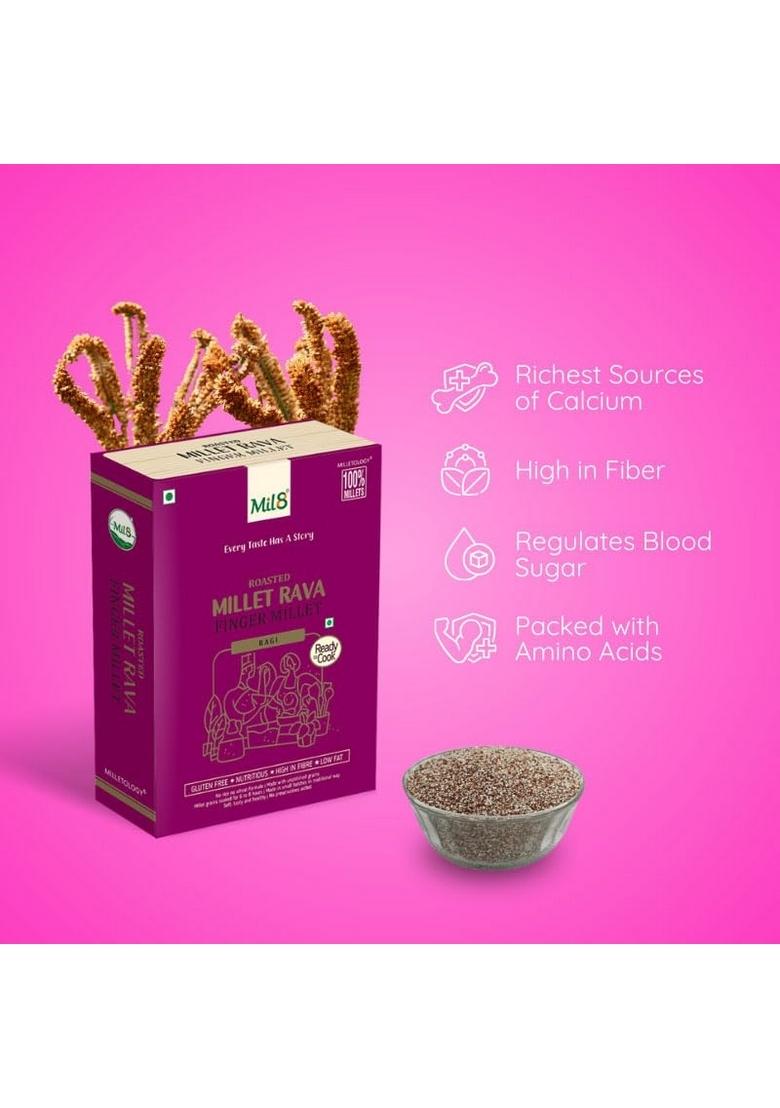
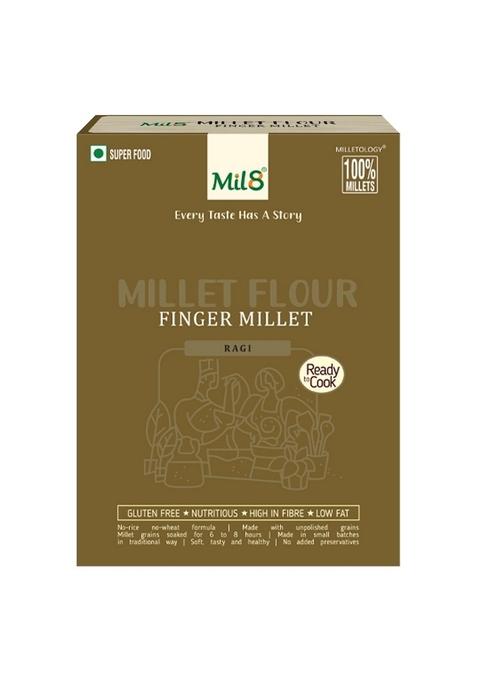
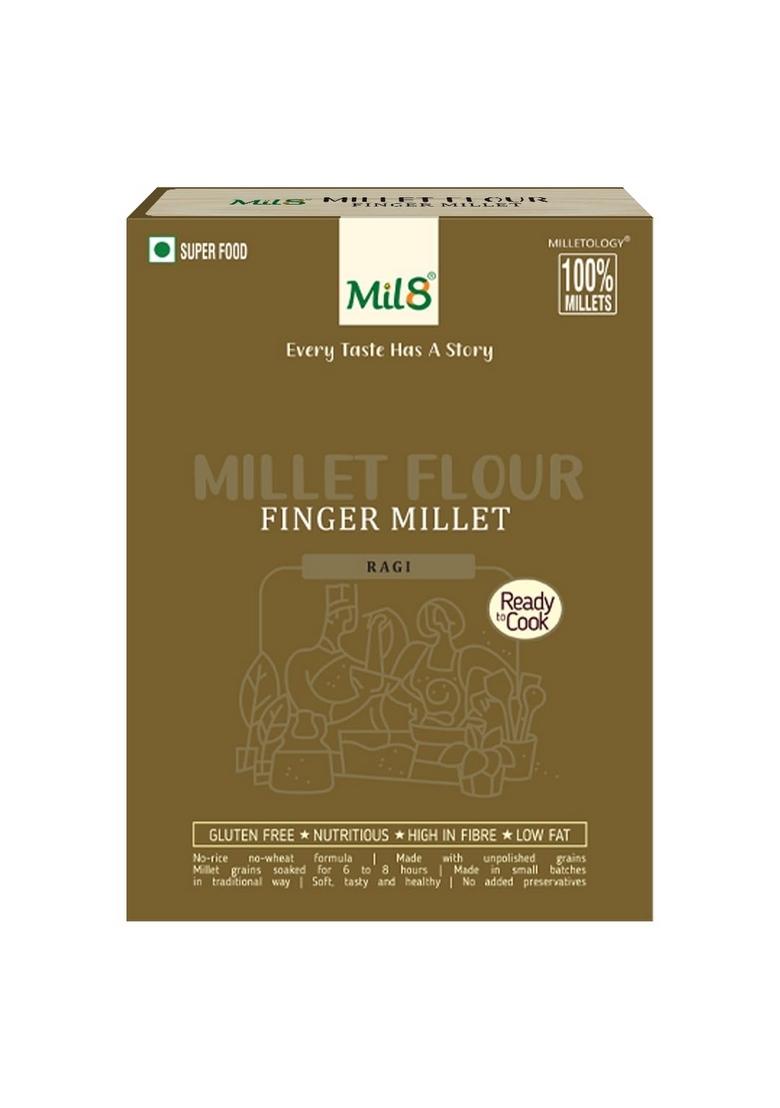
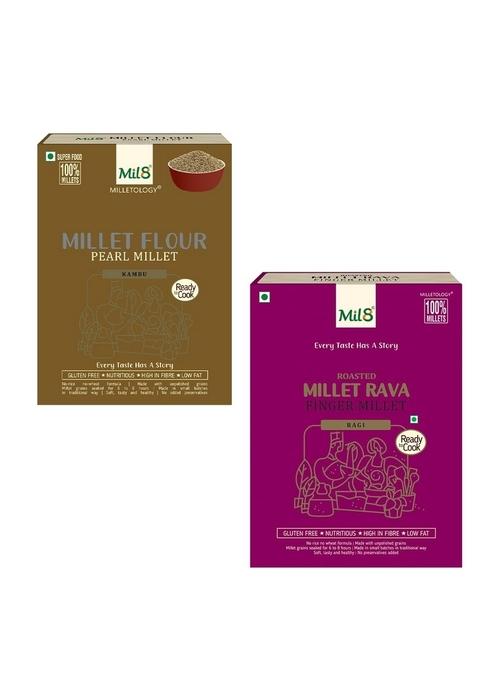
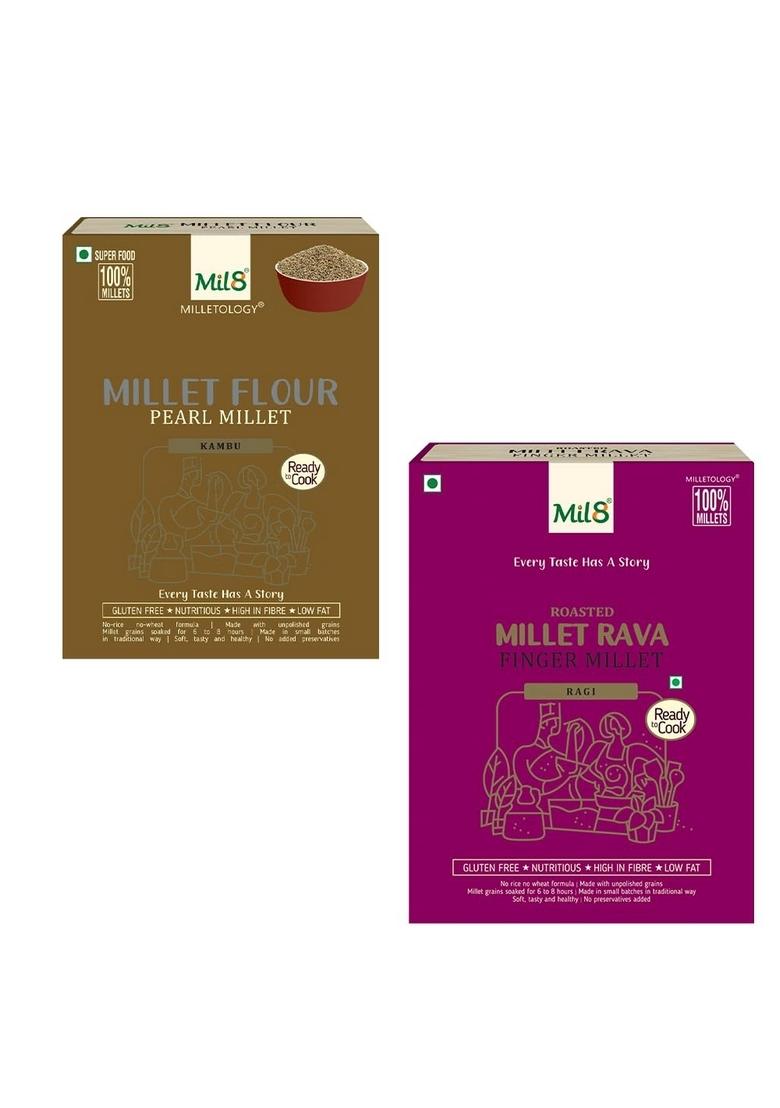
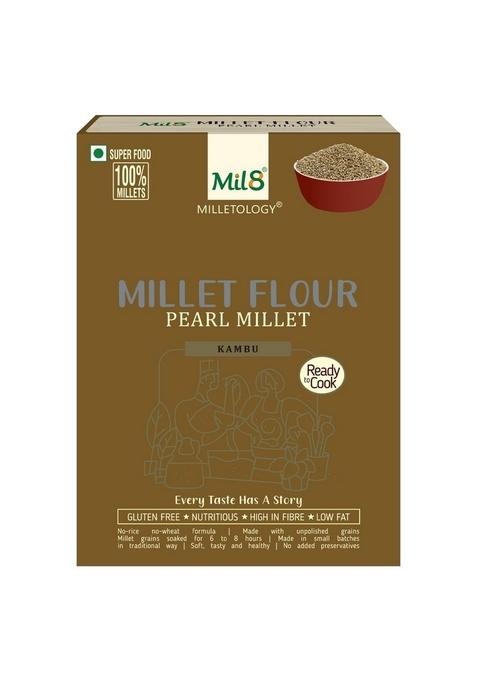
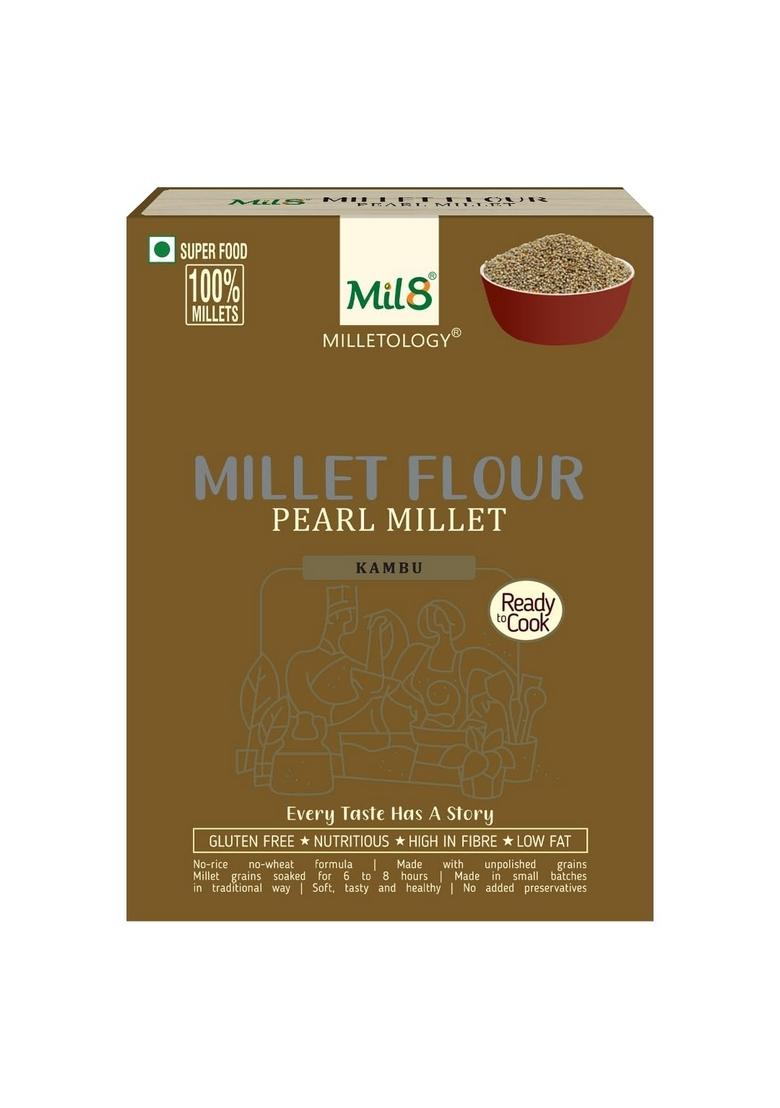


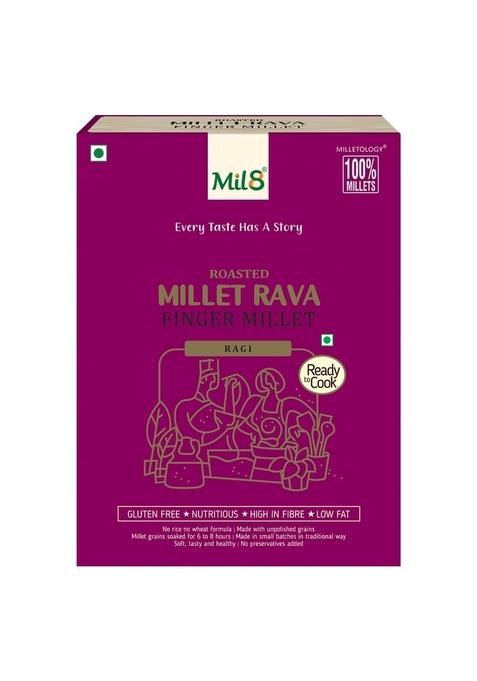
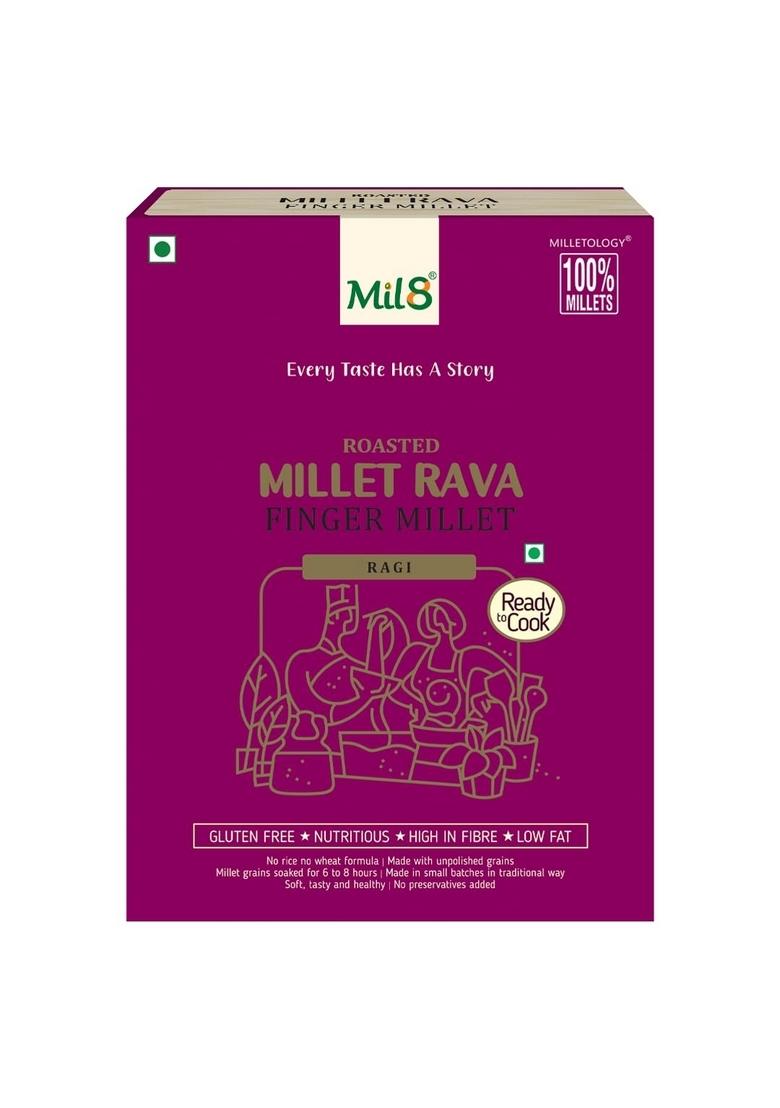
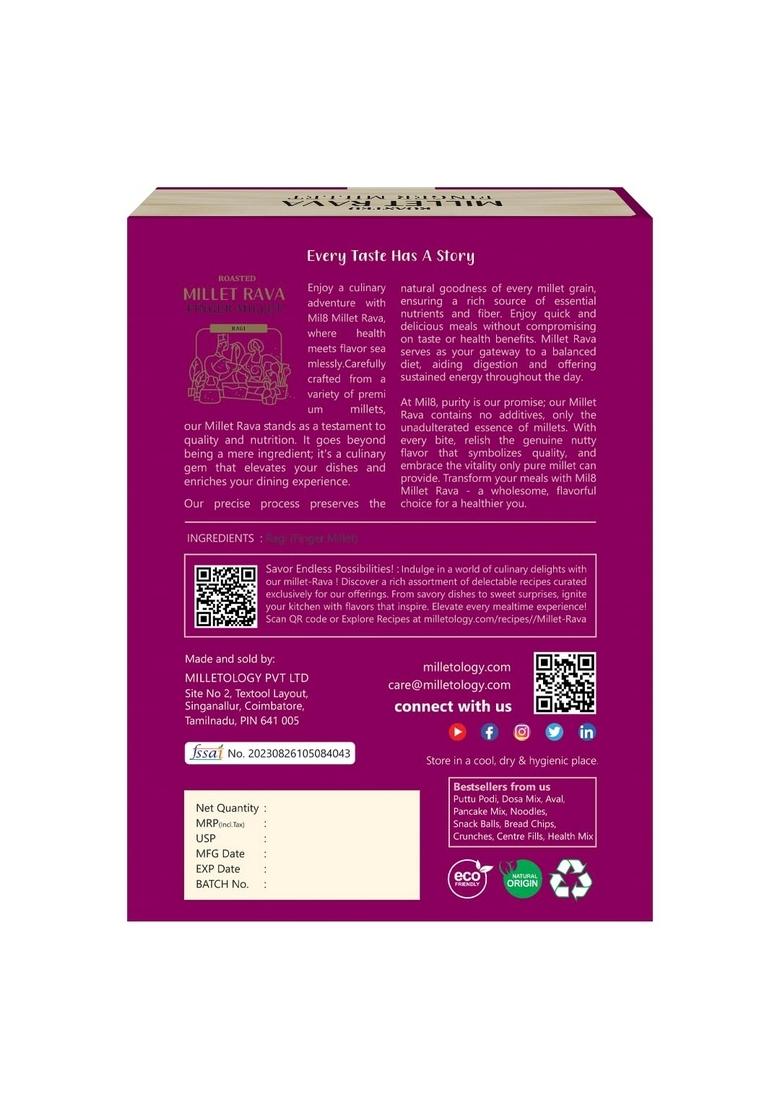
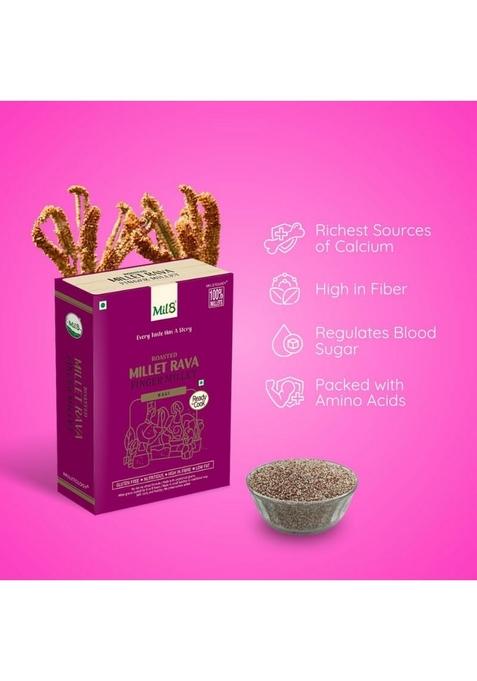
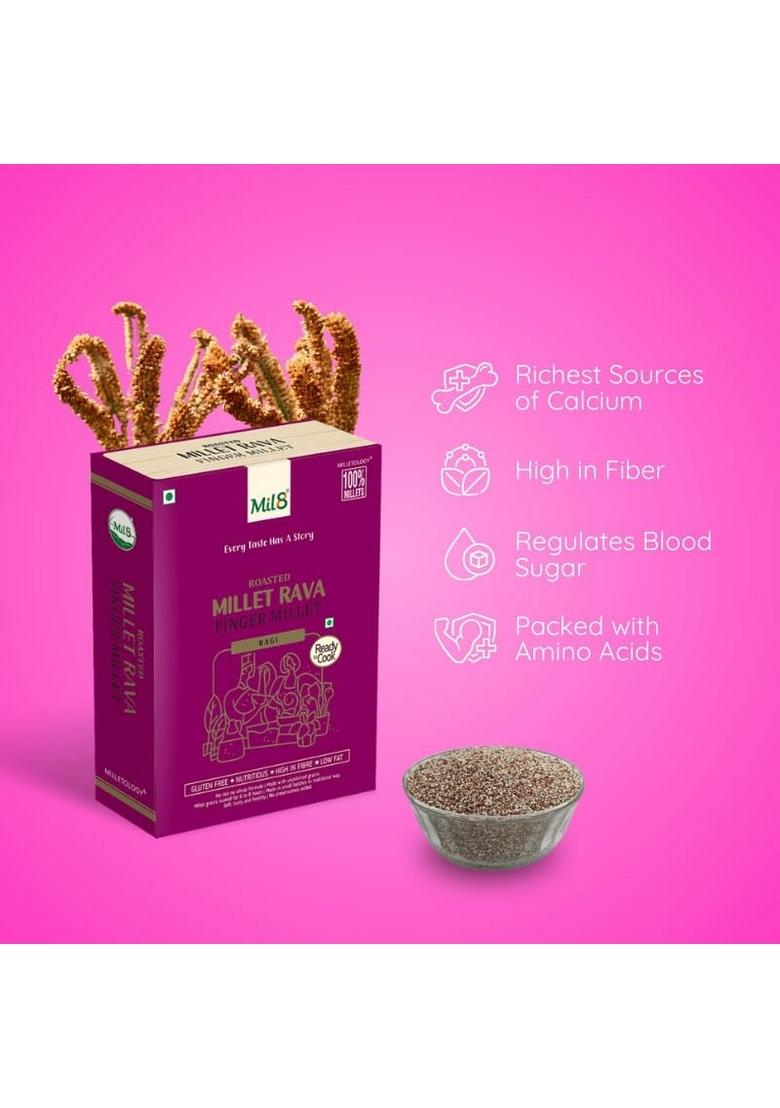
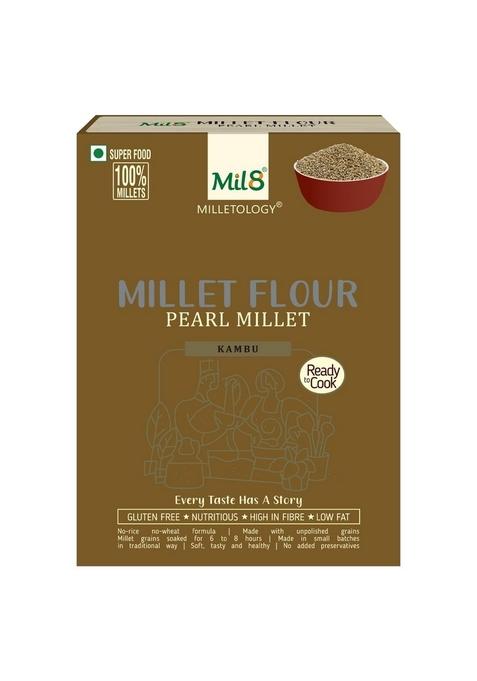
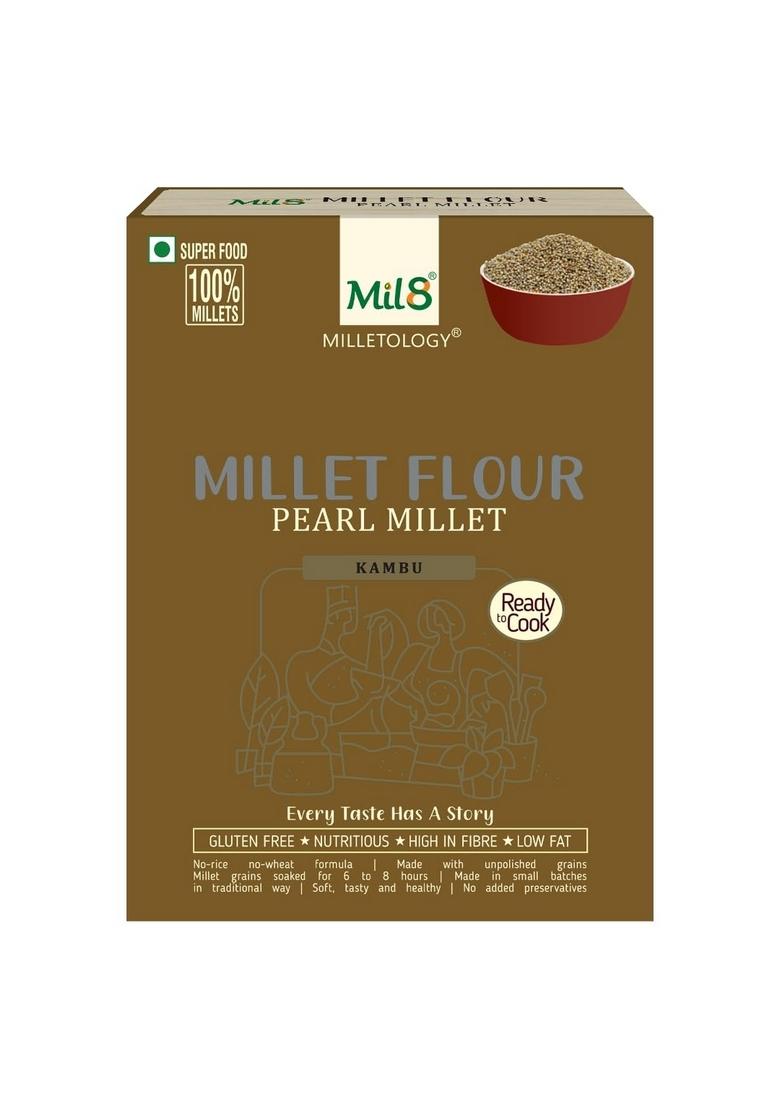
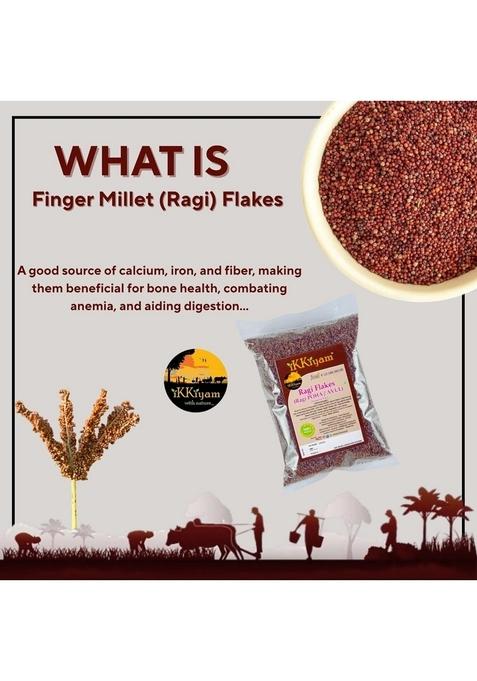
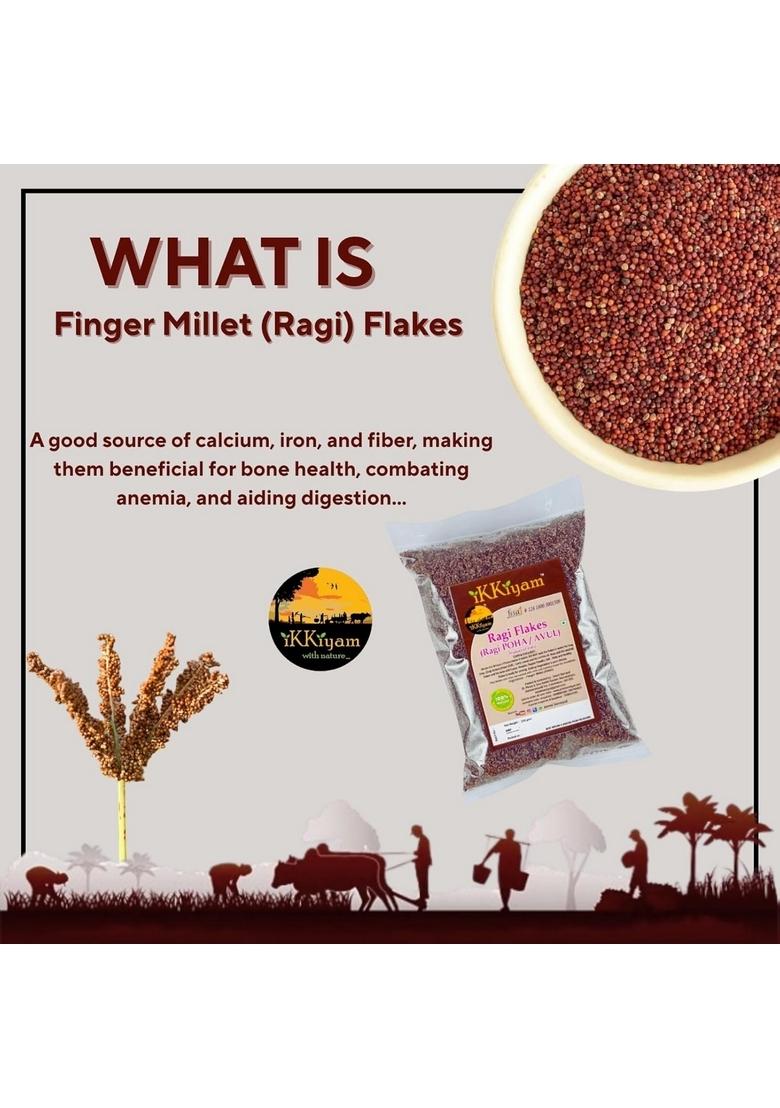


More people are choosing millet flour for rotis as they look for healthier and gluten-free alternatives to wheat. Millet flours such as ragi (finger millet), bajra (pearl millet), and jowar (sorghum) have a long history in Indian cooking. Now, they’re making a comeback in modern kitchens for their nutrition and unique taste. Whether you want to add variety to your meals or need gluten-free options, millet flour for rotis is a flavorful and wholesome solution.
| Millet Type | Best For | Texture |
|---|---|---|
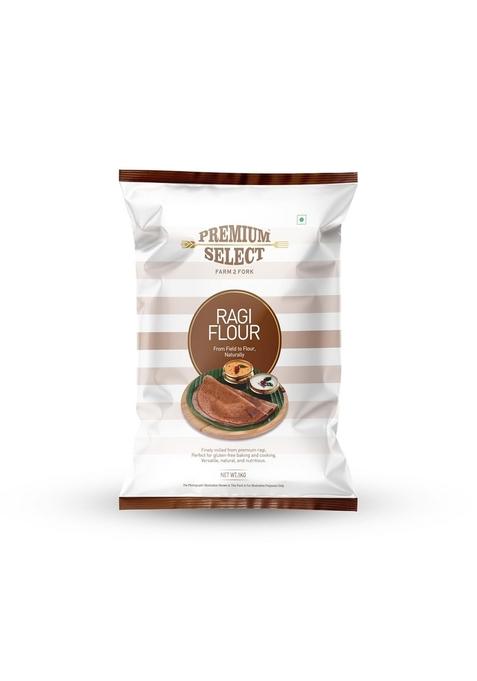
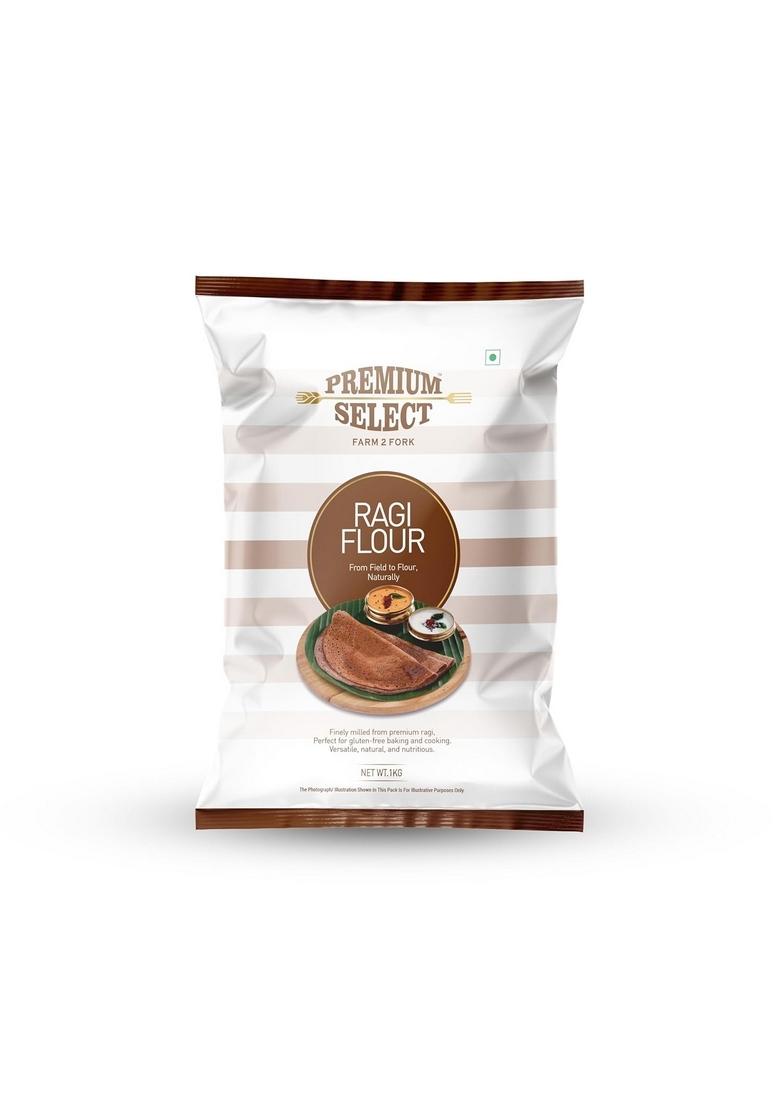
| Ragi (Finger Millet) | Soft, everyday rotis, kids' meals | Soft, slightly chewy |
| Bajra (Pearl Millet) | Hearty, rustic rotis, winter meals | Dense, filling |
| Jowar (Sorghum) | Light, daily rotis | Soft, pliable |
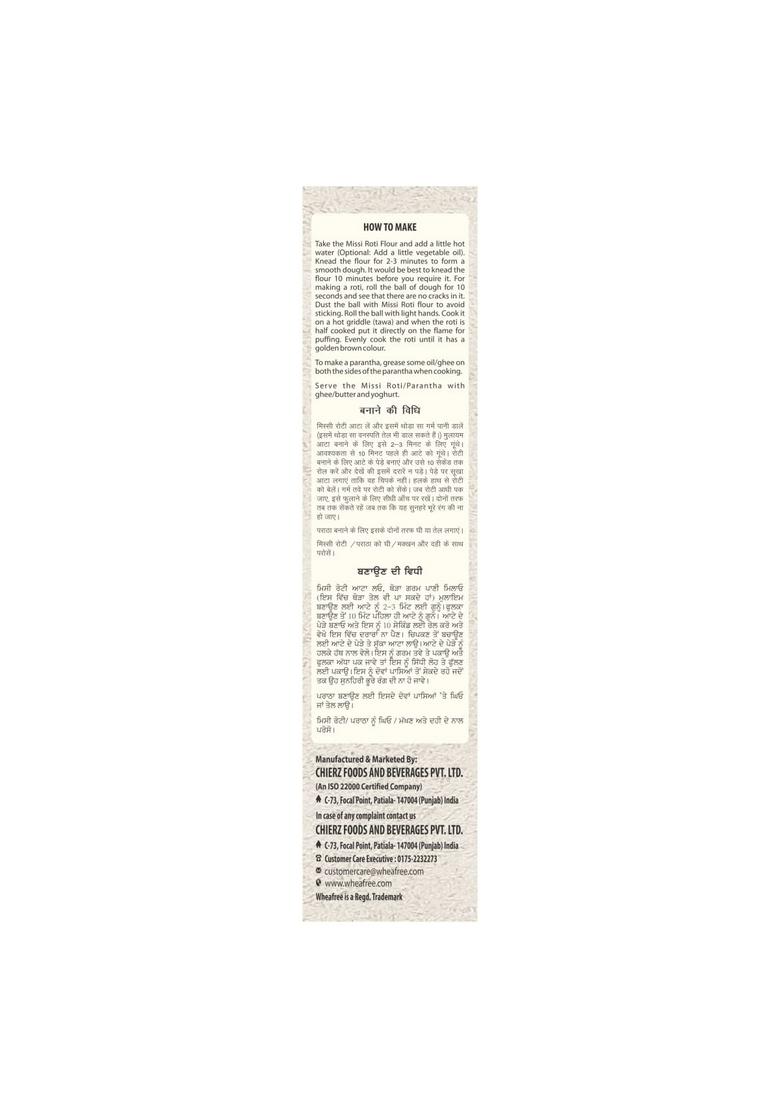
Making rotis from millet flour is straightforward. Bring water to a boil with a pinch of salt and a little oil. Add millet flour and stir well. Let the mixture cool slightly, then knead into a smooth, warm dough. Divide into small balls, roll out gently, and cook on a hot tawa until both sides are done. Millet rotis are best enjoyed fresh with your favorite curries or chutneys.
| Feature | Millet Flour Roti | Wheat Flour Roti |
|---|---|---|
| Gluten Content | None | Contains gluten |
| Fiber | High | Moderate |
| Nutrient Variety | Rich in minerals | Mostly carbohydrates |
| Flavor | Earthy, nutty | Mild |
House of Indya brings together Indian tradition and a modern outlook, offering everything from millet flour for rotis to stylish ethnic wear. With quality products and thoughtful service, Indya helps you enjoy the best of Indian living. Visit House of Indya
Millet flour is made by grinding grains like ragi, bajra, and jowar. It’s naturally gluten-free and rich in nutrients, making it a great alternative to wheat flour for soft, healthy rotis.
Ragi and jowar are often preferred for their mild taste and soft texture, while bajra is chosen for heartier, rustic rotis. Each type brings its own flavor and nutrition.
Yes, rotis made from millet flour are naturally gluten-free, making them suitable for people with gluten intolerance or celiac disease.
Use warm water and a bit of oil to knead the millet flour into a soft dough. Roll into small balls, flatten, and cook on a hot tawa for soft, tasty rotis.
Millet flour rotis are high in fiber, protein, and minerals like calcium and iron. They support digestion, bone health, and help keep blood sugar steady.
Yes, you can mix millet flour with wheat flour. This makes the dough easier to handle and combines the benefits of both grains.
Millet flour is a good choice for all ages. Its nutrients, especially calcium and iron, help growing children and support bone health in seniors.
Millet flour is gluten-free, higher in fiber, and richer in minerals than wheat flour. It has a more earthy flavor and is often easier to digest.
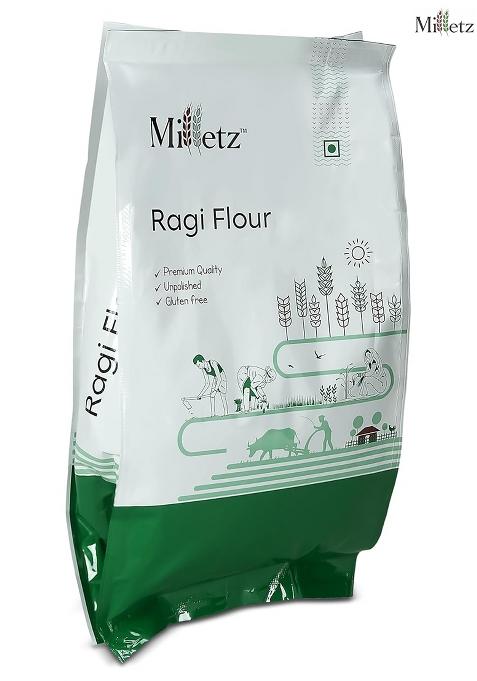
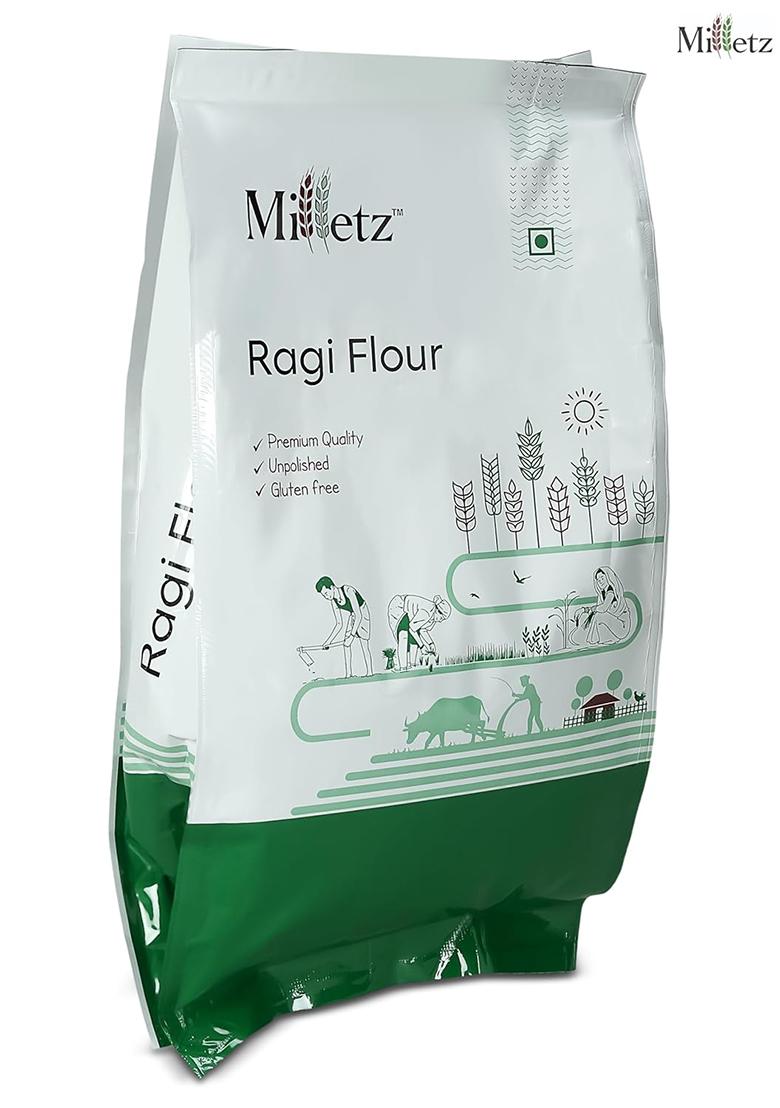
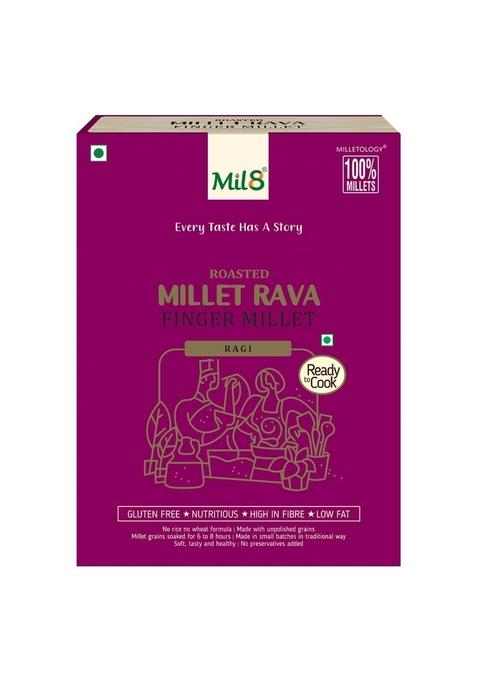
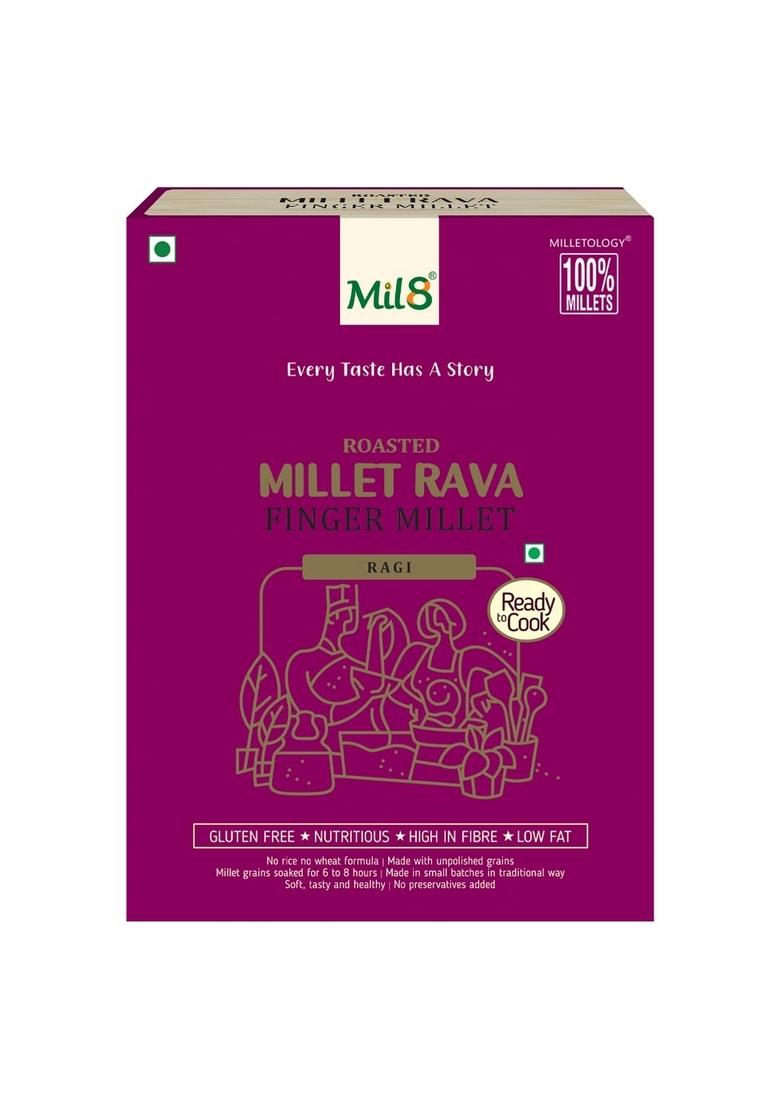
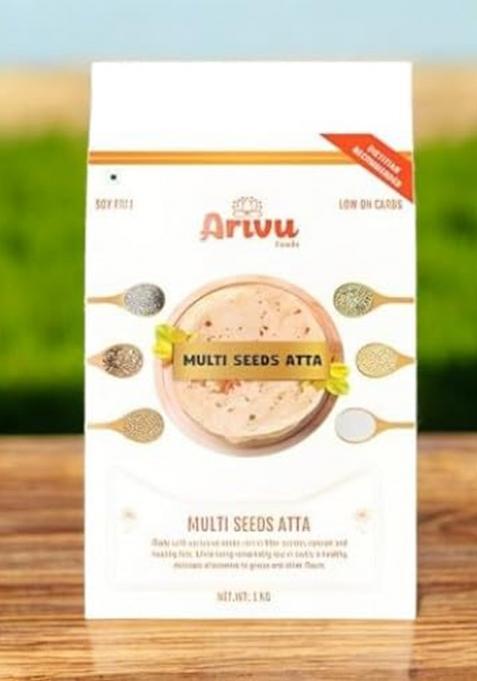
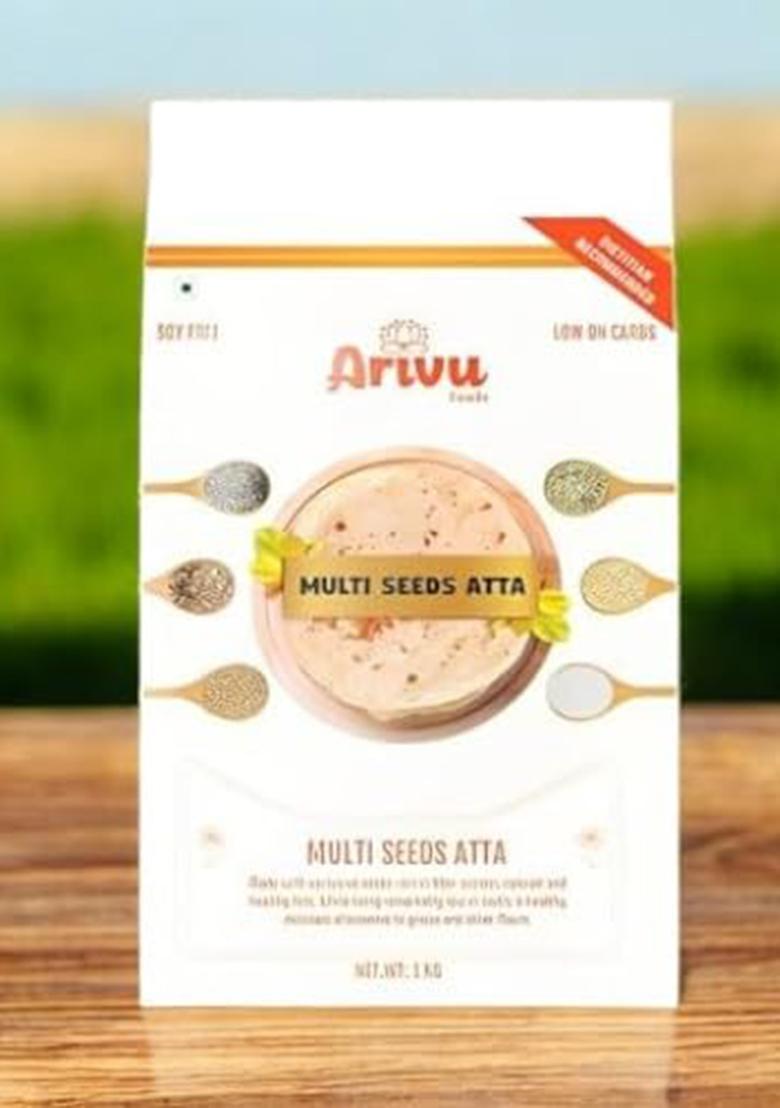
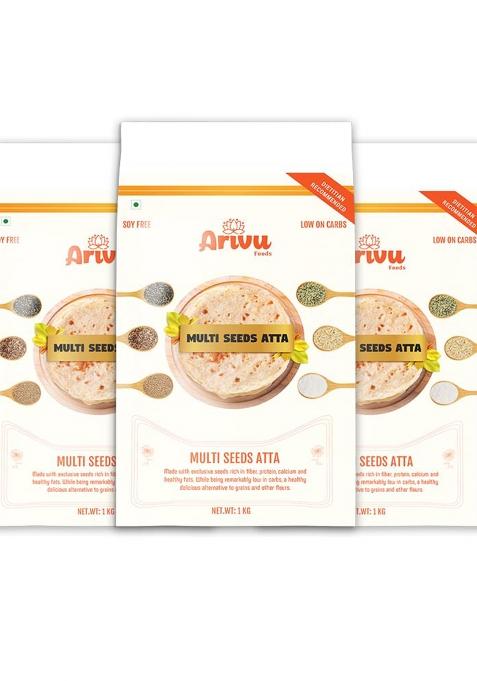
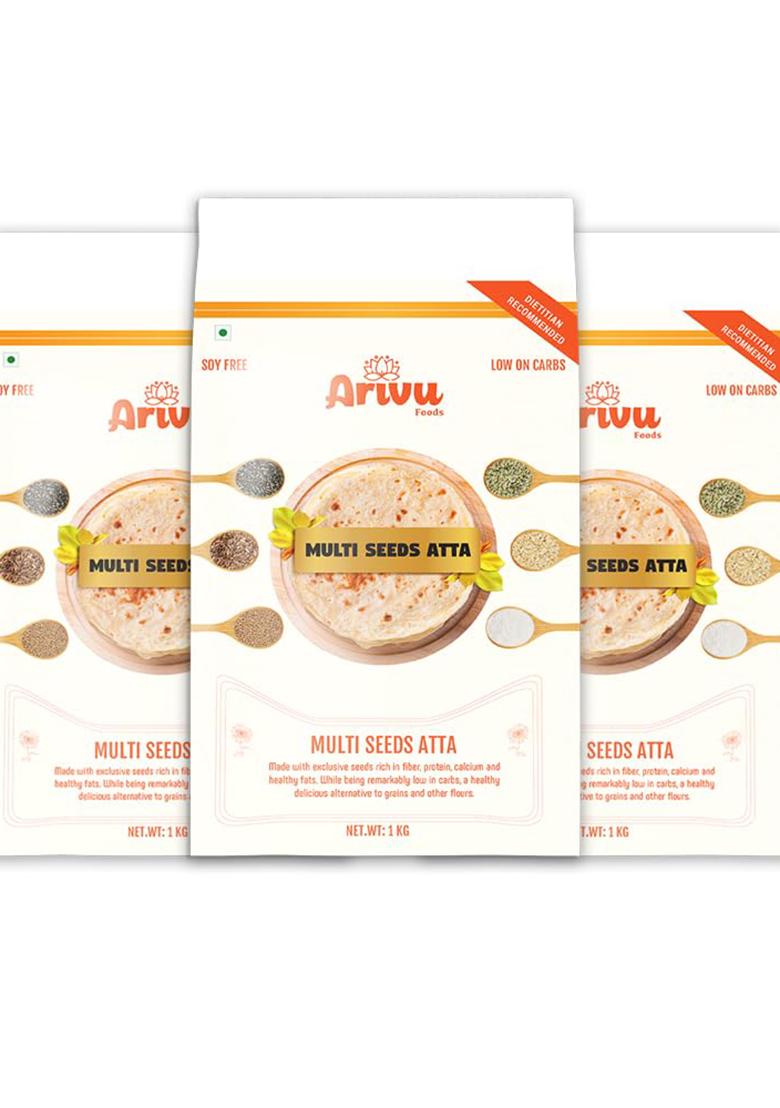
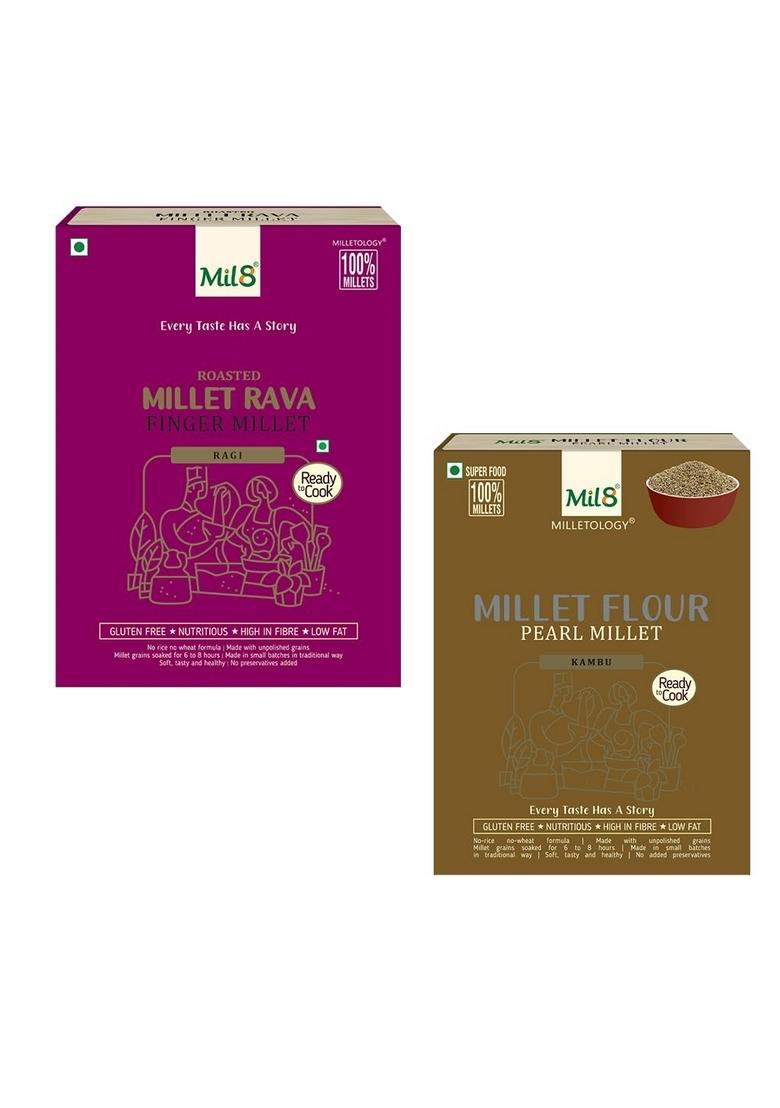
House of Indya offers a range of millet flours, including ragi, multi-seed blends, and high-protein varieties, all chosen for quality and taste.
Yes, House of Indya ships millet flour and other products worldwide, so customers everywhere can enjoy fresh, nutritious rotis.