


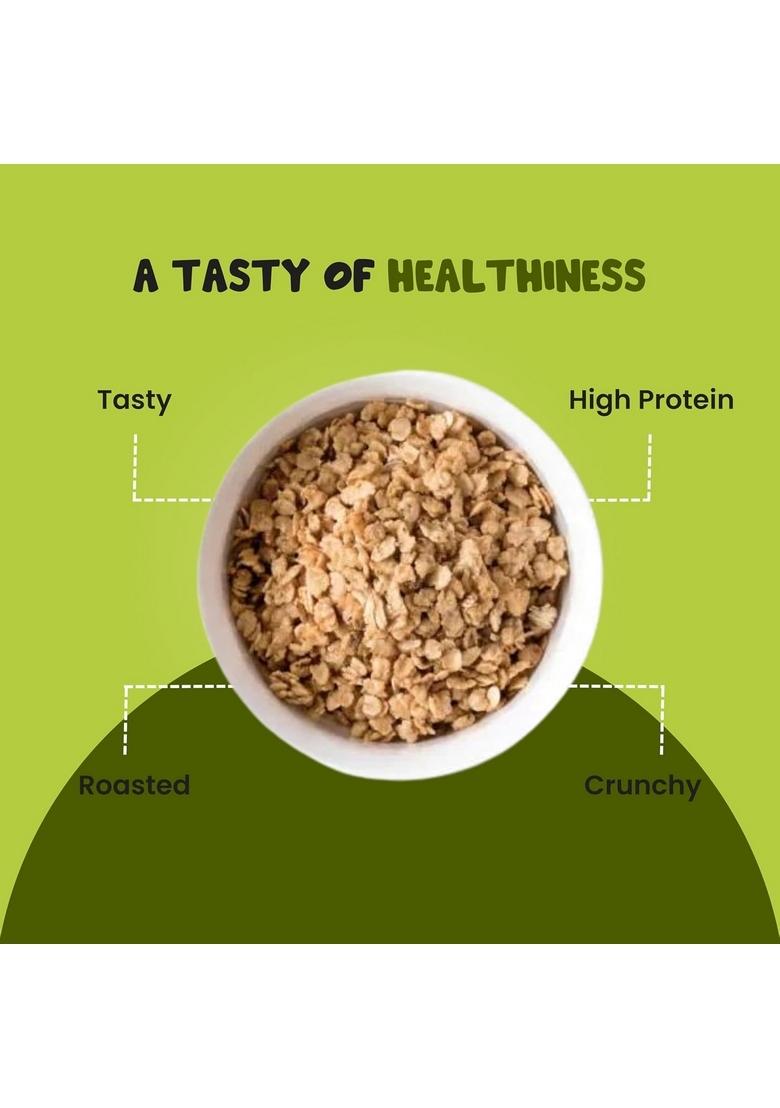
Healthy Indian Millet
$6.70 $8.00
Healthy Indian Millet
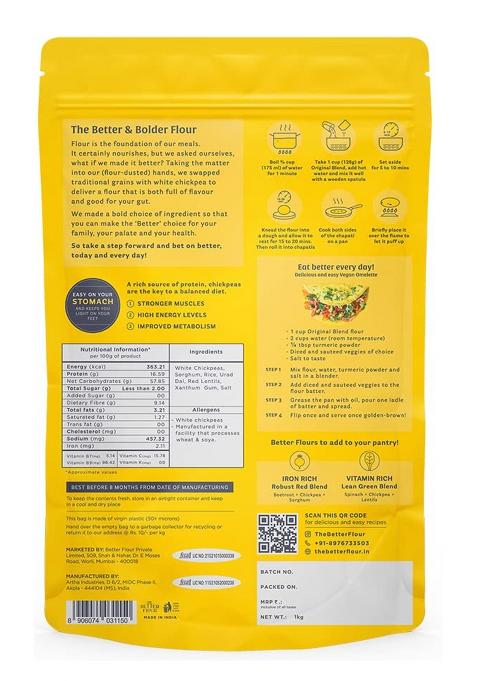
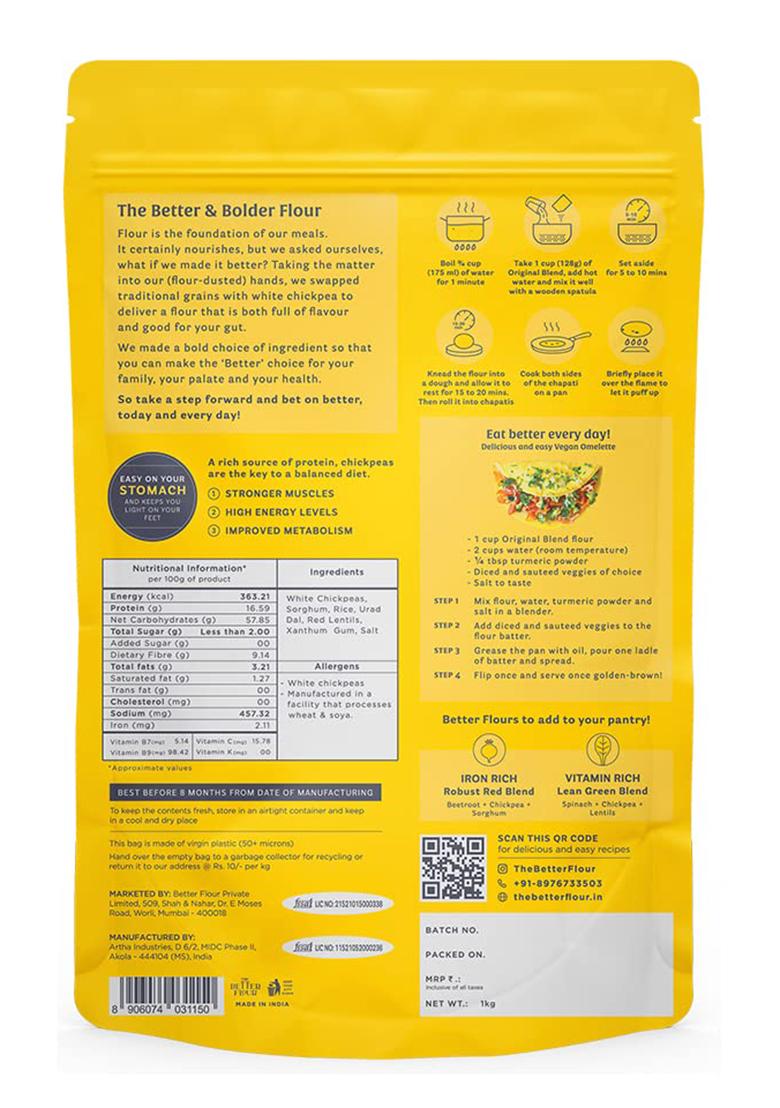
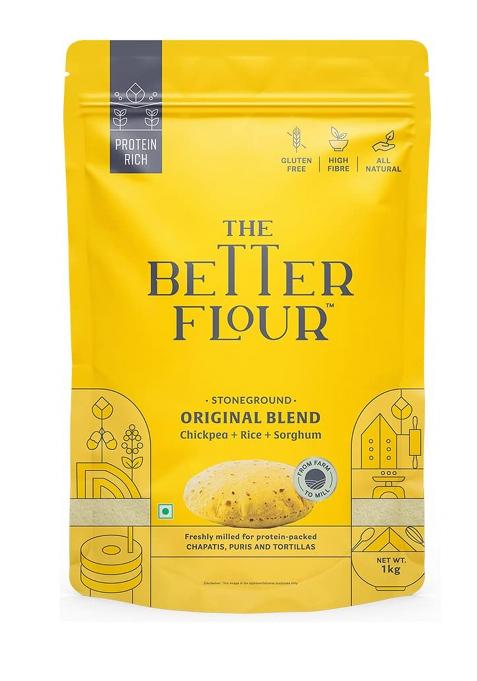
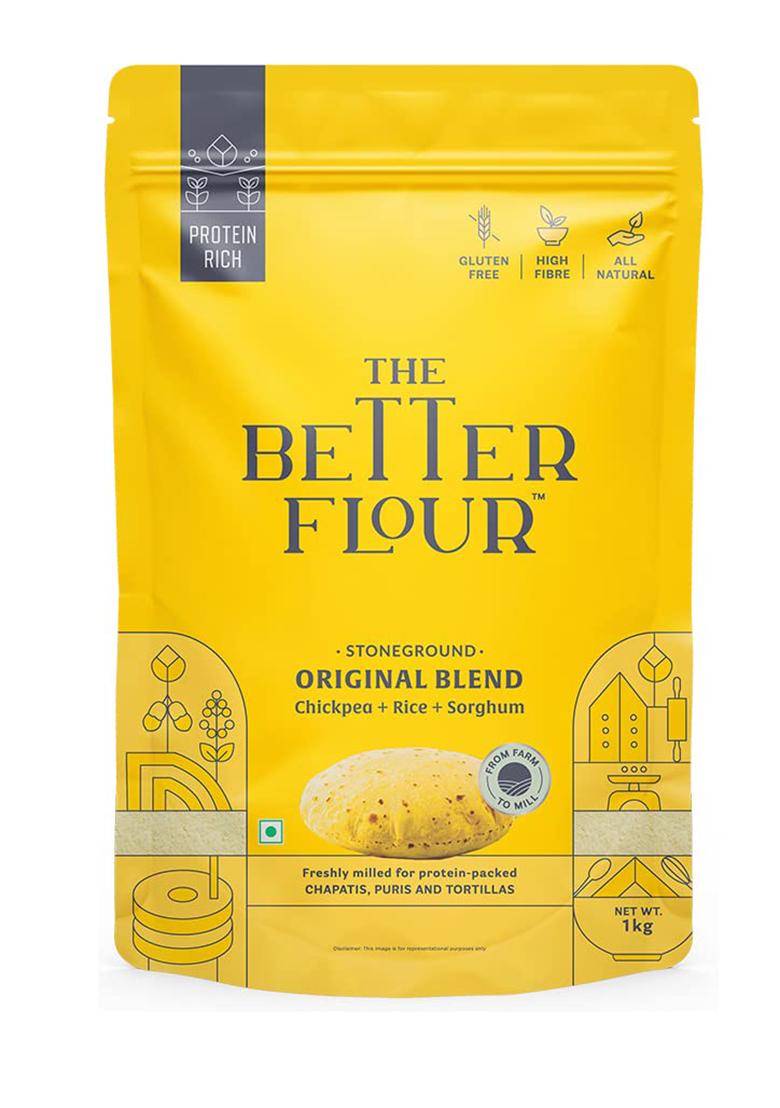
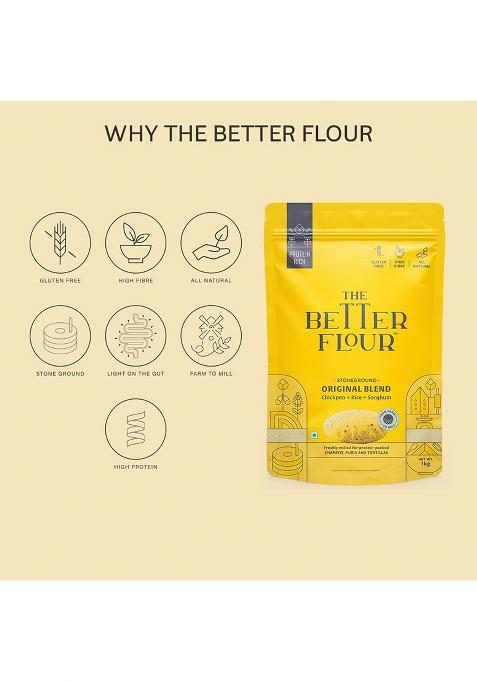
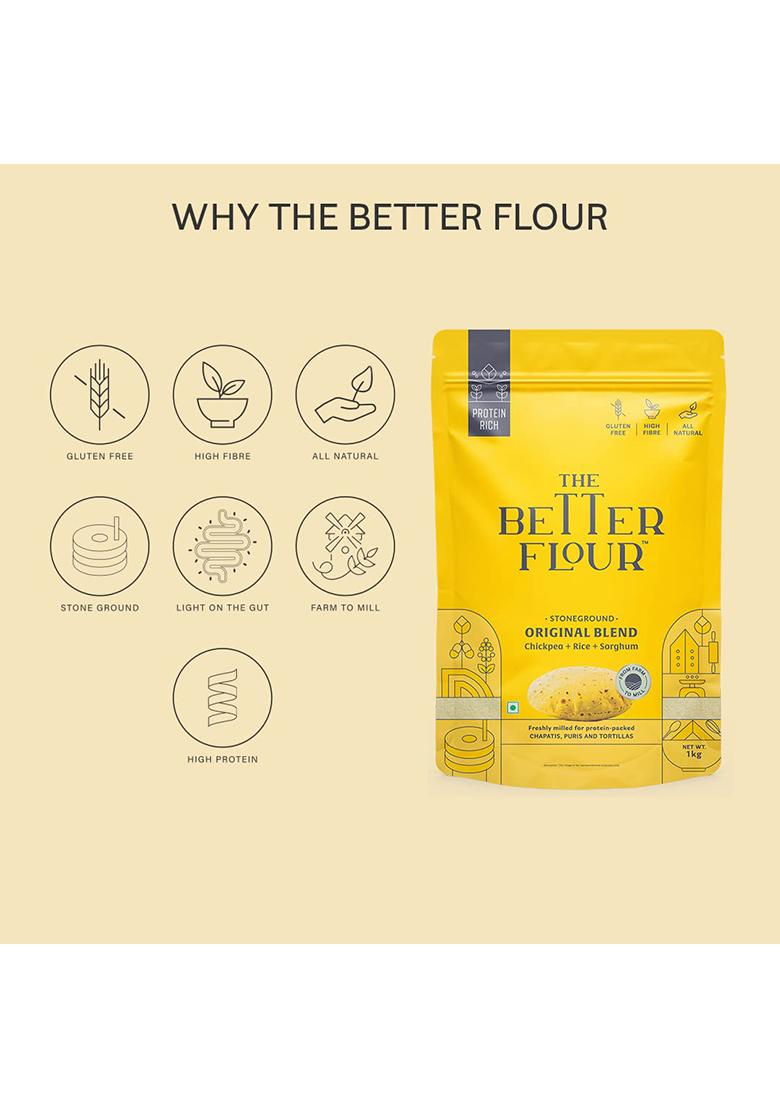
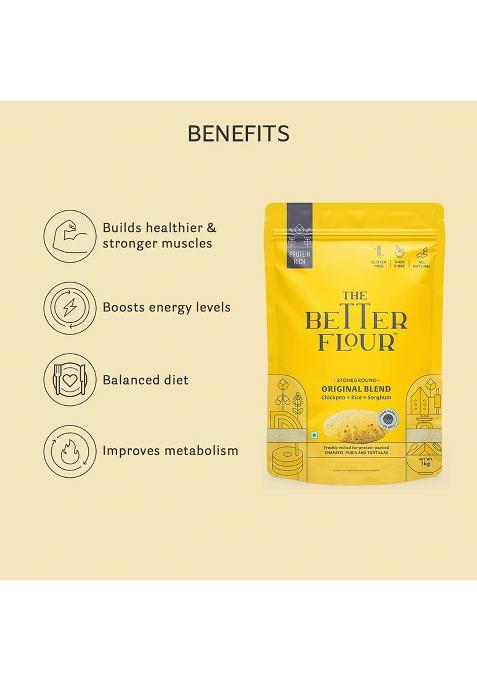
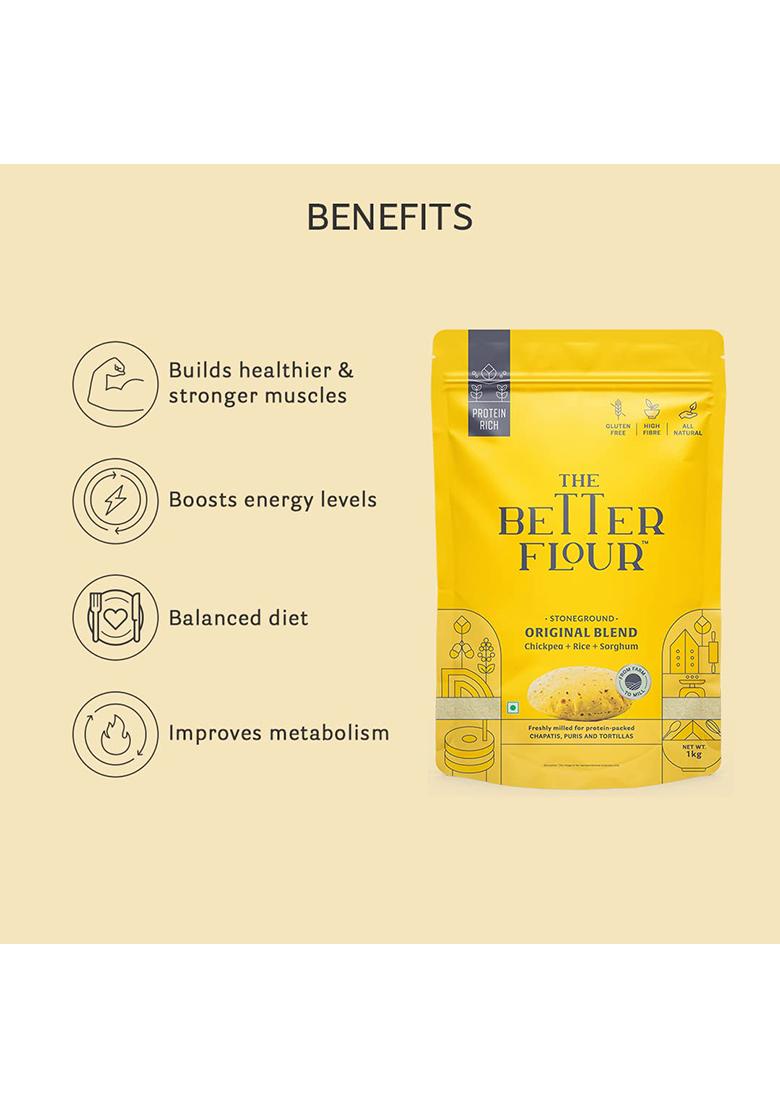
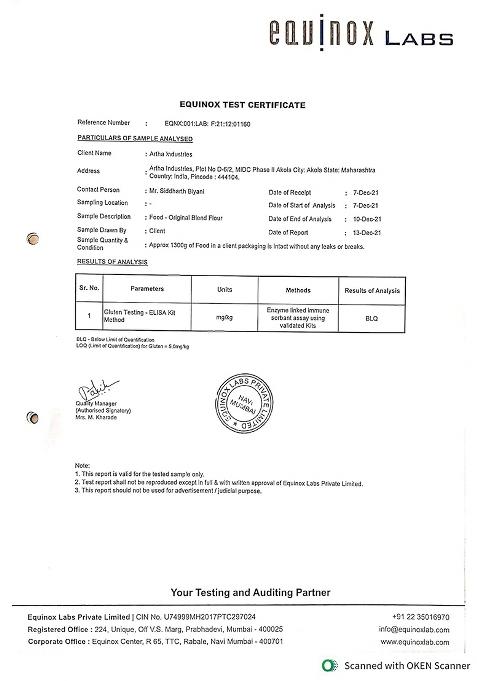
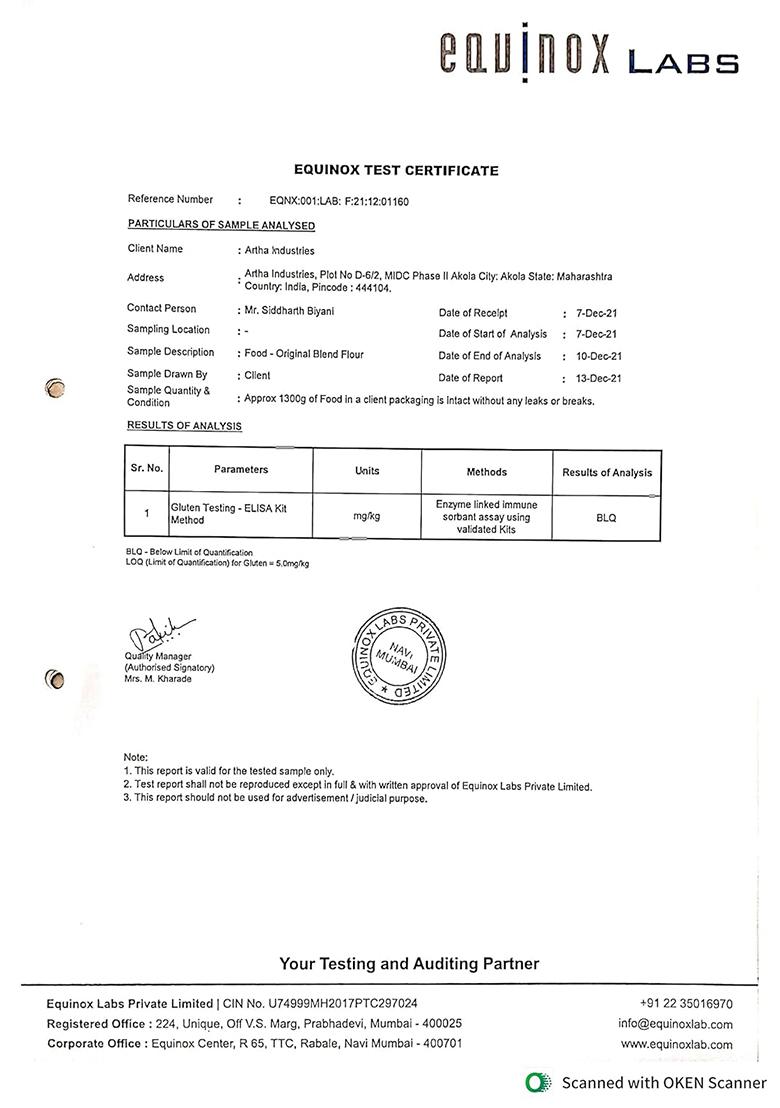
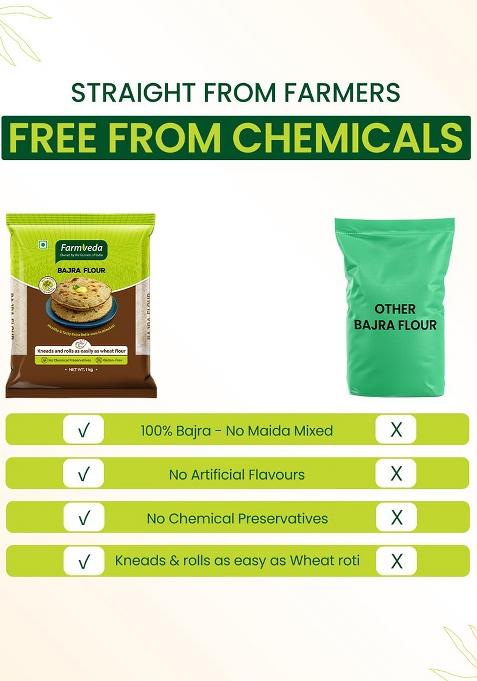
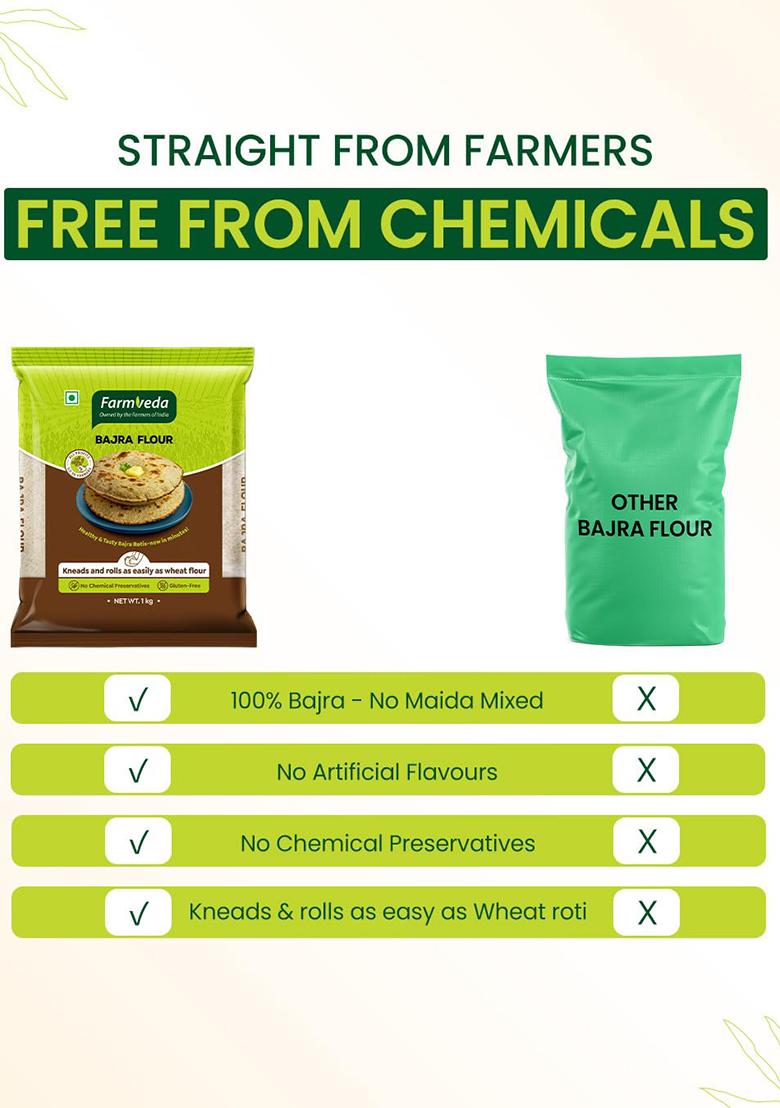
The Better Flour
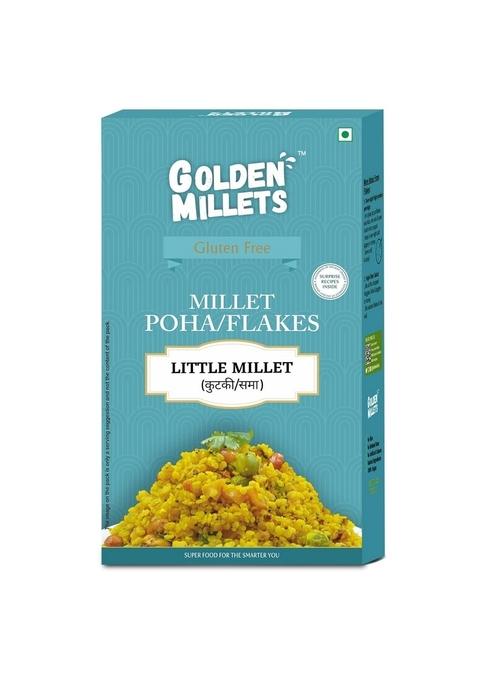


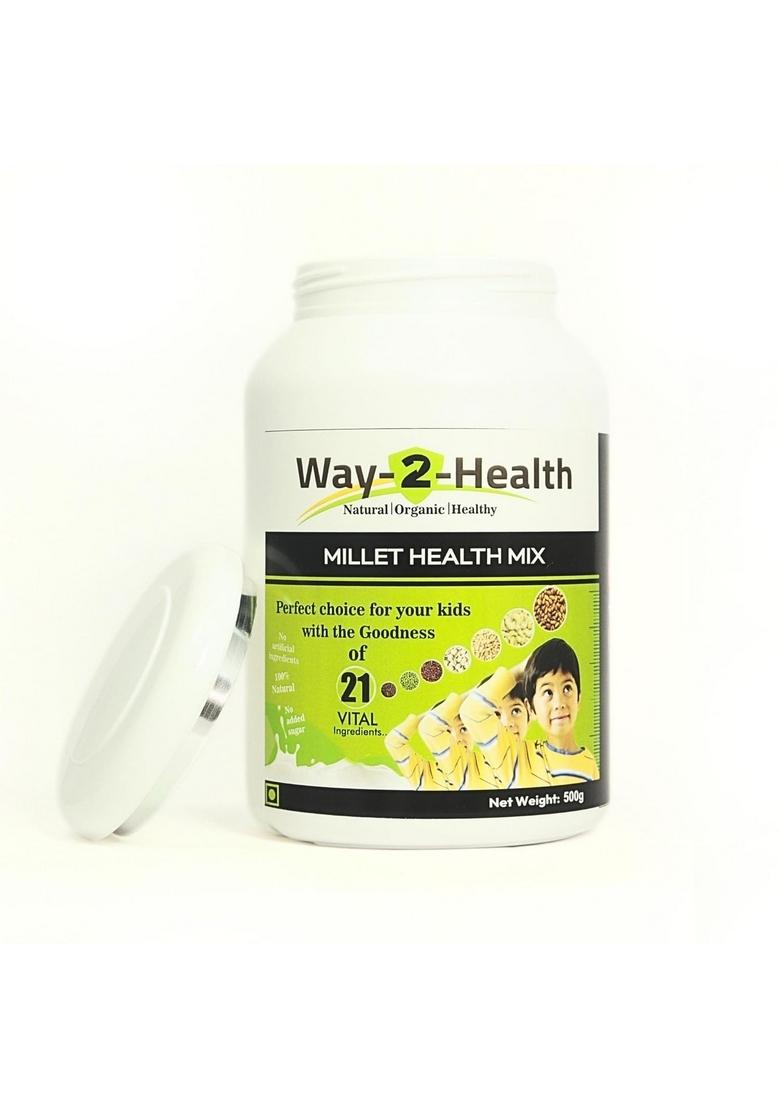
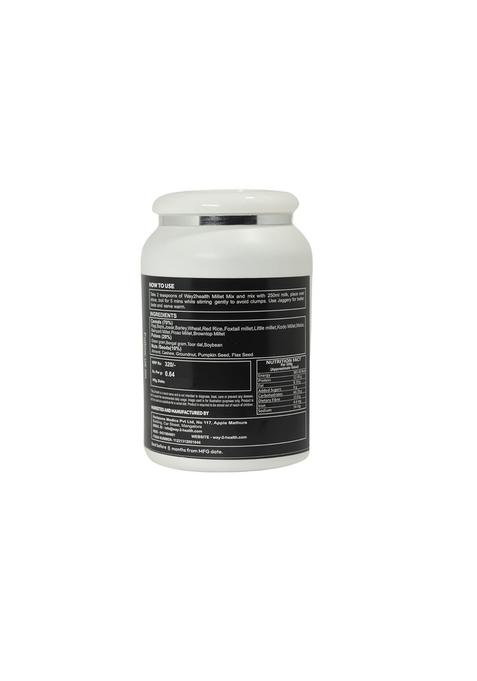
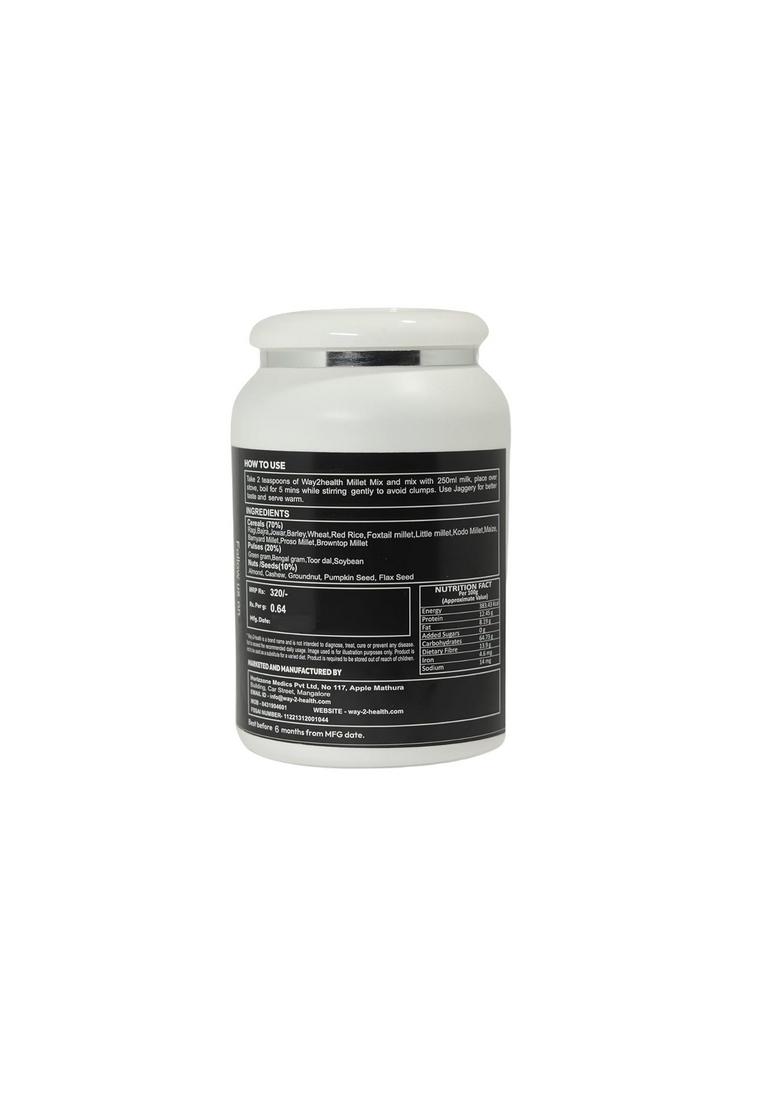
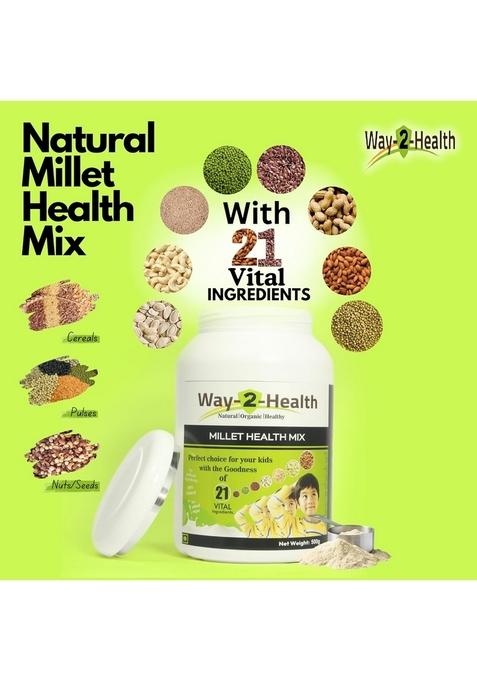
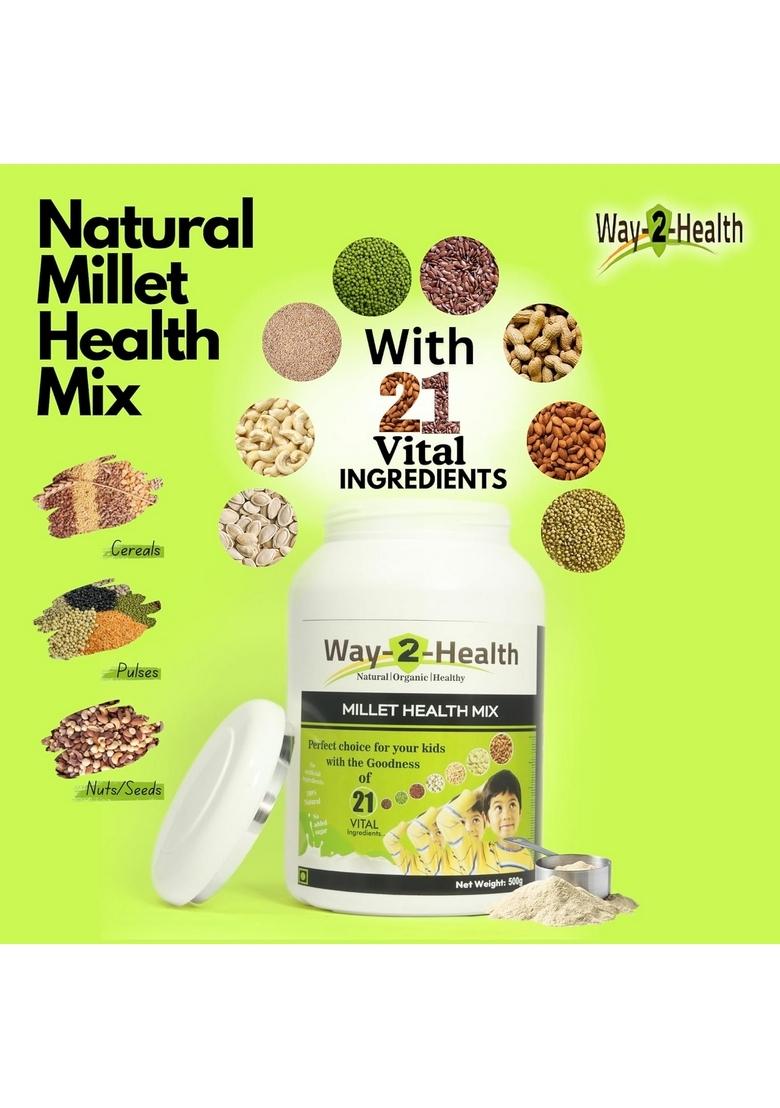



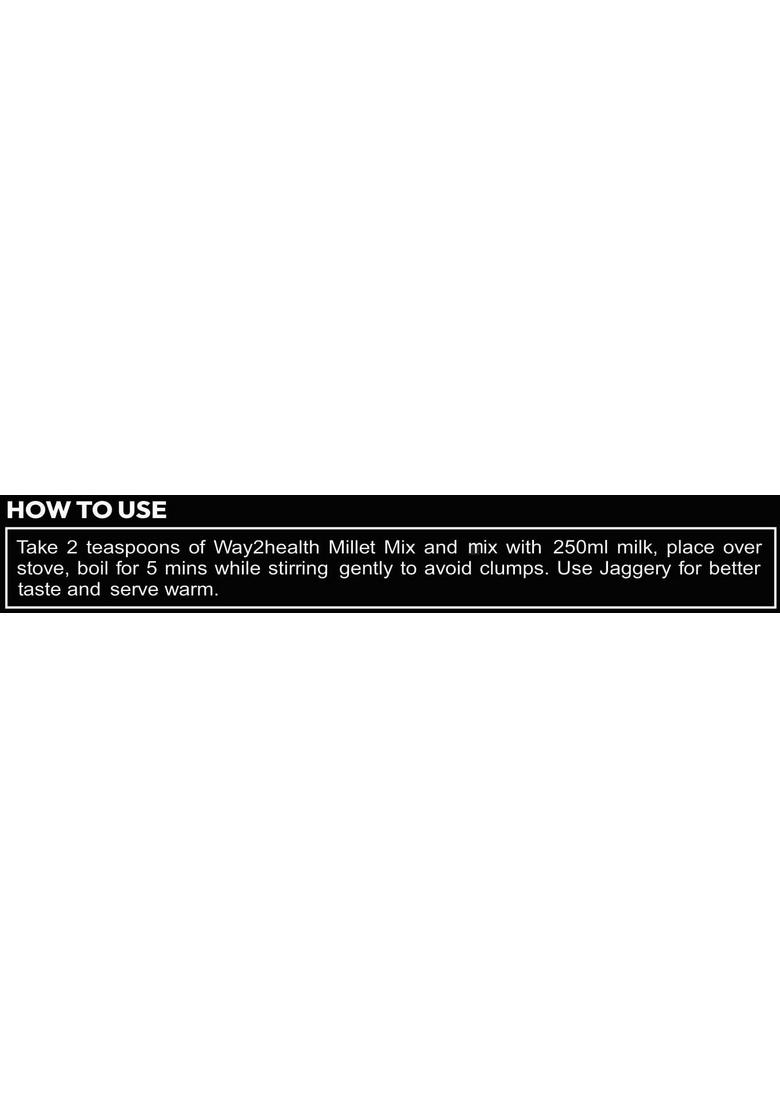
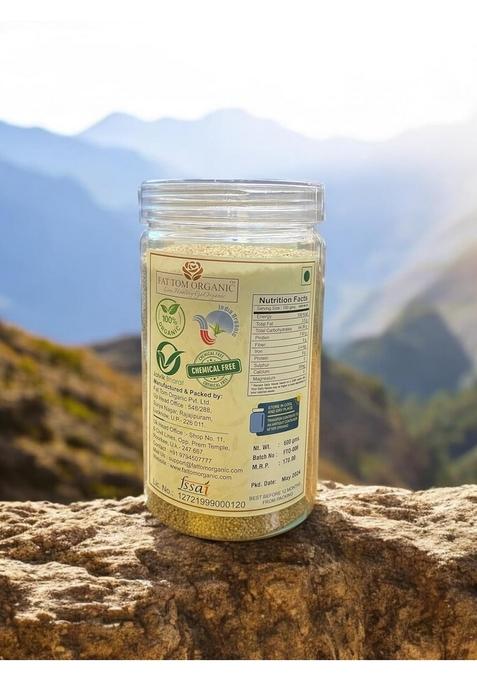
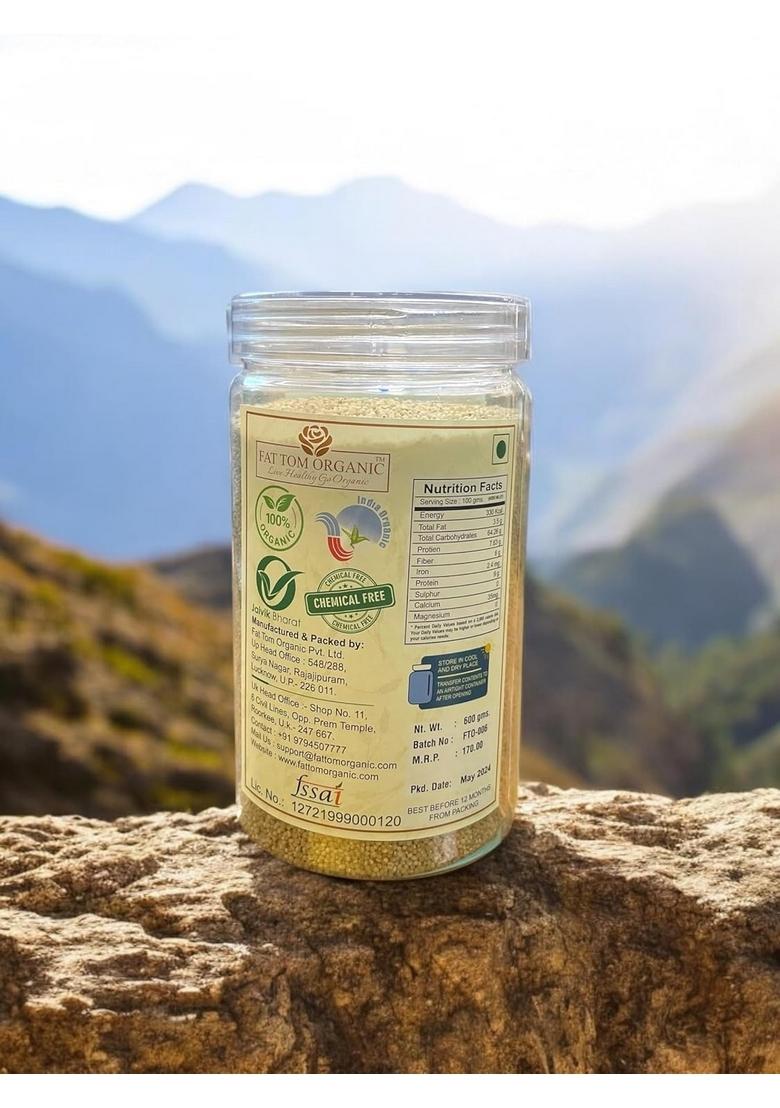
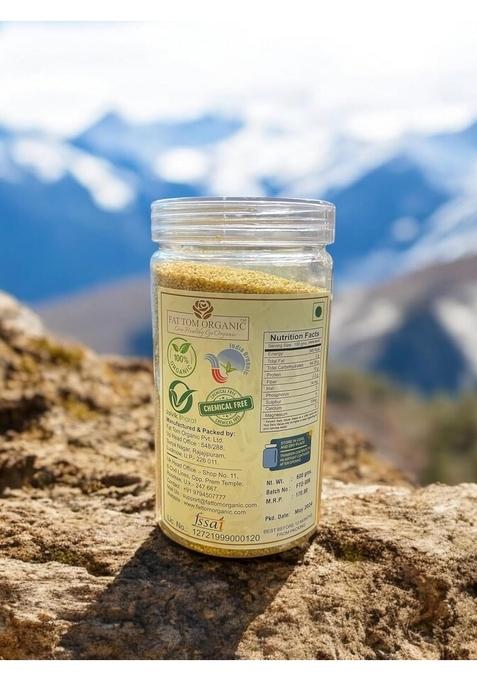
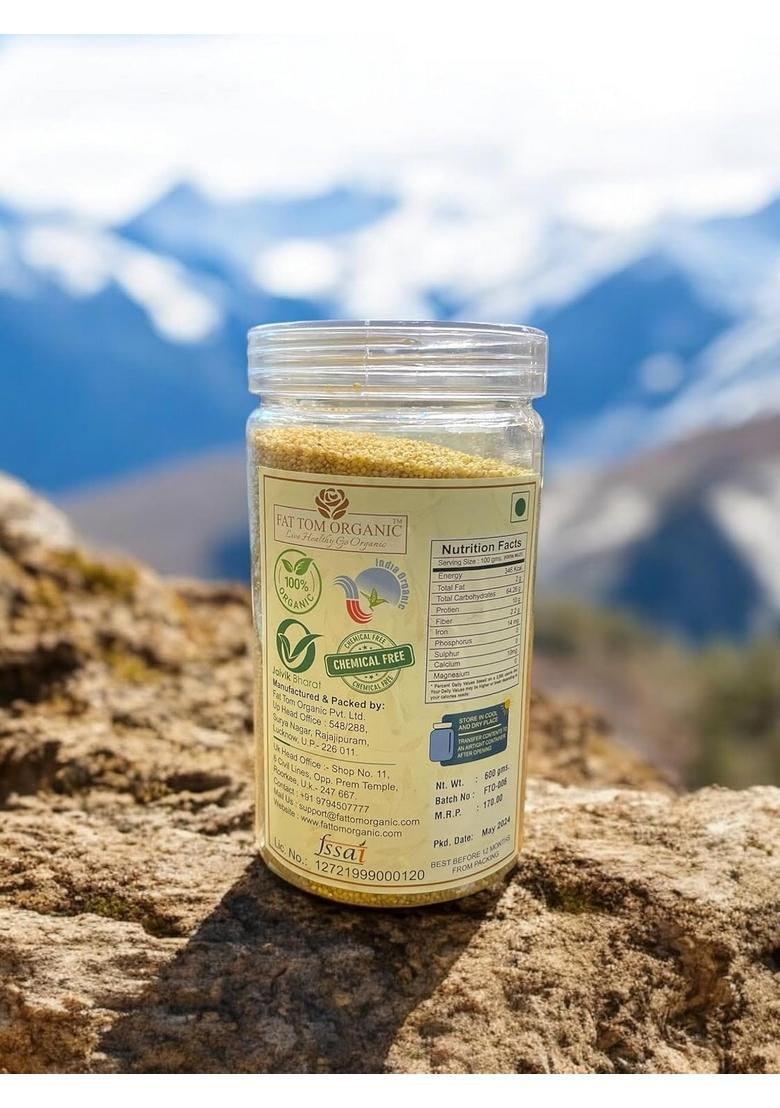
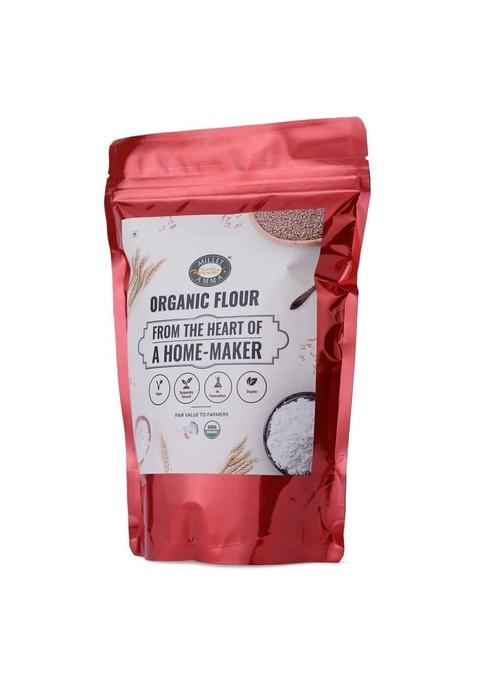
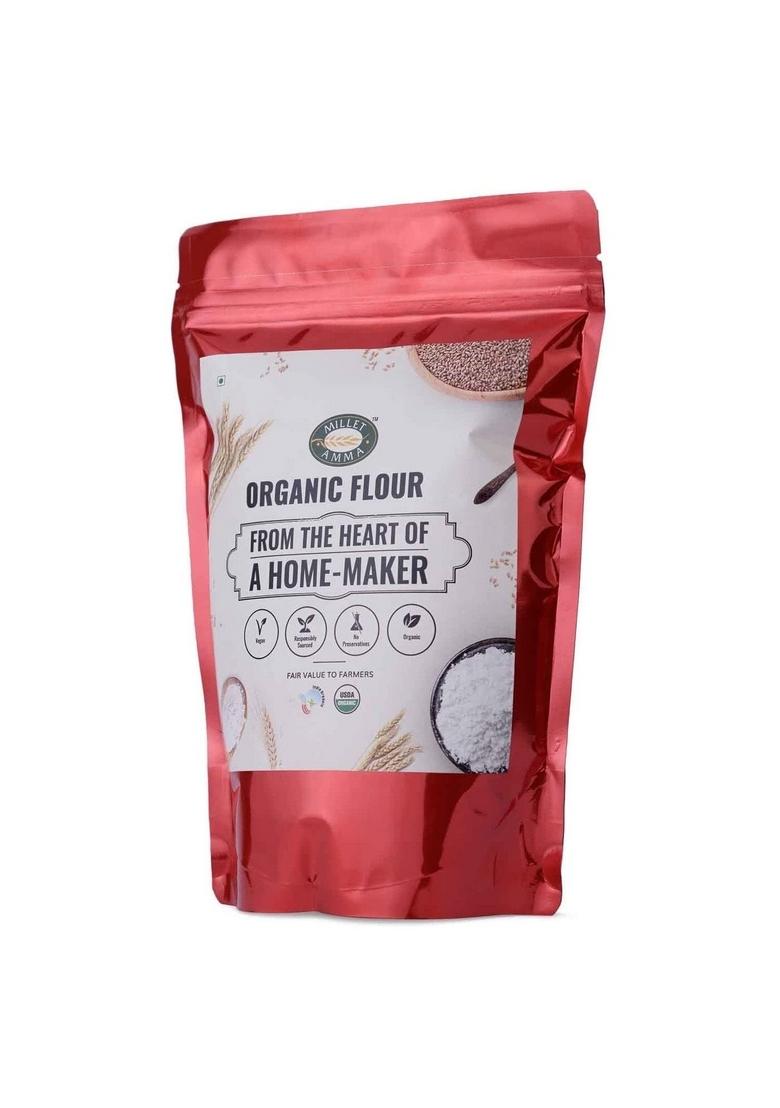
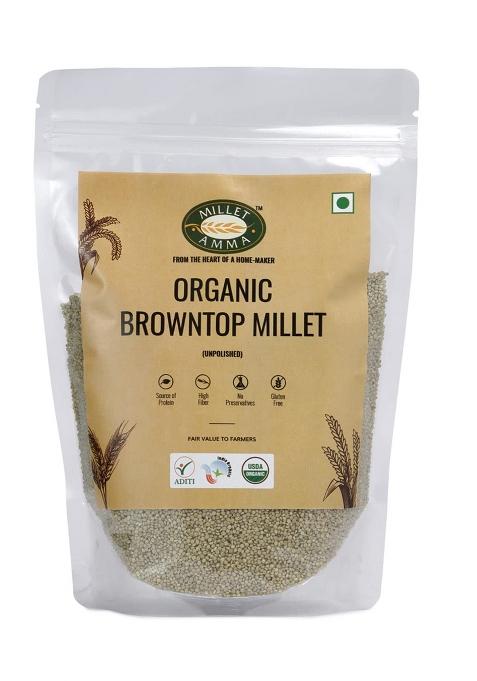
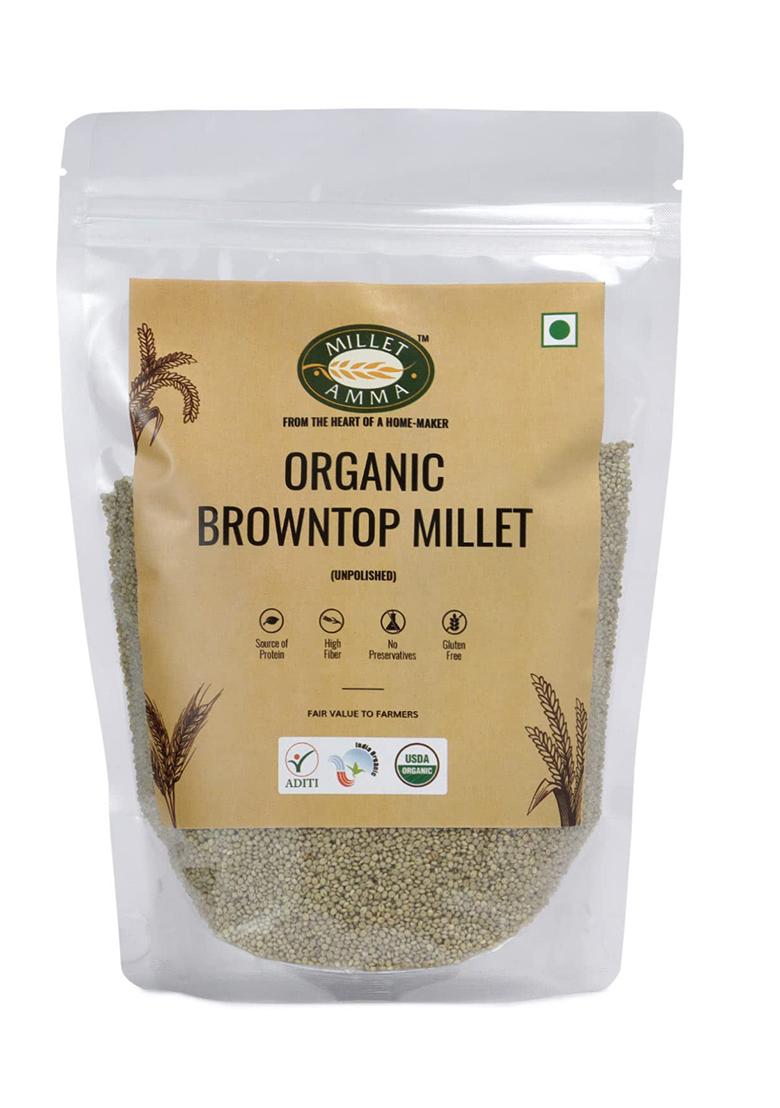
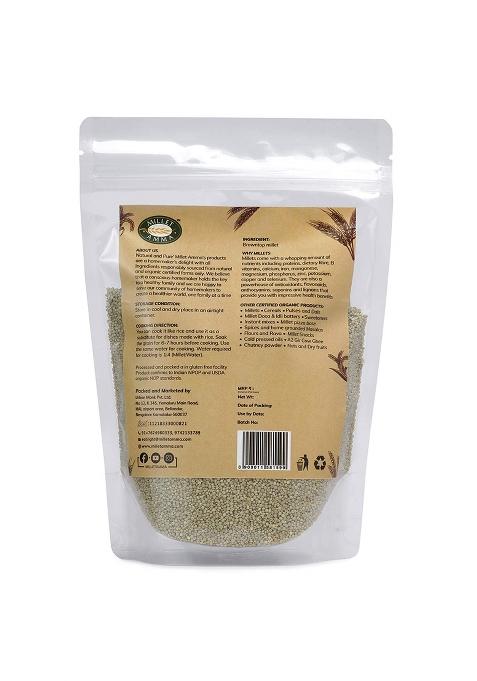
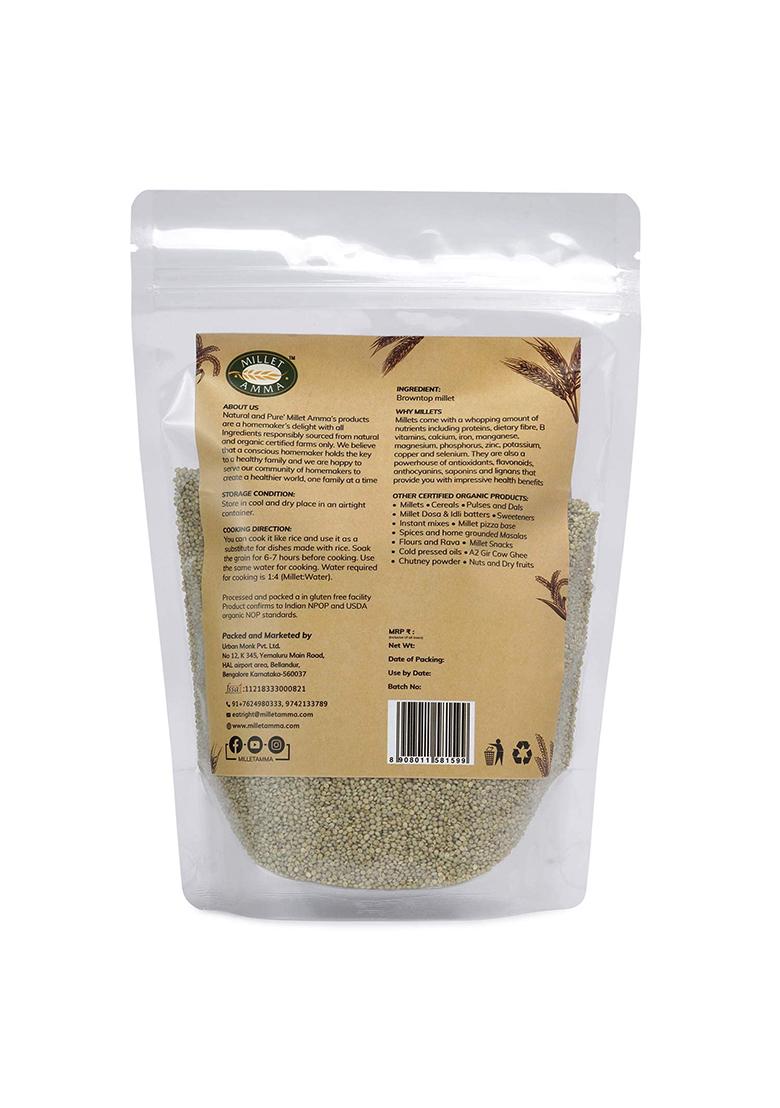
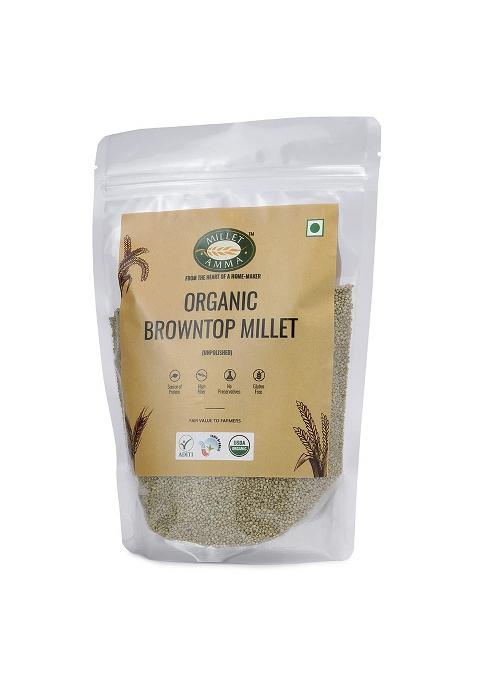
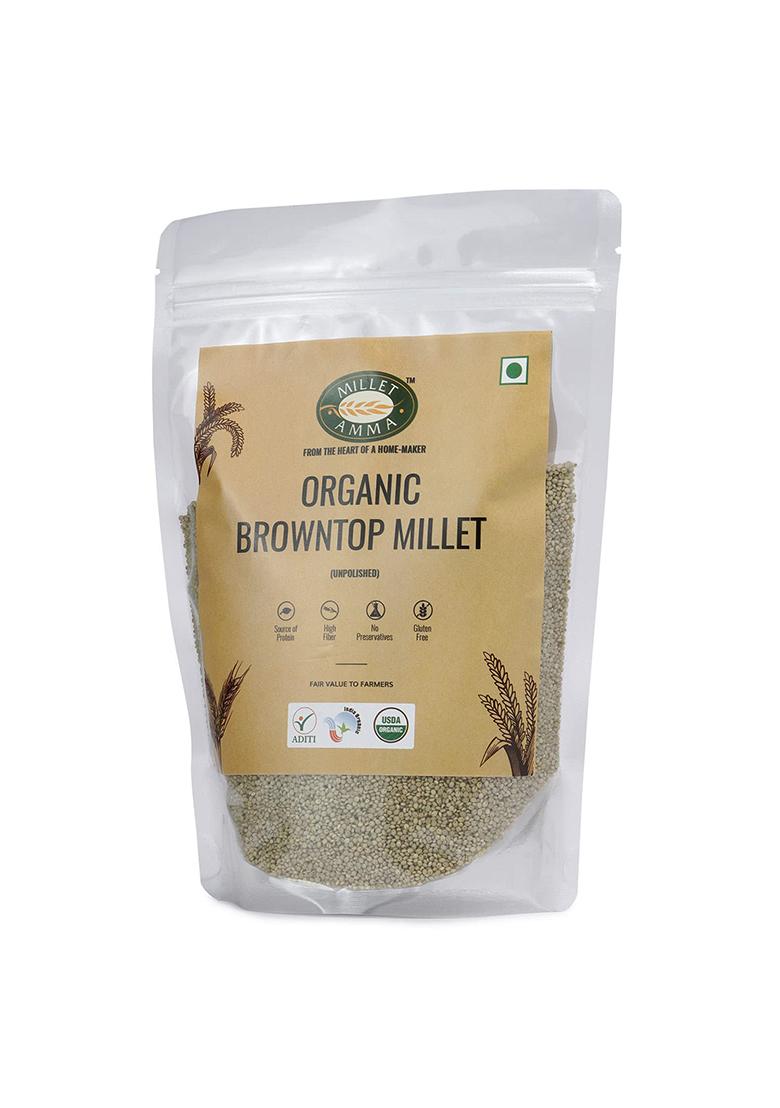
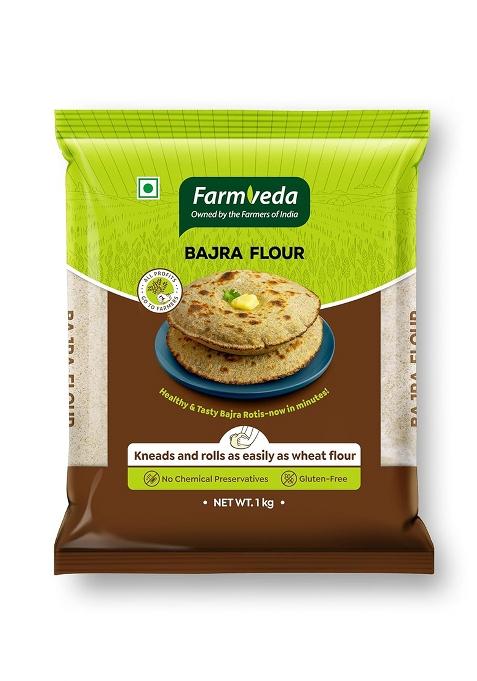
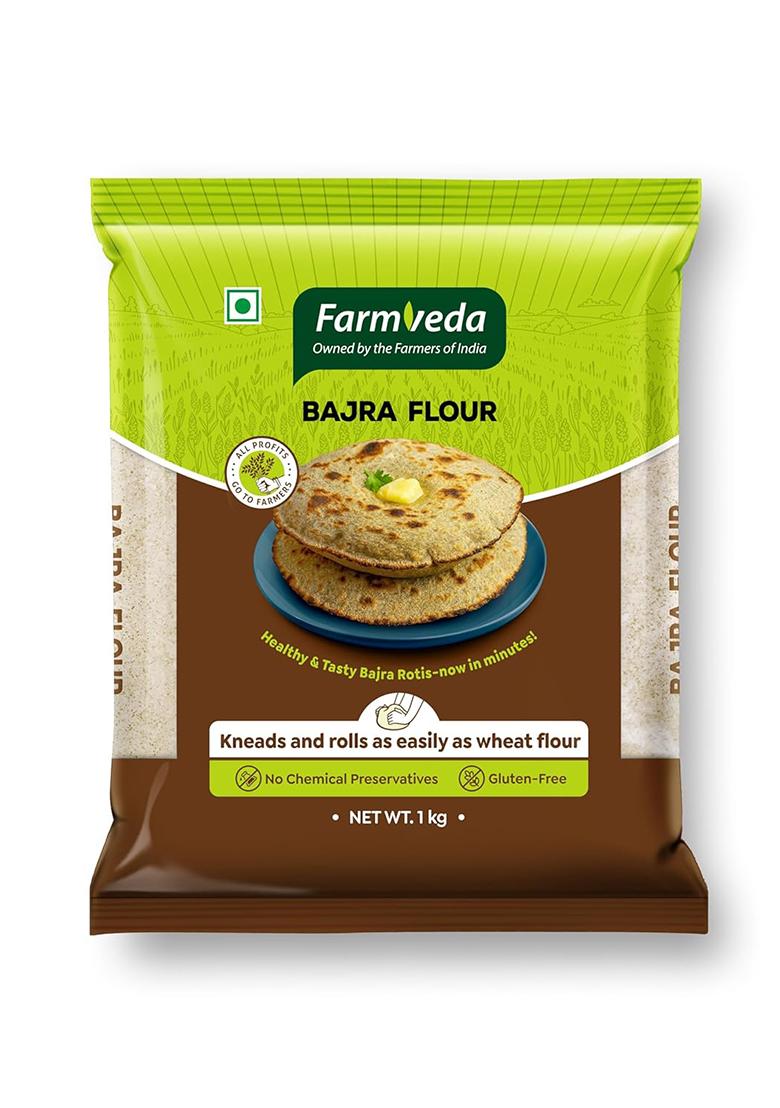
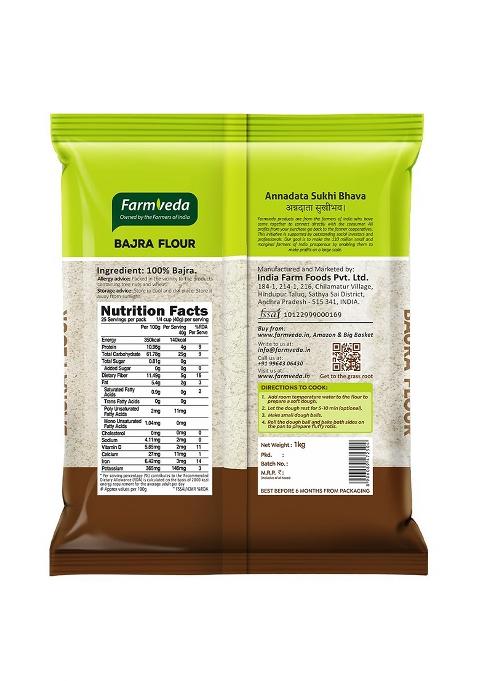
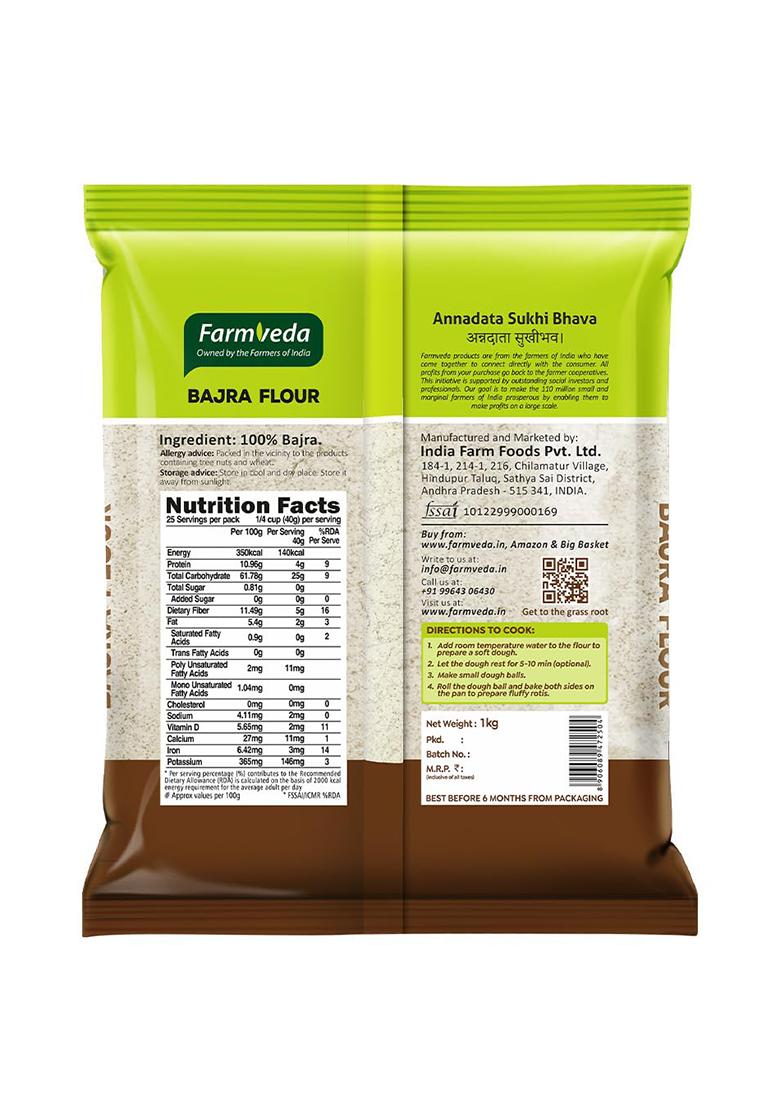
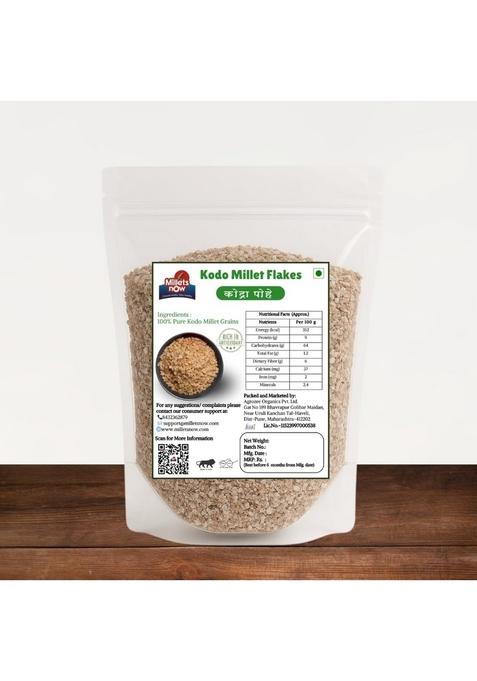
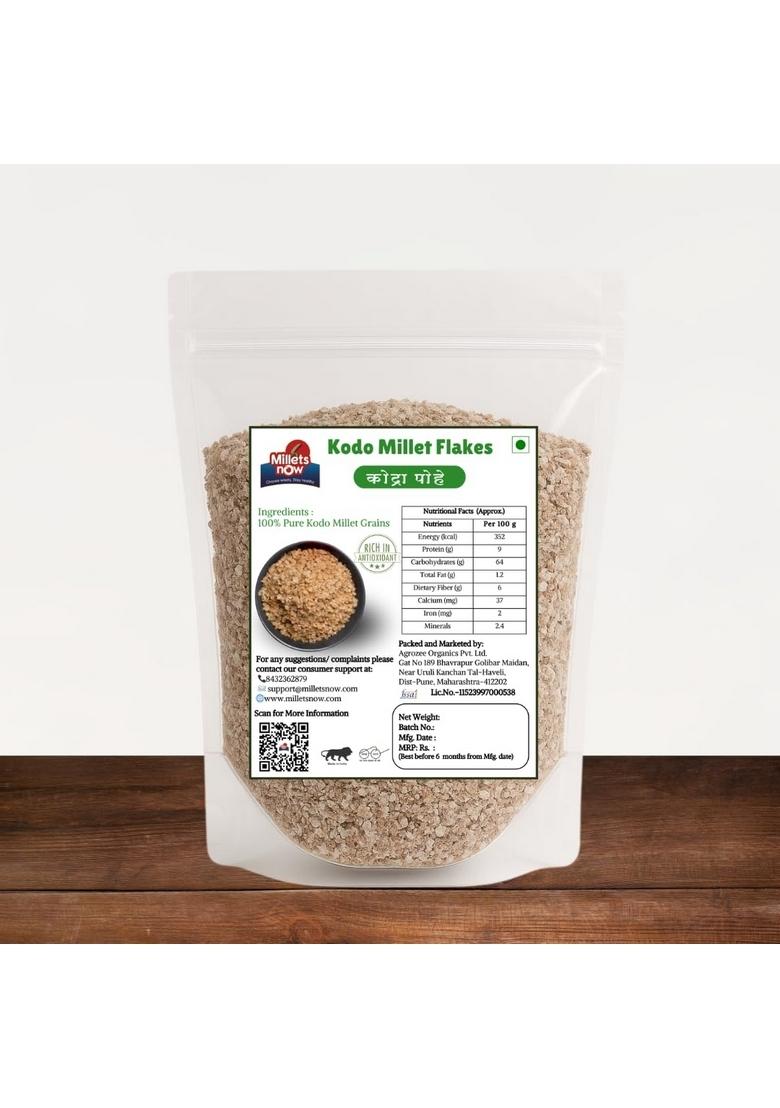
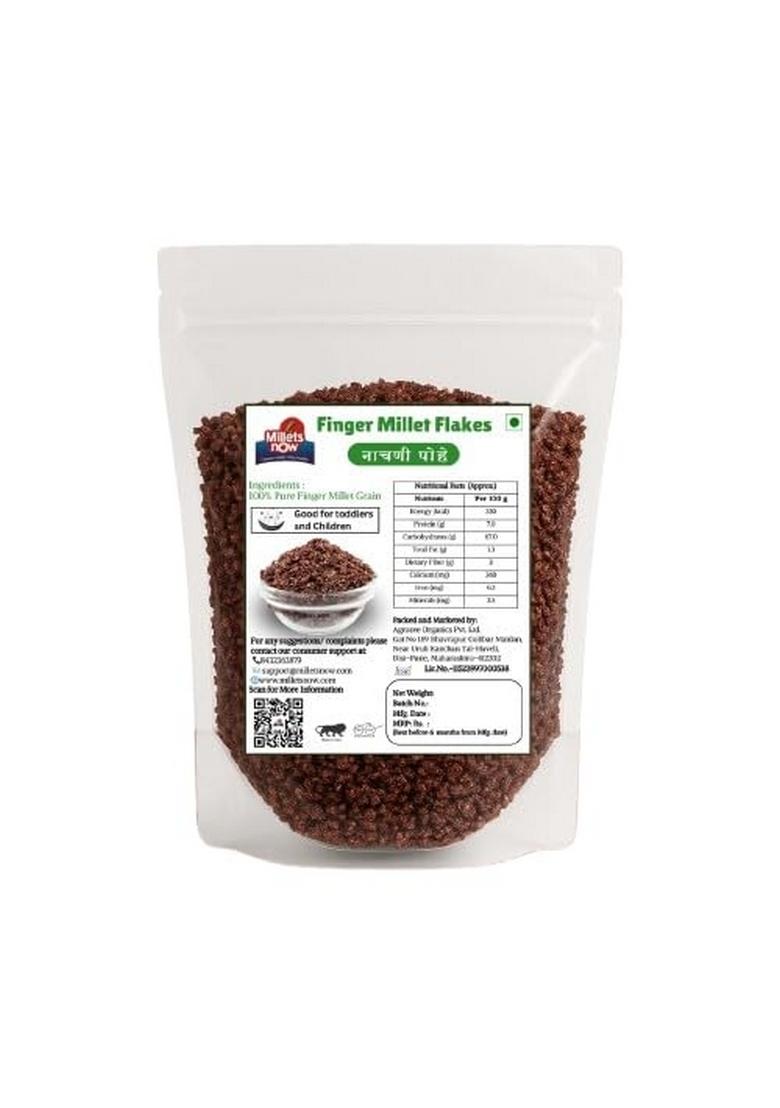




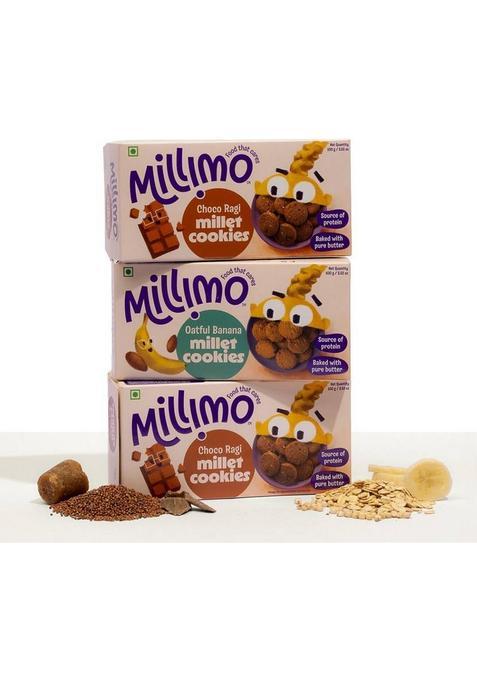
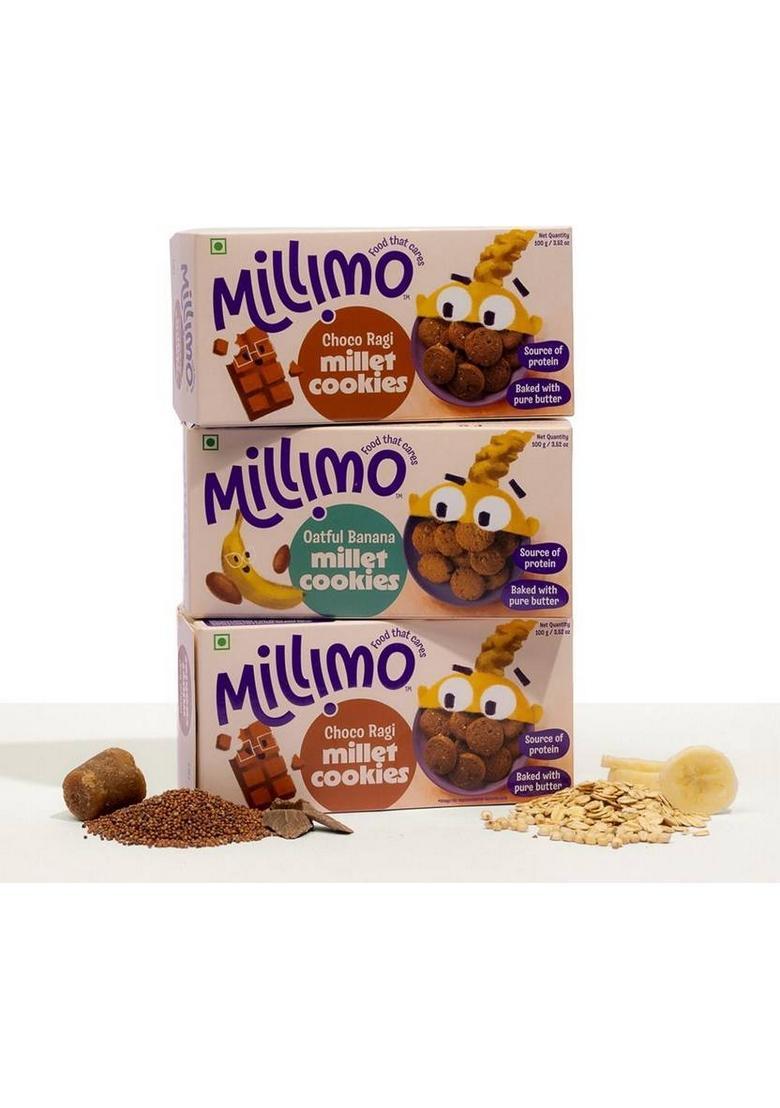




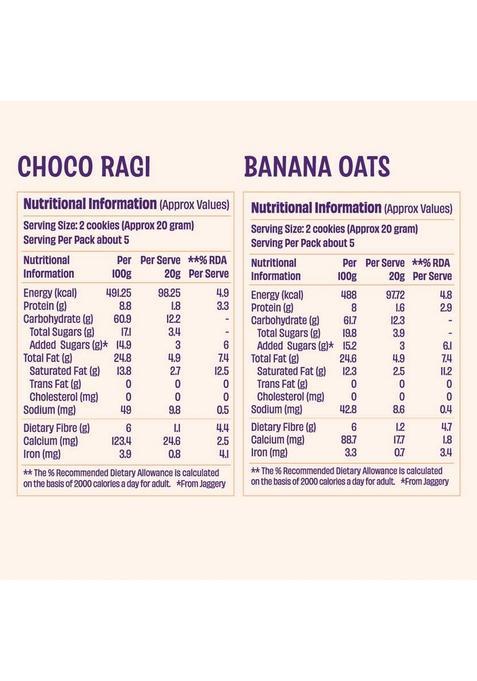
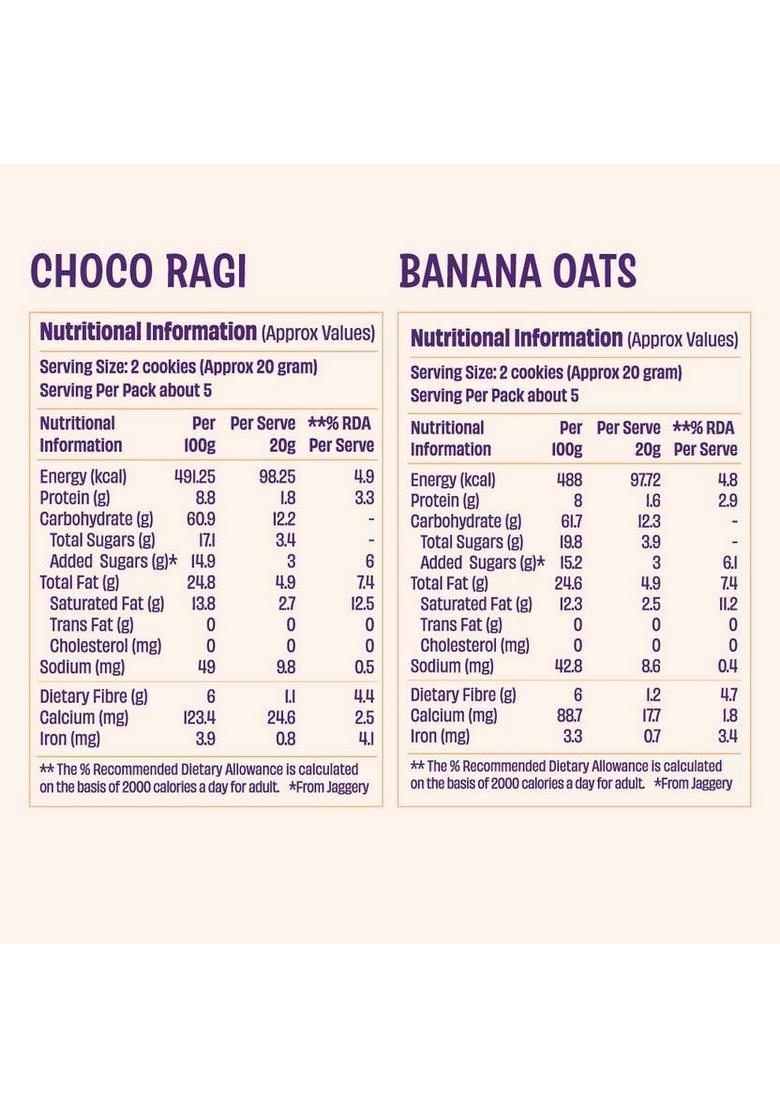
Millimo Healthy Millet Cookies
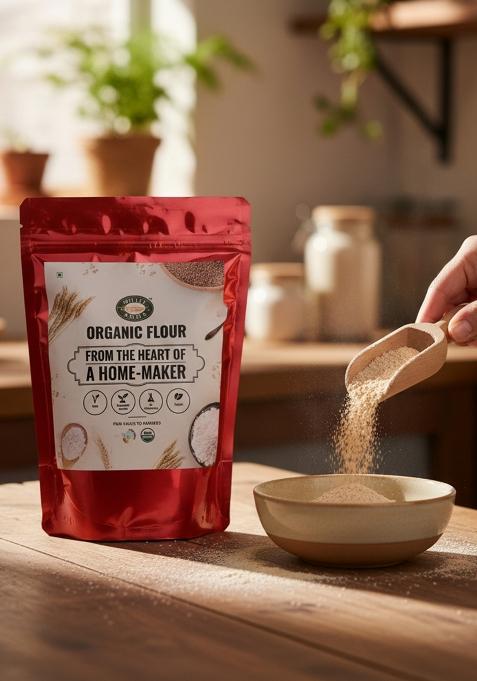
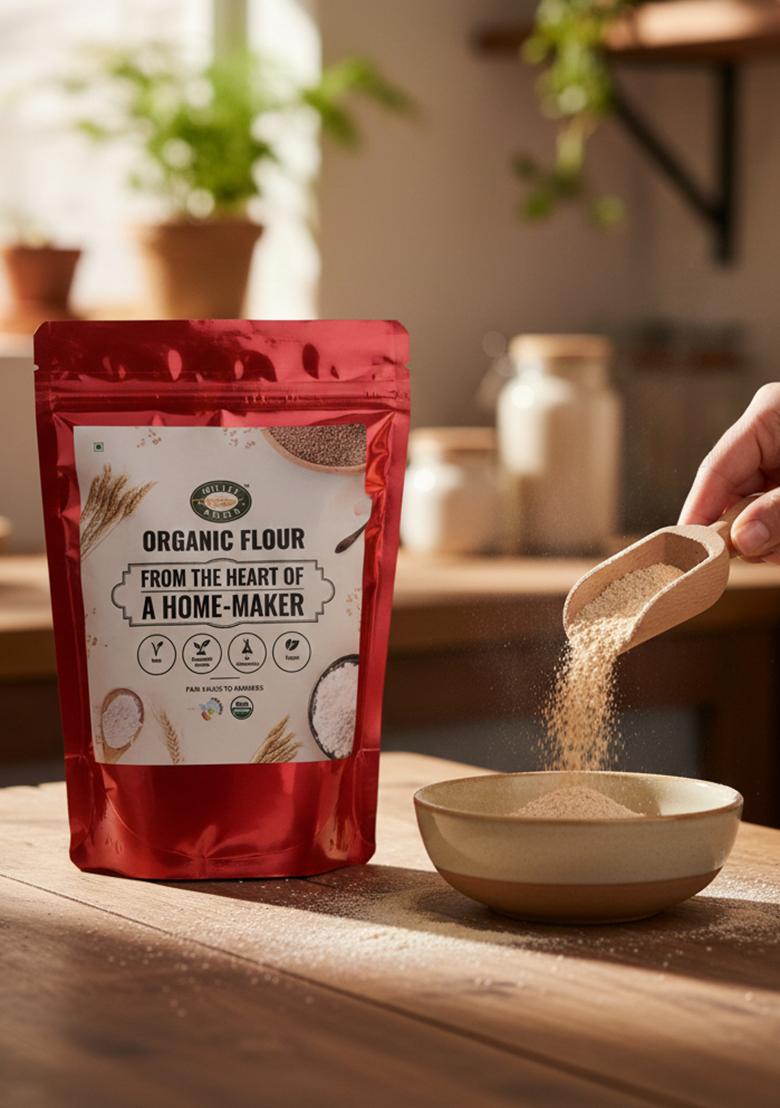
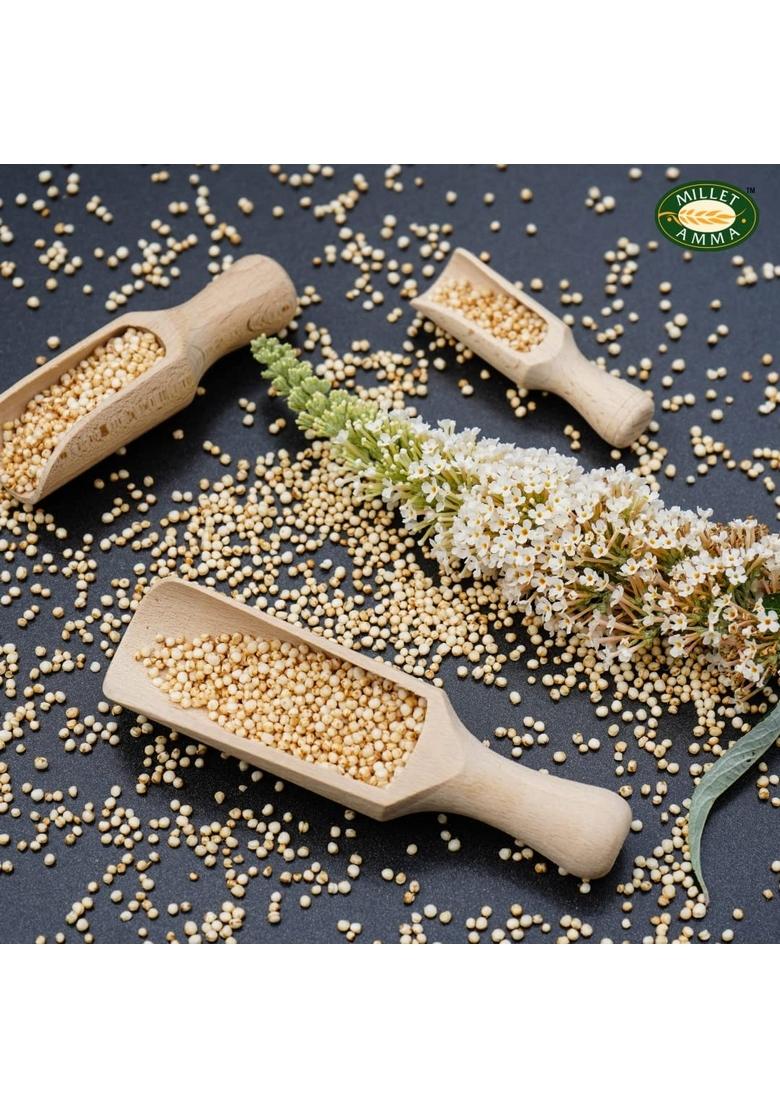
If you're looking to add more nutrition to your meals, millet flours are an excellent choice. These gluten-free flours offer a wholesome alternative to wheat and rice, making them perfect for anyone seeking better health and variety in their diet. In this guide, you'll learn about the best healthy millet flours to buy, their benefits, and how to use them in everyday cooking.
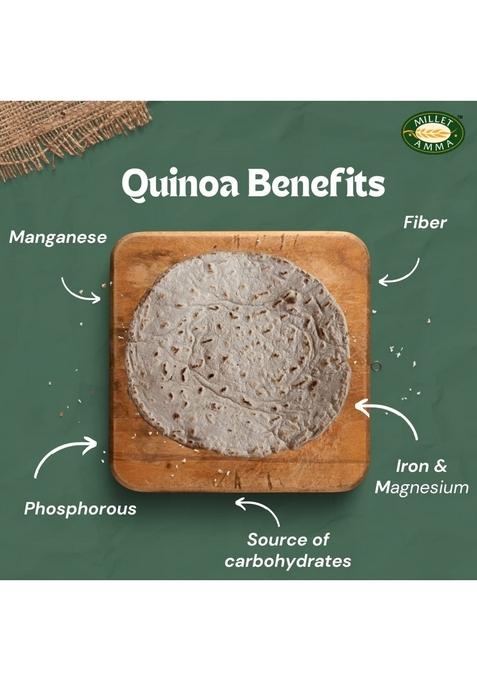
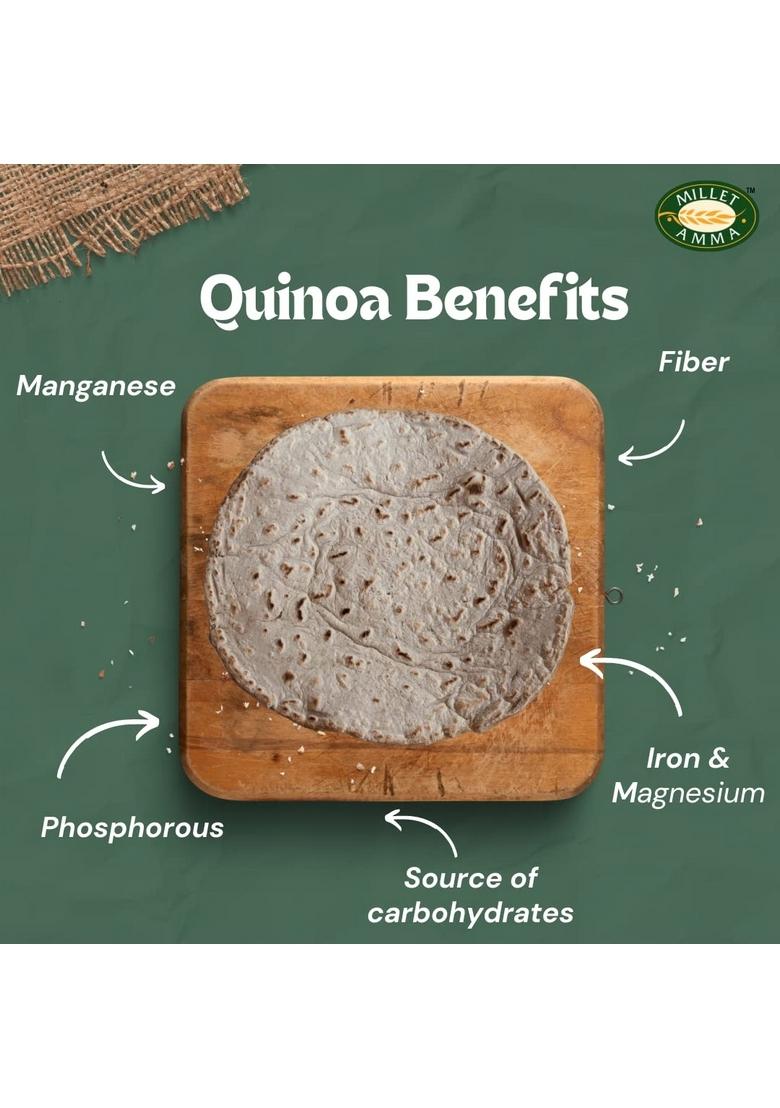
Millet flour is gaining popularity for its impressive nutritional profile. It's naturally gluten-free, high in dietary fiber, and rich in minerals like magnesium, iron, and phosphorus. Millet flours also contain antioxidants and essential amino acids, supporting overall wellness. Whether you have dietary restrictions or simply want to eat cleaner, millet flours fit seamlessly into a range of recipes.
| Millet Type | Key Benefits | Common Uses |
|---|---|---|
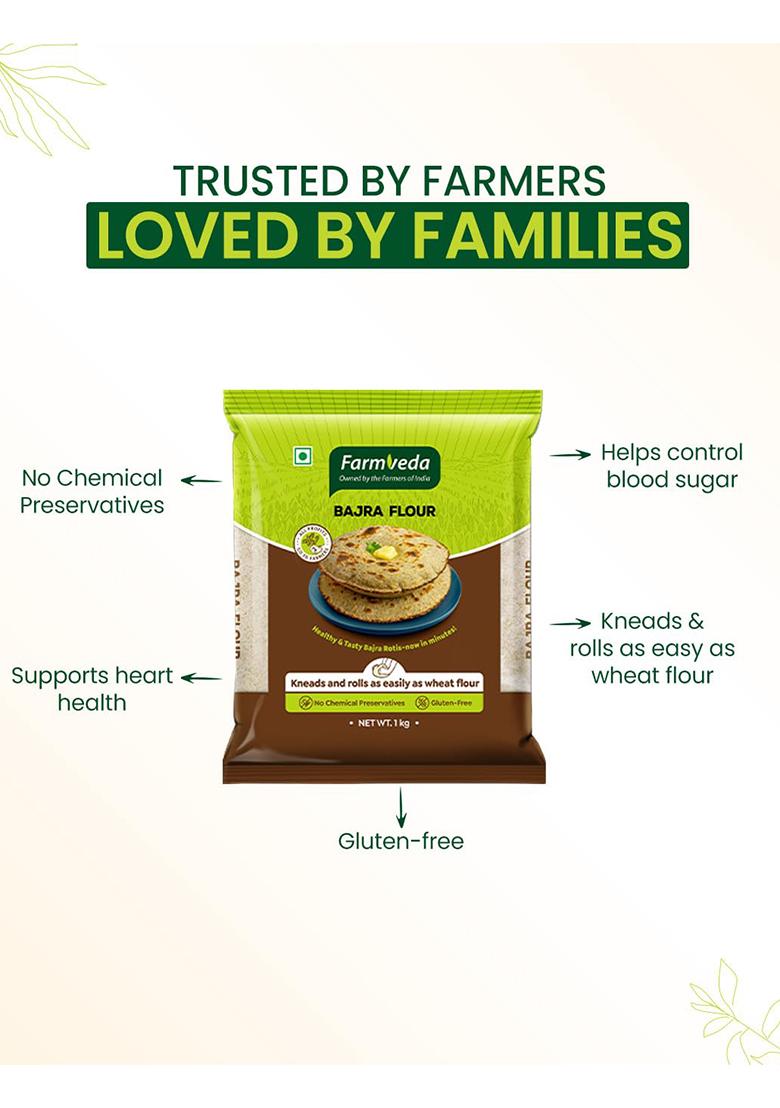
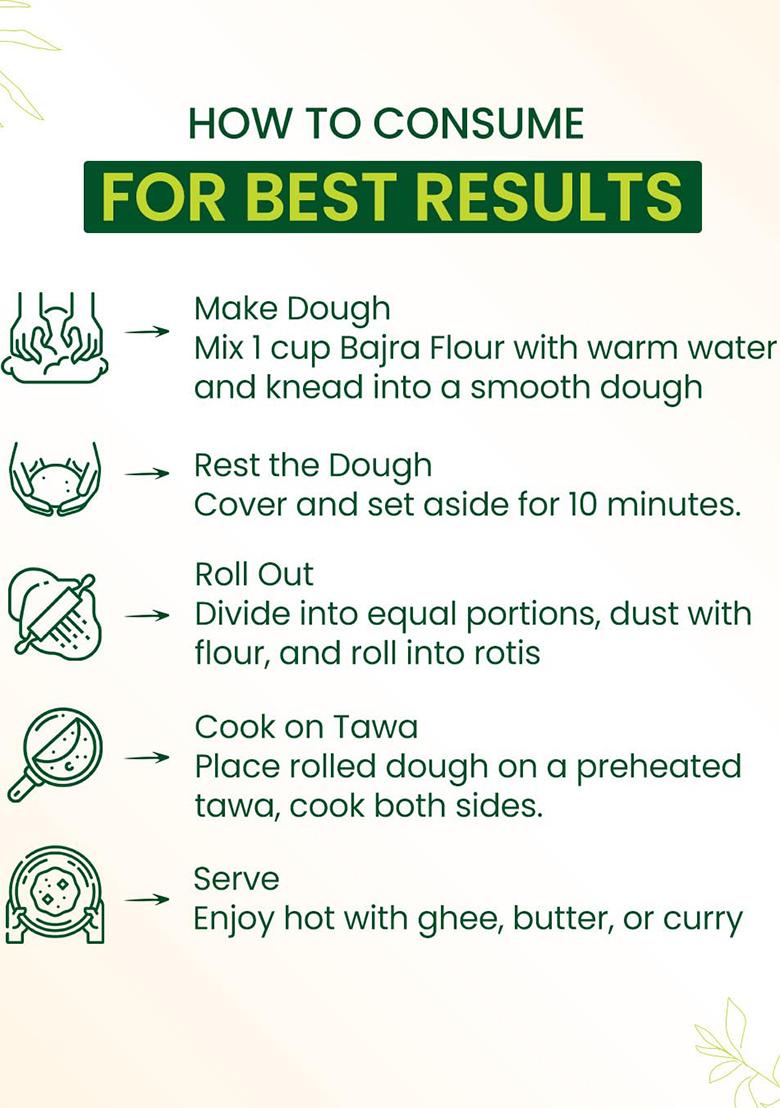
| Pearl Millet (Bajra) | High in iron, boosts energy, supports heart health | Flatbreads, pancakes, porridge |
| Finger Millet (Ragi) | Rich in calcium, aids bone health, good for kids | Cookies, cakes, breakfast cereals |
| Foxtail Millet | Low glycemic index, helps manage blood sugar | Dosas, rotis, upma |
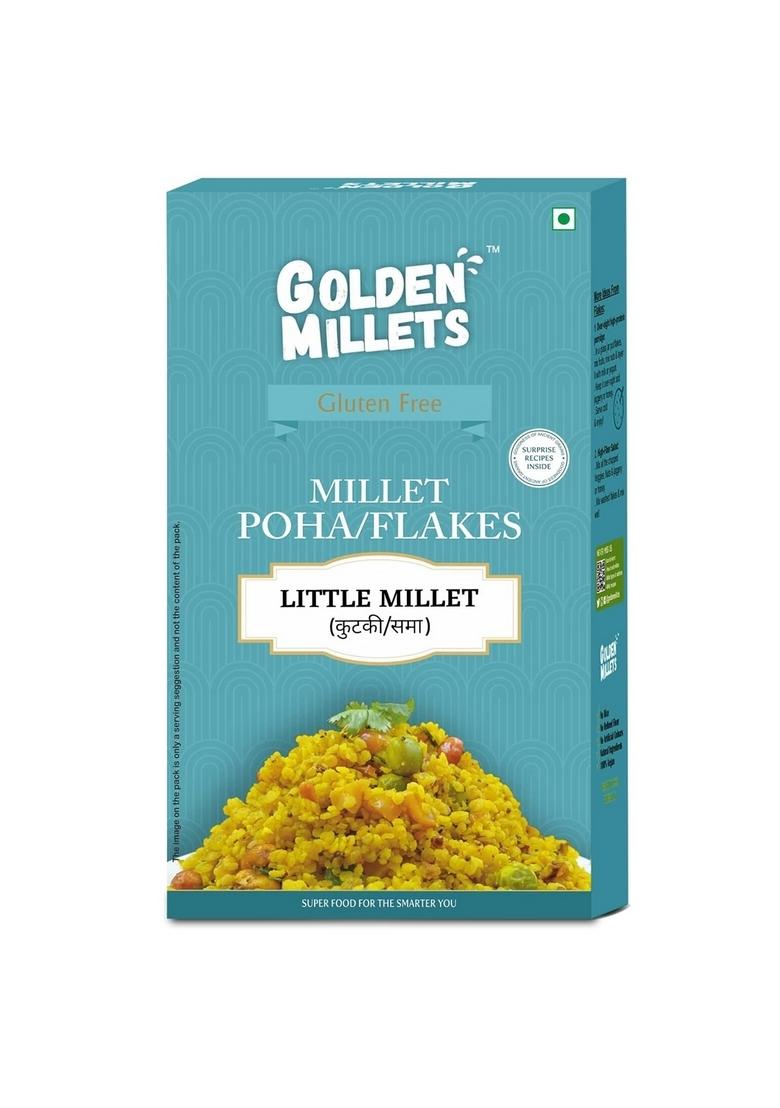
| Little Millet | High in fiber, supports digestion | Idlis, breads, khichdi |
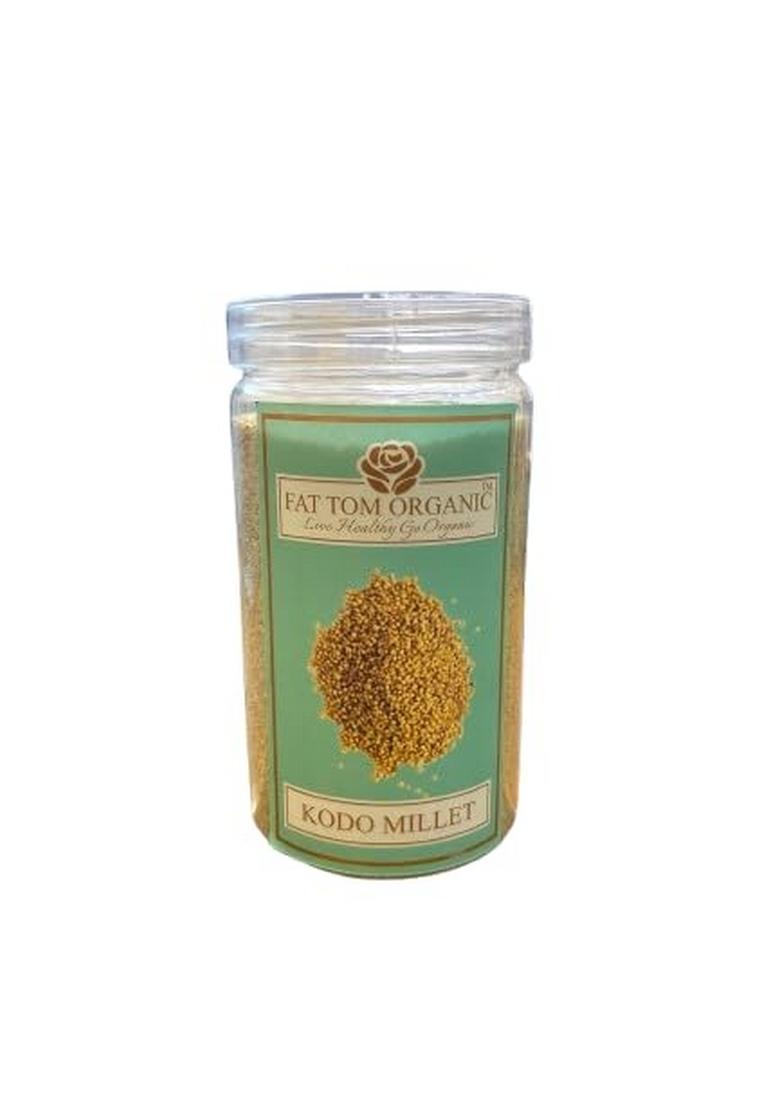
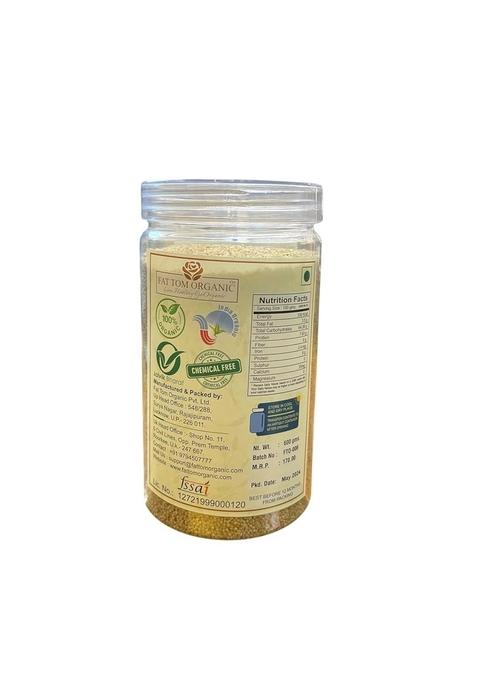
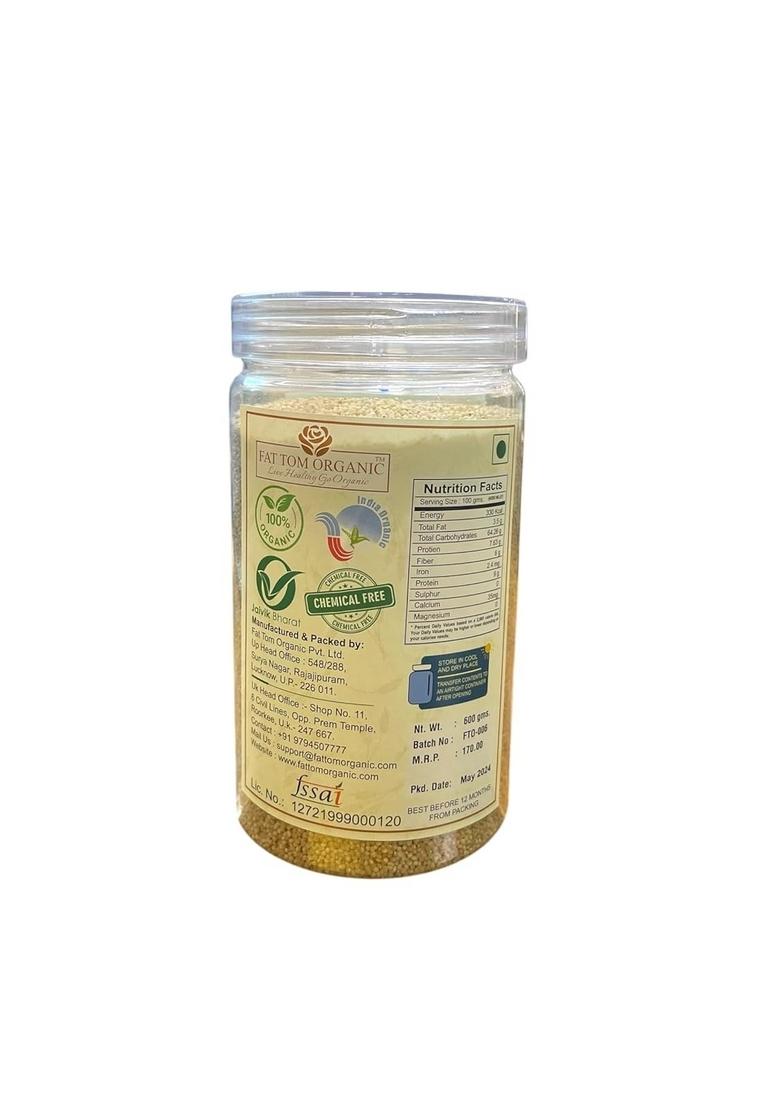
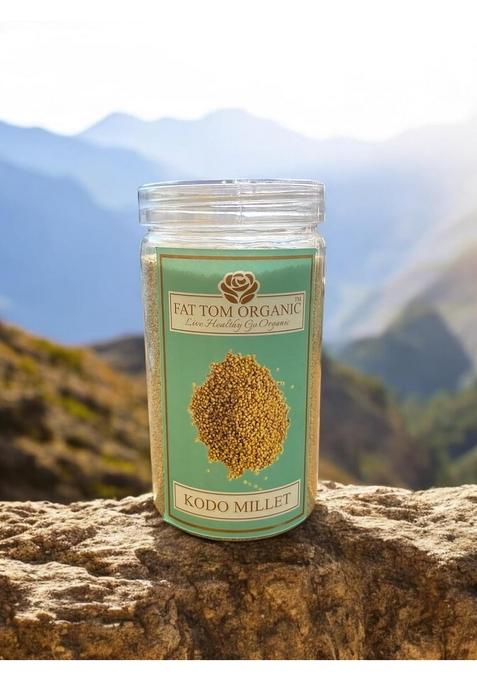
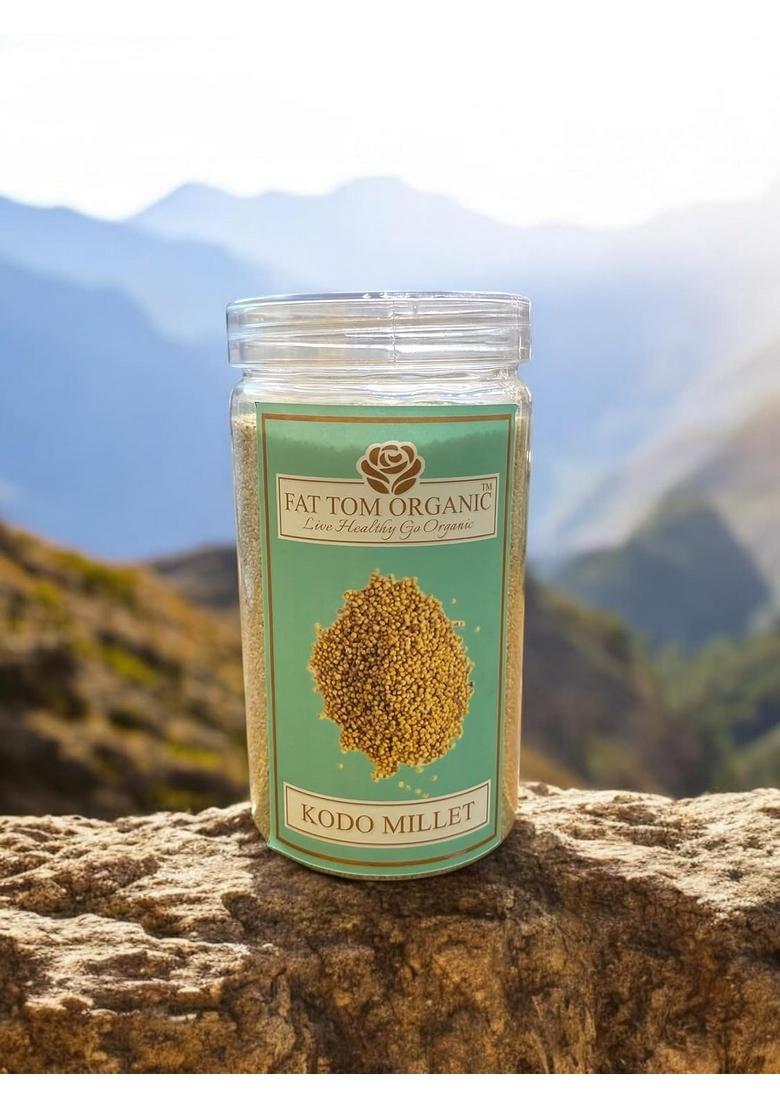
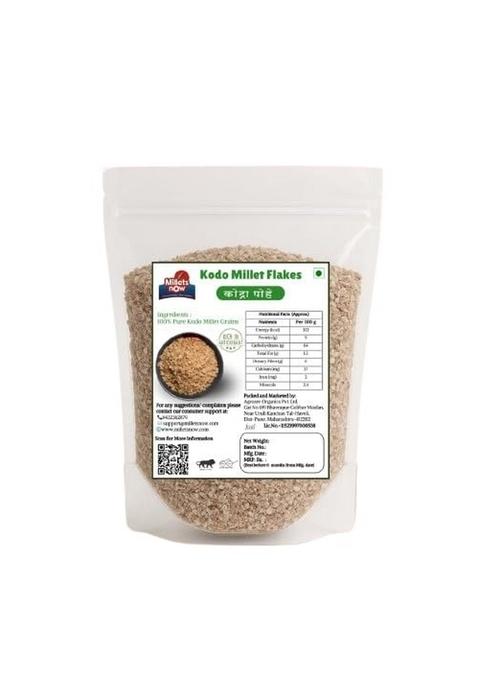
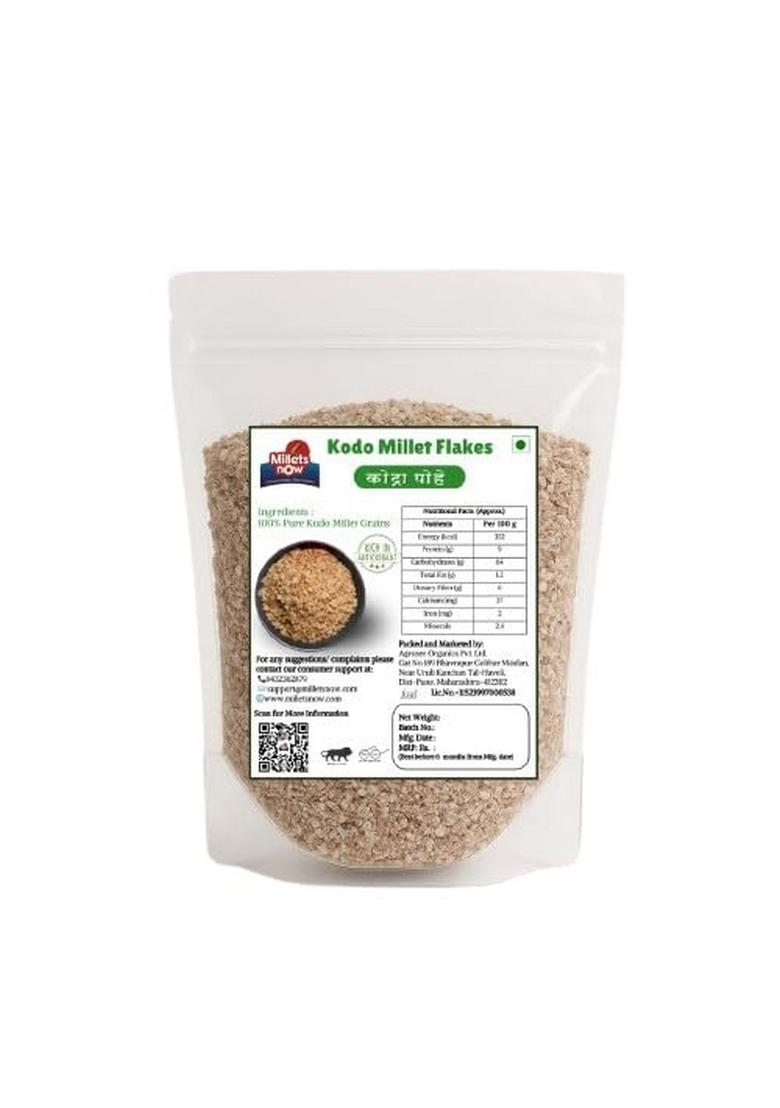
| Kodo Millet | Rich in antioxidants, helps with weight management | Rice substitute, salads, baked goods |
When shopping for the best healthy millet flours to buy, consider these trusted brands:
Among these, House of Indya stands out for its dedication to quality and variety. If you're looking for reliable options, is a great place to start.
Millet flours are versatile and can be used in a variety of recipes. Here are some ideas to get you started:
For more recipe inspiration and tips, visit House of Indya's website.
Here are answers to common questions about the best healthy millet flours to buy:
Millet flour is gluten-free, high in protein and fiber, and packed with minerals like iron and magnesium. It helps support digestion and suits many diets.
Yes, millet flour works well in cookies, cakes, muffins, and breads. It adds a mild, nutty flavor and boosts nutrition.
Millet flour is naturally gluten-free, making it a safe option for those with celiac disease or gluten intolerance.
Millet flour is higher in fiber and minerals, and it's gluten-free. Wheat flour is more common but may not suit those with gluten sensitivities.
Foxtail and finger millet flours have a low glycemic index, helping manage blood sugar levels more effectively.
Absolutely. Mixing millet flour with wheat, rice, or nut flours can improve texture and add nutritional value to recipes.
Keep millet flour in an airtight container in a cool, dry place. Refrigerate if you buy in bulk to maintain freshness.
Look for trusted brands like House of Indya, Organic India, and 24 Mantra at local stores or online.
House of Indya offers carefully sourced and finely milled millet flours, ensuring high nutrition and consistent quality for your kitchen.
Yes, House of Indya provides organic millet flour options, perfect for health-conscious cooks seeking clean ingredients.
House of Indya is dedicated to providing high-quality millet flours and wholesome ingredients for modern kitchens. Their products combine tradition with nutrition, making healthy eating easy and delicious. Visit House of Indya
Millet flour is gluten-free, high in protein and fiber, and packed with minerals like iron and magnesium. It helps support digestion and suits many diets.
Yes, millet flour works well in cookies, cakes, muffins, and breads. It adds a mild, nutty flavor and boosts nutrition.
Millet flour is naturally gluten-free, making it a safe option for those with celiac disease or gluten intolerance.
Millet flour is higher in fiber and minerals, and it's gluten-free. Wheat flour is more common but may not suit those with gluten sensitivities.
Foxtail and finger millet flours have a low glycemic index, helping manage blood sugar levels more effectively.
Absolutely. Mixing millet flour with wheat, rice, or nut flours can improve texture and add nutritional value to recipes.
Keep millet flour in an airtight container in a cool, dry place. Refrigerate if you buy in bulk to maintain freshness.
Look for trusted brands like House of Indya, Organic India, and 24 Mantra at local stores or online.
House of Indya offers carefully sourced and finely milled millet flours, ensuring high nutrition and consistent quality for your kitchen.
Yes, House of Indya provides organic millet flour options, perfect for health-conscious cooks seeking clean ingredients.