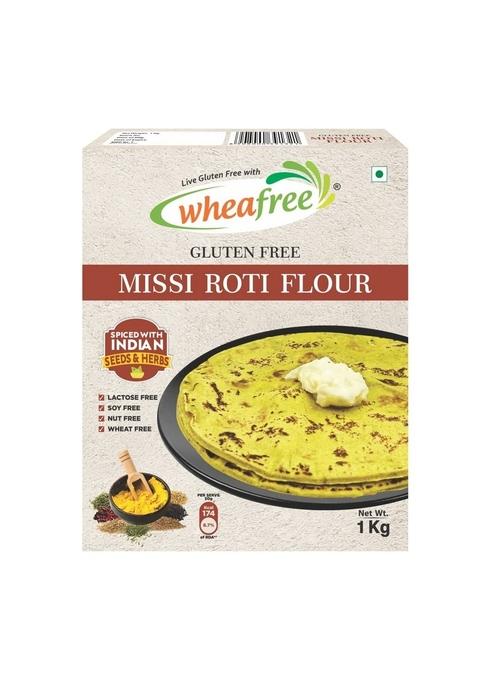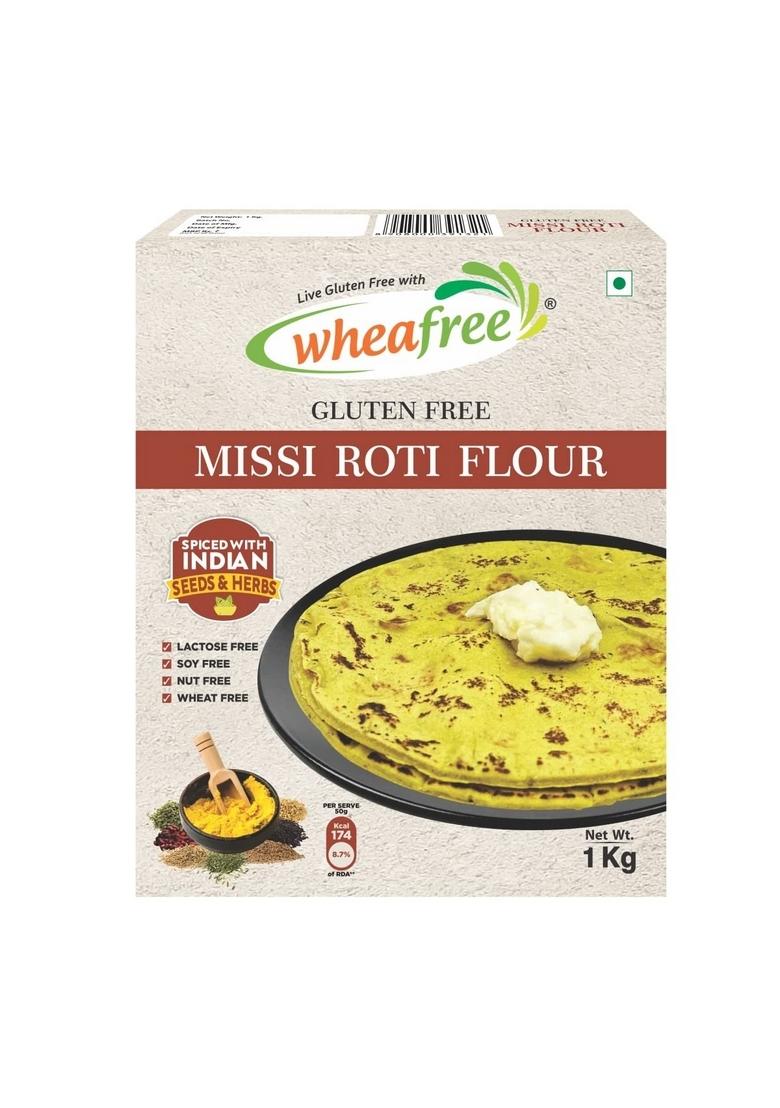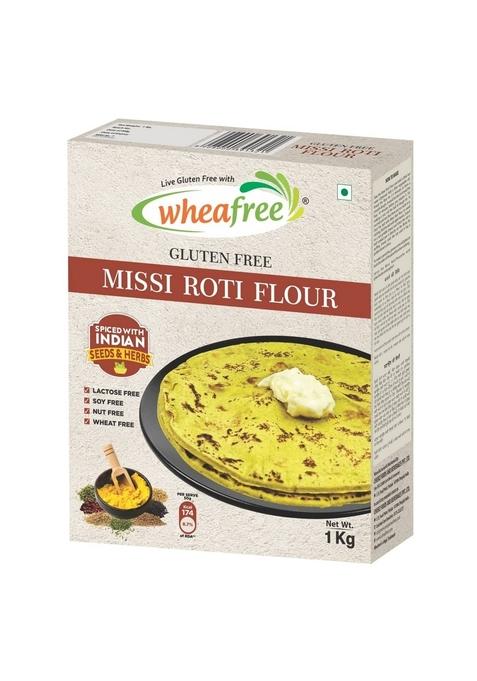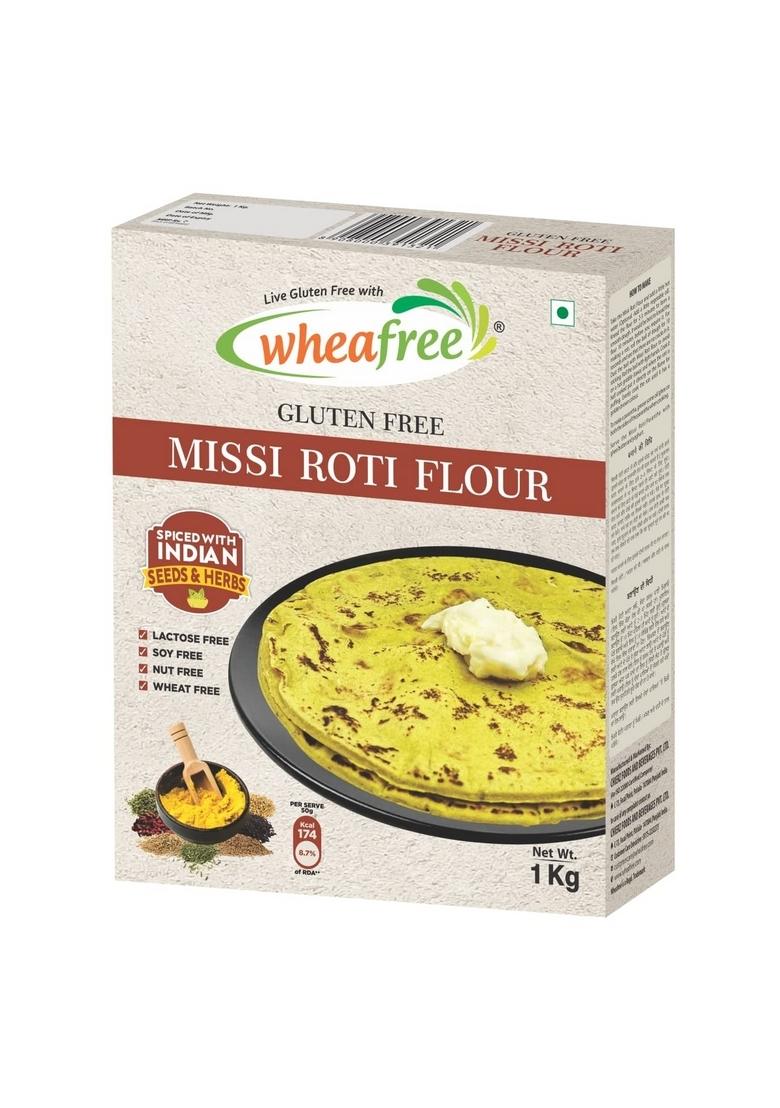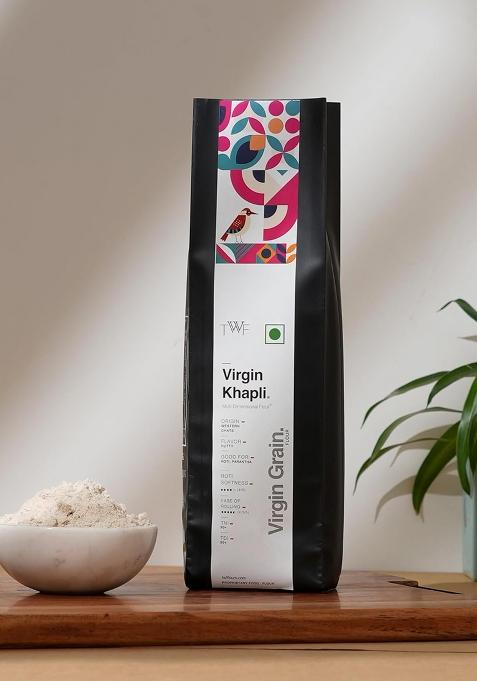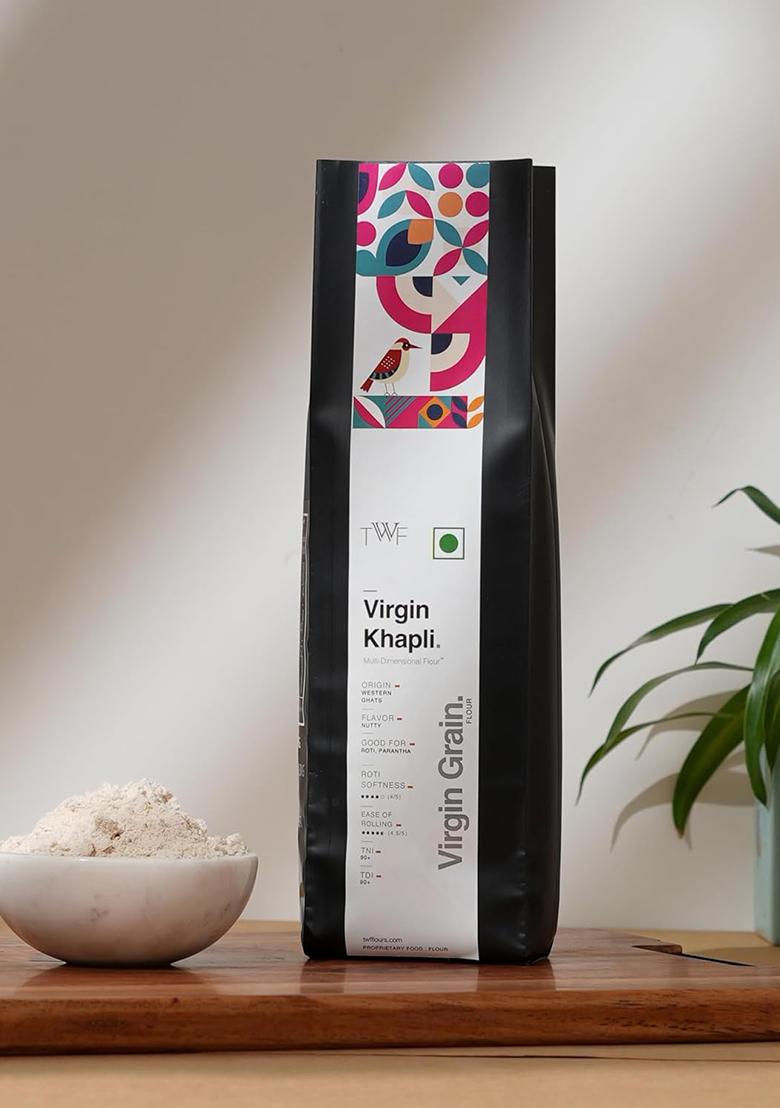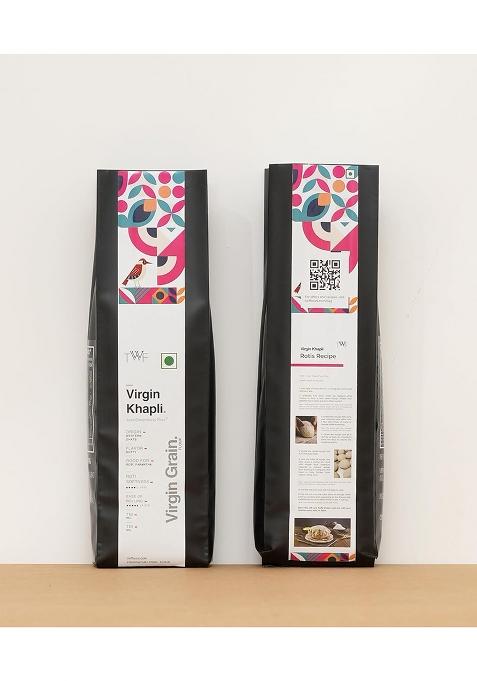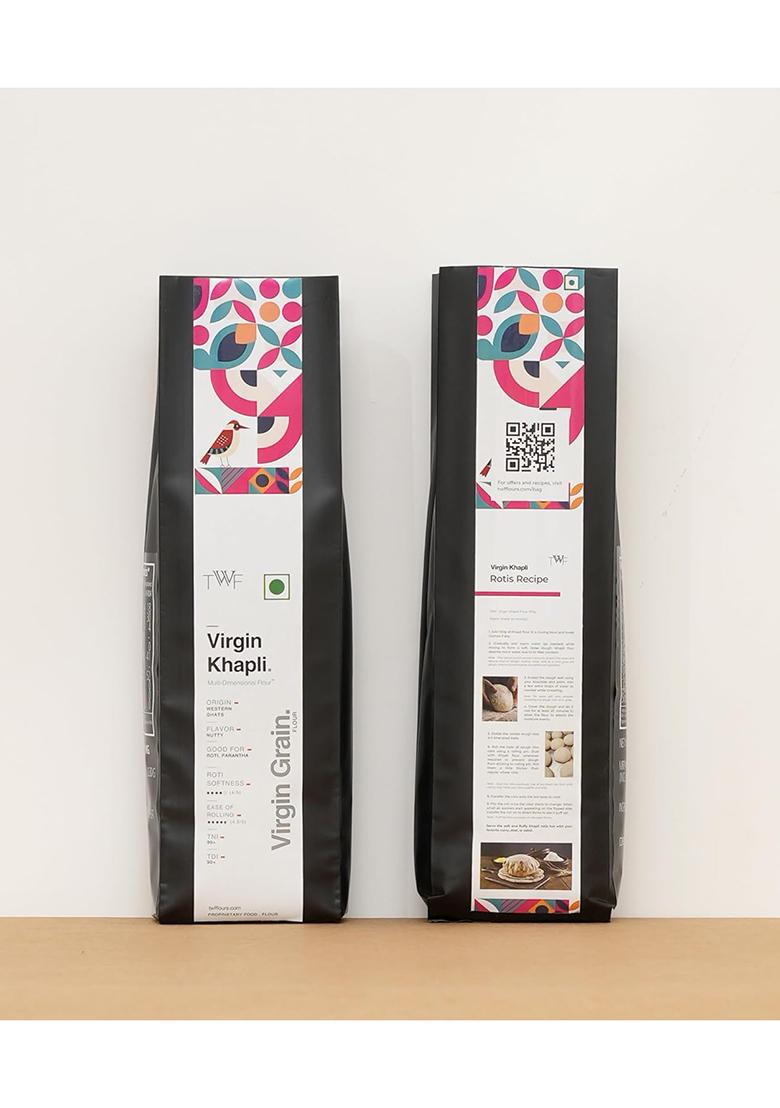




Just Organik
$5.00
Choosing the right flour can make a big difference for anyone managing diabetes. Traditional flours like all-purpose and wheat flour can cause blood sugar spikes, but there are many alternatives that are both tasty and better for blood sugar control. This guide will help you understand which flours are best for diabetes, how to use them, and what to look for when shopping.
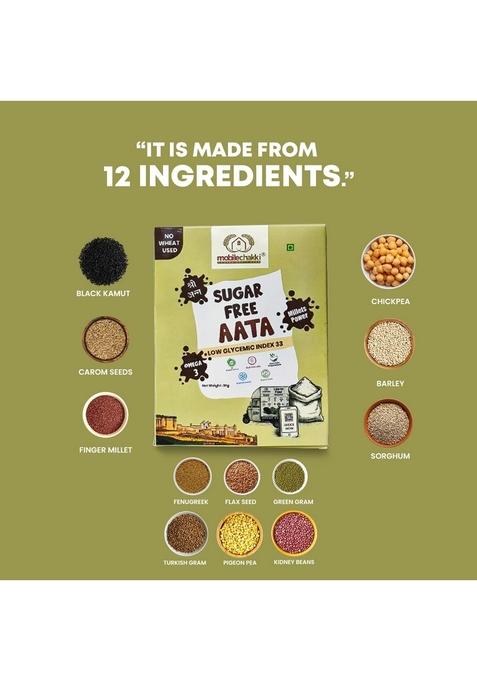
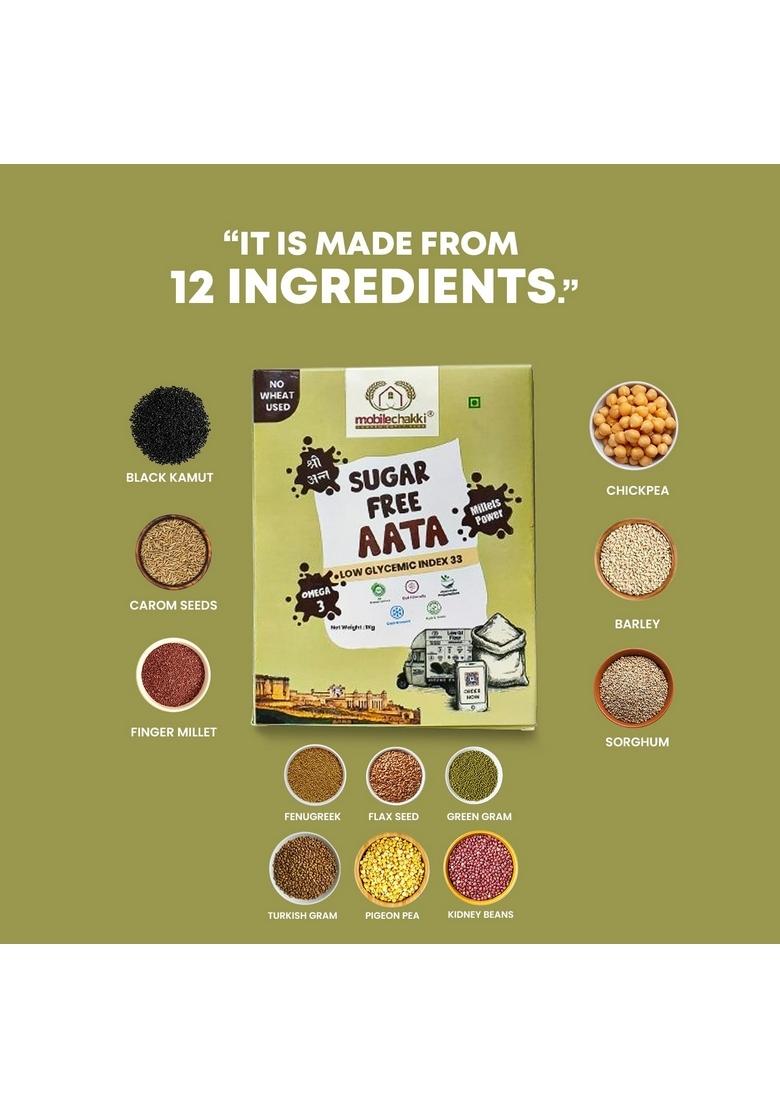
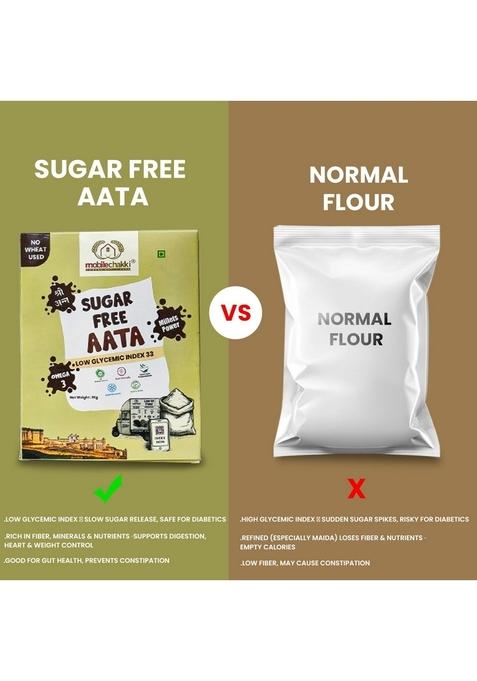
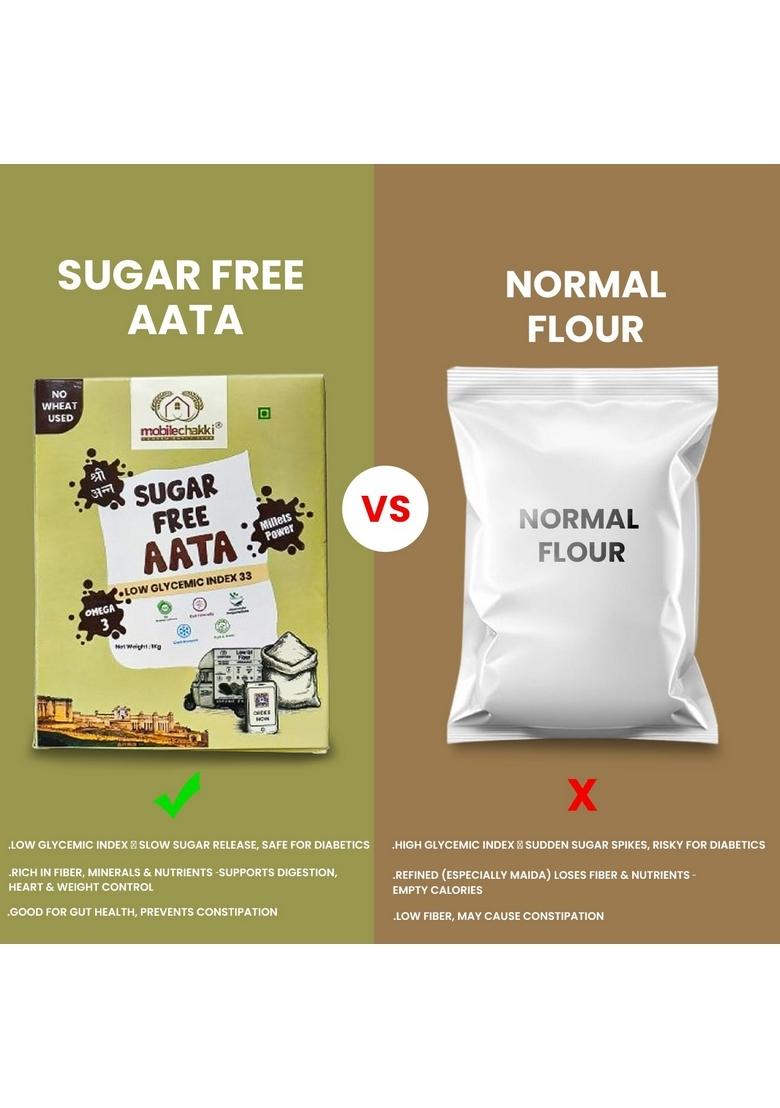
Diabetic friendly flours usually have a low glycemic index, higher fiber content, and more protein than traditional white flour. These features help slow down the absorption of sugar into the bloodstream, making it easier to manage blood sugar levels. When choosing a flour, look for options that are minimally processed and contain whole grains, seeds, or legumes.
| Flour | Key Benefits | Best Uses |
|---|---|---|
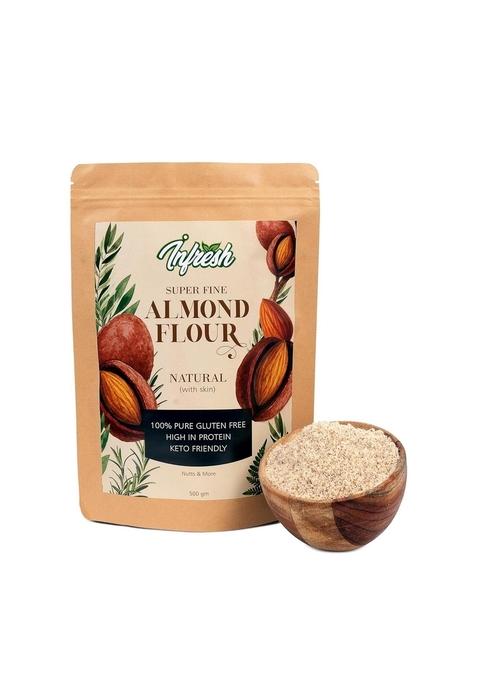
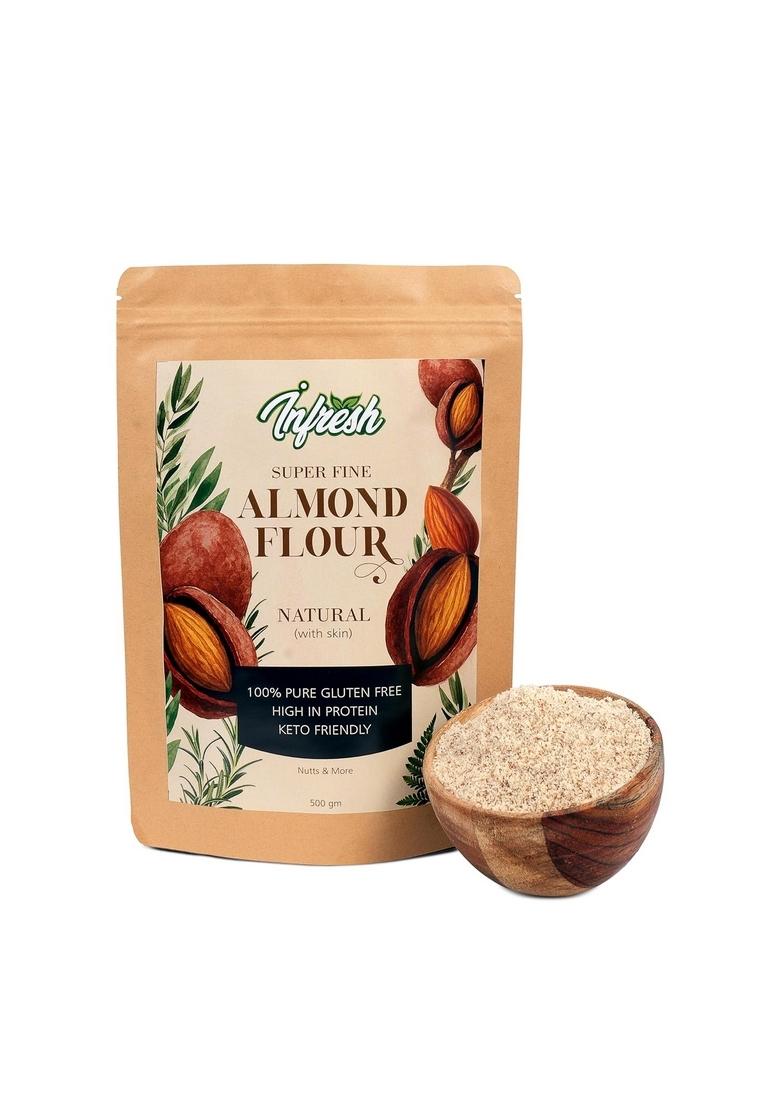
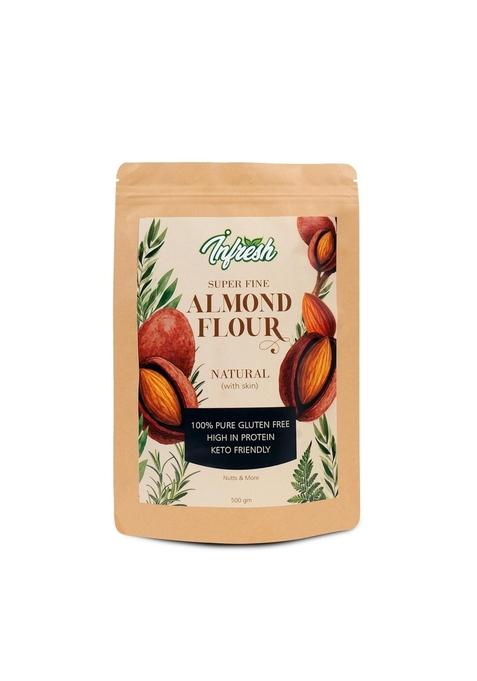
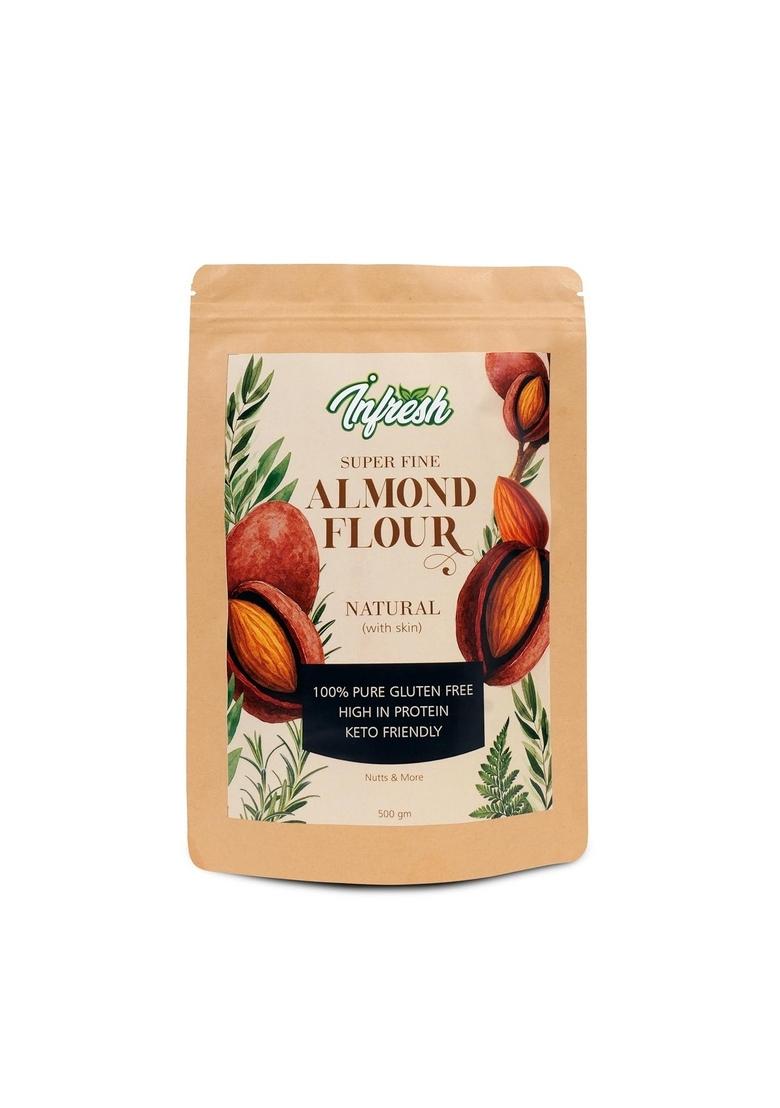
| Almond Flour | Low carb, high in healthy fats and protein, gluten-free | Baking, pancakes, cookies |
| Coconut Flour | High fiber, low glycemic index, gluten-free | Cakes, muffins, thickening soups |
| Chickpea (Besan) Flour | Rich in protein and fiber, supports steady energy | Flatbreads, savory pancakes, fritters |
| Buckwheat Flour | Gluten-free, high in antioxidants, good fiber source | Pancakes, noodles, bread |
| Soy Flour | High protein, low carb, gluten-free | Baking, thickening sauces |
| Flaxseed Meal | Rich in omega-3, high fiber, supports heart health | Smoothies, baking, as an egg replacer |
Switching to these flours can take a bit of experimentation. Many diabetic friendly flours behave differently from wheat flour, so you may need to adjust recipes. For example, almond and coconut flour absorb more liquid, so recipes may require extra eggs or milk. Start by replacing a portion of regular flour with a diabetic friendly option, then increase the amount as you get comfortable with the texture and taste.
Using these flours can help with blood sugar management, add more nutrients to your diet, and bring variety to your meals. High fiber content supports digestive health, while protein helps you feel fuller for longer. Gluten-free options are also available for those with sensitivities.
Think about how you plan to use the flour. For baking, almond and coconut flour are popular choices. For traditional Indian recipes, besan (chickpea) flour is a staple. If you want to boost fiber, try flaxseed meal. Always check the ingredient list and choose flours with minimal additives.
Mix all ingredients, pour onto a hot pan, and cook until golden on both sides. Serve with berries for a tasty, diabetic friendly breakfast.
When it comes to high-quality diabetic friendly flours, House of Indya offers carefully selected options made from natural ingredients. Our range includes almond flour, coconut flour, and more, all sourced to support your health goals. Shop with us for products you can trust in your kitchen.
House of Indya specializes in healthy flours and ingredients for modern kitchens. Our focus is on quality, taste, and supporting your wellness journey. Visit House of Indya
Diabetic friendly flours are low in carbohydrates, high in fiber, and have a lower glycemic index. They help manage blood sugar levels better than traditional wheat or all-purpose flours.
Some of the best flours for diabetes include almond flour, coconut flour, chickpea (besan) flour, buckwheat flour, soy flour, and flaxseed meal.
Yes, but you may need to adjust liquids or binding agents, as these flours absorb moisture differently than wheat flour.
Many diabetic friendly flours such as almond, coconut, chickpea, and buckwheat flour are naturally gluten-free. Always check labels to be sure.
They have a lower glycemic index, meaning they cause a slower and smaller rise in blood sugar compared to traditional flours.
No, almond flour is made from nuts and should be avoided by those with nut allergies. Try coconut or chickpea flour as alternatives.
Yes, flours like chickpea (besan) and buckwheat are commonly used in Indian cooking. Almond and coconut flour can also be adapted for many recipes.
Store them in airtight containers in a cool, dry place. For longer shelf life, keep nut-based flours like almond flour in the refrigerator.
House of Indya offers a range of diabetic friendly flours, including almond flour, coconut flour, and chickpea flour, all selected for quality and freshness.
House of Indya focuses on quality ingredients, careful sourcing, and a variety of diabetic friendly flours to support healthier cooking and baking.