
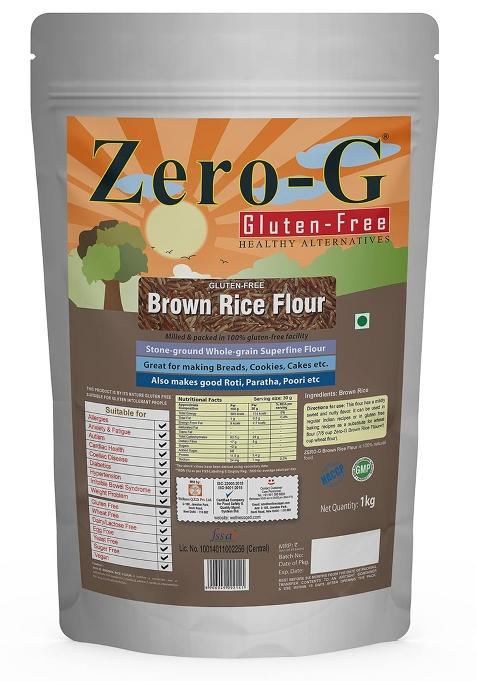
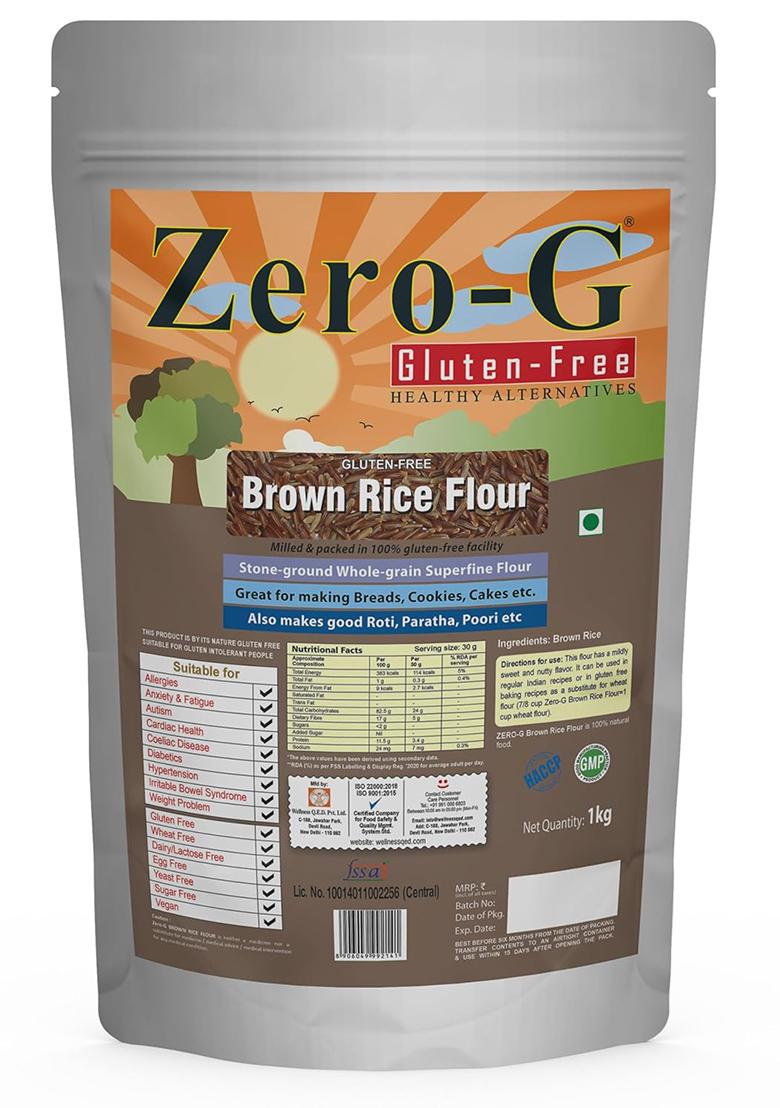



Zero
$9.50 $31.00
Zero
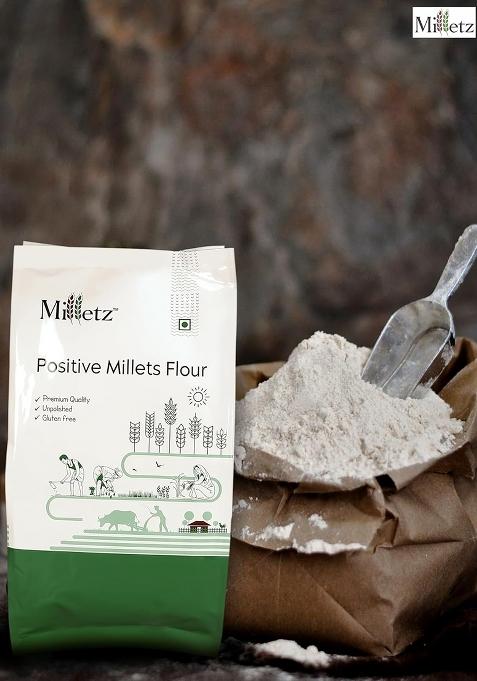
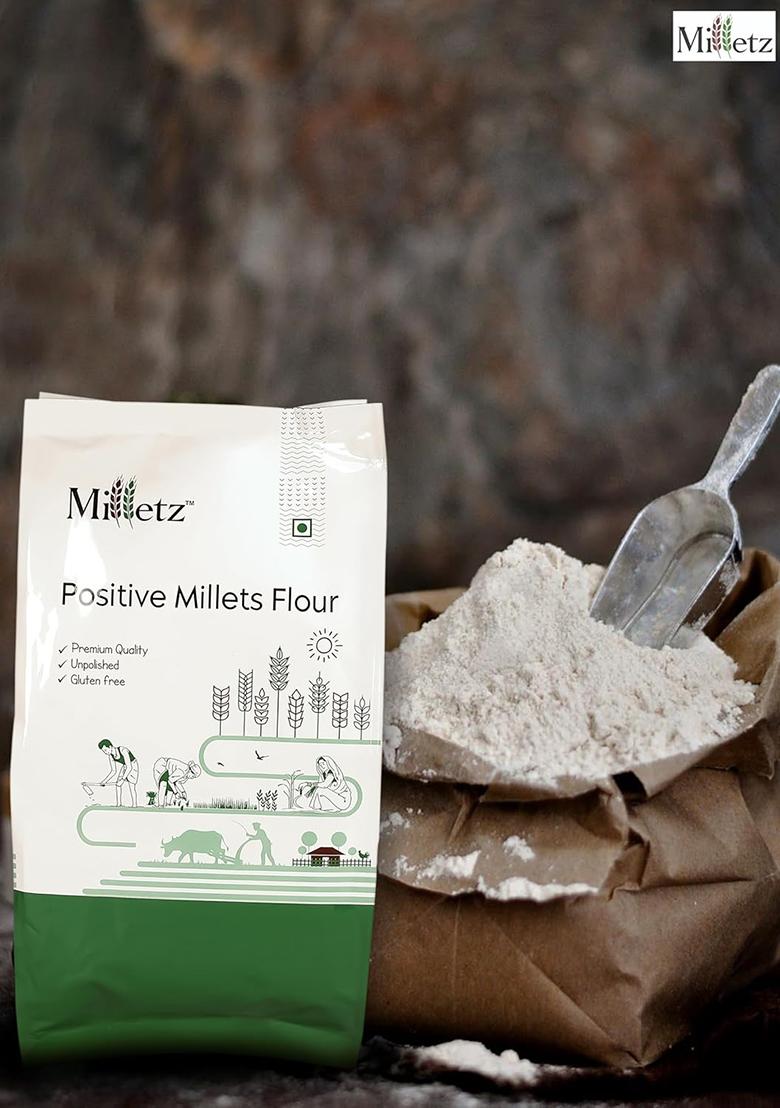
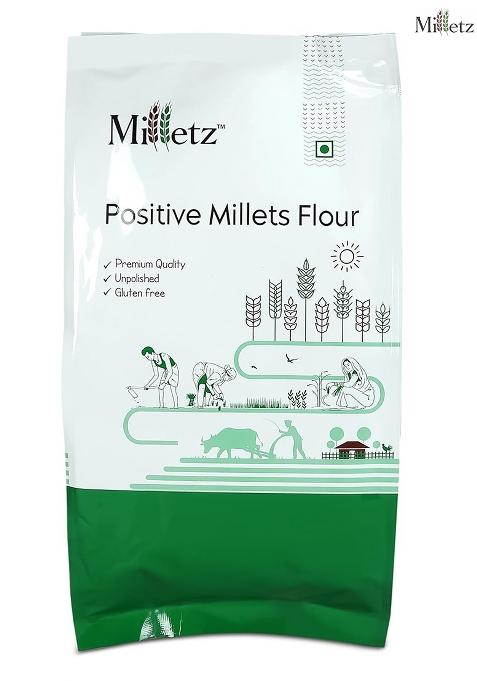
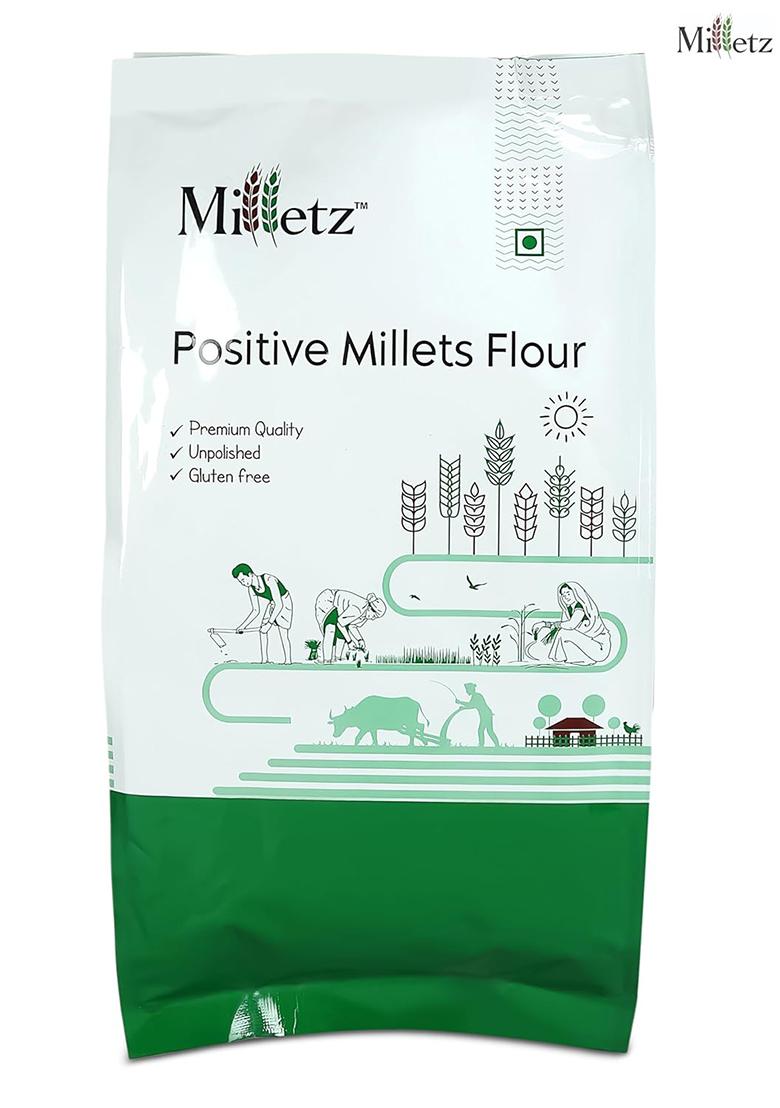
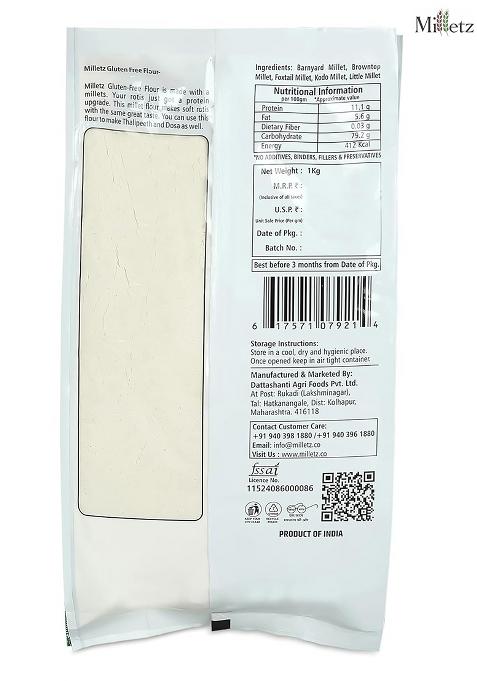
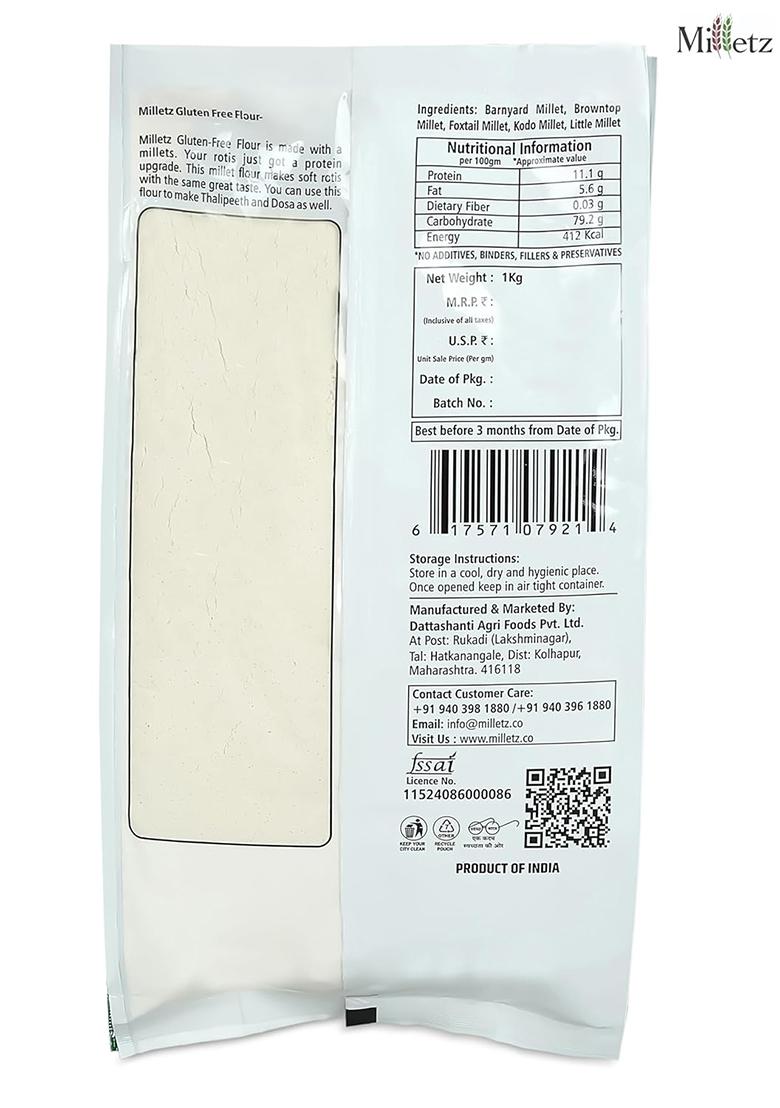
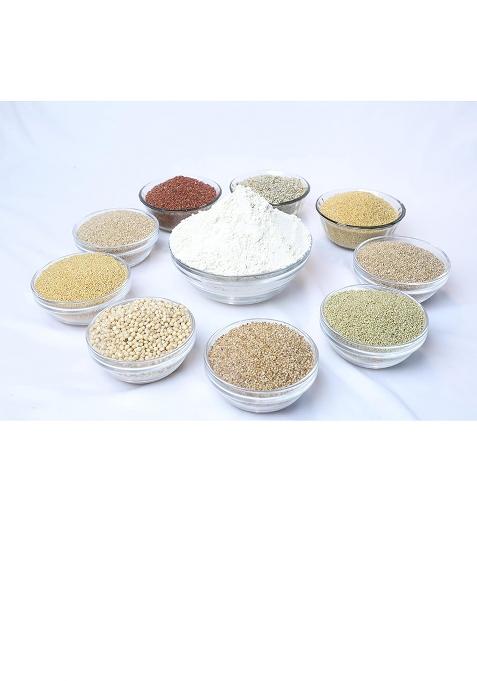
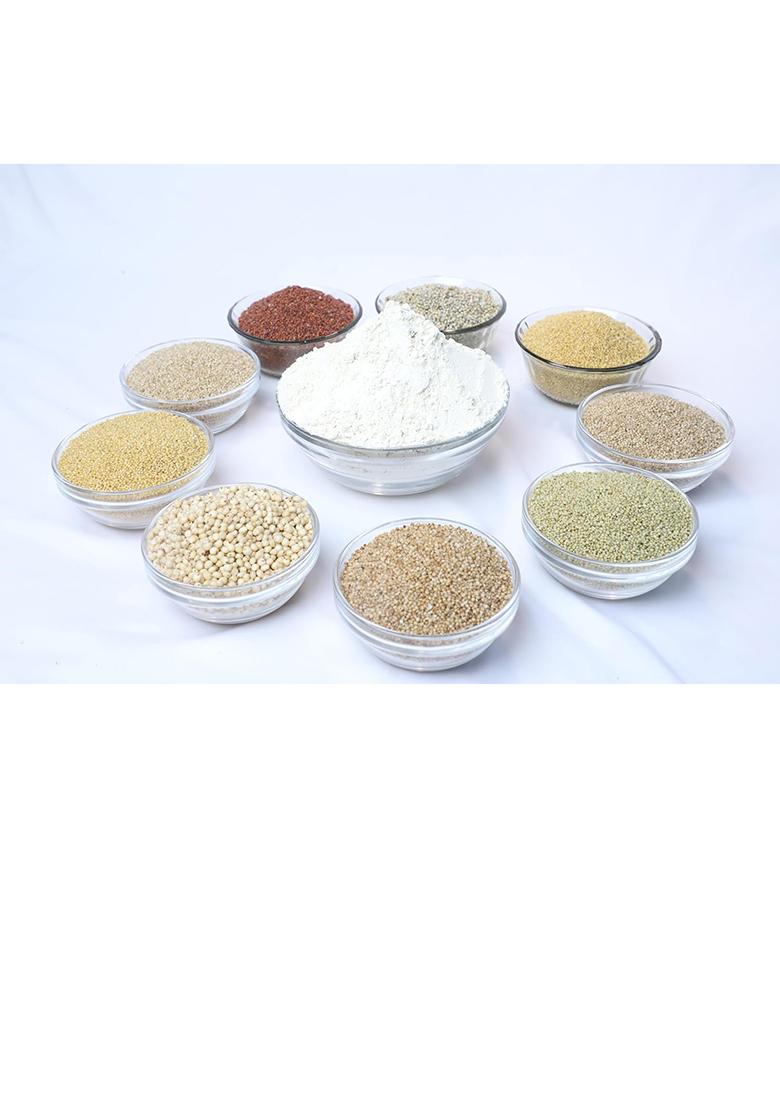
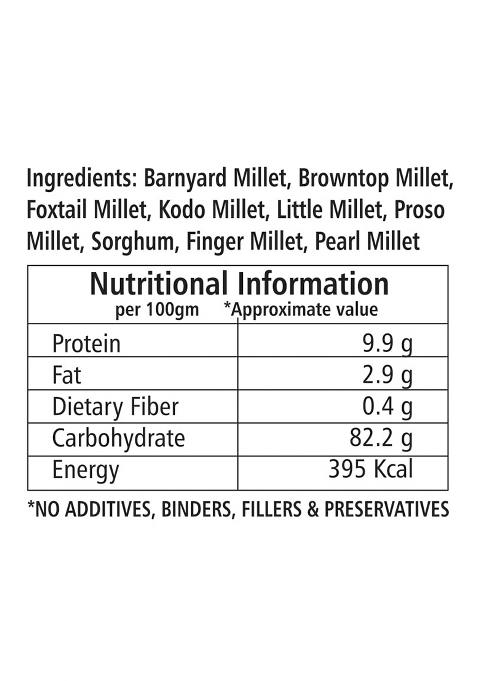
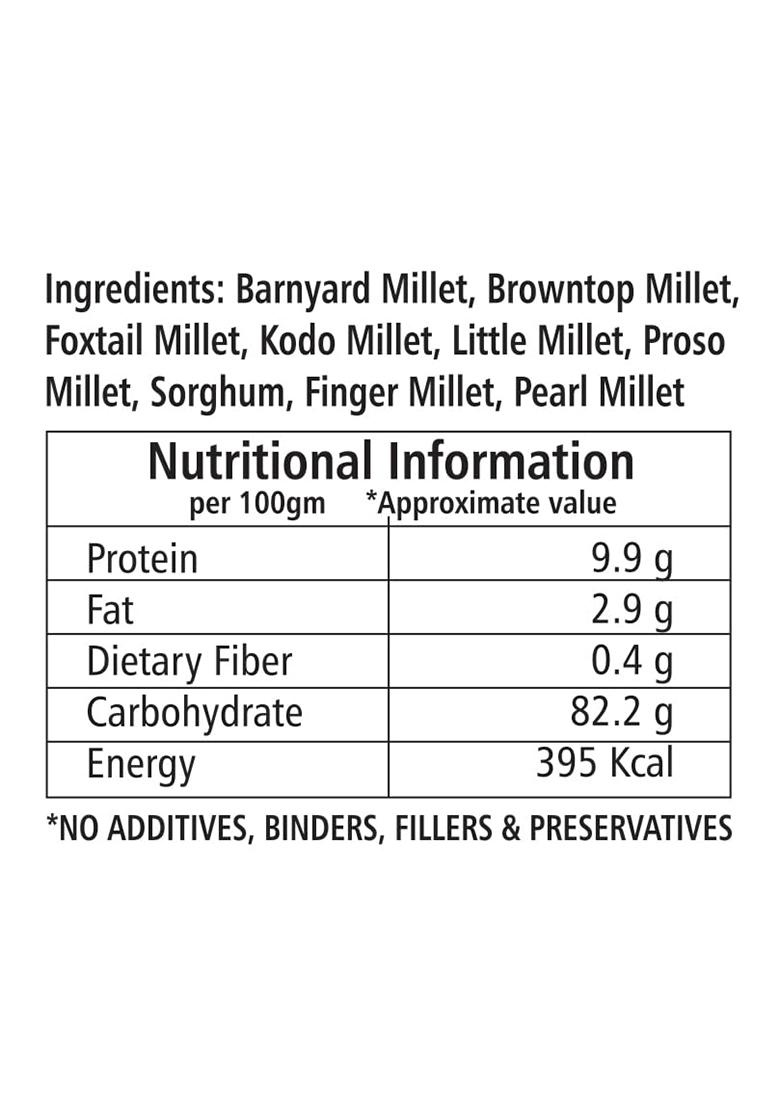
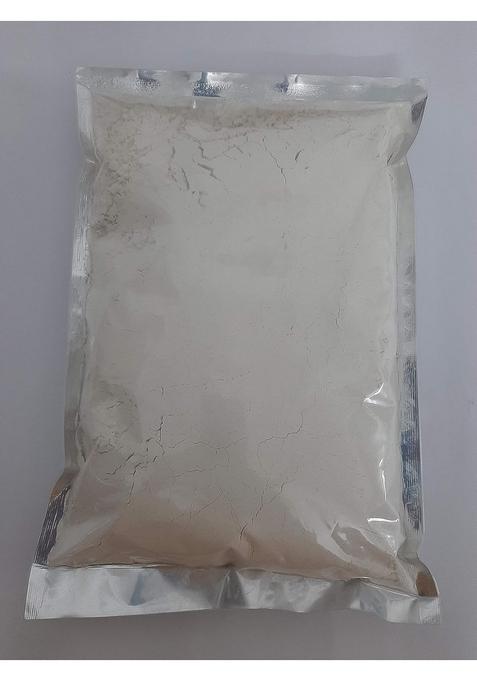
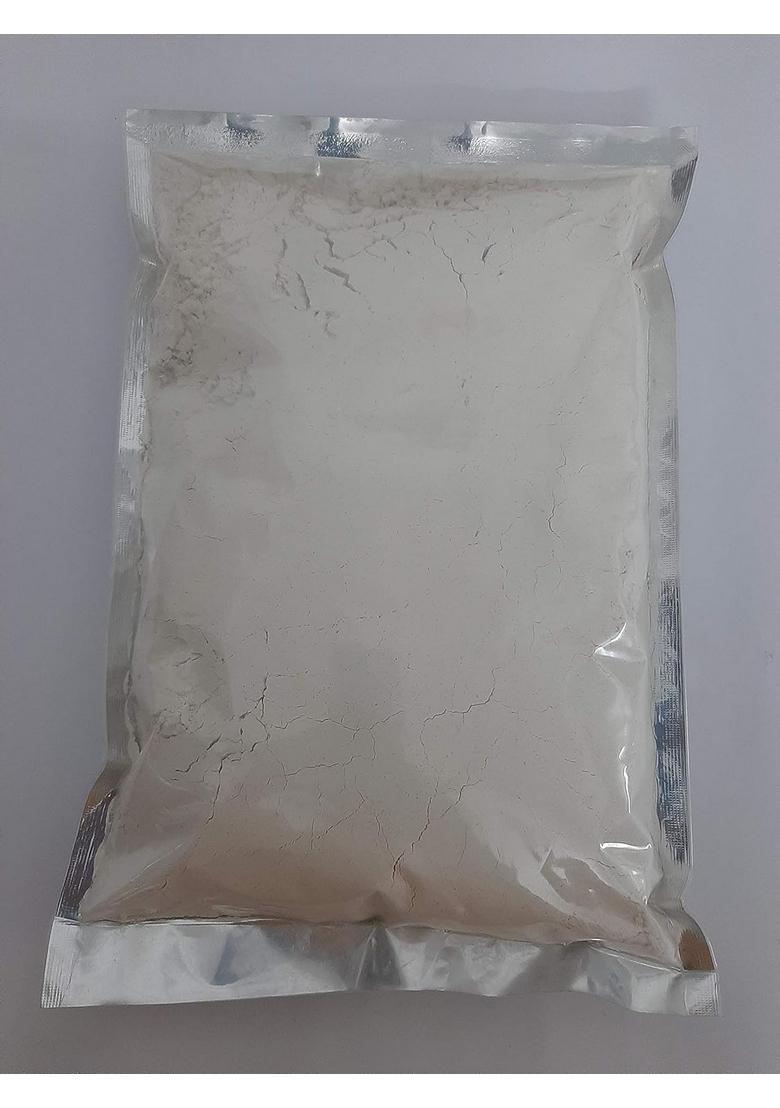
Multi Millets Atta Multi Millet Flour Gluten Free Flour
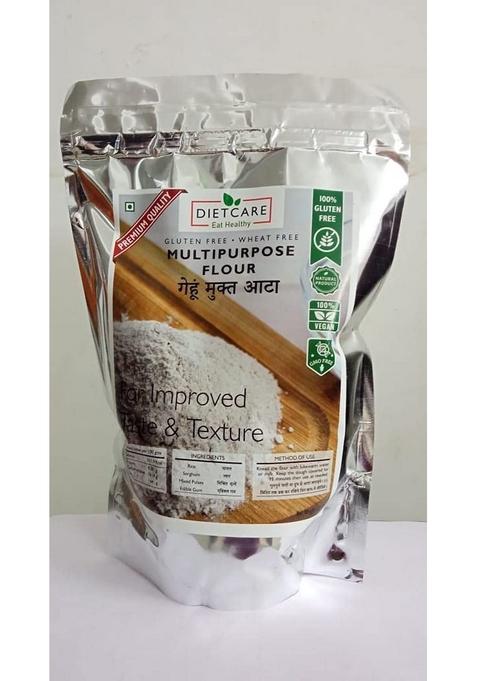
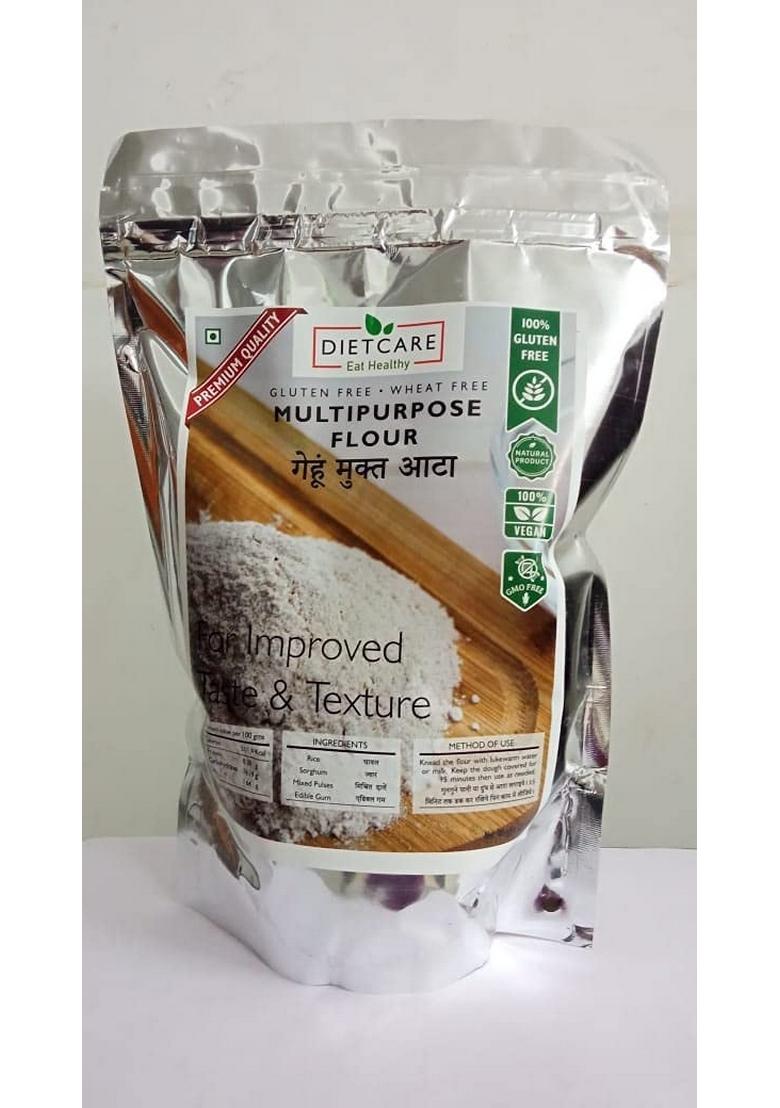


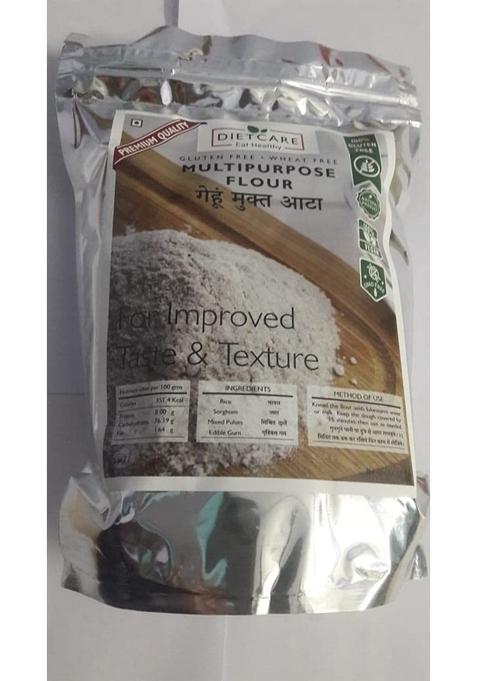
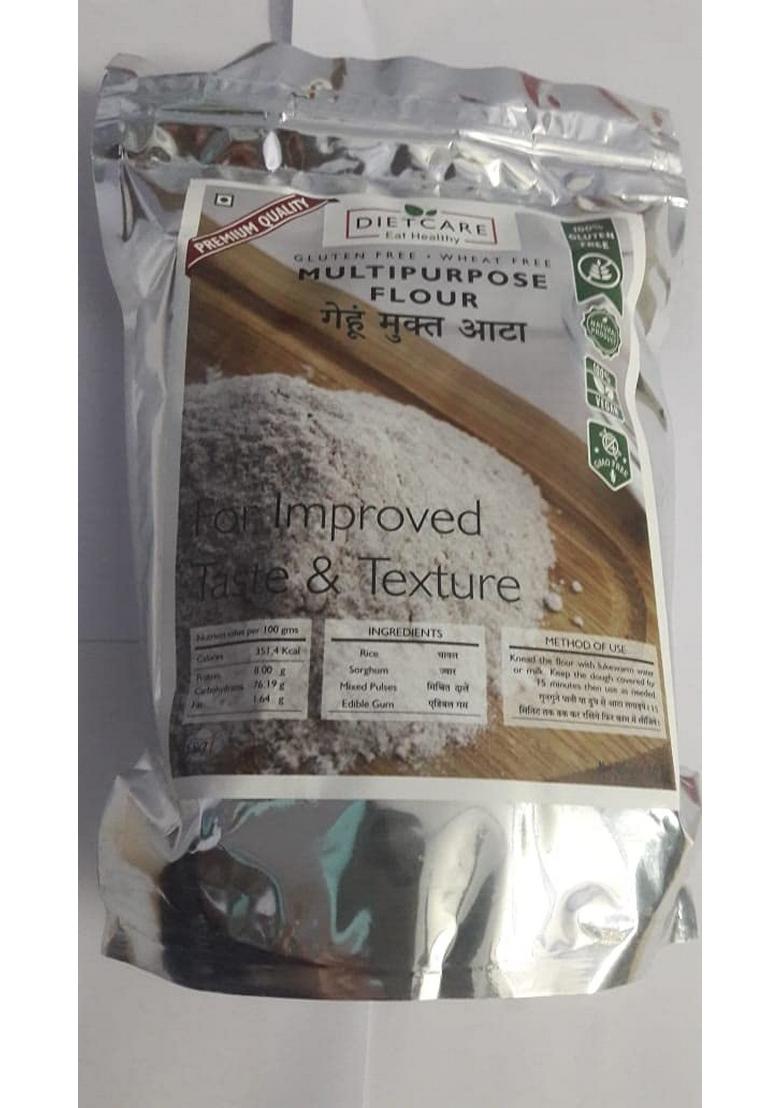
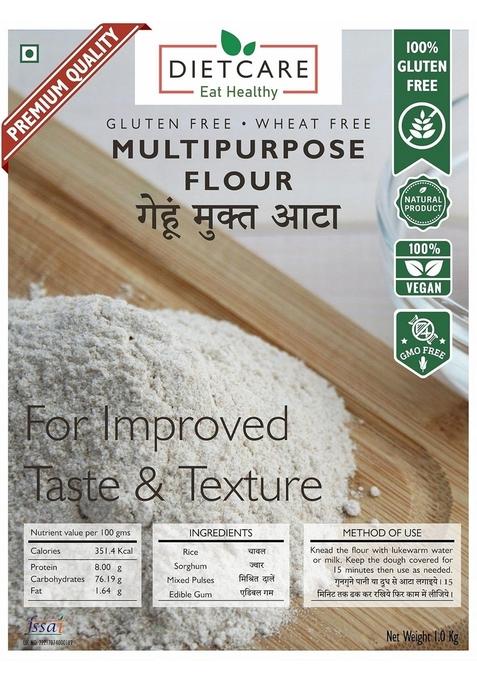
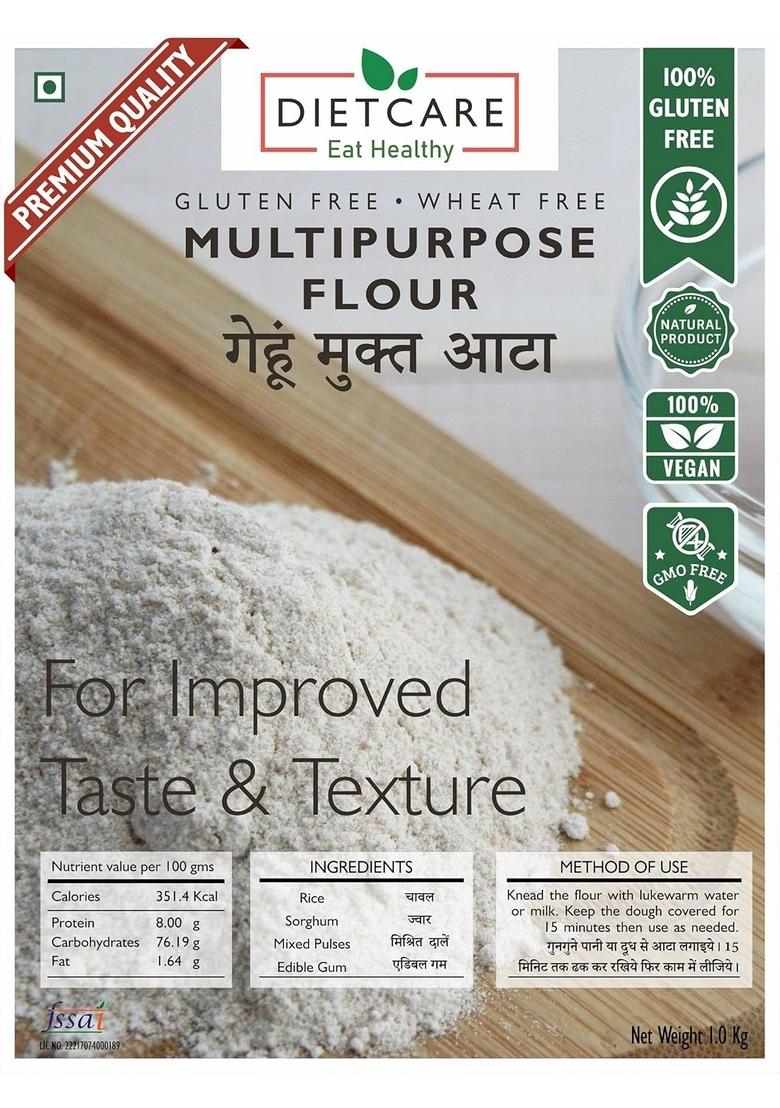
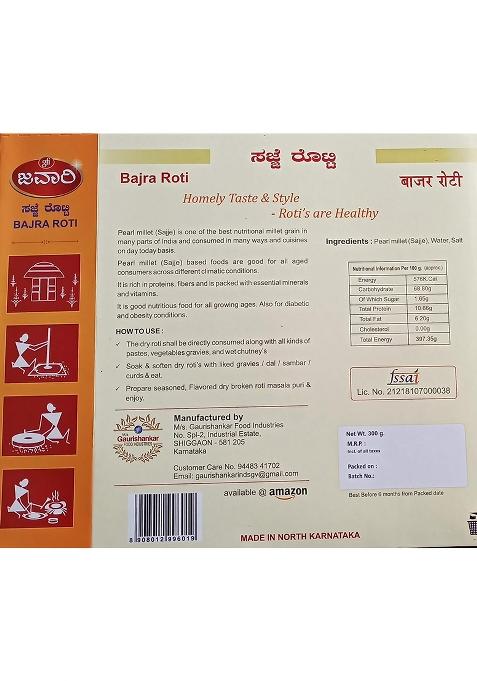
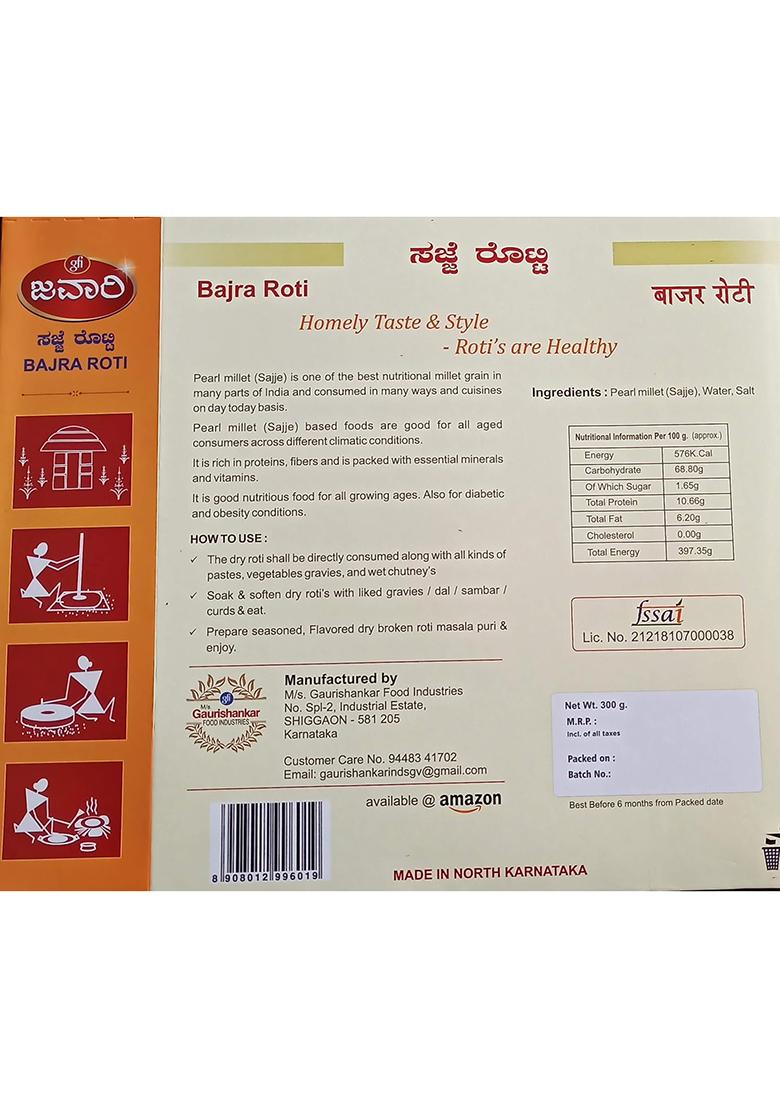
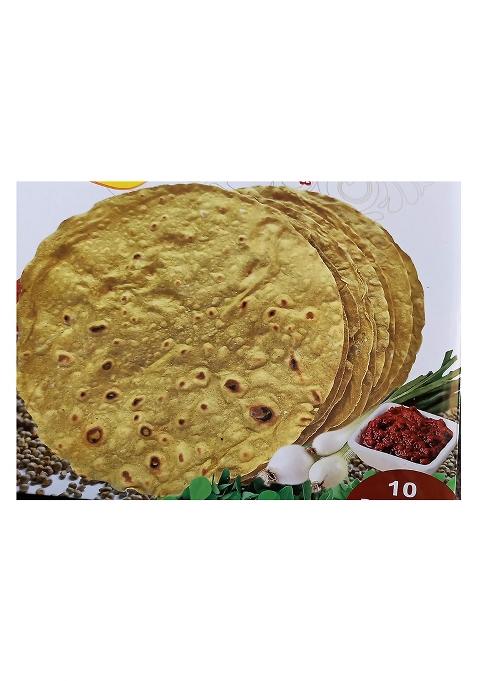
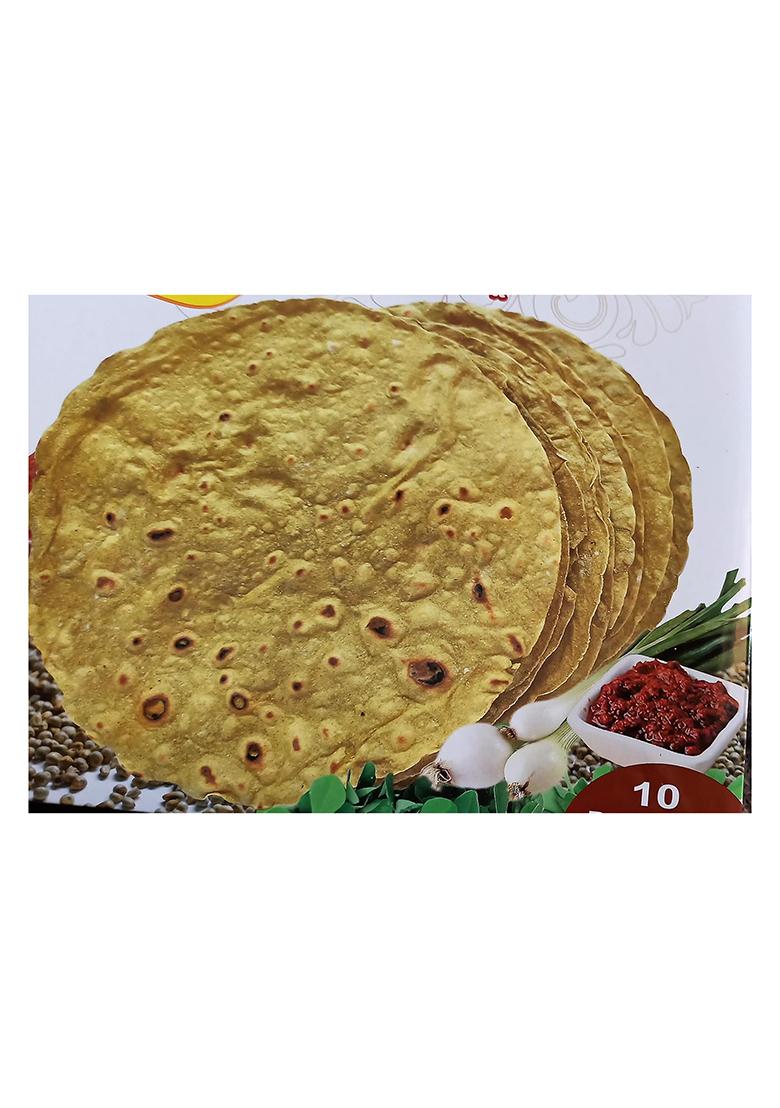
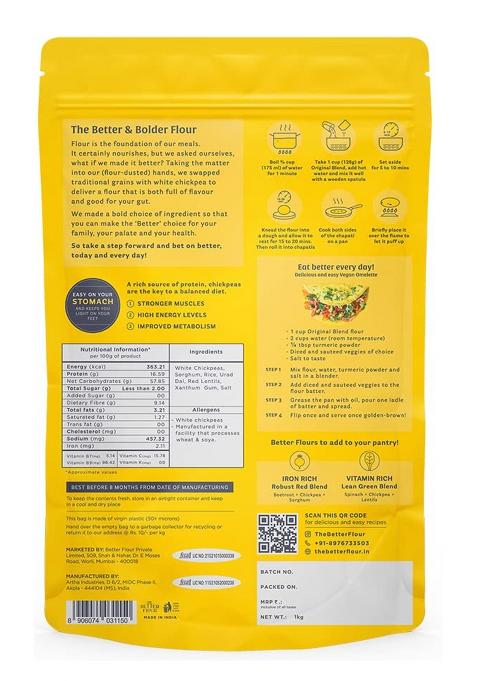
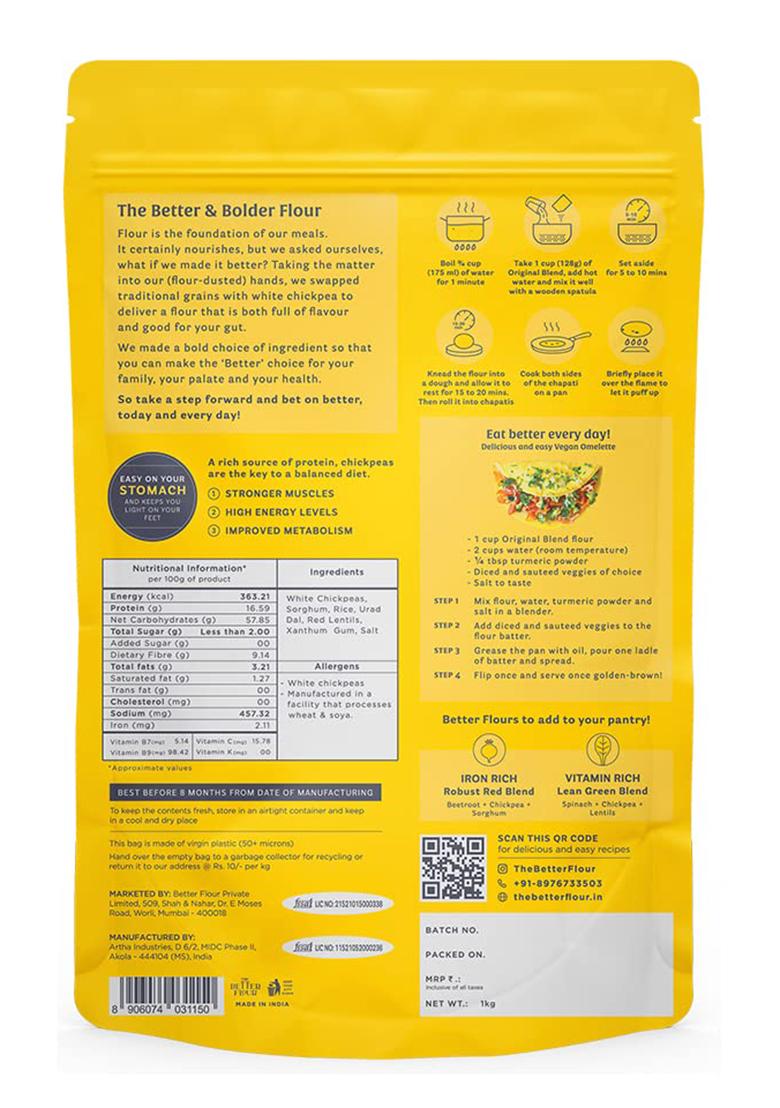
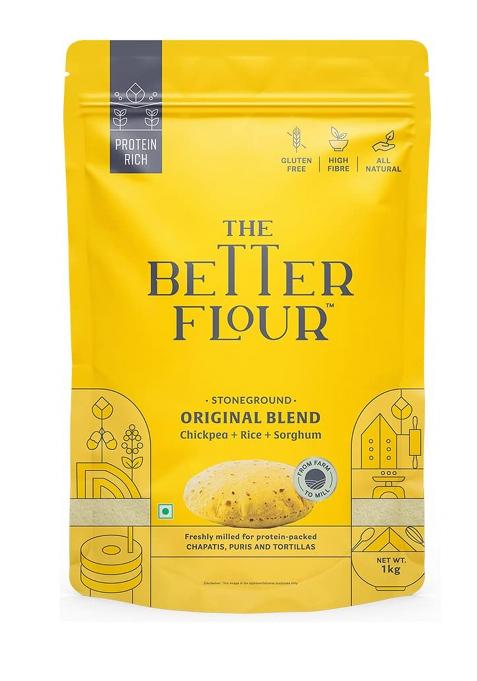
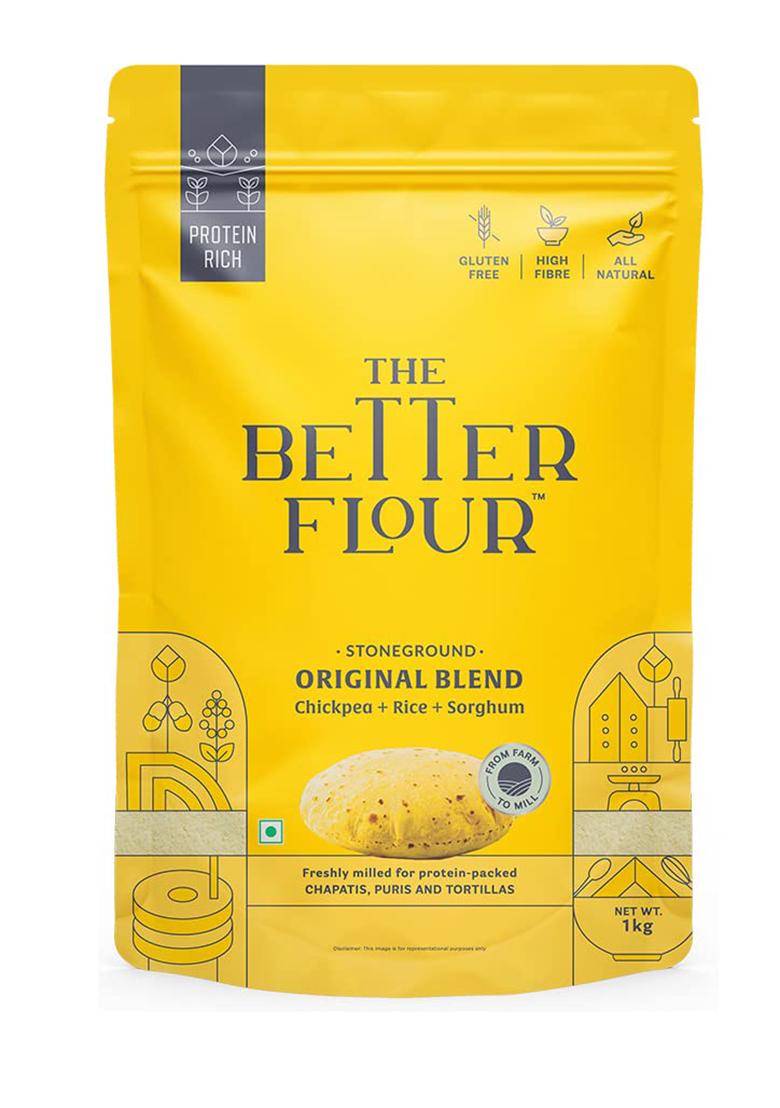
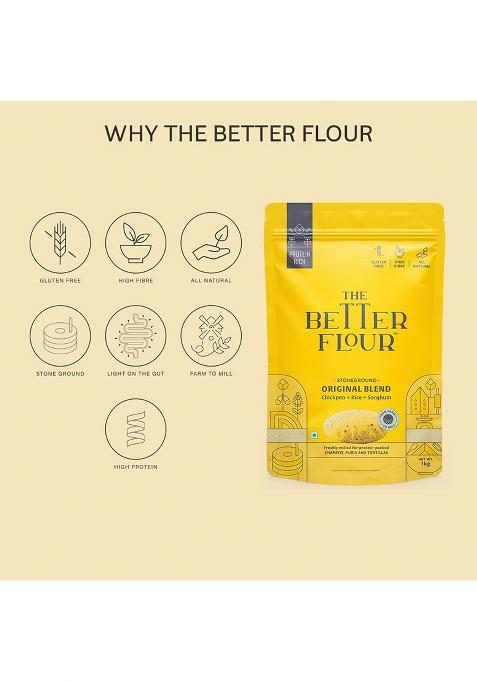
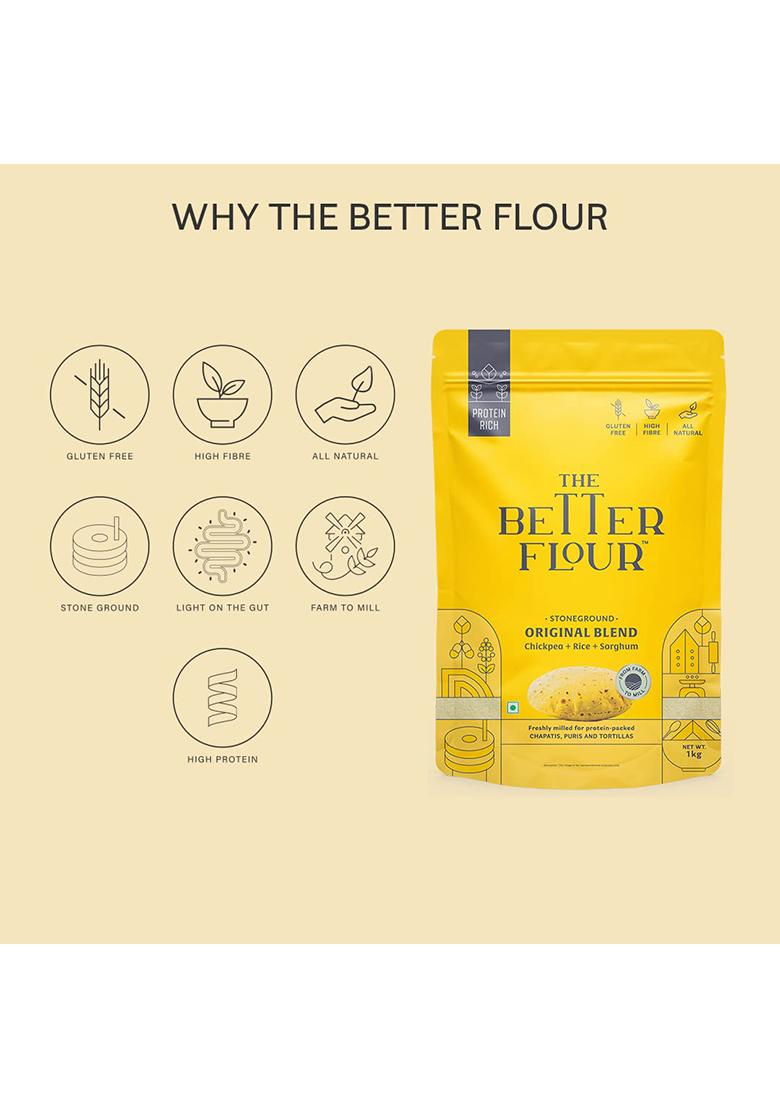


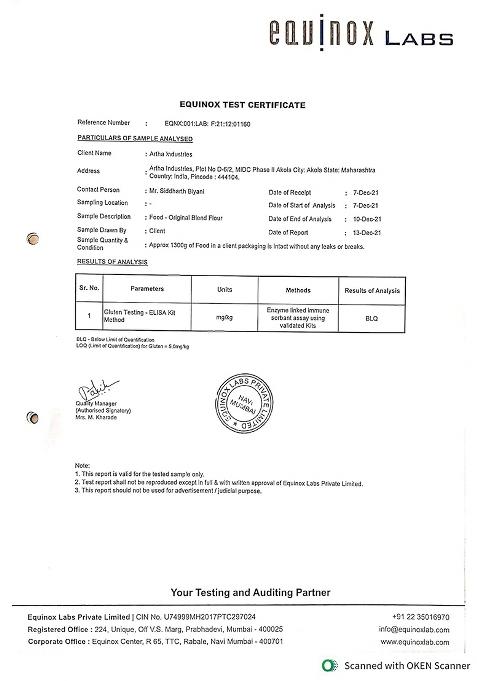
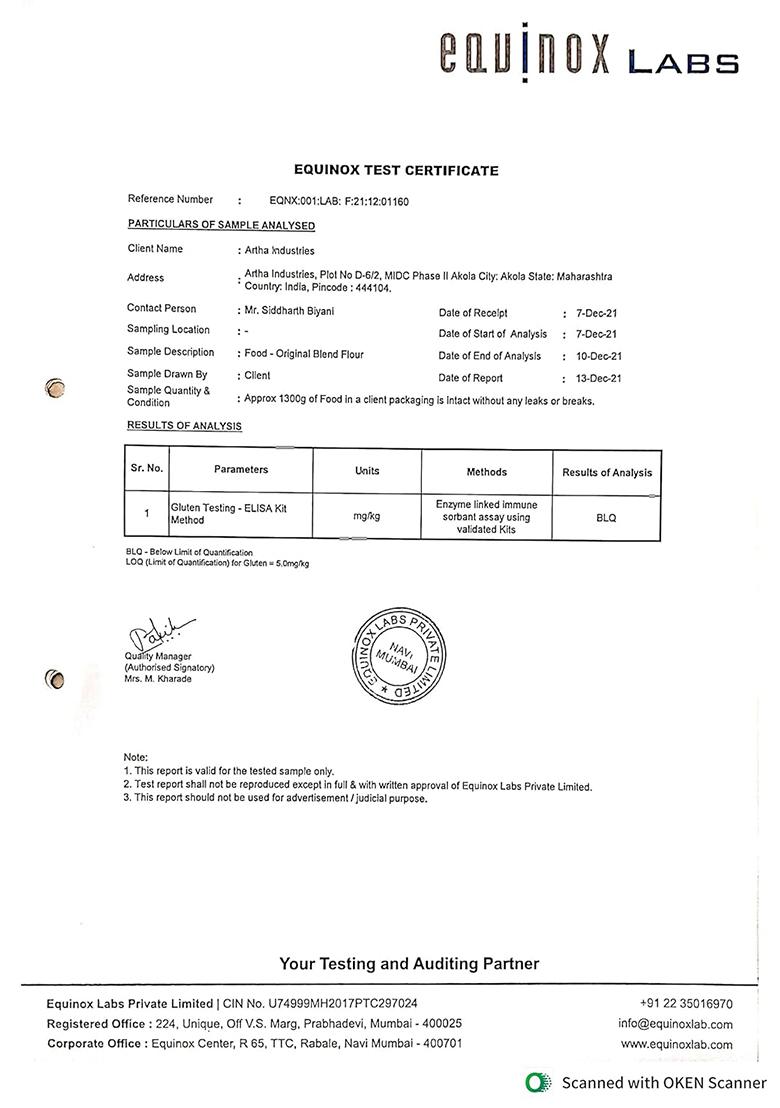
The Better Flour
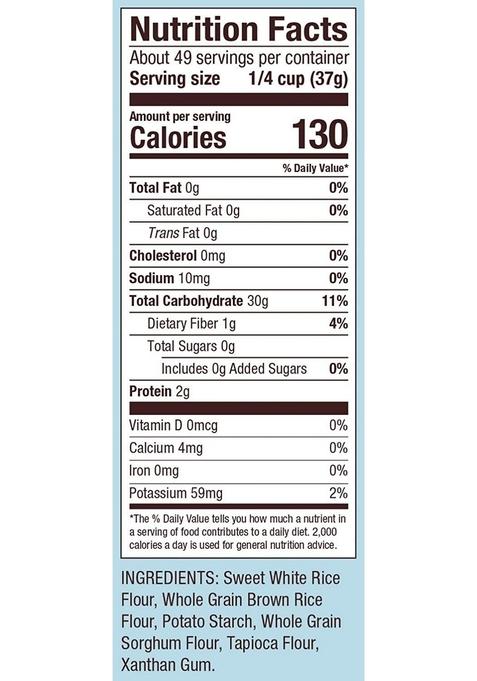
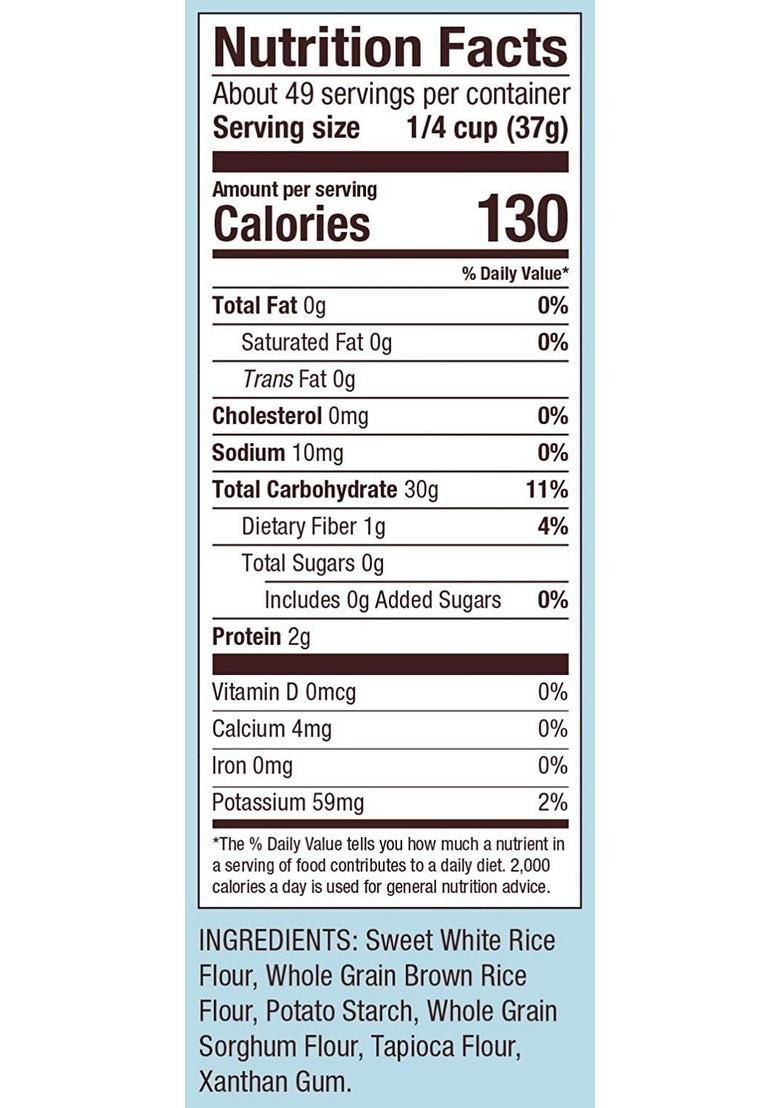


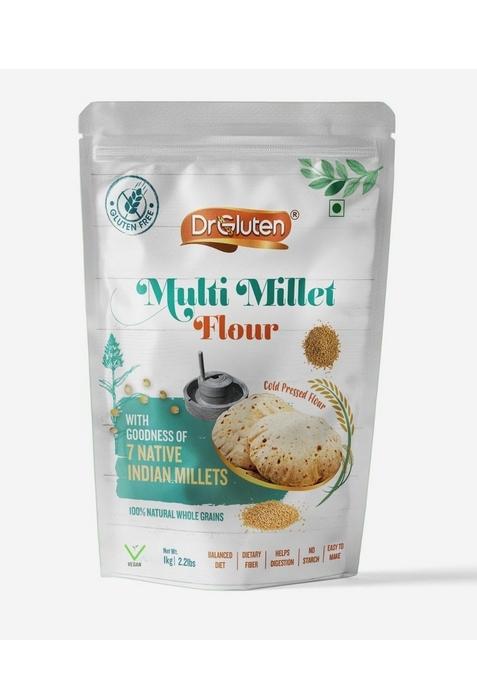
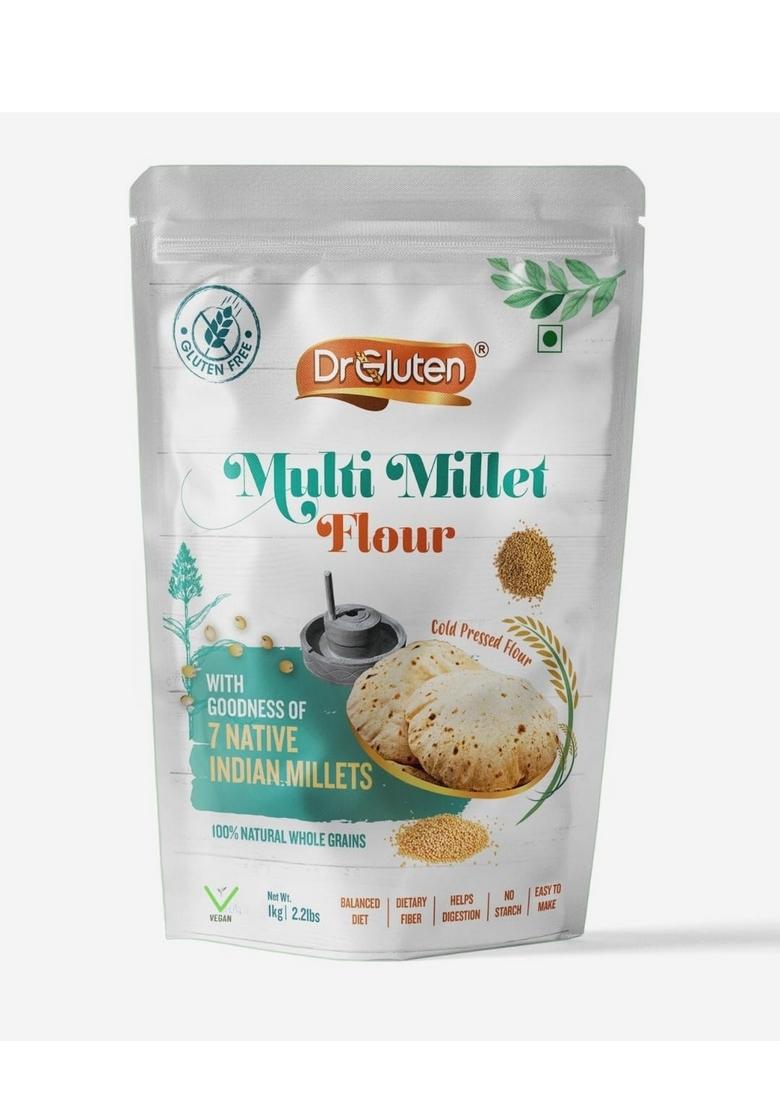
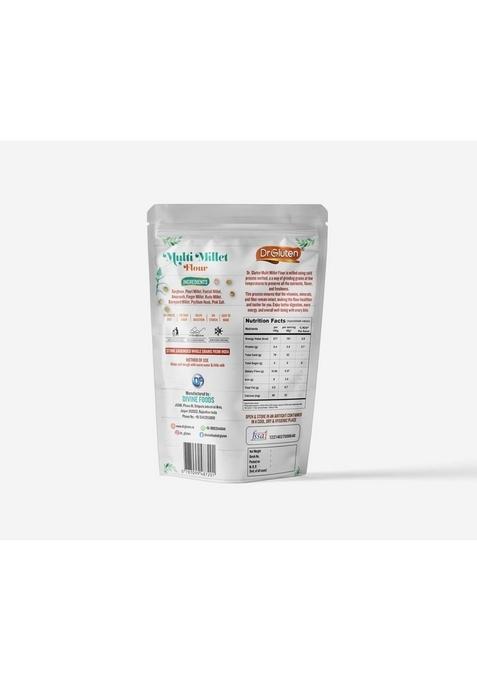
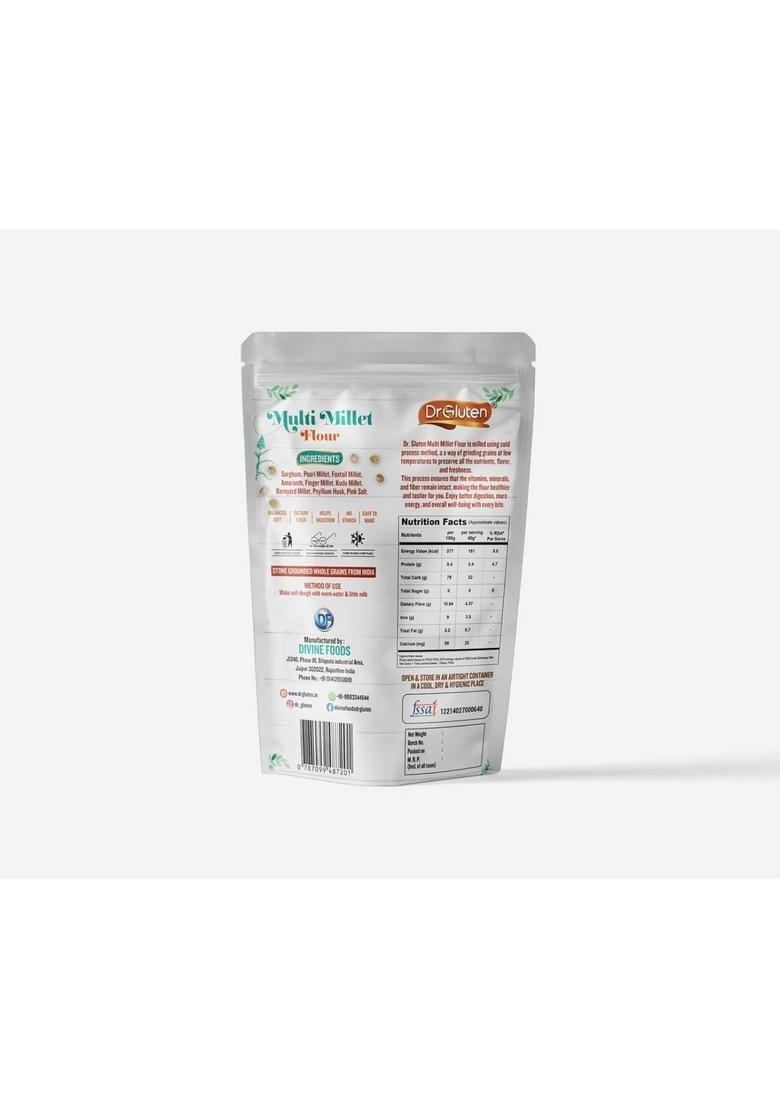
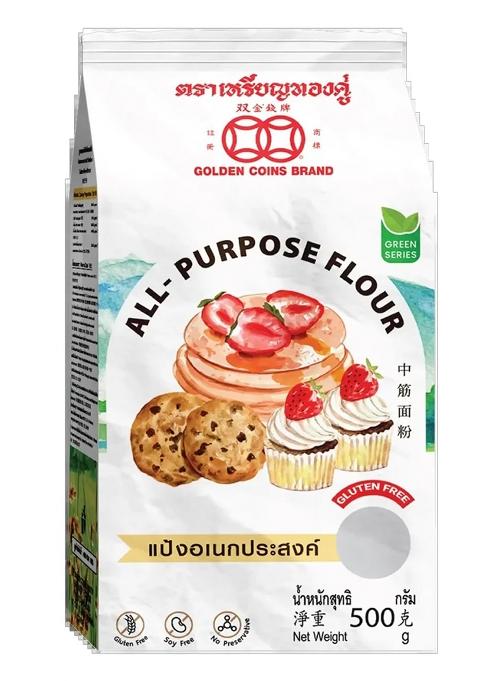
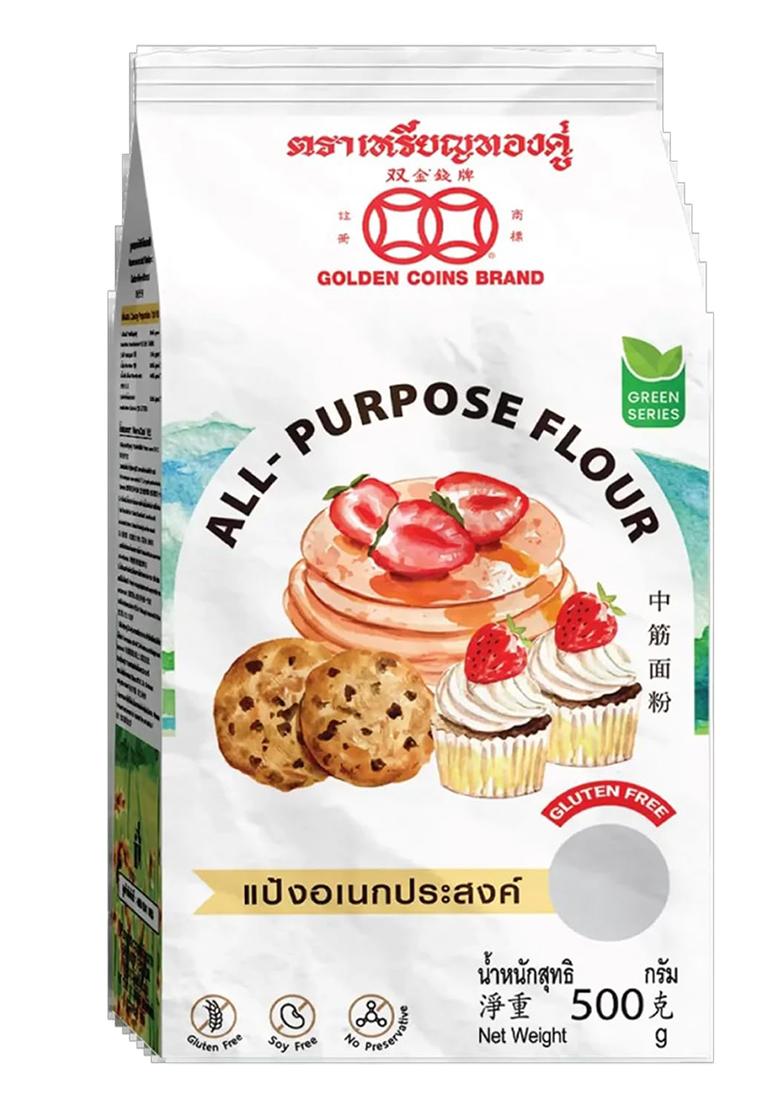
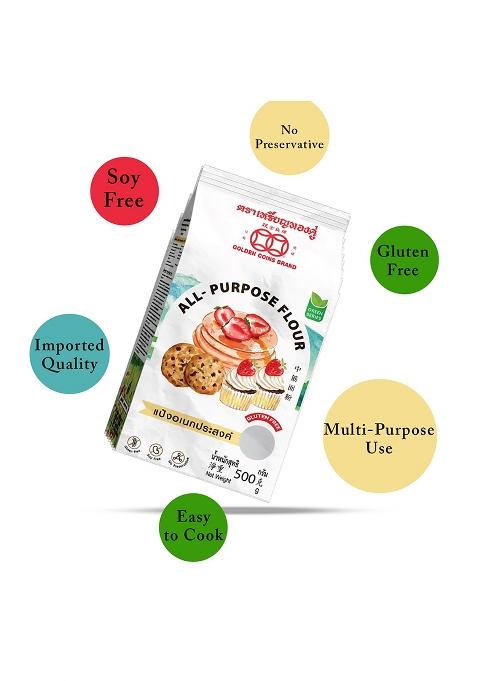
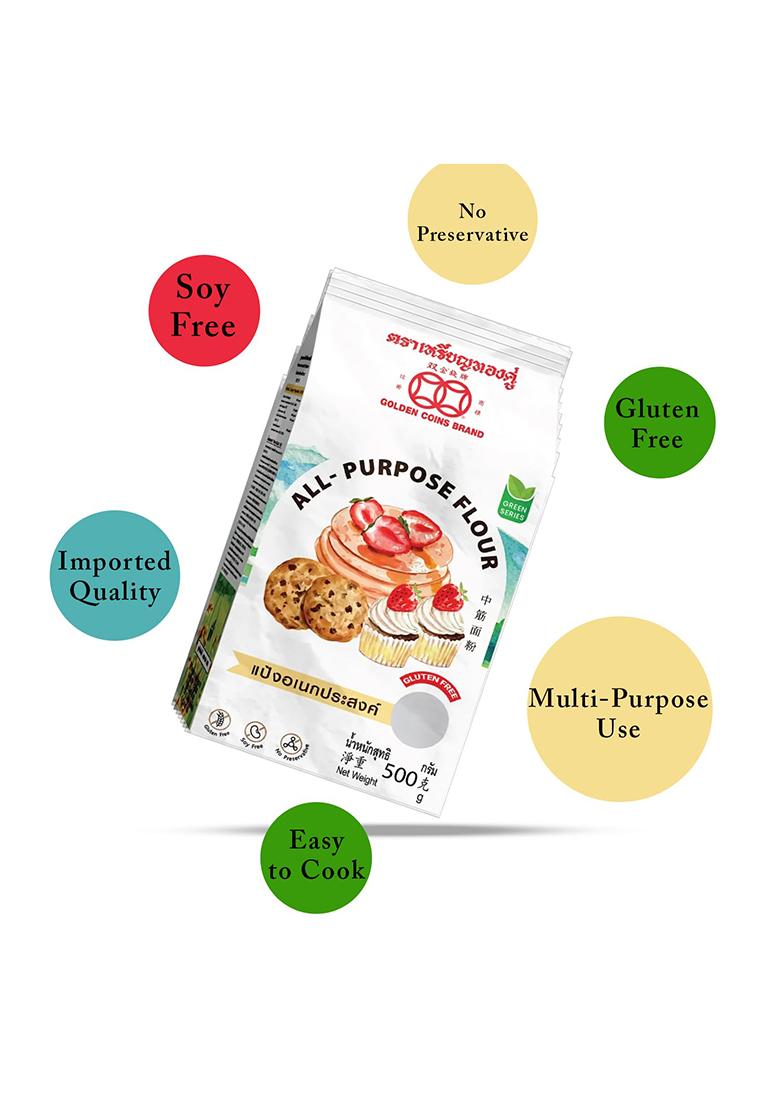

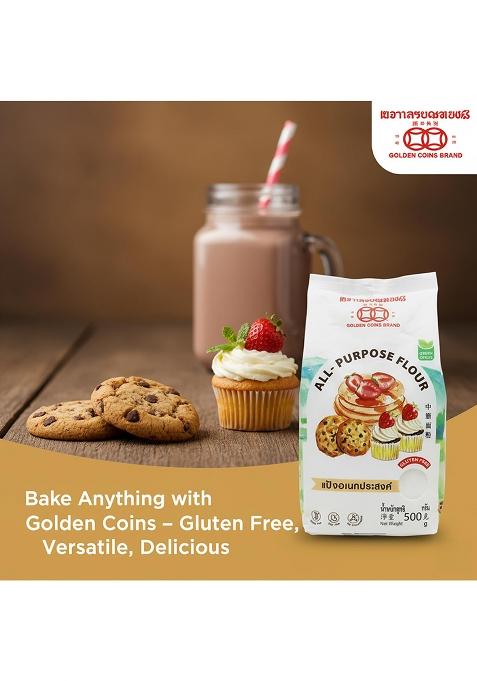
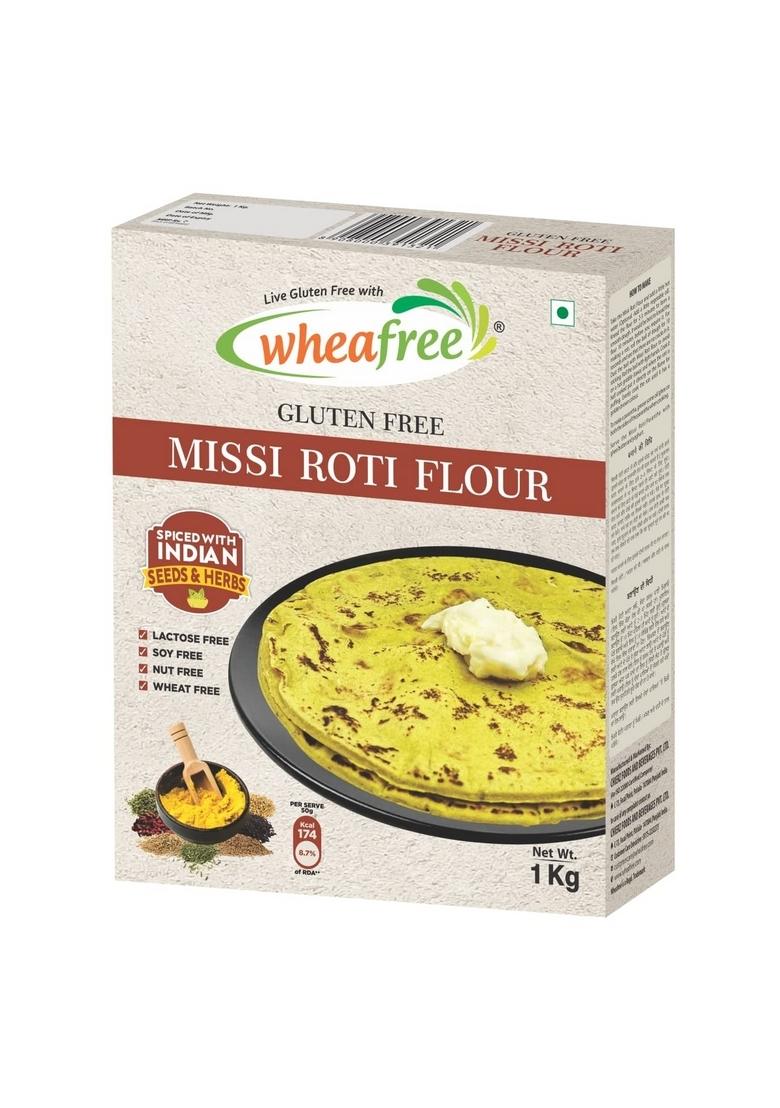
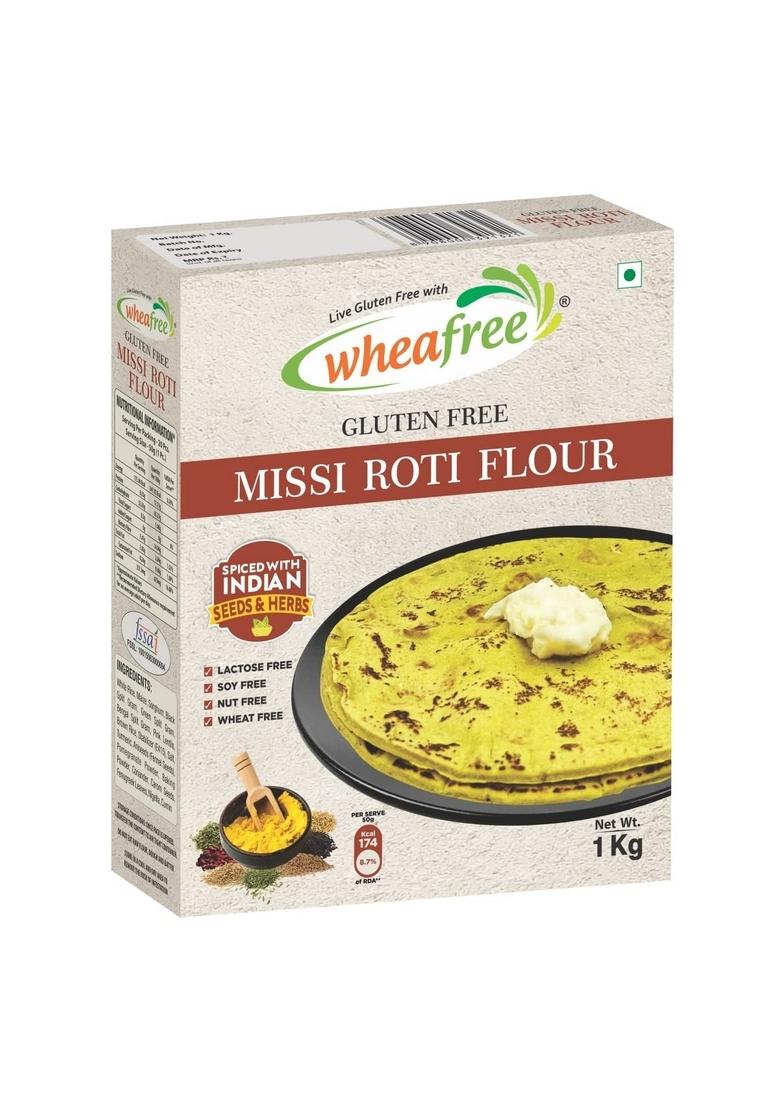
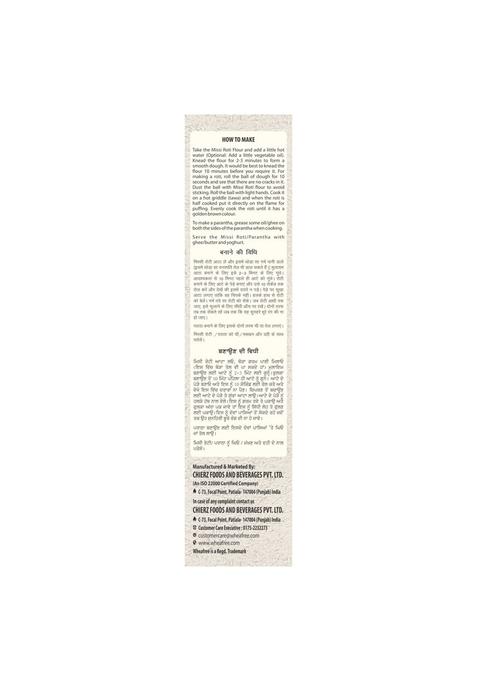
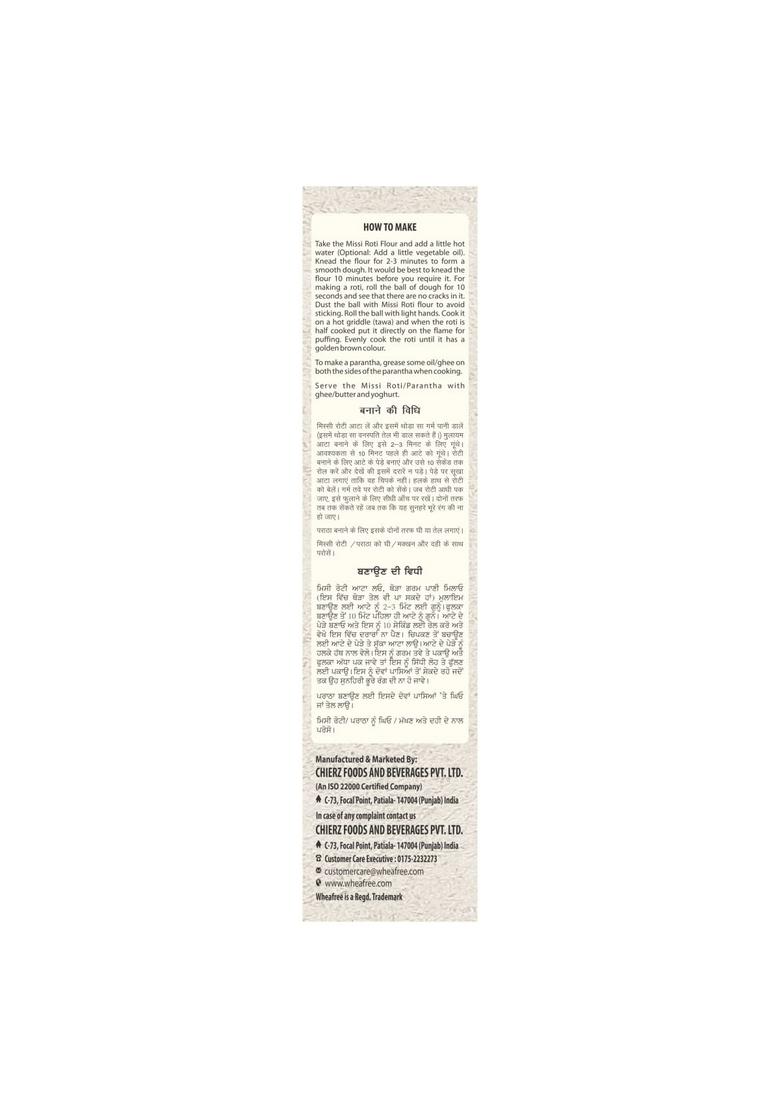
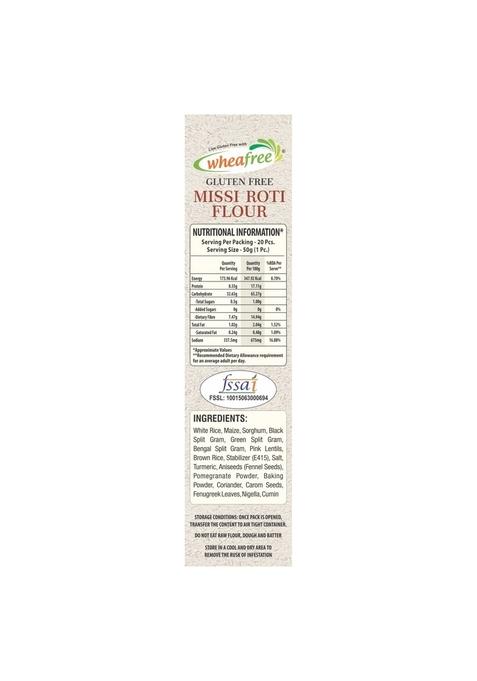
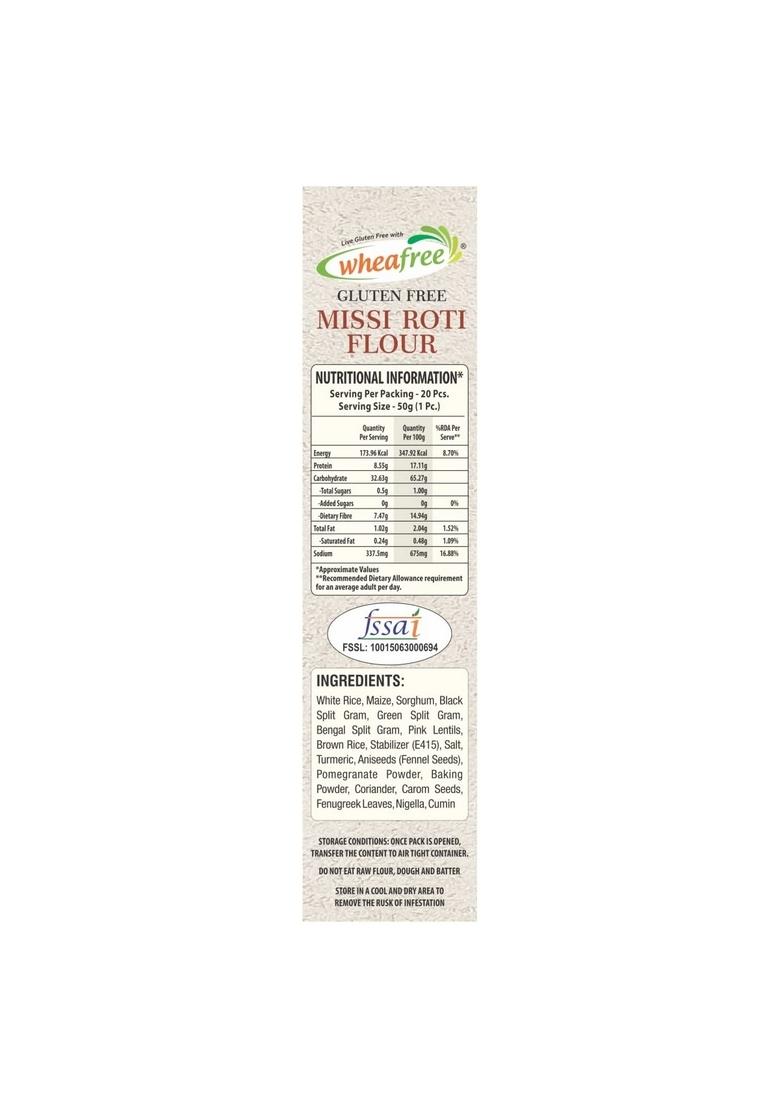
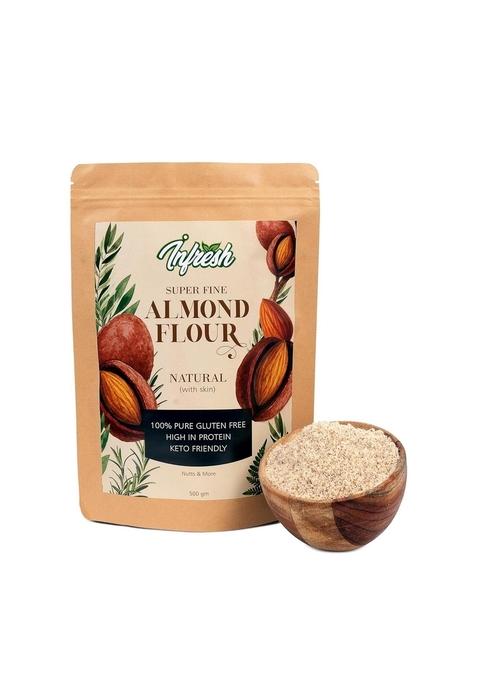
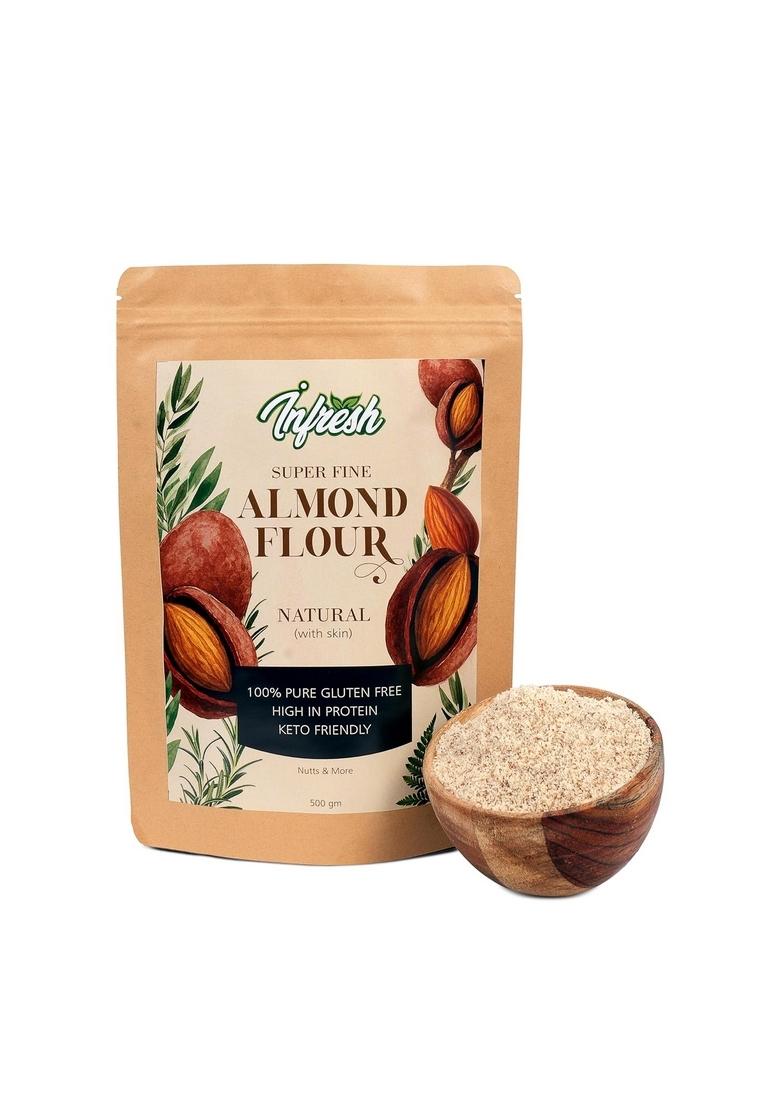
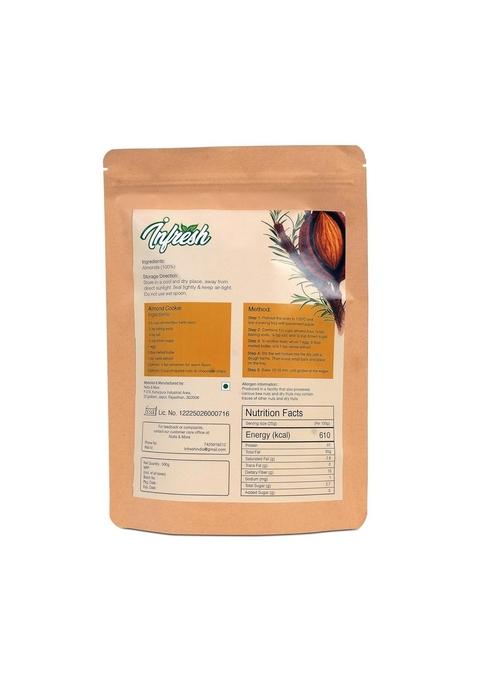
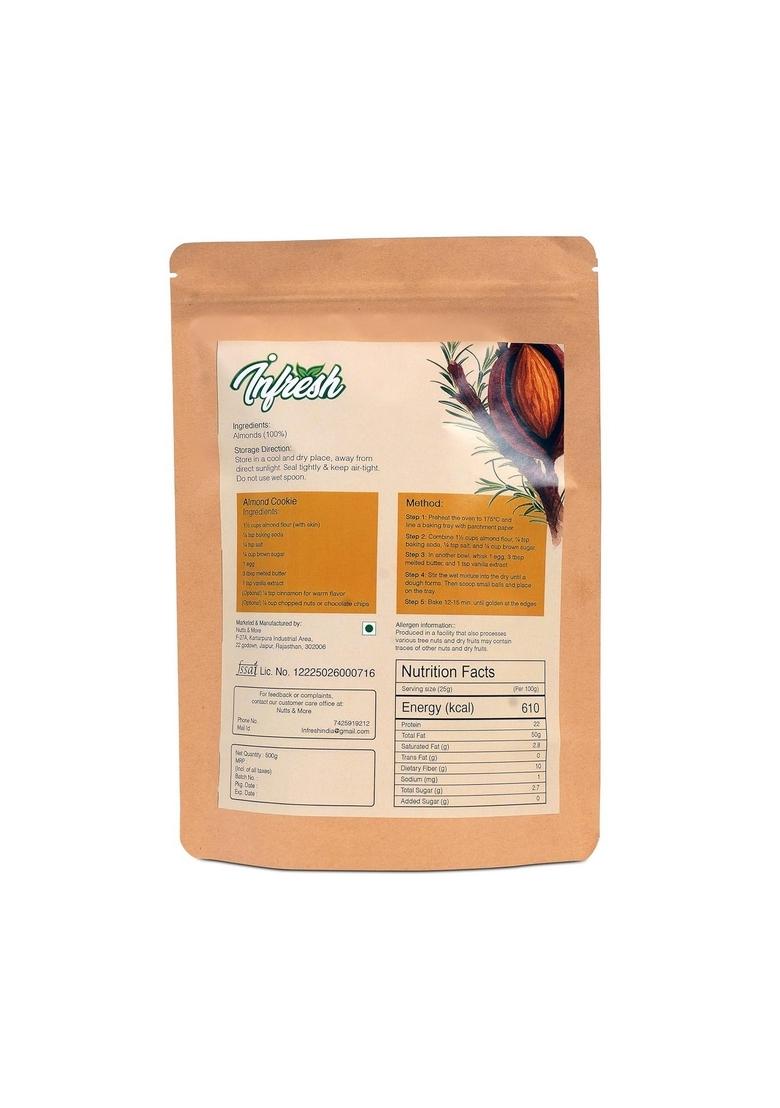
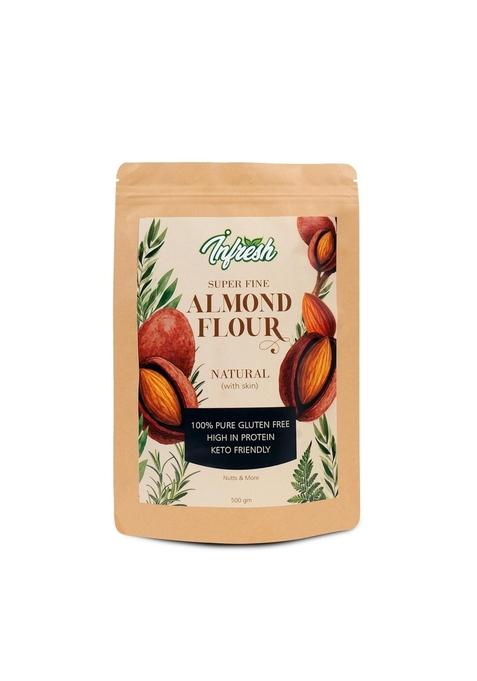
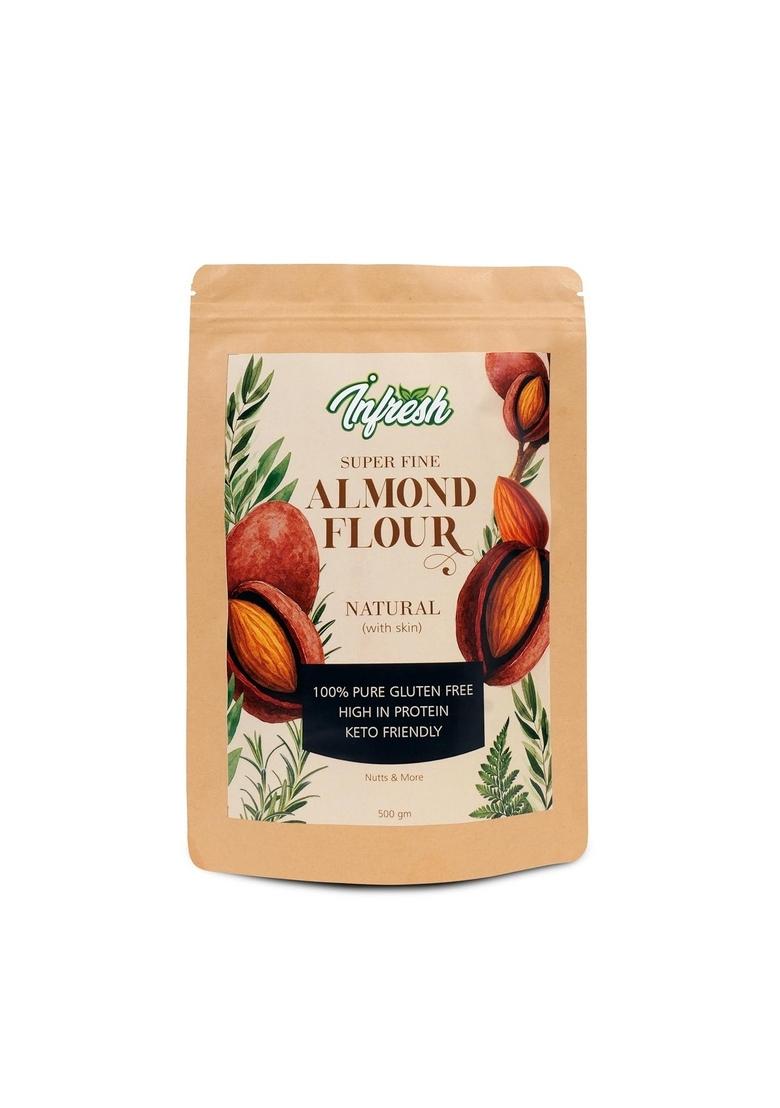
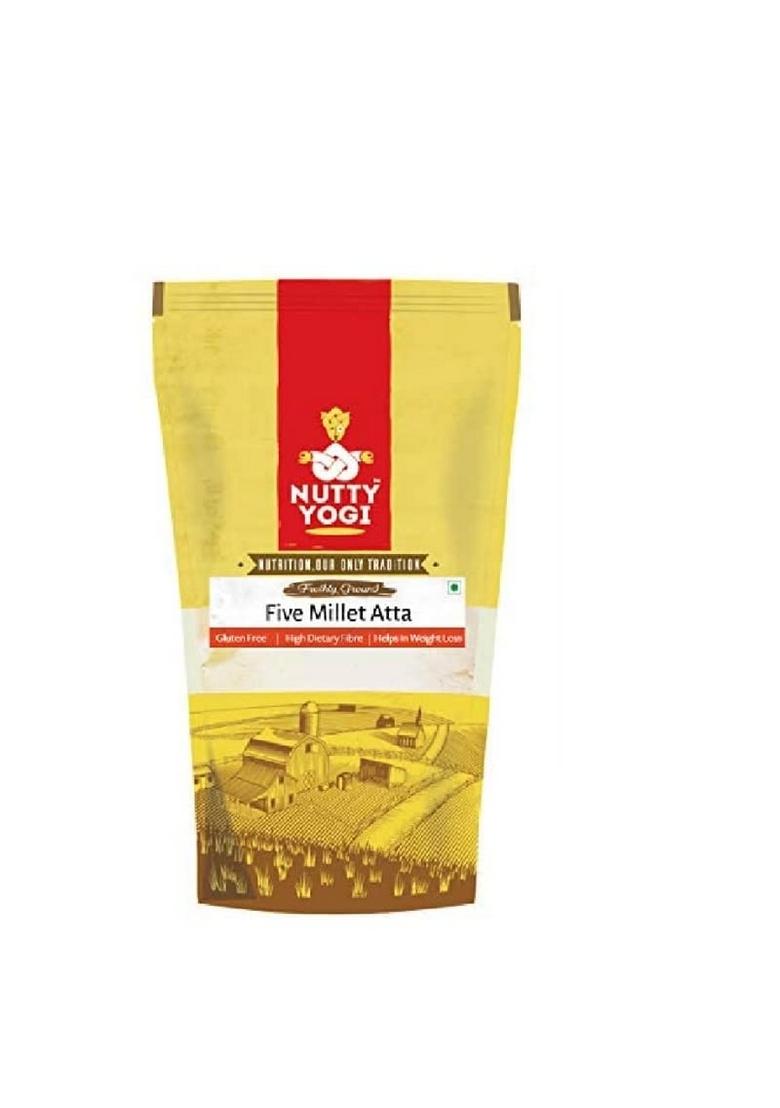
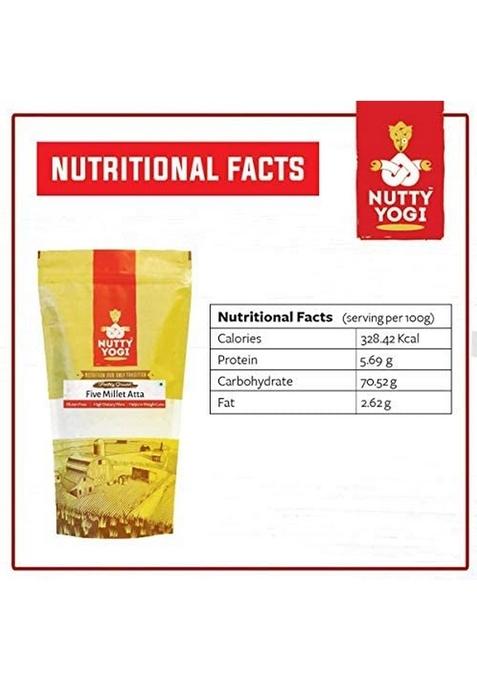
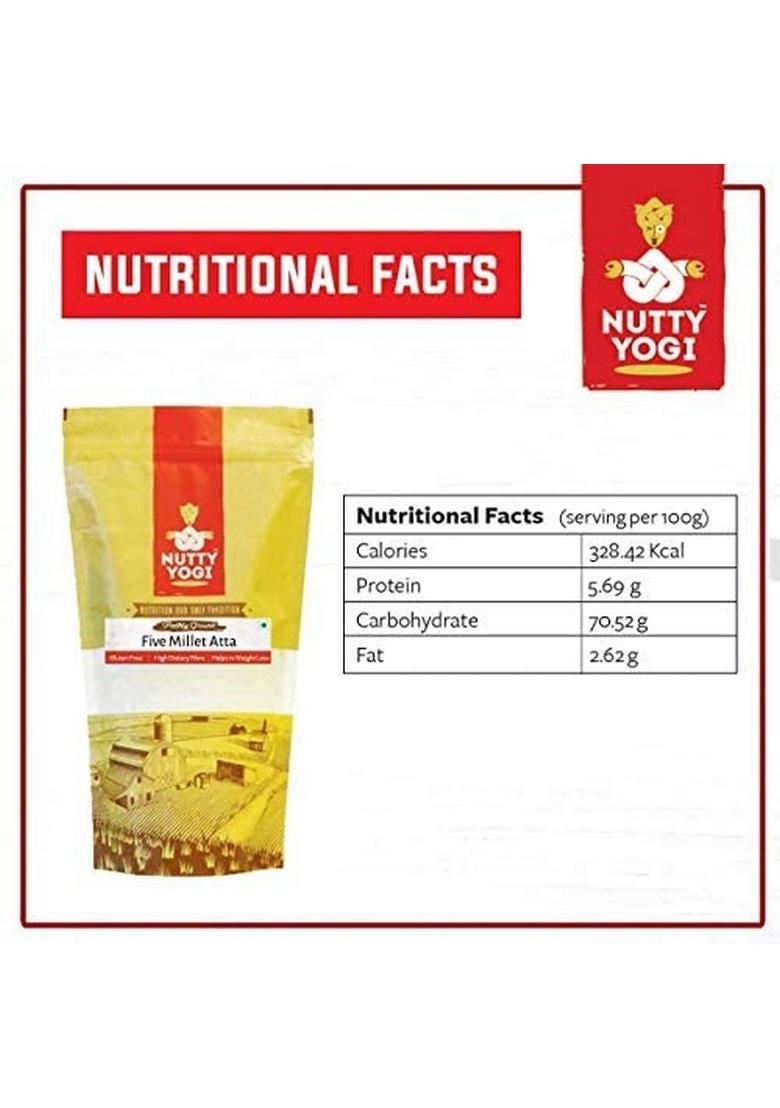
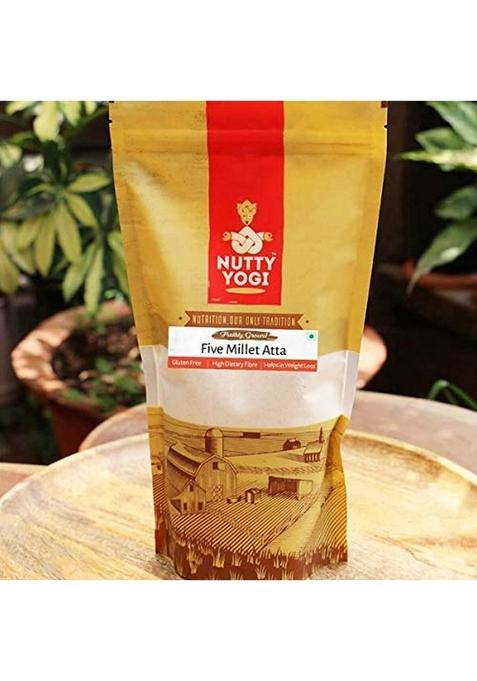
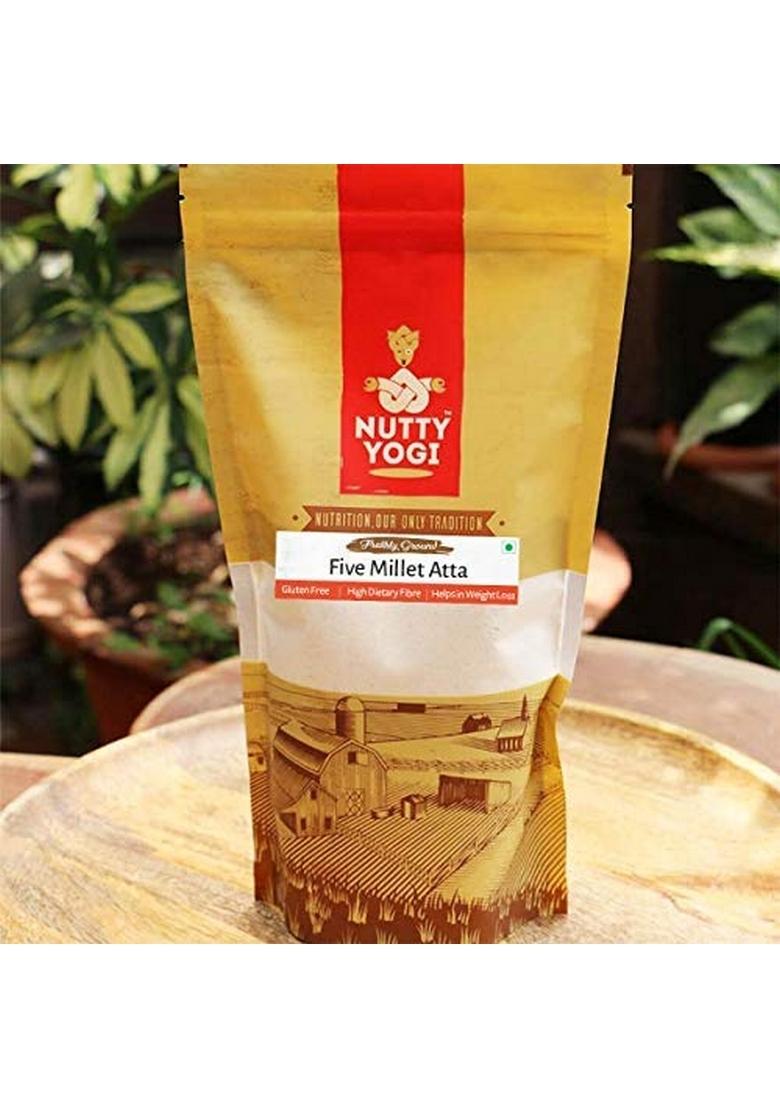
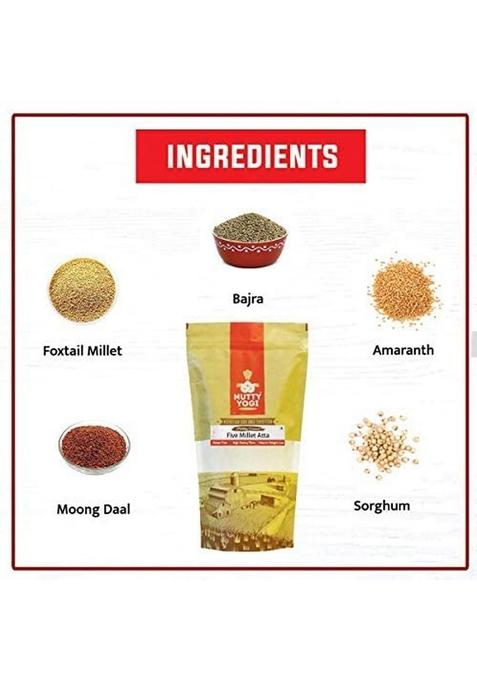
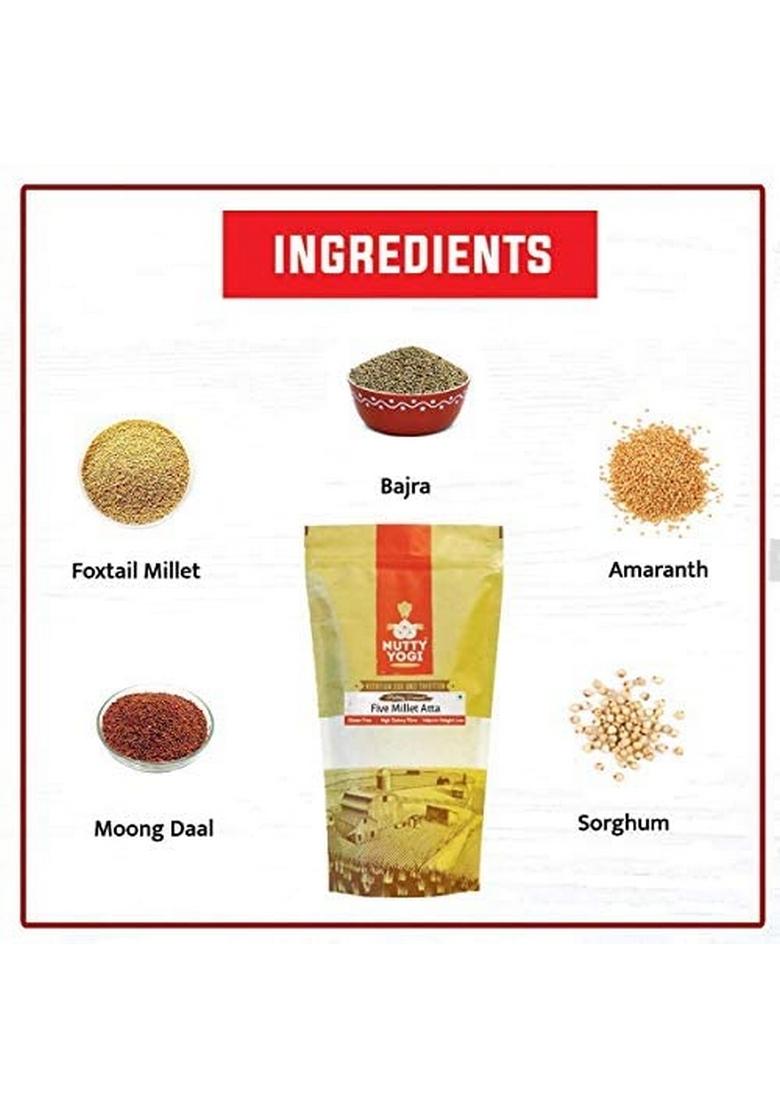
Finding the right gluten free flour options can make a big difference in your kitchen, whether you are making everyday rotis, baking a cake, or preparing special treats. With more people looking for wheat alternatives, a variety of gluten free flours are now available that work well in both Indian and international recipes. Choosing the right flour depends on the dish you want to make and your taste preferences.
Each gluten free flour brings something different to your cooking. For baking, almond and coconut flours are favorites for their texture and taste. Chickpea and sorghum flours are well-suited for Indian flatbreads and snacks. If you want a flour that works for many dishes, try a blend of millet, rice, and lentil flours. Experimenting with small batches is a good way to find the combination you like best. If you are new to gluten free cooking, start with a ready-made blend for reliable results.
| Flour | Best Use | Texture | Approx. Price (USD) |
|---|---|---|---|
| Almond Flour | Baking, Rotis | Fine, moist | 10.50 |
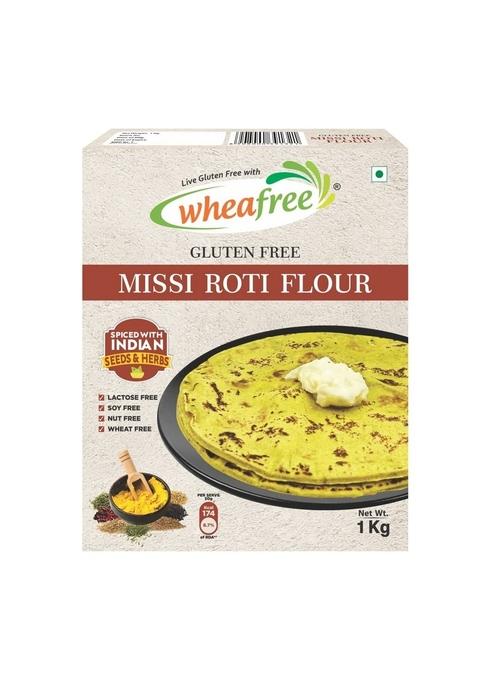
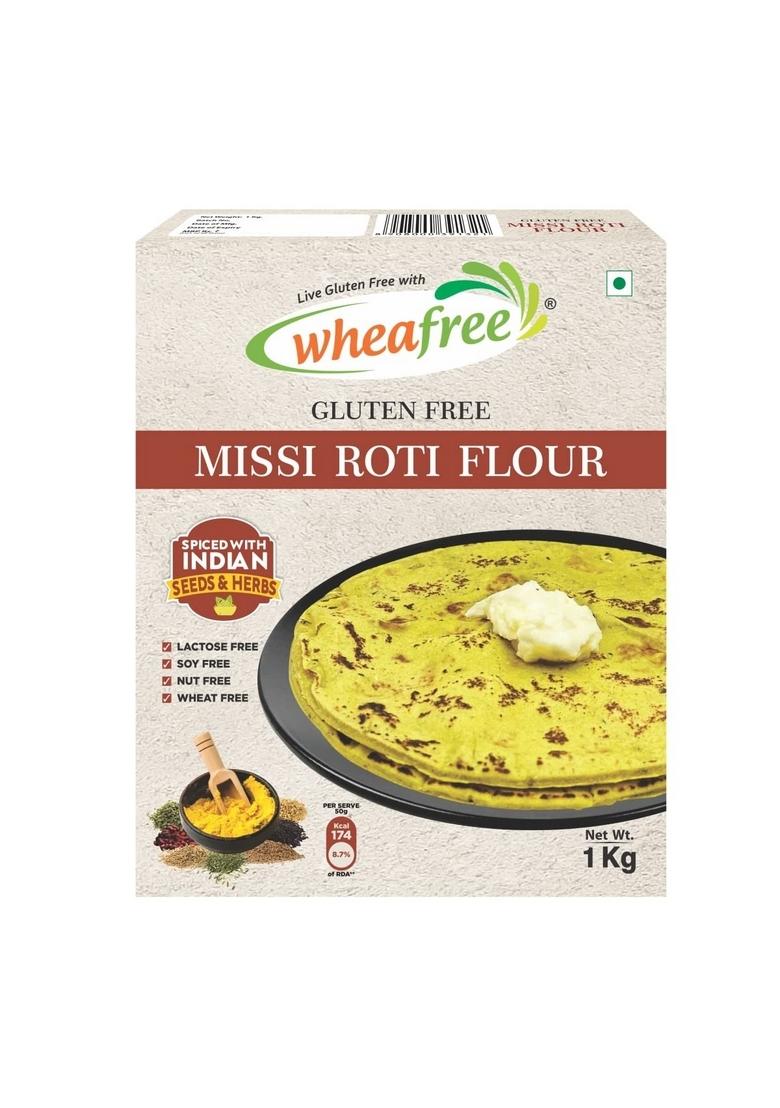
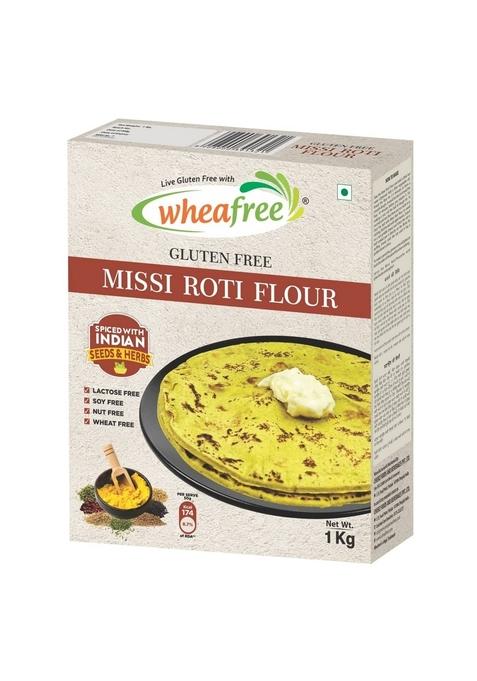
| Chickpea Flour | Pakoras, Missi Roti | Dense, nutty | 12.50 |
| Sorghum (Jowar) Flour | Rotis, Flatbreads | Soft, fluffy | 12.10 |
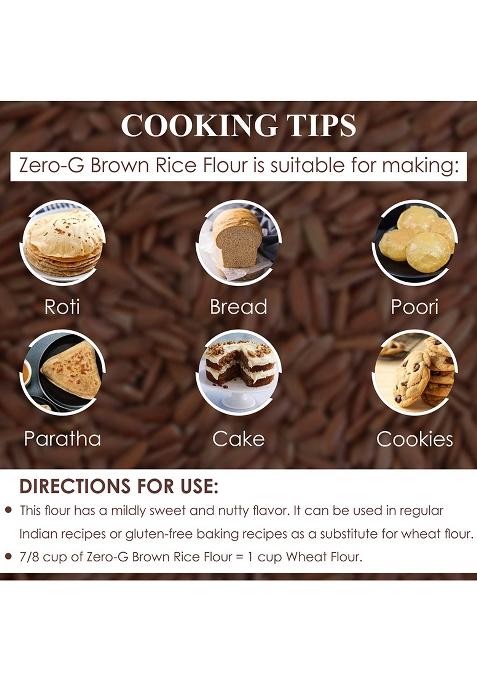
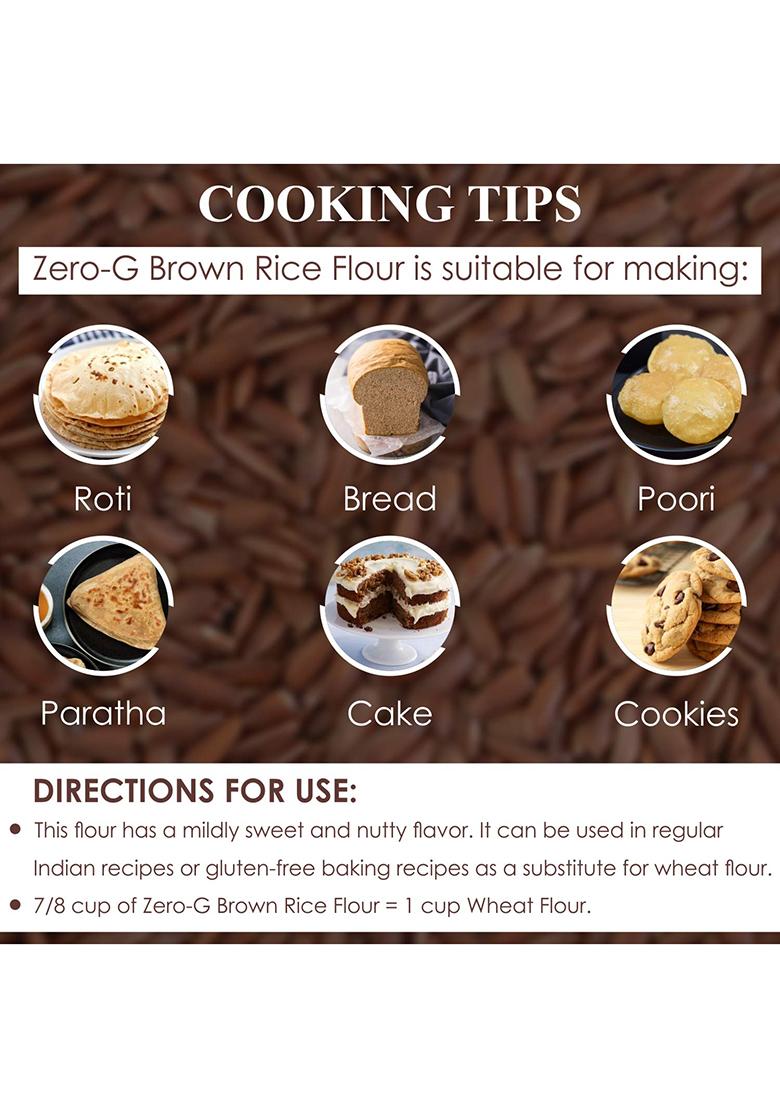
| Brown Rice Flour | Breads, Blends | Light, neutral | 9.50 |
| Multi Millet Flour | Everyday Cooking | Hearty, grainy | 11.10 |
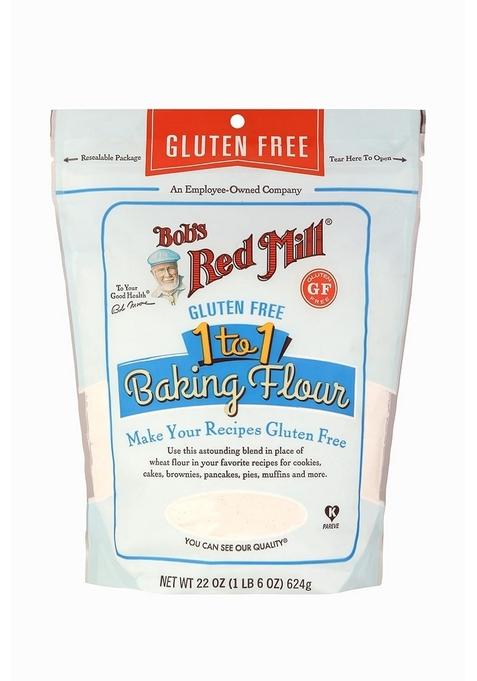
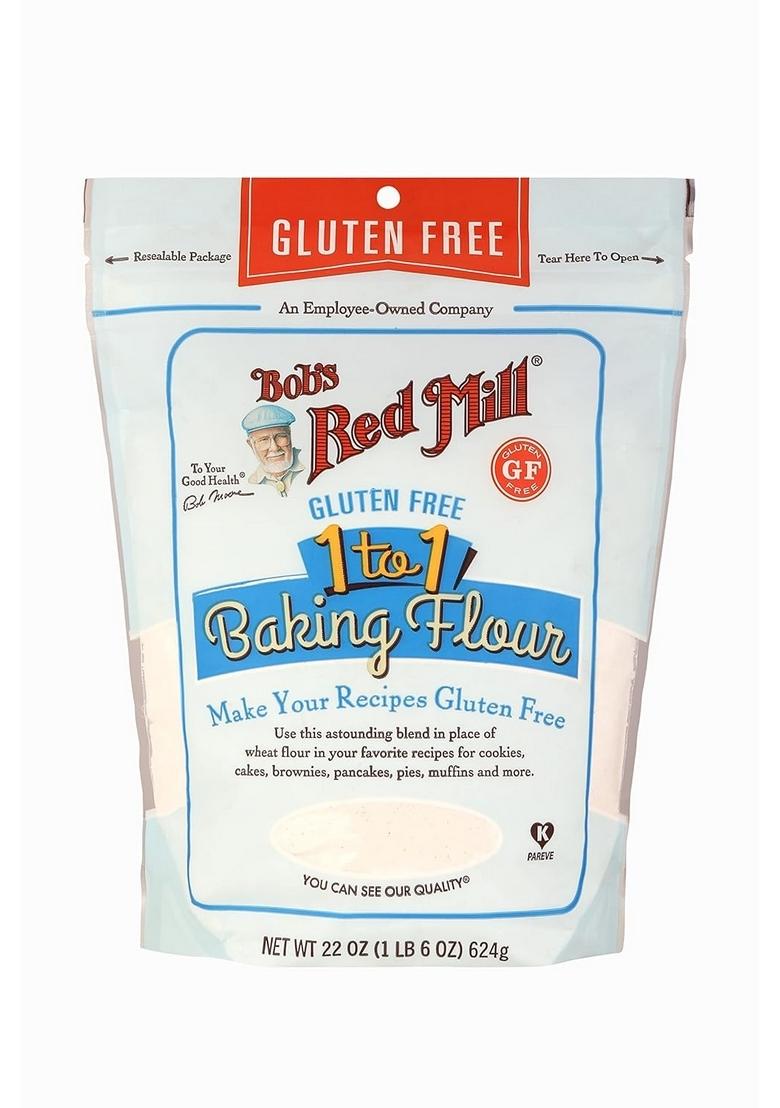
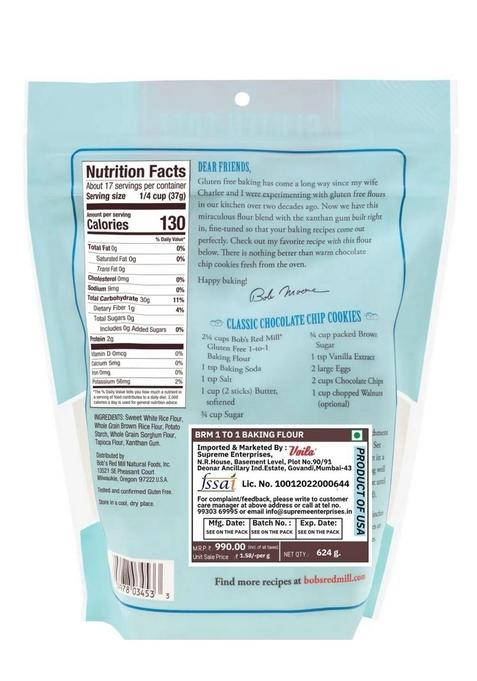
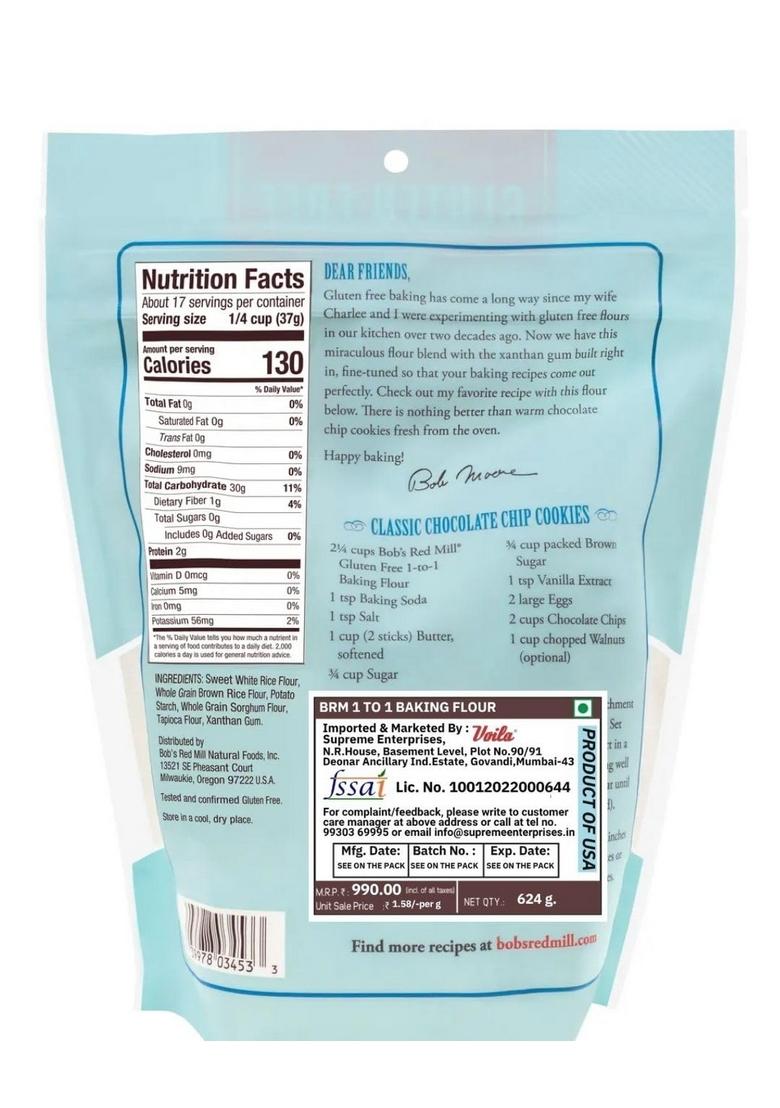
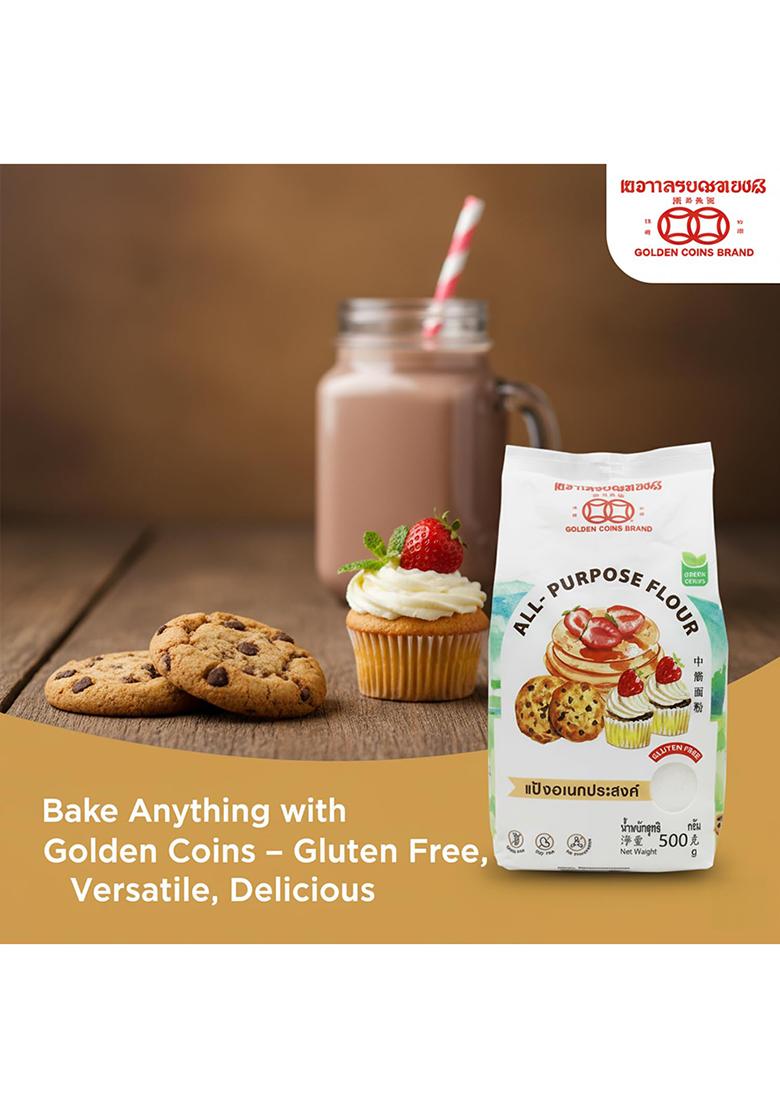
For anyone short on time, ready-made gluten free flour blends are a practical choice. These blends are designed to work well in cakes, cookies, and breads, saving you the trouble of mixing individual flours. Some of the popular brands include Umai Gluten-Free All Purpose Flour, Bob’s Red Mill Gluten-Free 1-to-1 Baking Flour, and House of Indya’s own multi-millet blends. These options are especially useful if you are new to gluten free baking or want consistent results.
| Blend | Best Use | Size | Approx. Price (USD) |
|---|---|---|---|
| Umai Gluten-Free All Purpose | Cakes, Cookies, Rotis | 500g | 12.10 |
| Bob’s Red Mill 1-to-1 | Baking, Pancakes | 623g | 31.50 |
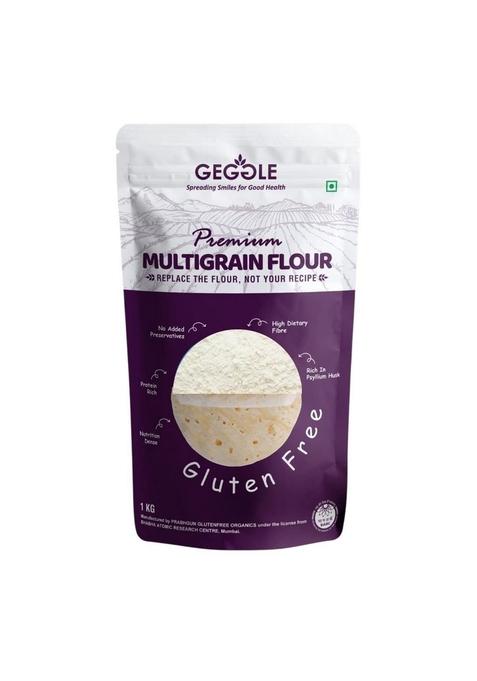
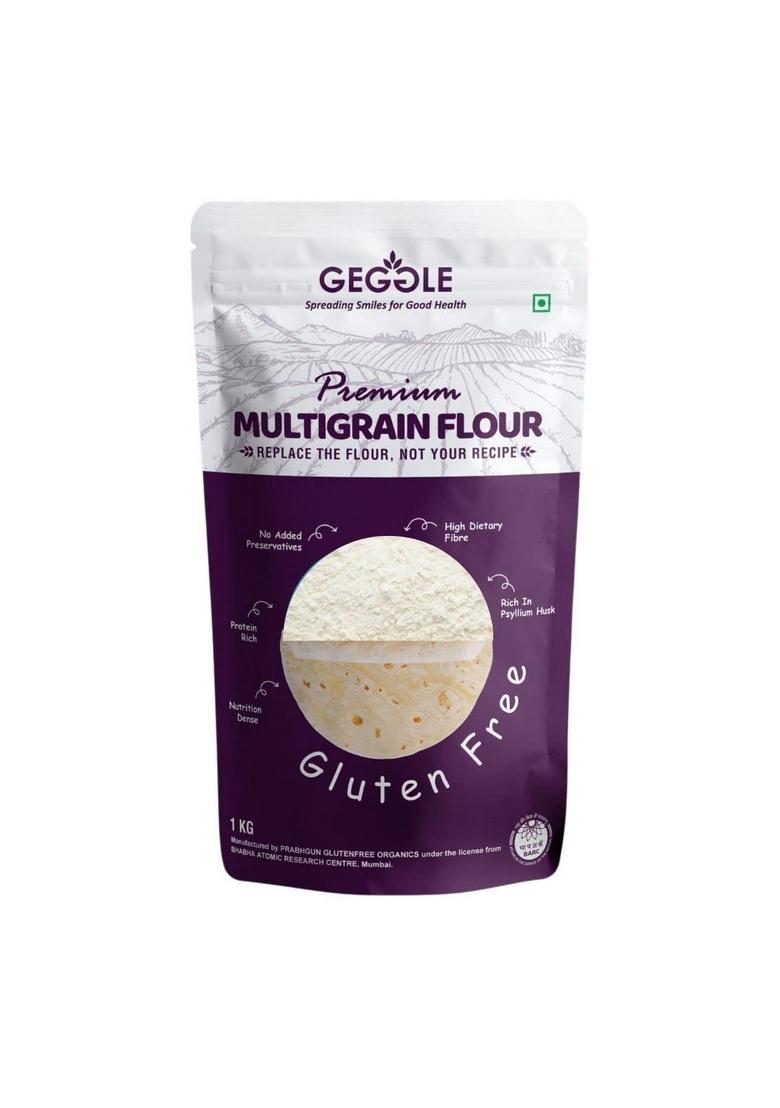
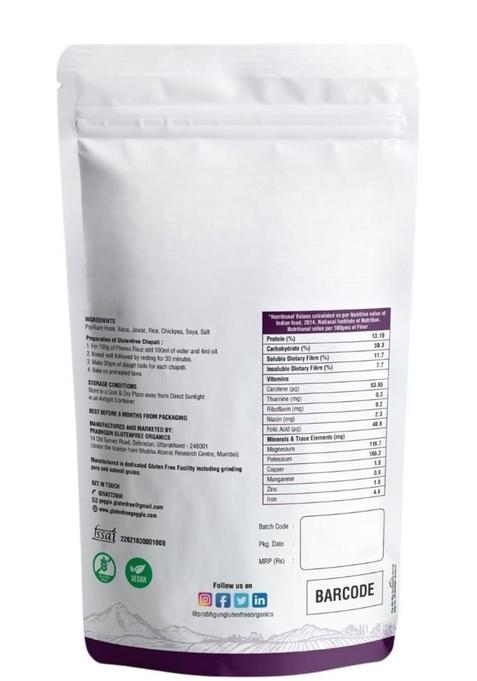
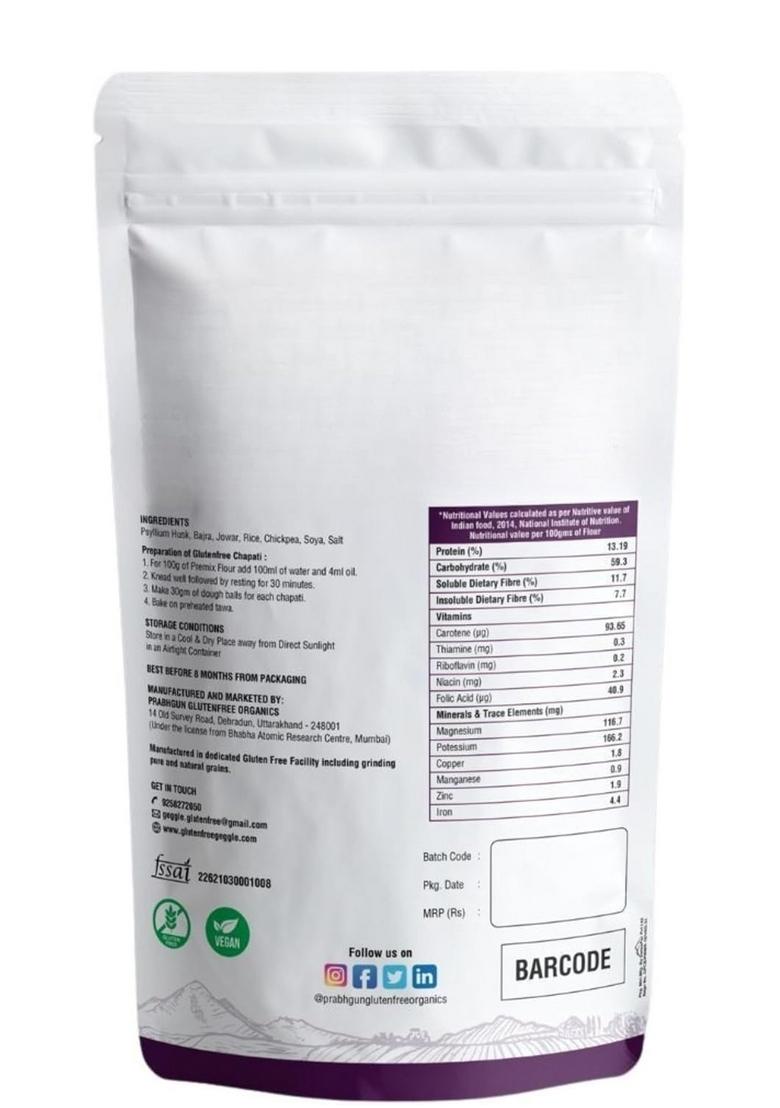
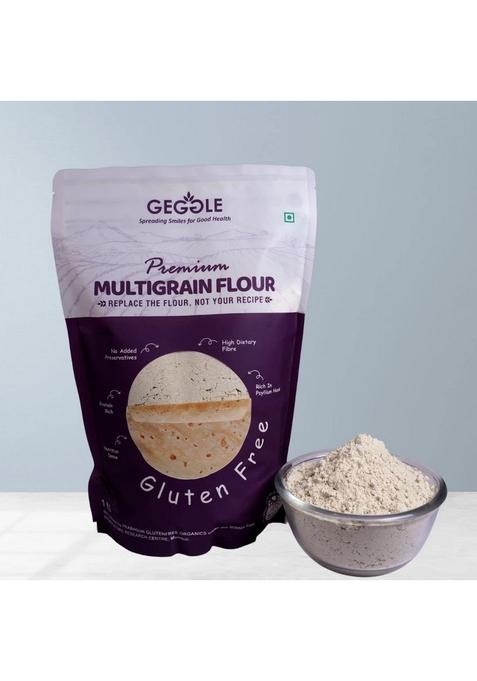
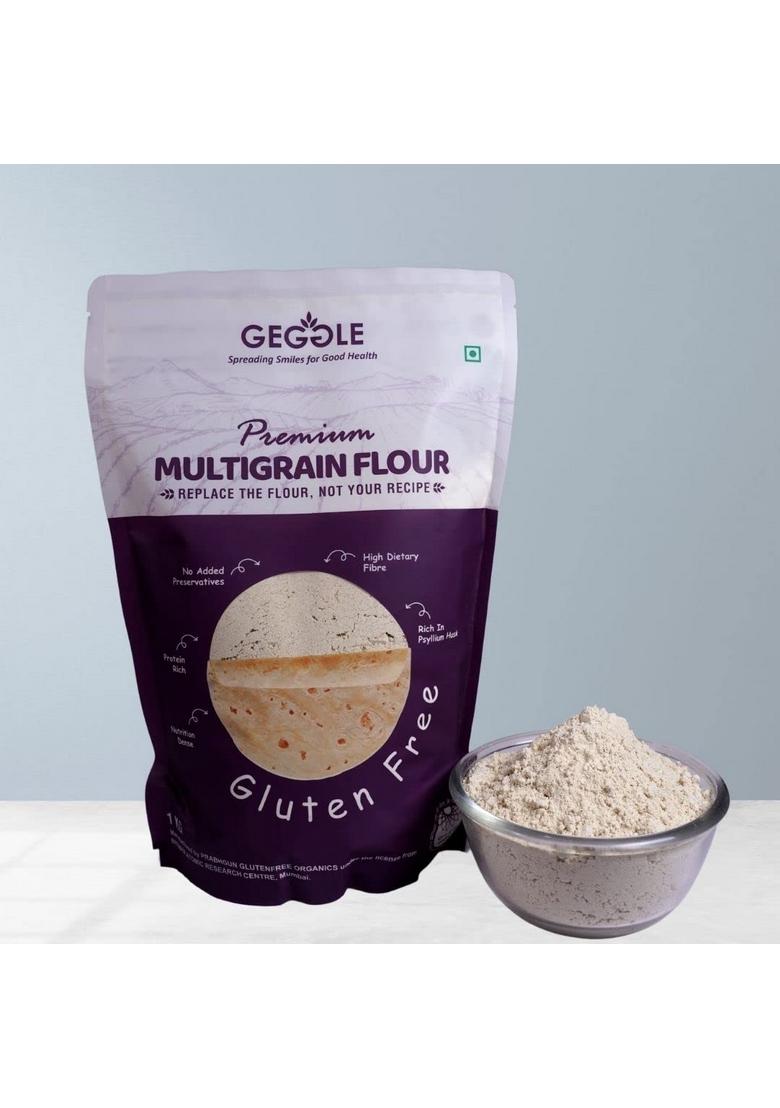
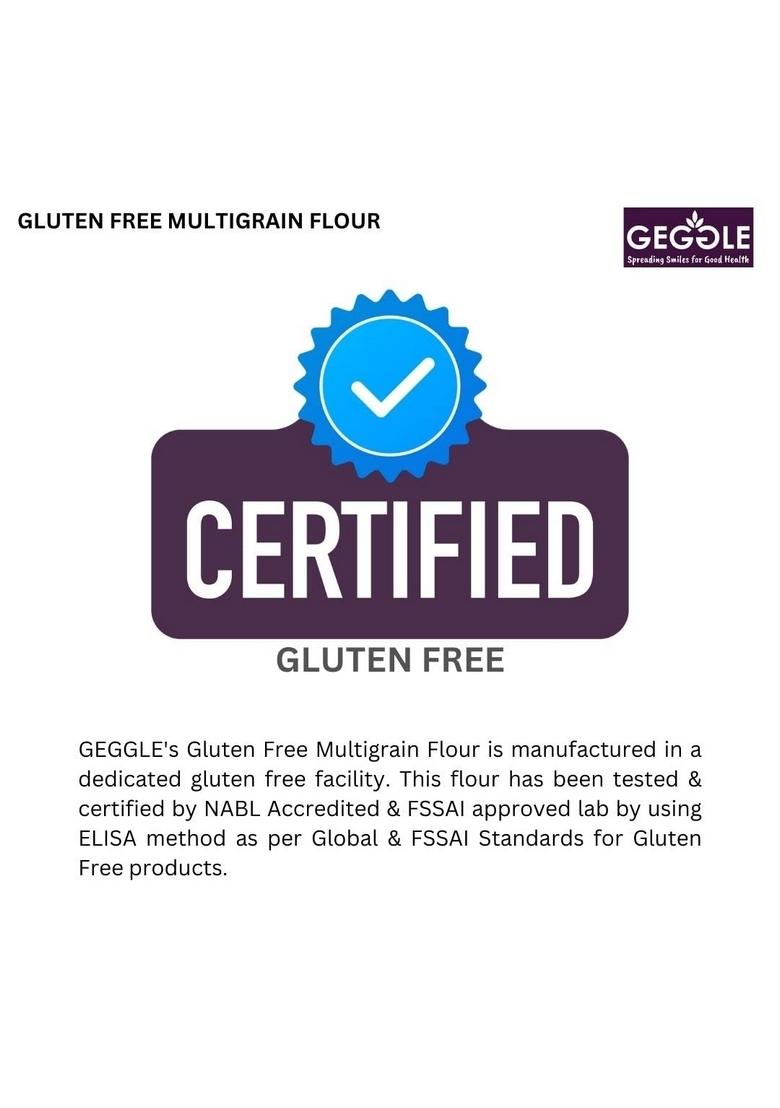
| Geggle Multigrain Flour | Indian Breads, Savories | 1kg | 8.80 |
| Dr. Gluten Multi Millet Flour | Multigrain Rotis | 1kg | 8.00 |
| House of Indya Multi Millets Atta | Everyday Rotis, Indian Sweets | 1kg | 11.10 |
Gluten free flour options are popular not only with those who have gluten intolerance, but also with anyone looking to try new grains and flavors in their meals. Millets, nut flours, and chickpea flour are often higher in fiber and protein than regular wheat flour. They can add variety and nutrition to your diet, whether you are making chapatis, pancakes, or sweets. House of Indya offers a wide range of gluten free flours, making it easy to add these nutritious options to your pantry.
| Recipe | Recommended Flour | Notes |
|---|---|---|
| Soft Rotis | Sorghum, Multi Millet | Combine with potato or psyllium husk for flexibility |
| Cakes & Muffins | Almond, Oat, Blends | Almond adds moisture, oat for lightness |
| Pakoras & Chillas | Chickpea, Buckwheat | Gives a crisp, hearty texture |
| Barfi & Laddoo | Almond, Chickpea, Coconut | Try almond or coconut for a rich taste |
House of Indya brings together Indian tradition and modern style with a range of clothing, home essentials, and gluten free pantry staples. Our gluten free flours are chosen for quality and taste, making it easy to enjoy classic recipes with a healthy twist. Visit House of Indya
Popular gluten free flour options for Indian cooking include almond flour, chickpea flour, sorghum (jowar) flour, brown rice flour, and multi-millet blends. Each has its own flavor and texture for different dishes.
Gluten free flours can often replace wheat flour, but you may need to adjust the liquid or add a binding agent. Blends work best for baking, while single flours like chickpea or sorghum are good for flatbreads.
Almond flour can be used for rotis, especially when mixed with other gluten free flours. It adds a mild flavor and is a good choice for low-carb diets.
Ready-made blends such as Umai Gluten-Free All Purpose Flour, Bob’s Red Mill 1-to-1, or House of Indya Multi Millets Atta are good for cakes and cookies because they give a soft, moist texture.
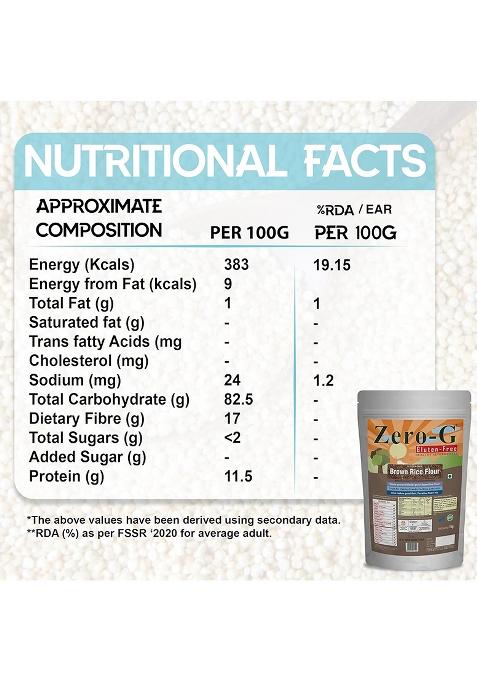
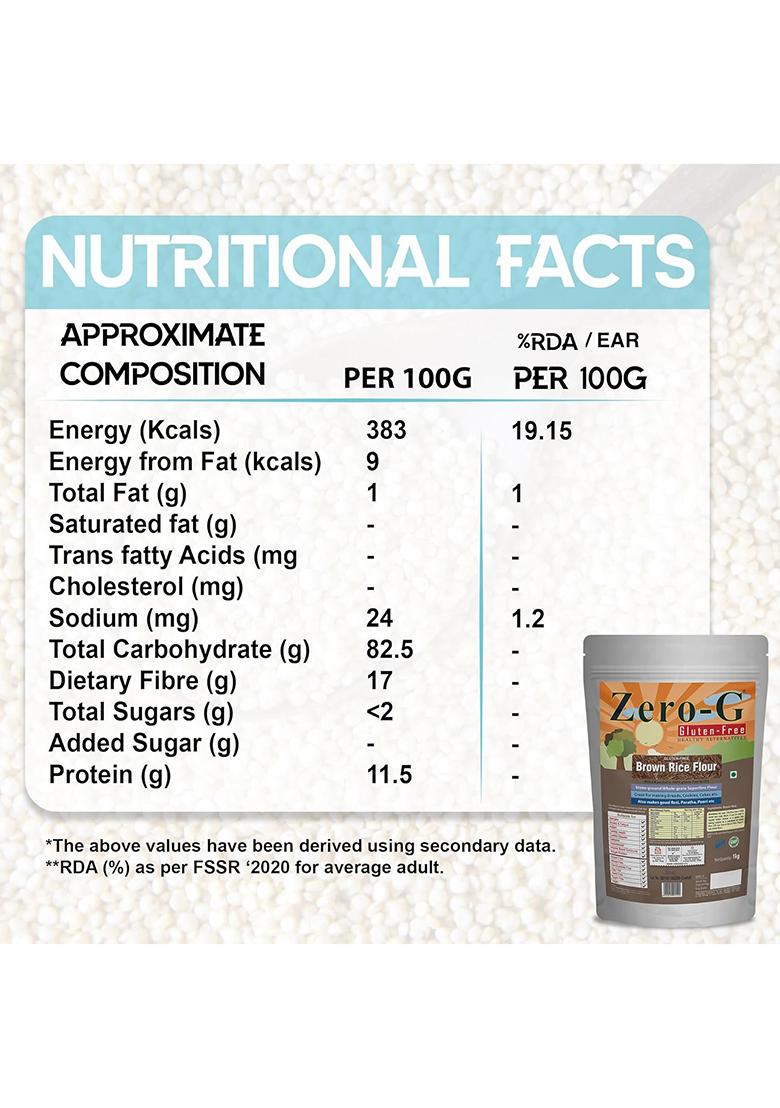
Gluten free flours like millet, chickpea, and almond are often higher in fiber, protein, and certain minerals. They can be a nutritious alternative depending on your dietary needs.
Gluten free flours can be a bit more expensive due to the ingredients and processing involved. House of Indya offers options at different price points to make them more affordable.
Yes, you can use almond, chickpea, or coconut flour to make sweets like barfi, laddoo, and halwa. You may need to adjust the recipe slightly for best results.
Store gluten free flours in airtight containers in a cool, dry place. For nut-based flours, refrigeration can help keep them fresh longer.
Yes, House of Indya provides several pack sizes for gluten free flours, so you can choose the right amount for your needs.
House of Indya stands out for offering a wide range of gluten free flours, fair pricing, and easy online ordering, making it a convenient choice for both Indian and international customers.