
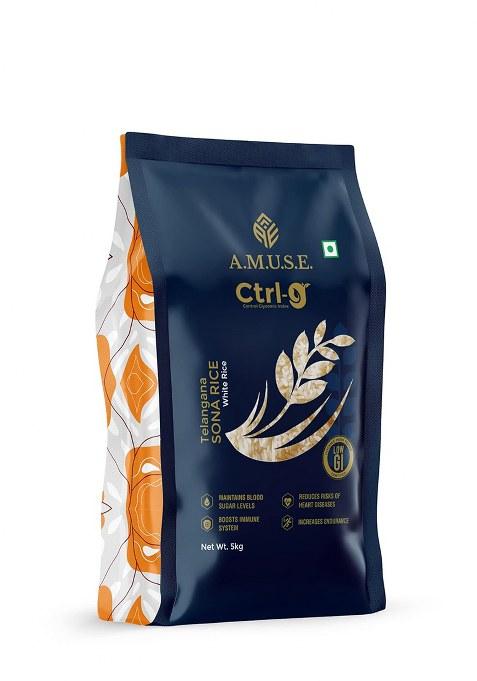
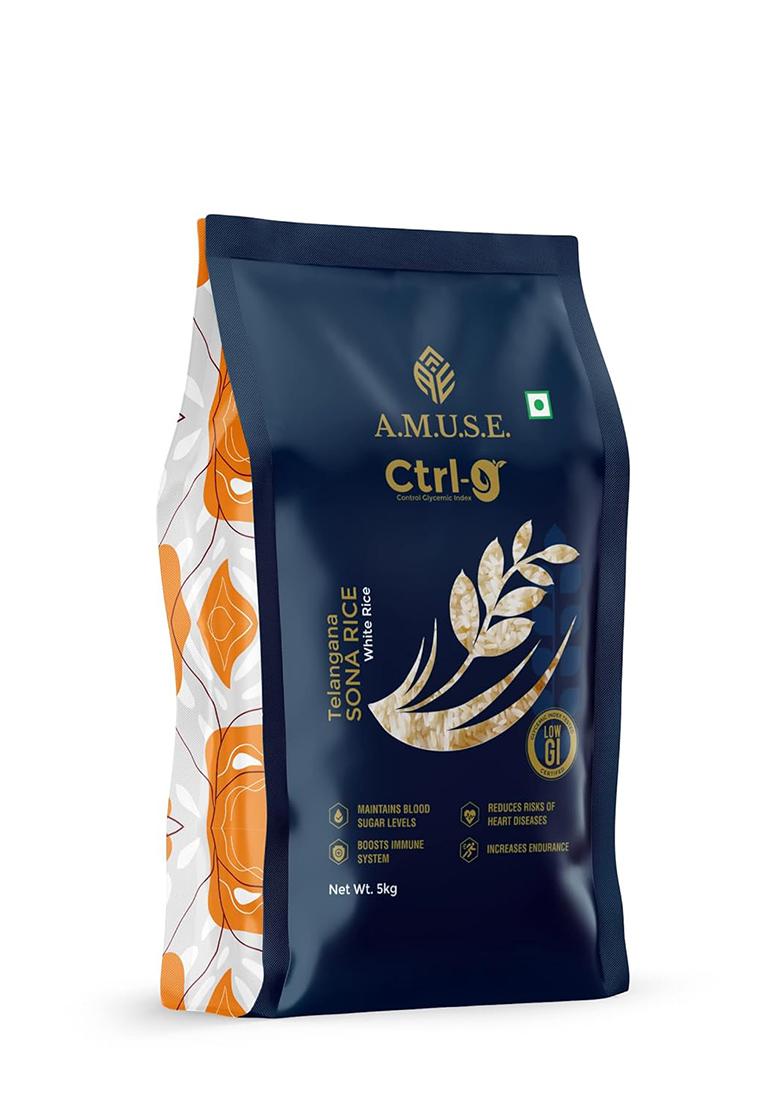

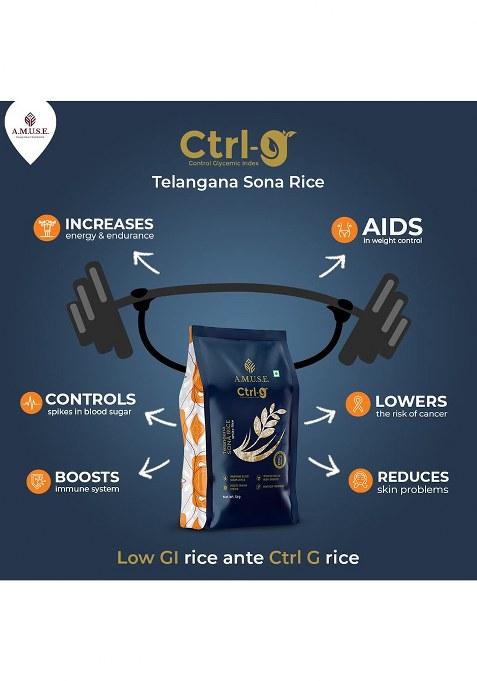
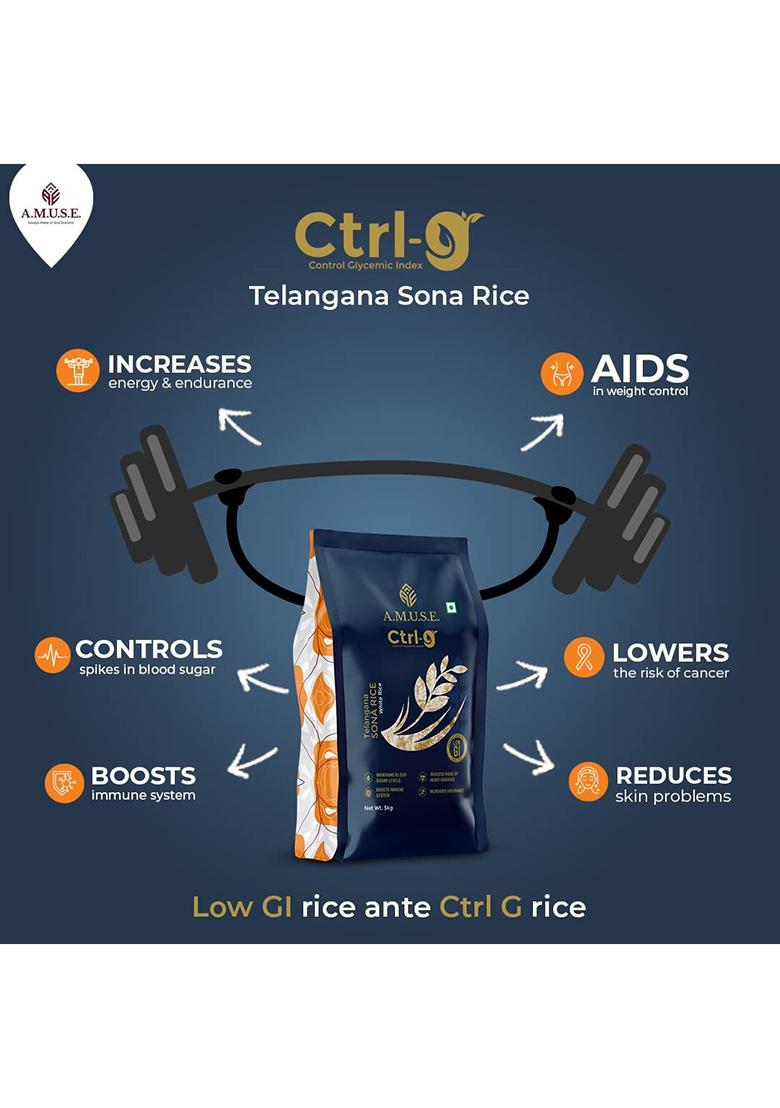
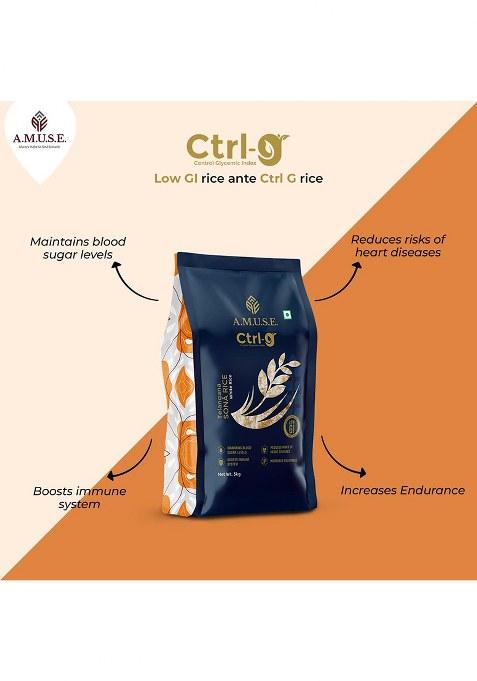
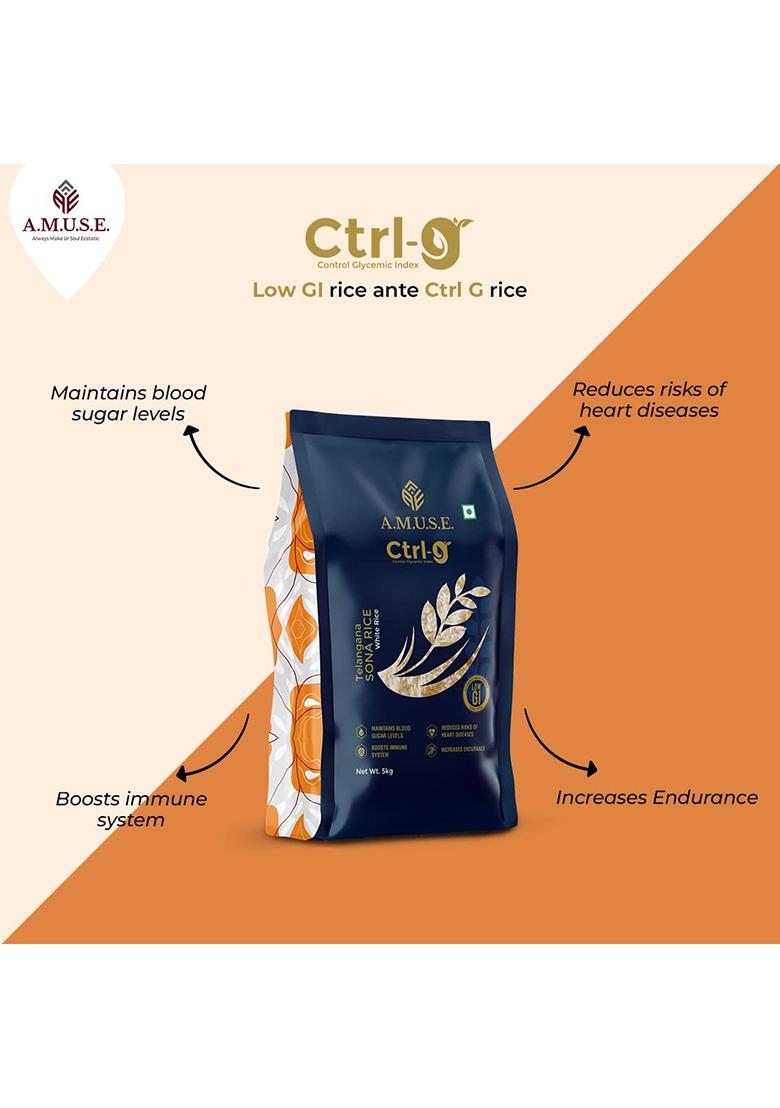
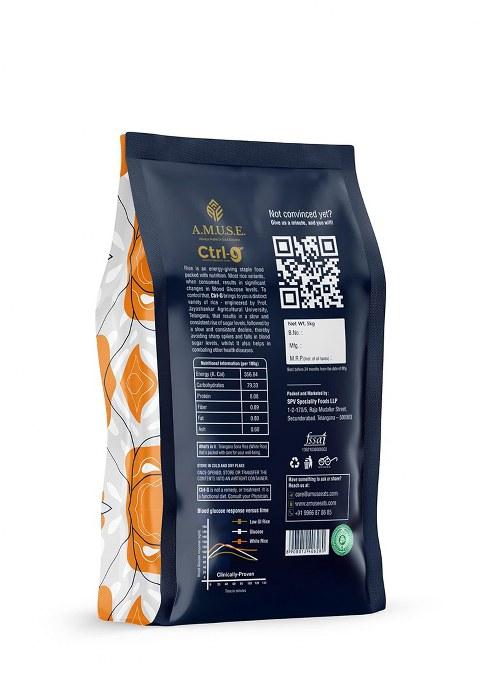
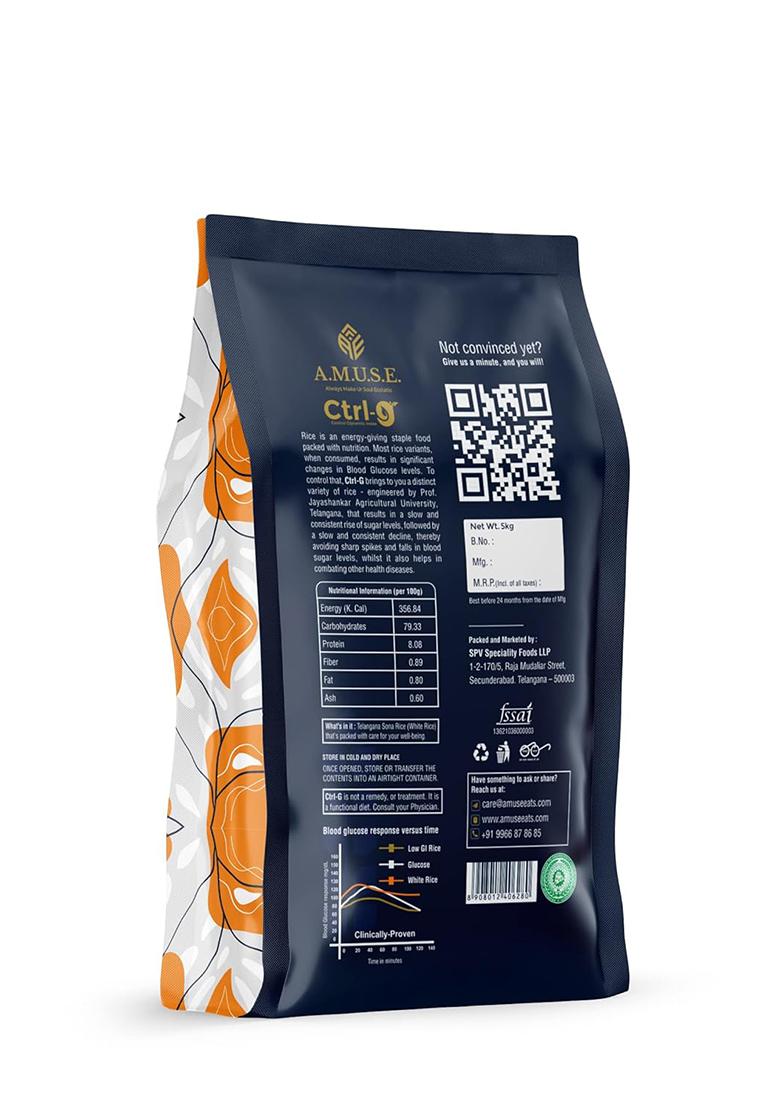




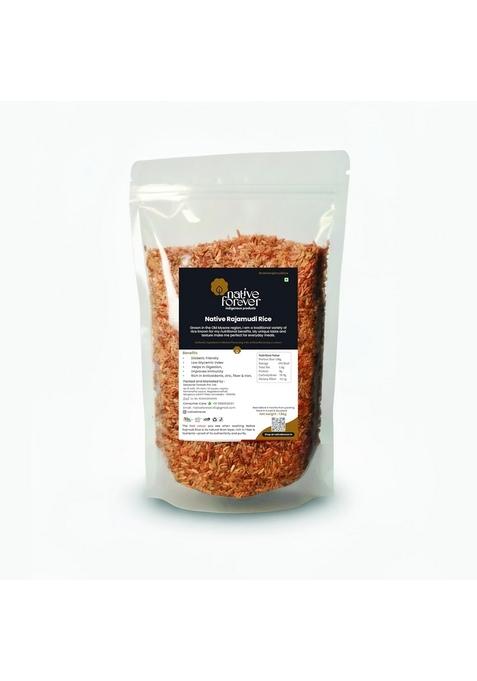
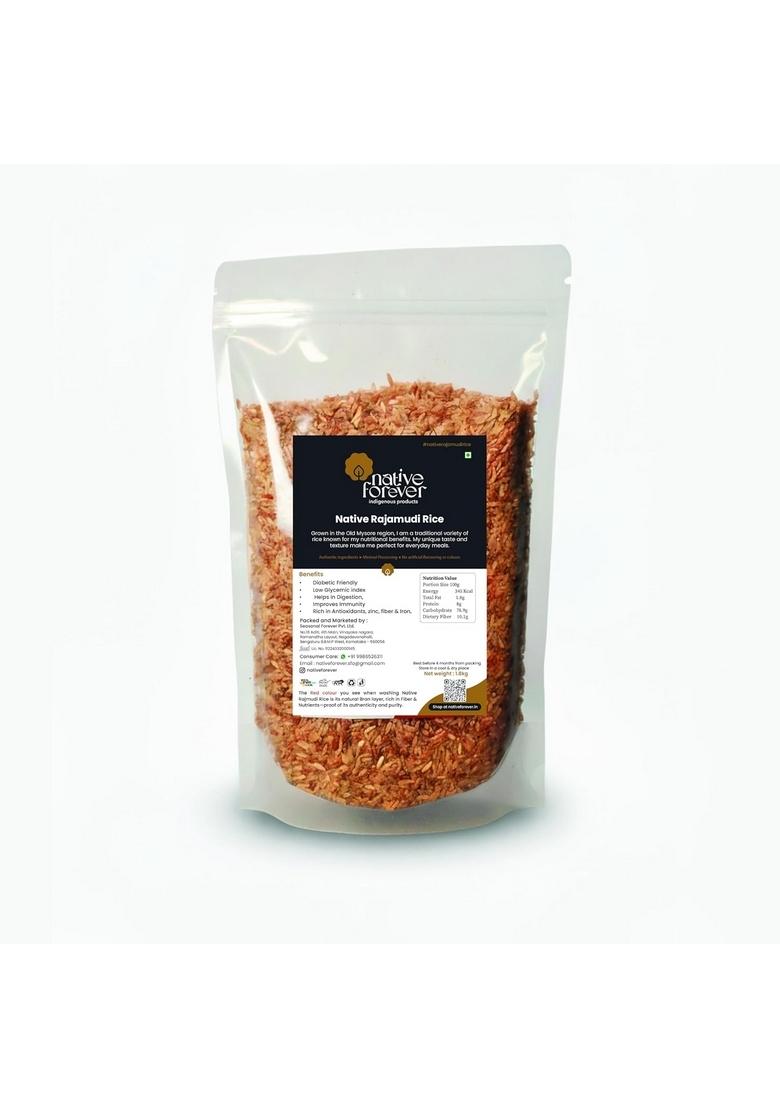
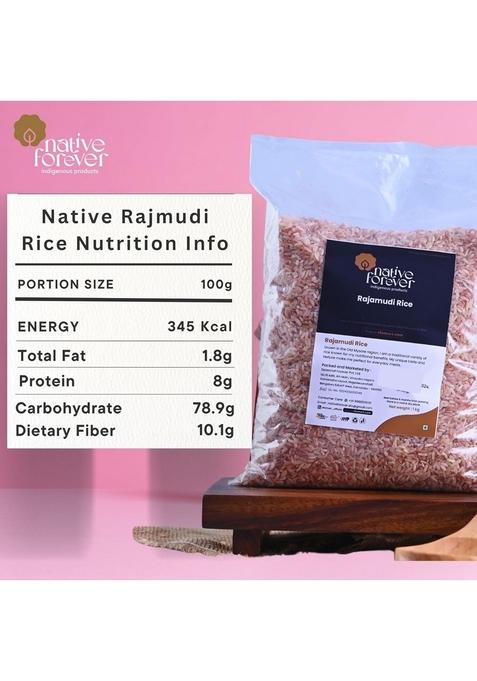
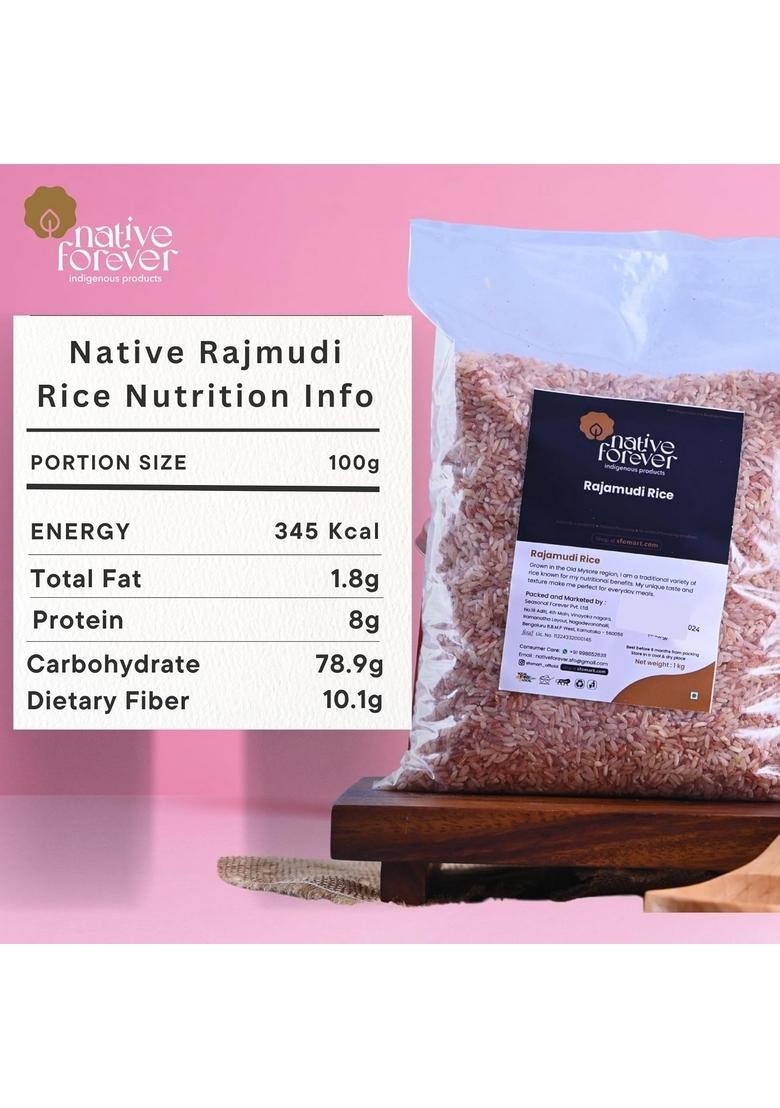
























































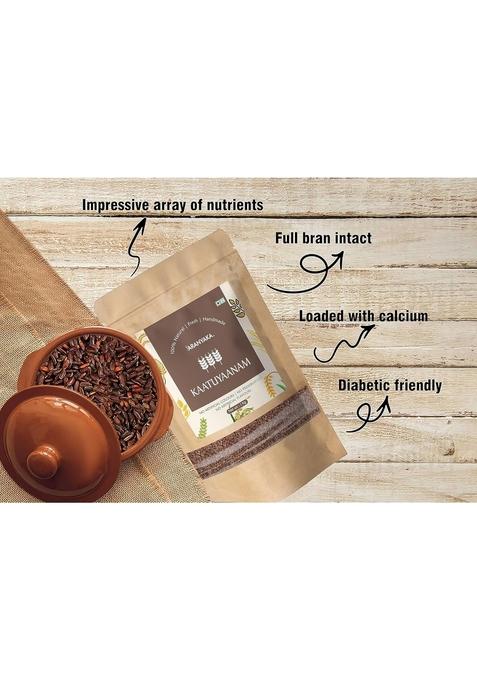
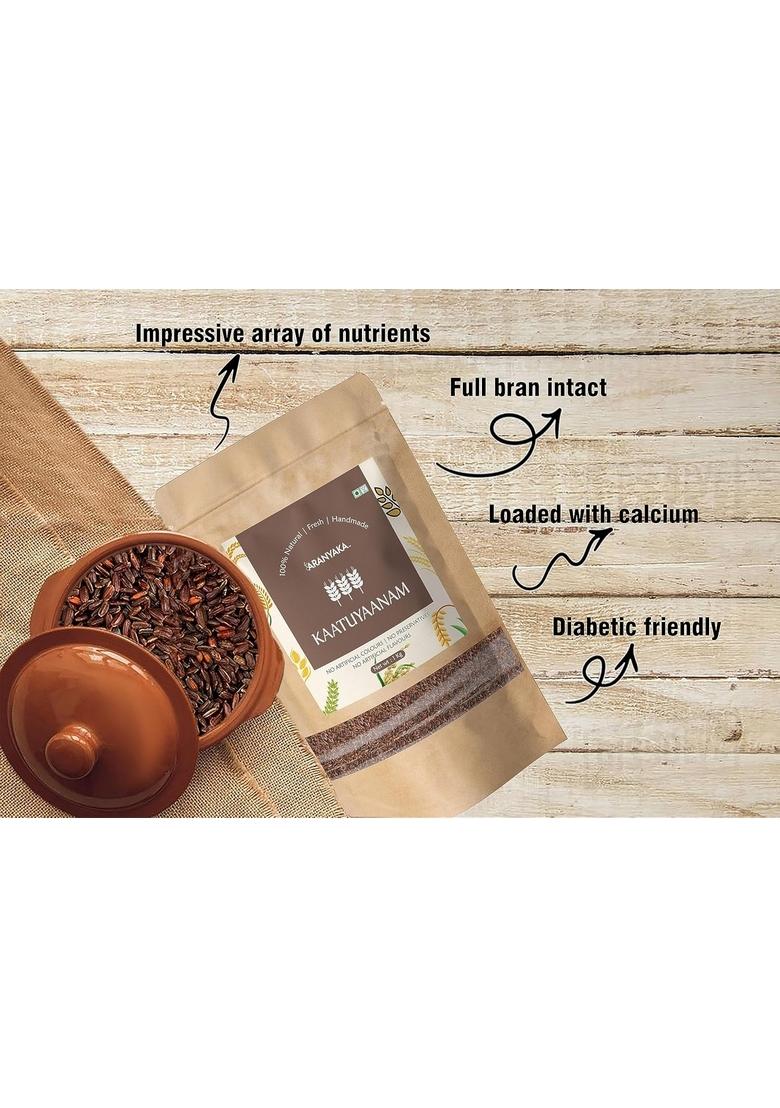




Rice is a staple food for millions, but for those managing diabetes, choosing the right type is essential. Not all rice varieties affect blood sugar in the same way. This guide explores diabetic friendly rice options, their nutritional benefits, and practical tips for healthier meals.
Rice is high in carbohydrates, which can quickly raise blood sugar levels. However, some types of rice have a lower glycemic index (GI) and more fiber, making them better choices for people with diabetes. Understanding these differences can help you enjoy rice without compromising your health.
| Rice Type | Glycemic Index | Fiber (per 100g) | Key Benefits |
|---|---|---|---|
| Brown Rice | 50-55 | ~2g | High fiber, more nutrients than white rice |
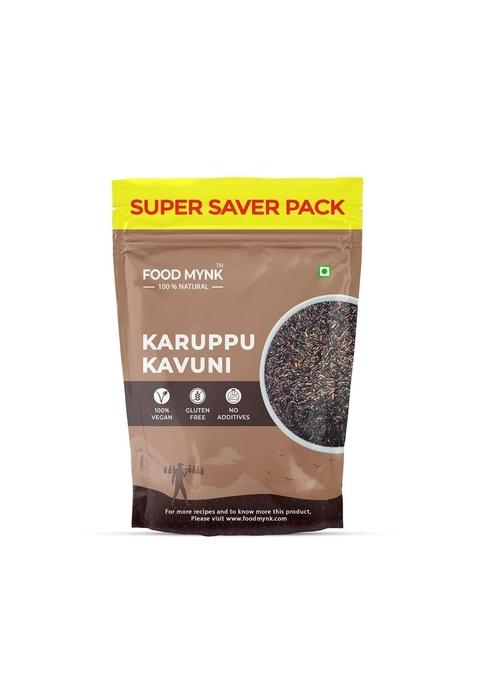
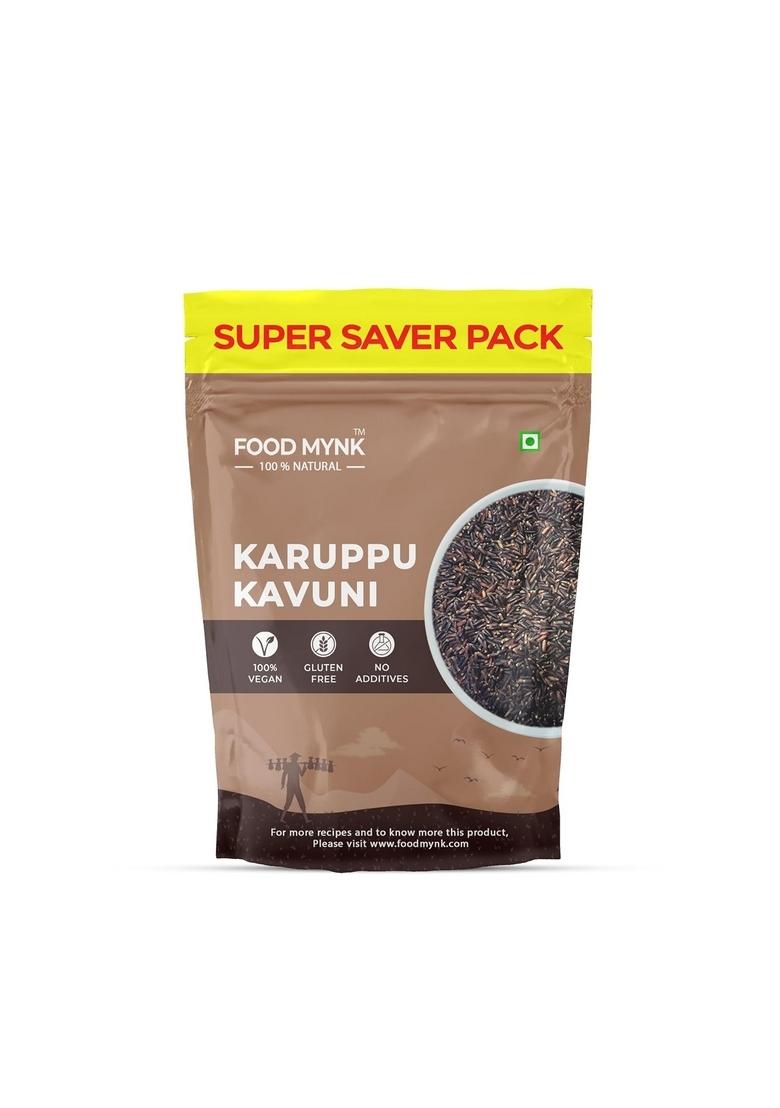
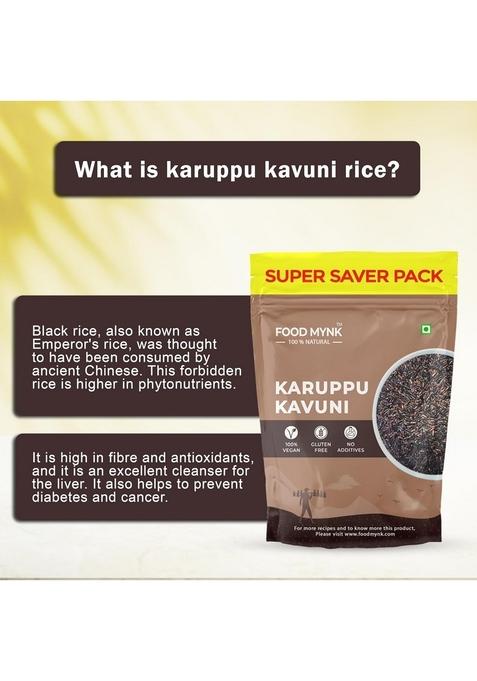
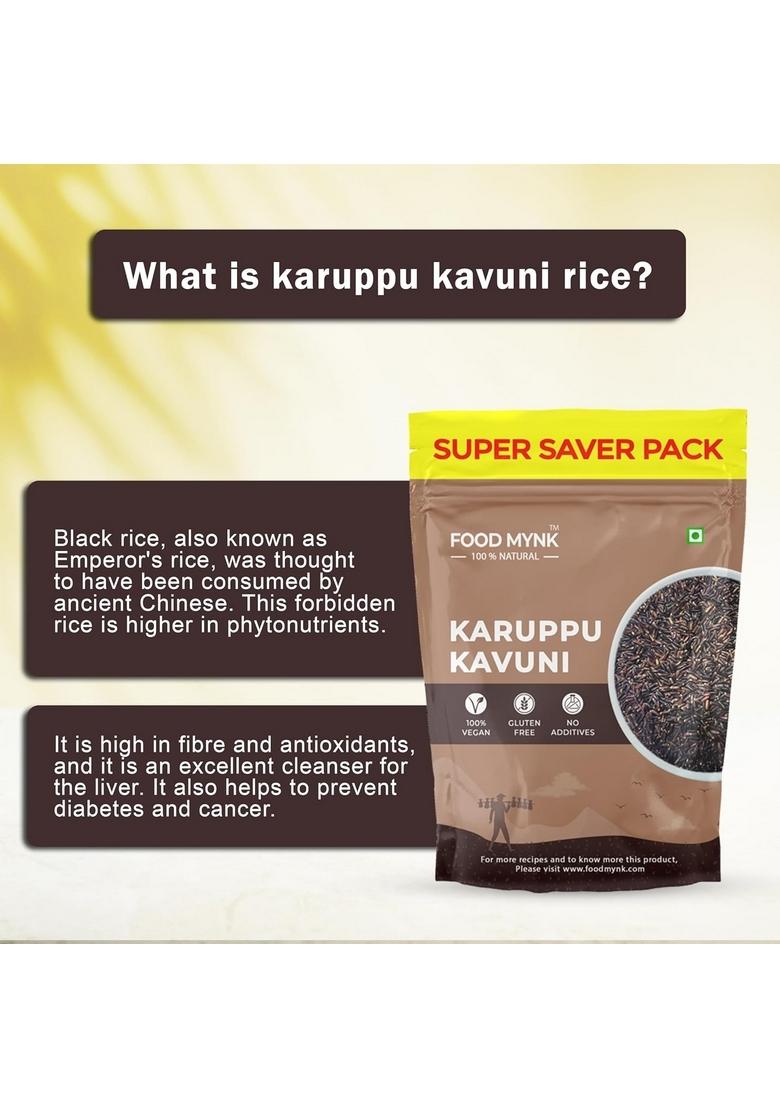
| Black Rice | 42-45 | ~4.9g | Rich in antioxidants, high fiber |
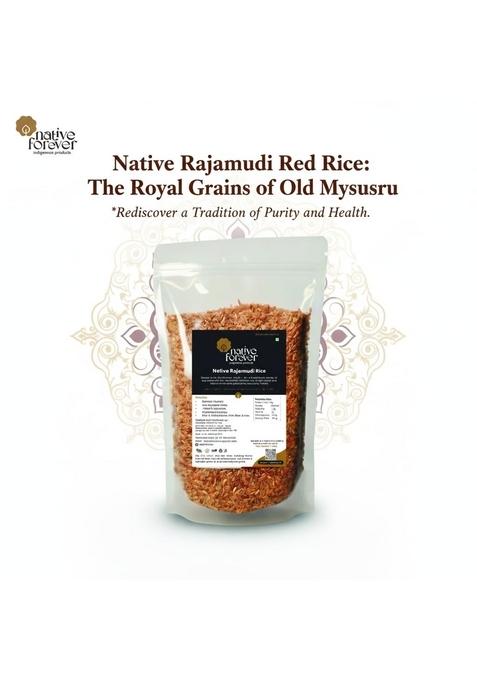
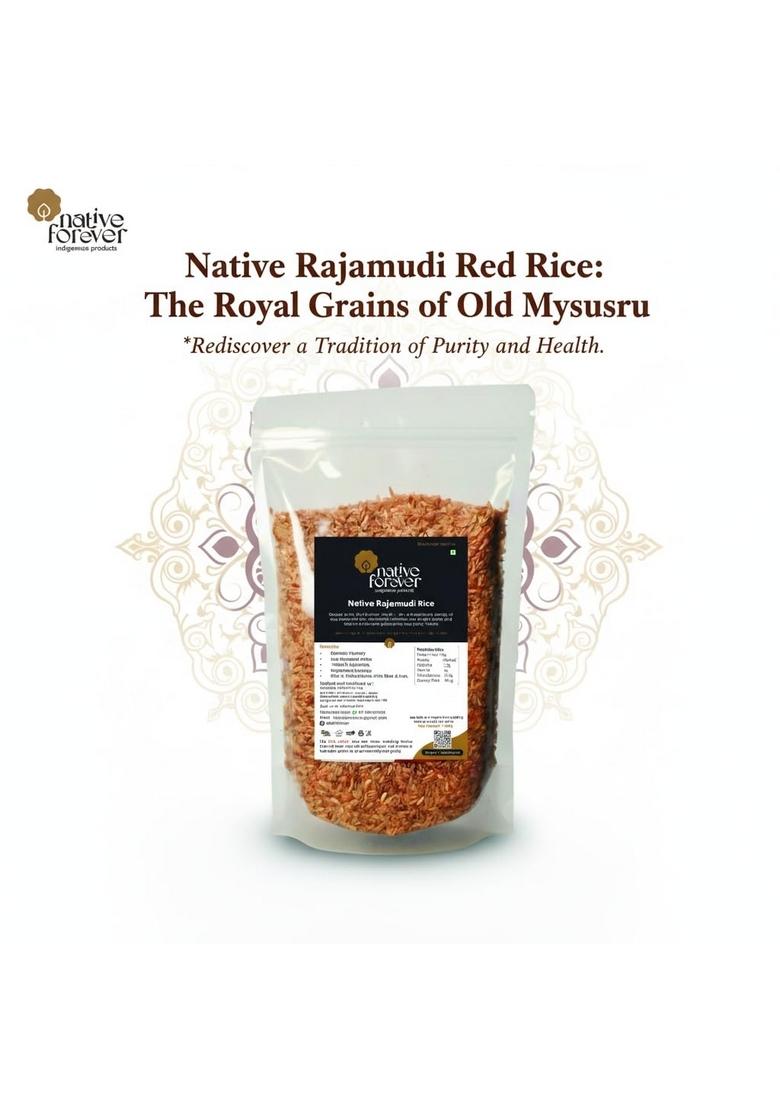
| Red Rice | 55 | ~2.7g | Contains minerals, moderate fiber |
| Wild Rice | 45-50 | ~1.8g | Low GI, unique flavor |
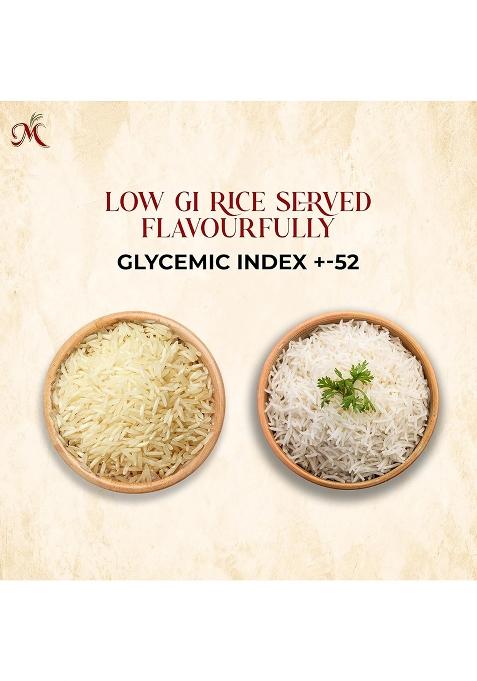
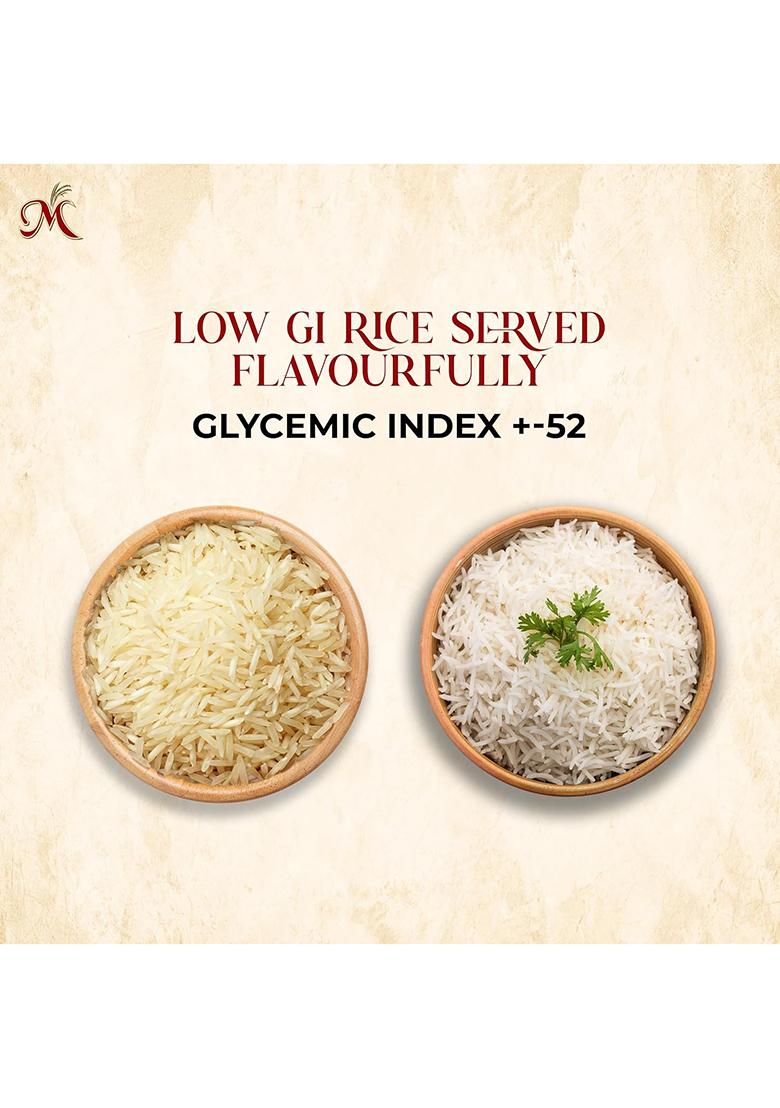
| Low GI Basmati Rice | 50-58 | ~2g | Long grain, lower impact on blood sugar |
Yes, brown rice has more fiber and a lower glycemic index than white rice, making it a better choice for people with diabetes.
Portion control is important. Limit rice to about 1/2 to 1 cup cooked per meal and balance with vegetables and protein.
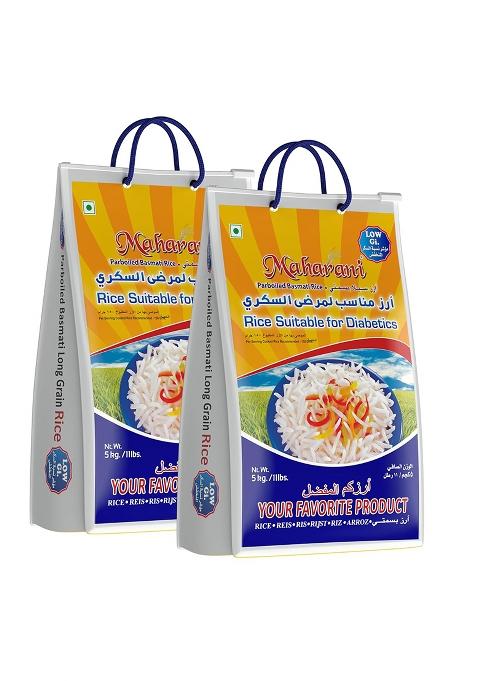
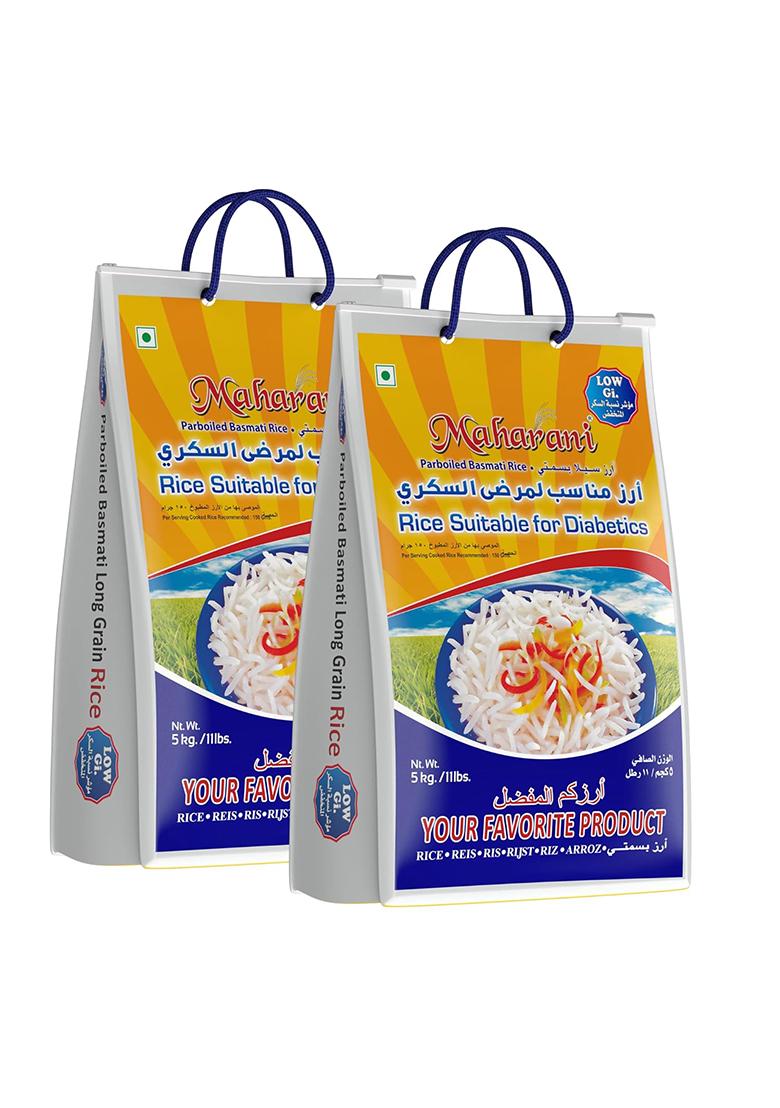
Low GI basmati rice is a good option. It has a slower impact on blood sugar compared to regular white rice.
It's best to vary your grains and keep portions small. Whole grain rice varieties can be included in a balanced diet.
Wild rice typically has a glycemic index of 45-50, which is lower than white rice.
Fiber slows digestion and absorption, helping to prevent spikes in blood sugar after meals.
White rice and sticky rice have high glycemic indexes and should be limited or avoided for better blood sugar control.
Whole grain rice varieties in small portions can fit into a weight loss plan, especially when paired with lean protein and vegetables.
Yes, House of Indya offers a curated selection of diabetic friendly rice varieties, including brown, black, and red rice.
House of Indya focuses on quality, sourcing whole grain rice varieties with lower glycemic index and higher nutritional value.
House of Indya specializes in authentic, nutritious rice varieties suitable for people with diabetes and anyone seeking healthier choices. Their range includes carefully selected whole grain rice, focusing on taste and health. Visit House of Indya
Brown rice contains more fiber and has a lower glycemic index than white rice, making it a healthier option for managing blood sugar.
Moderation is key. Aim for 1/2 to 1 cup cooked rice per meal, and pair it with vegetables and lean protein for balance.
Low glycemic index basmati rice is a suitable choice for people with diabetes, as it has a slower effect on blood sugar.
It's best to vary your grains and keep rice portions small. Whole grain rice can be part of a balanced diet.
Wild rice has a glycemic index of about 45-50, which is lower than most white rice varieties.
Fiber slows down digestion and absorption, helping to prevent spikes in blood sugar after meals.
High GI rice like white rice and sticky rice should be limited or avoided for better blood sugar control.
Whole grain rice in moderate portions can fit into a weight loss plan, especially when combined with protein and vegetables.
Yes, House of Indya provides a range of diabetic friendly rice, including brown, black, and red rice varieties.
House of Indya focuses on quality, offering whole grain rice with lower glycemic index and higher nutrition.