
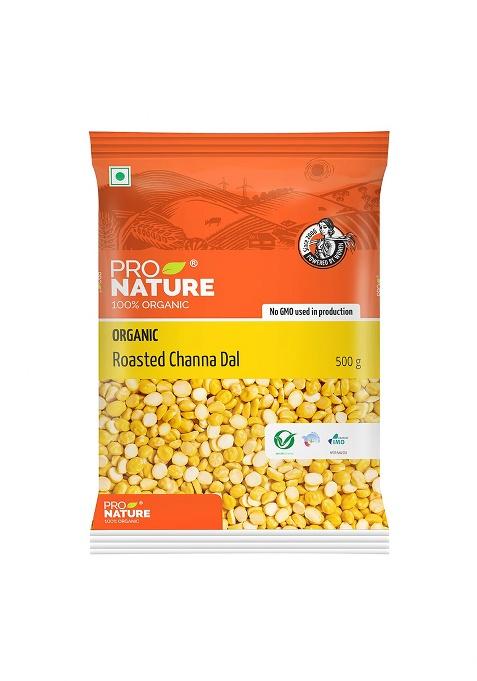
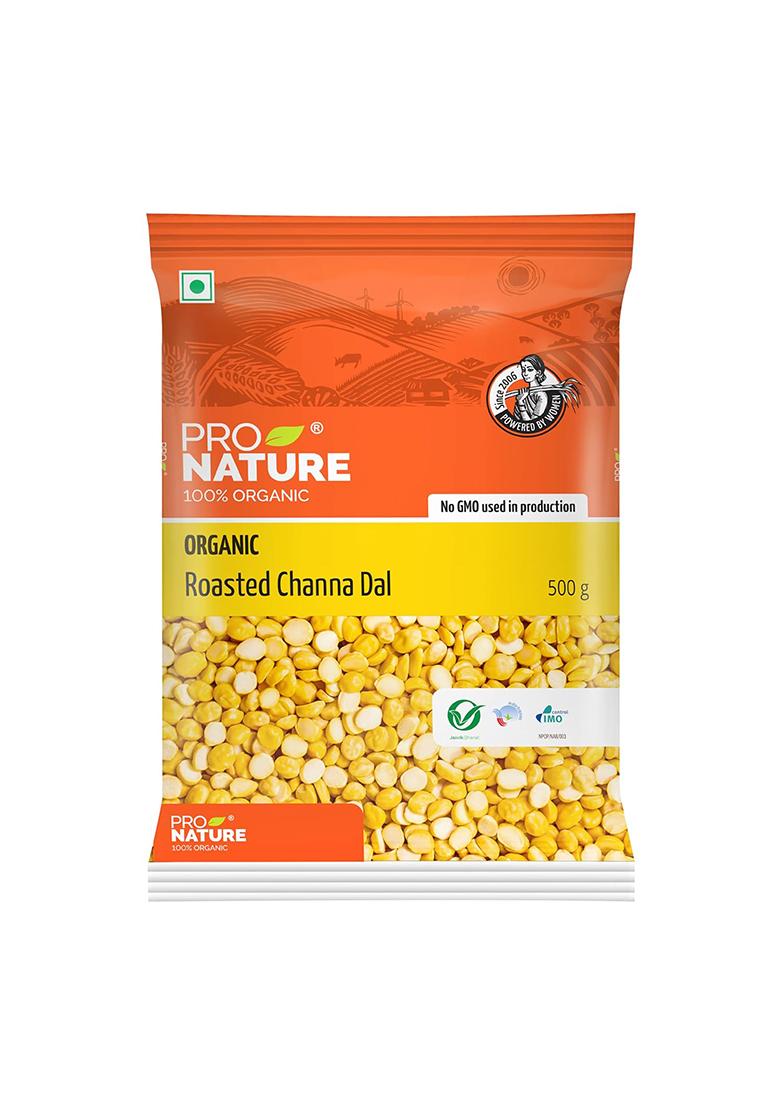


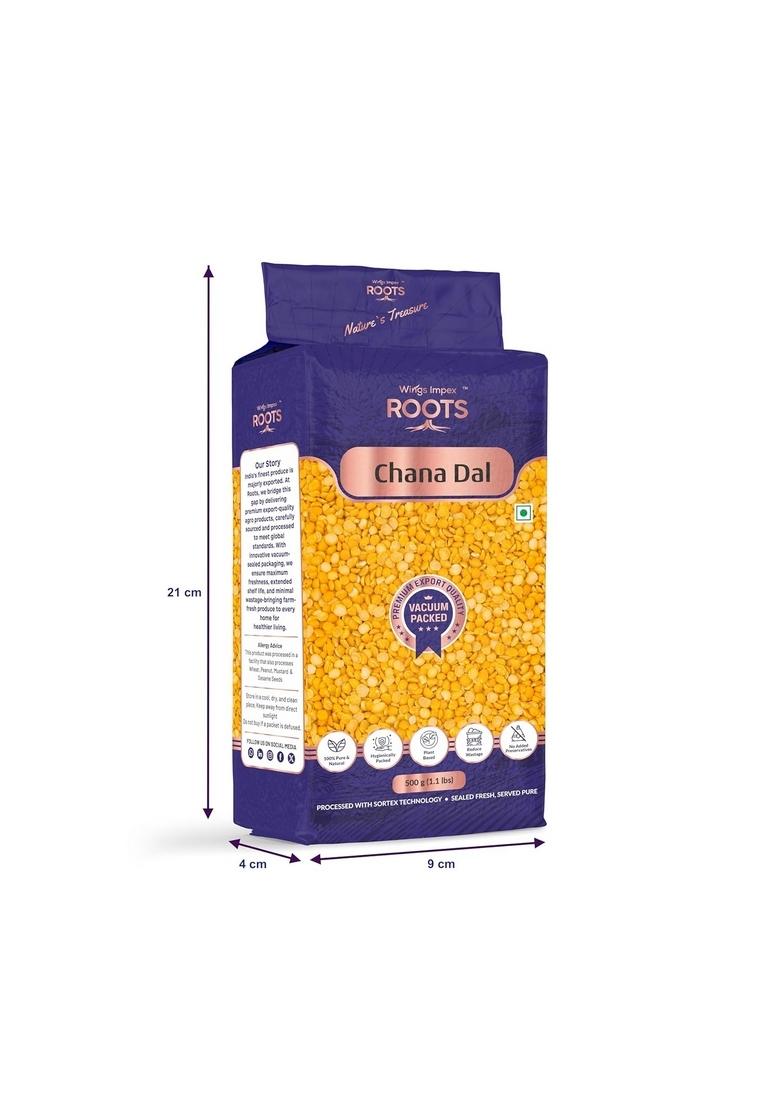
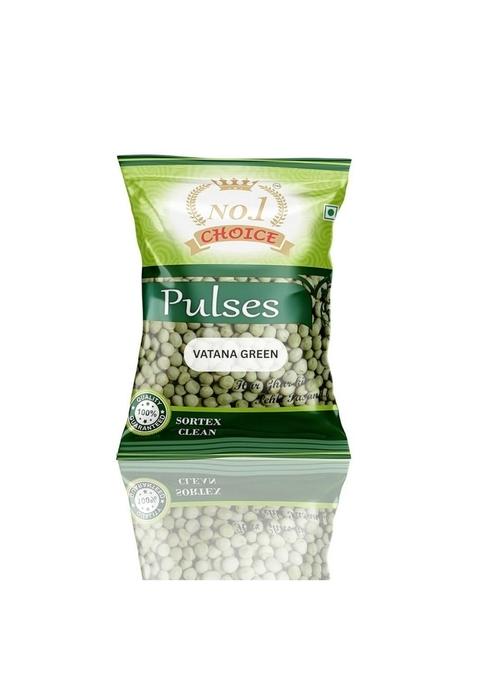
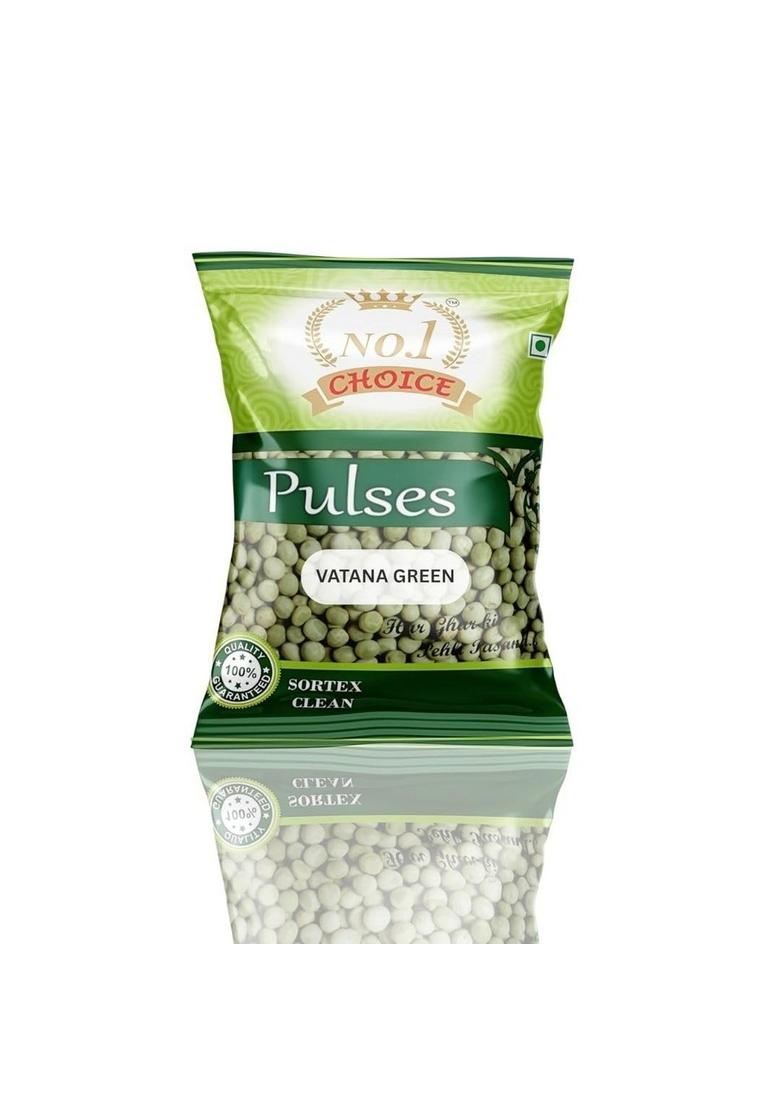
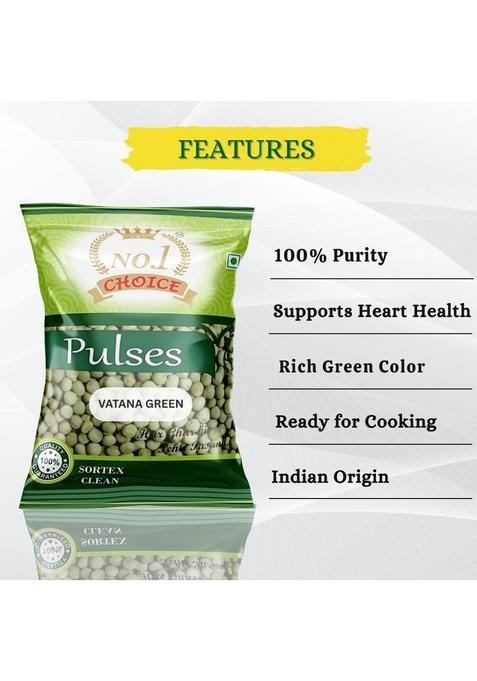
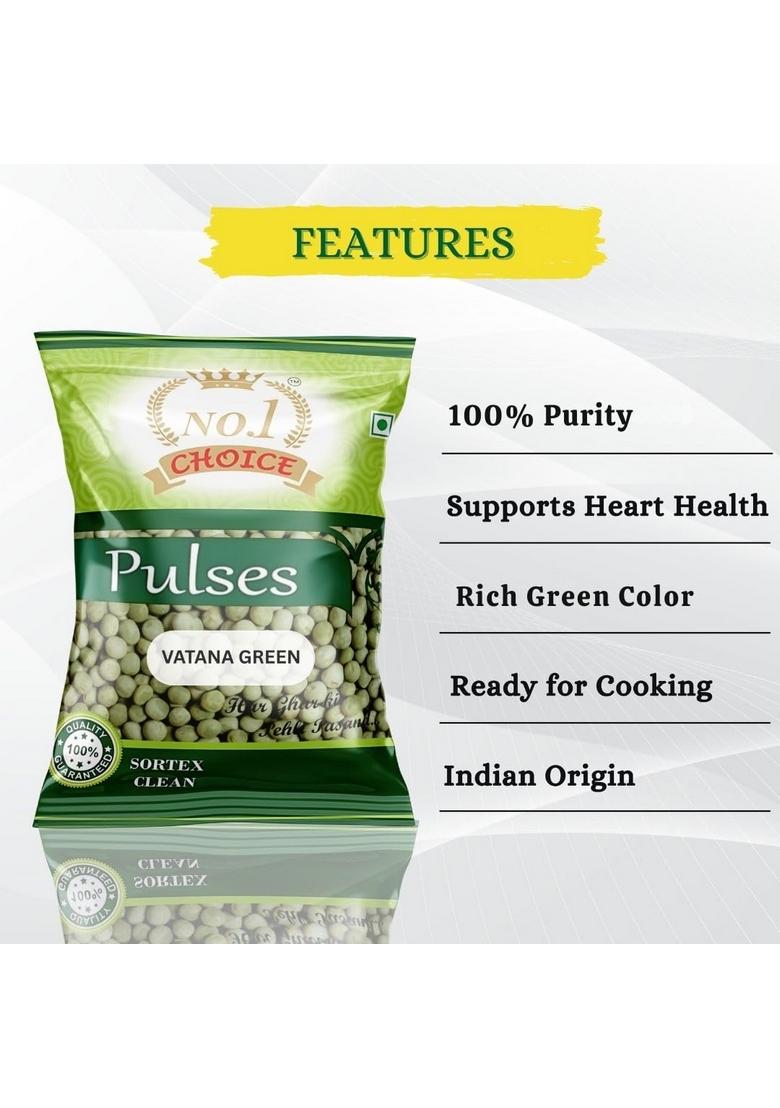
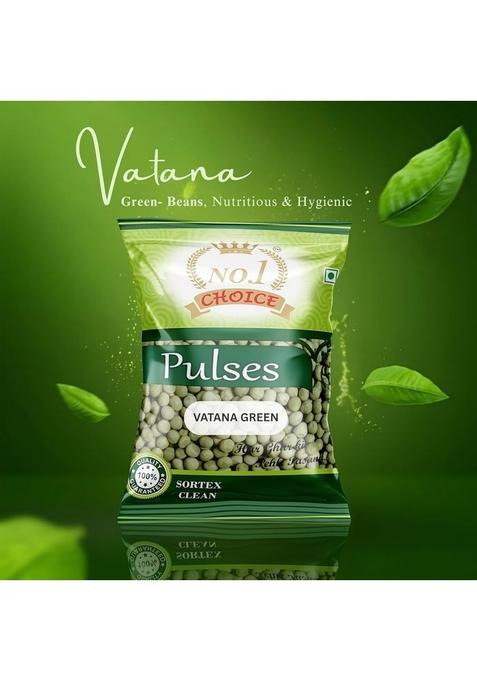
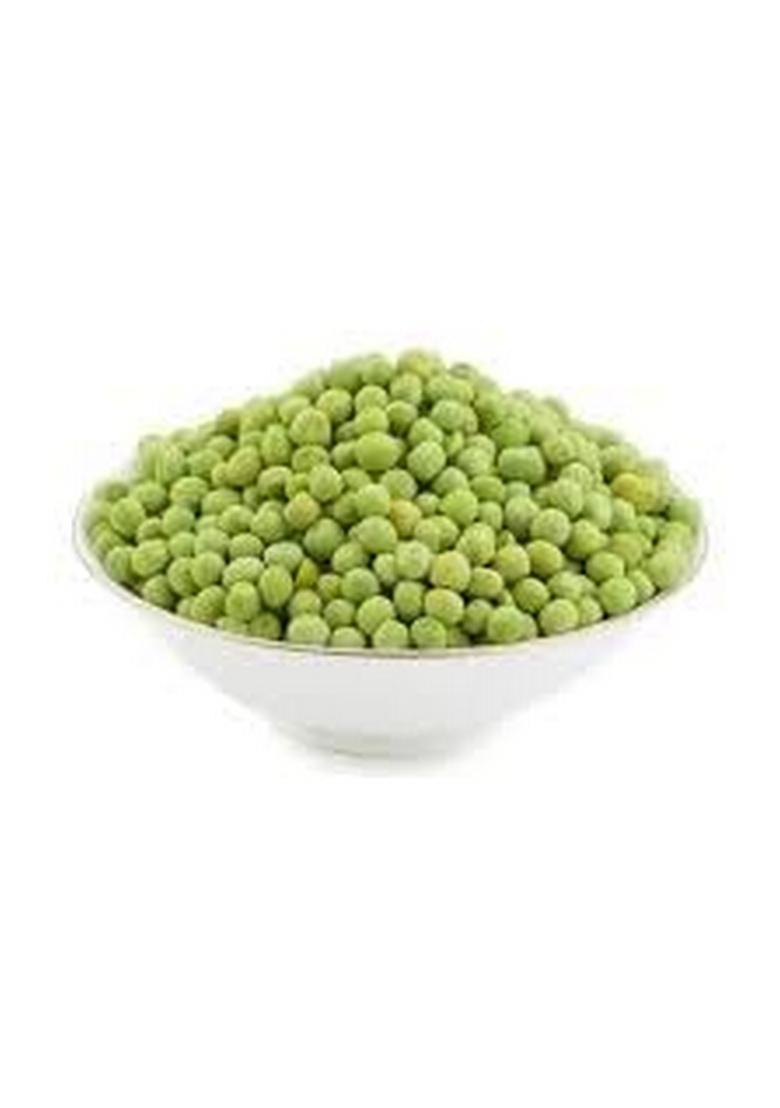
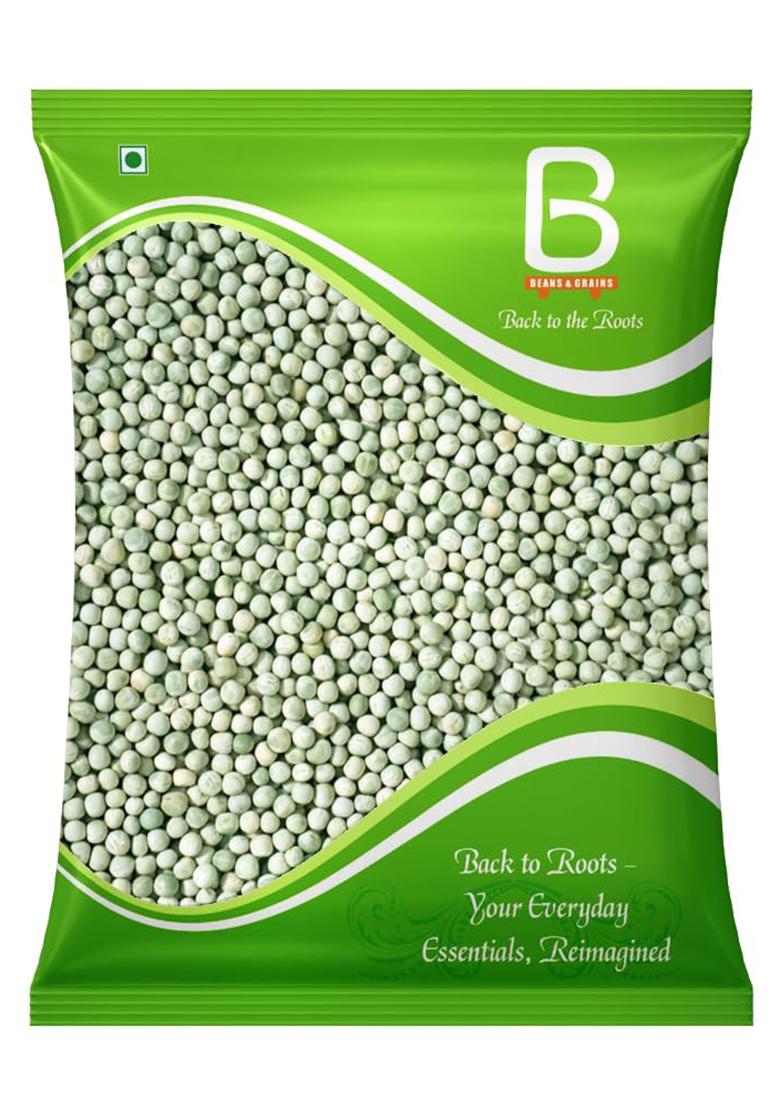
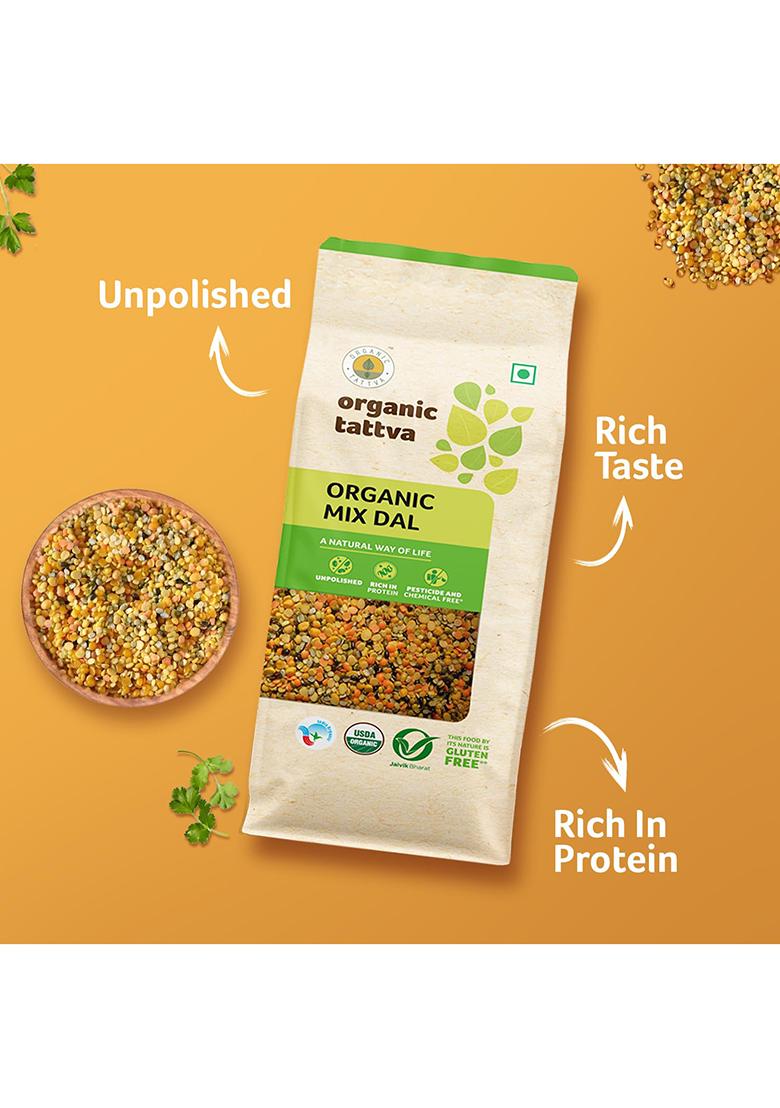
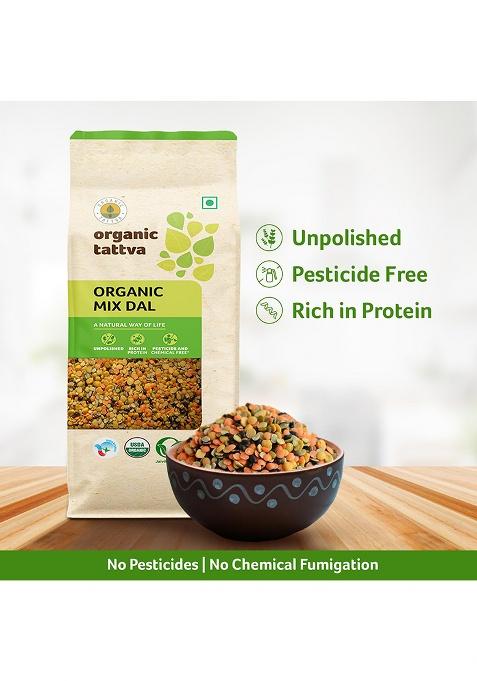
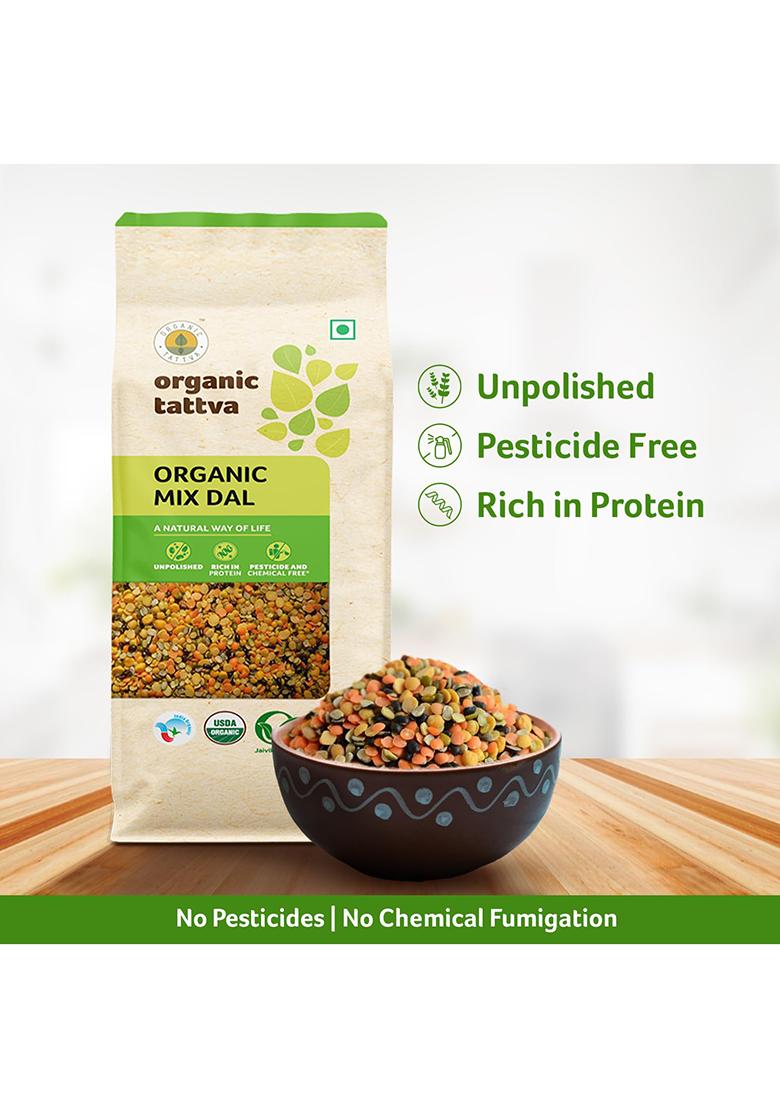
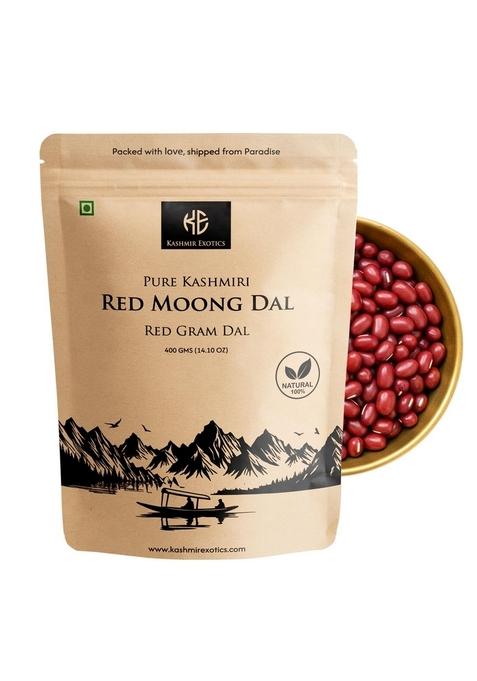
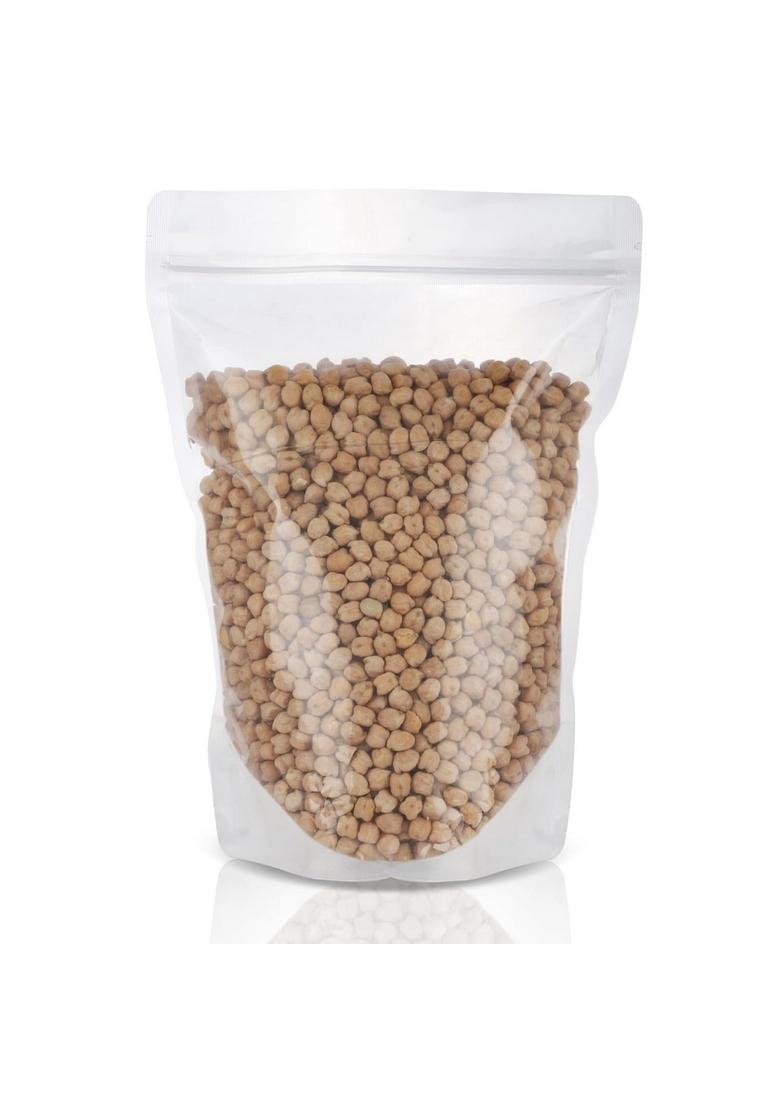
If you're looking to boost your protein intake with plant-based foods, high protein dal and pulses are a smart choice. Packed with essential nutrients, these staples are a favorite in Indian kitchens and a great option for vegetarians and vegans. In this guide, you'll learn about the best high protein dals and pulses, their nutritional value, health benefits, and simple ways to add them to your meals.
Dal refers to split lentils commonly used in Indian cooking, while pulses include lentils, beans, and peas. Both are rich sources of protein, fiber, vitamins, and minerals. Including a variety of dals and pulses in your diet supports muscle growth, energy, and overall well-being.
| Dal/Pulse | Protein (per 100g, raw) | Key Nutrients |
|---|---|---|
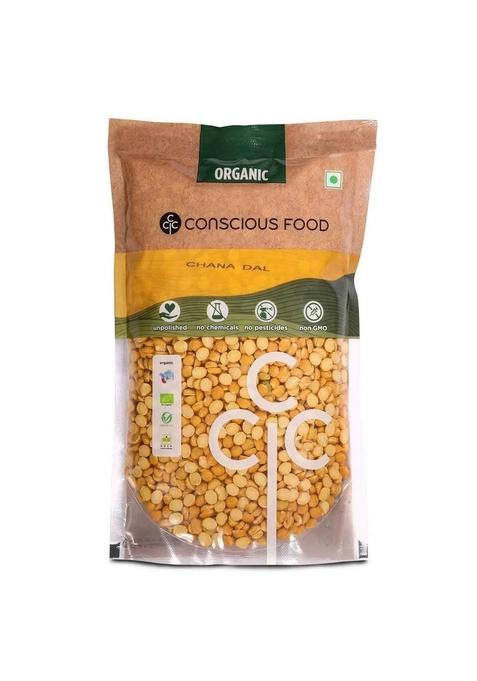
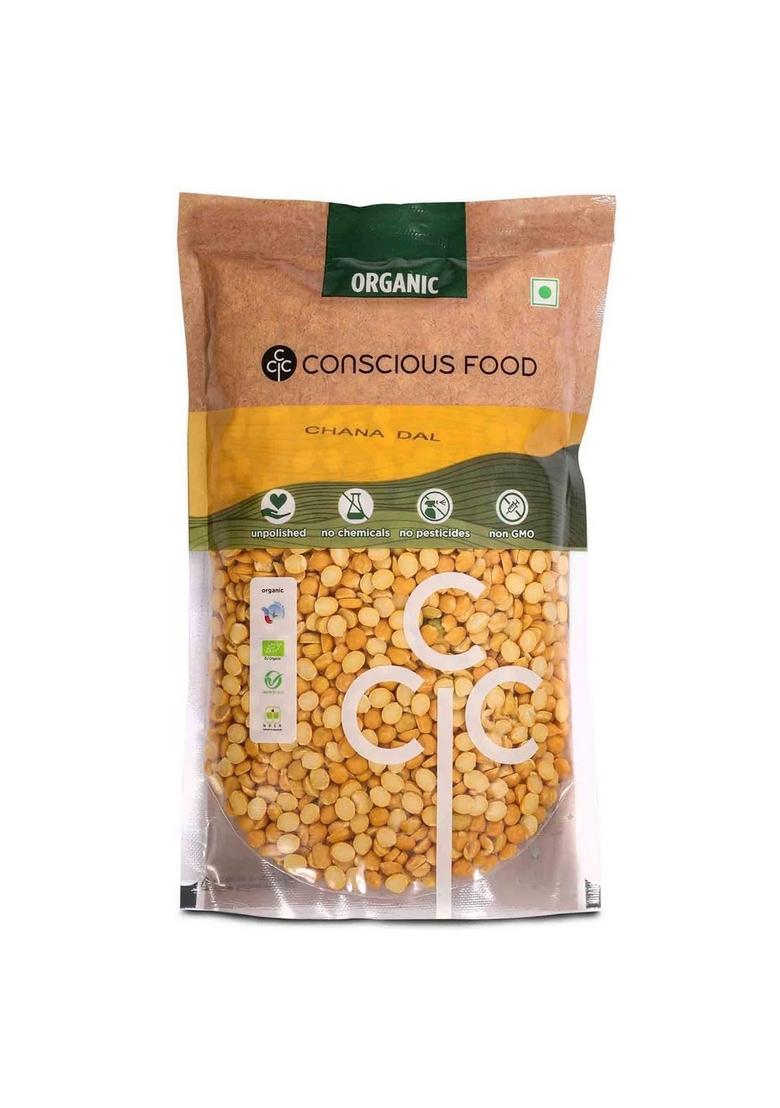
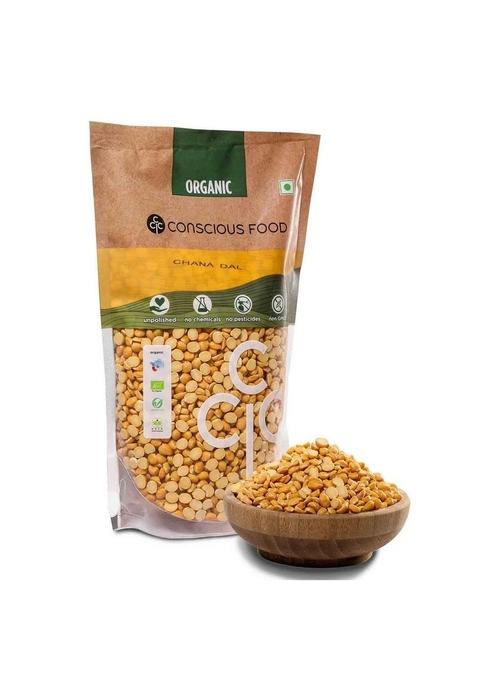
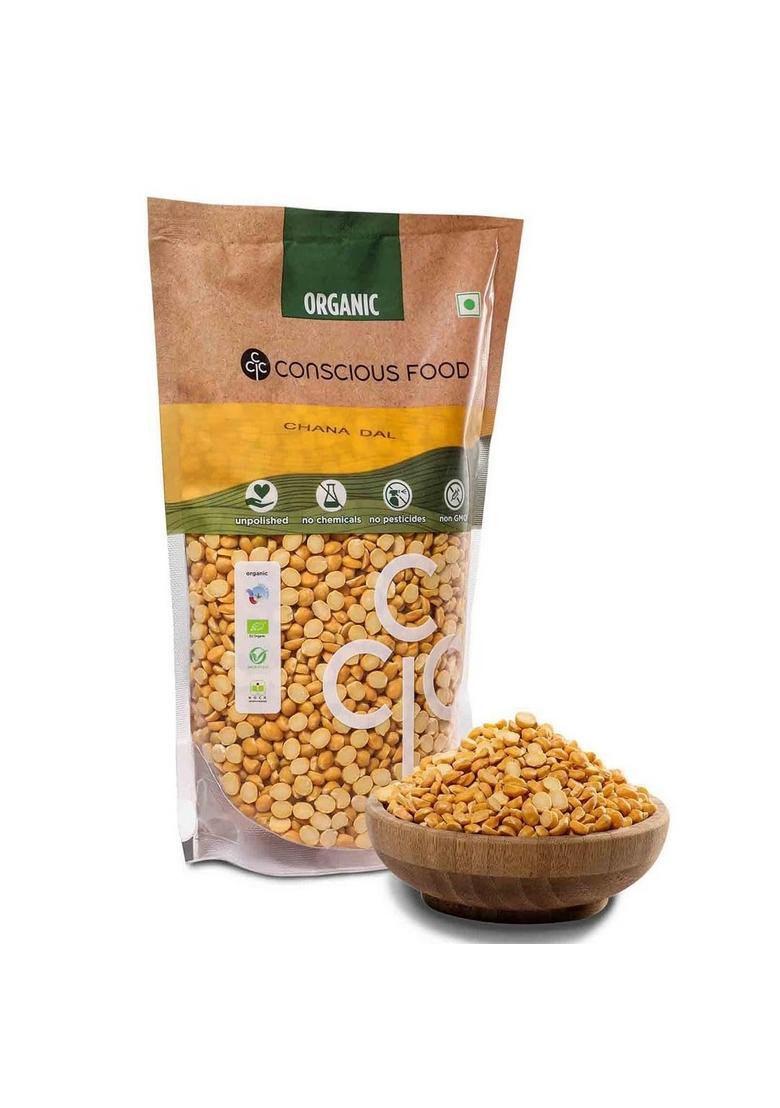
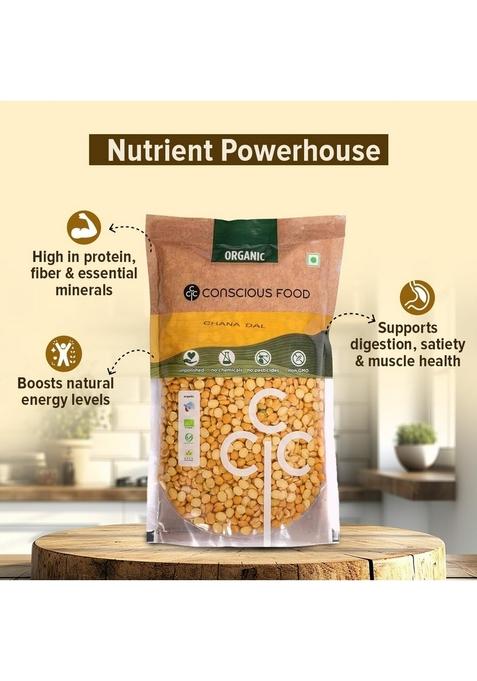
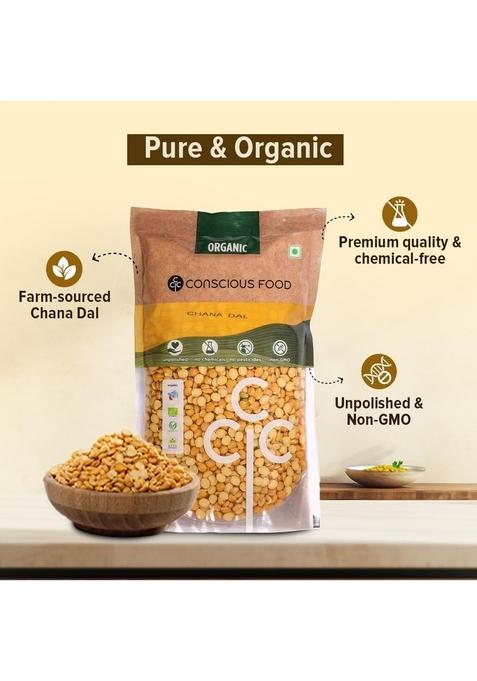
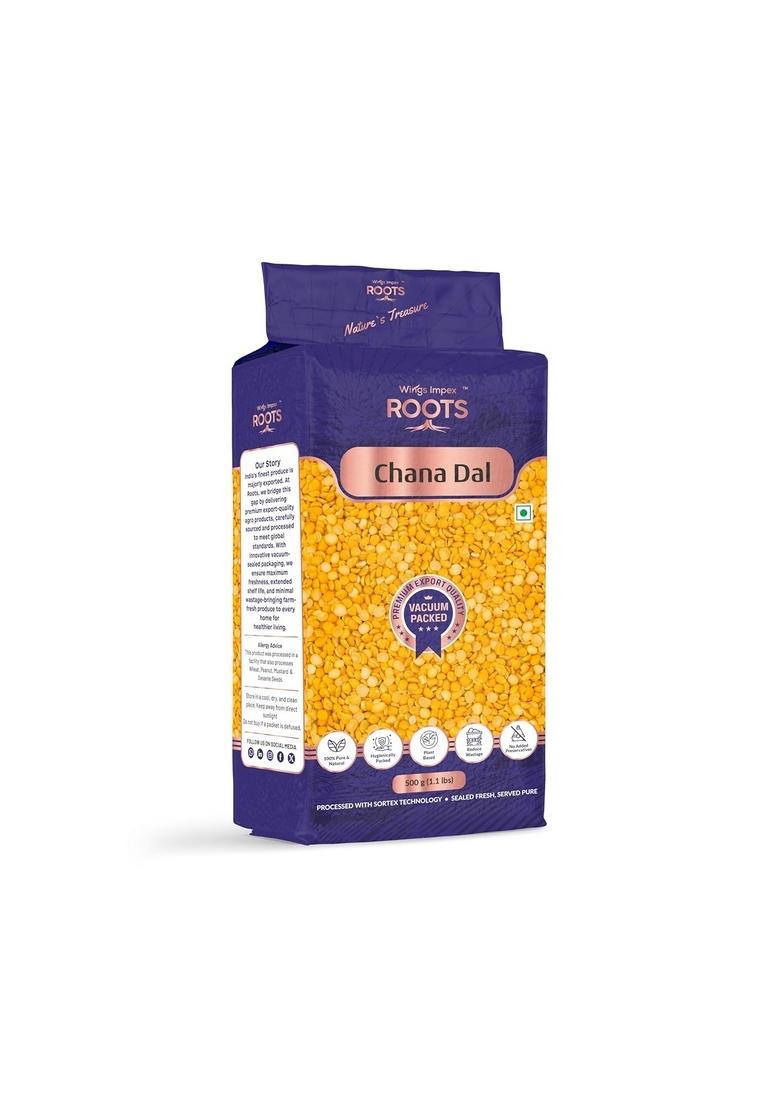
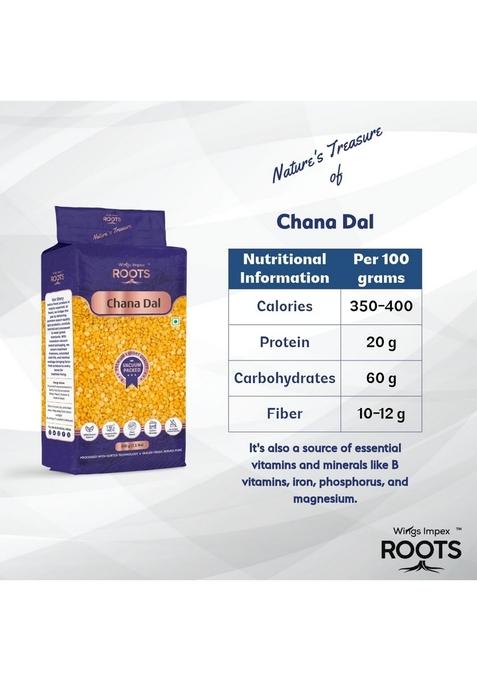
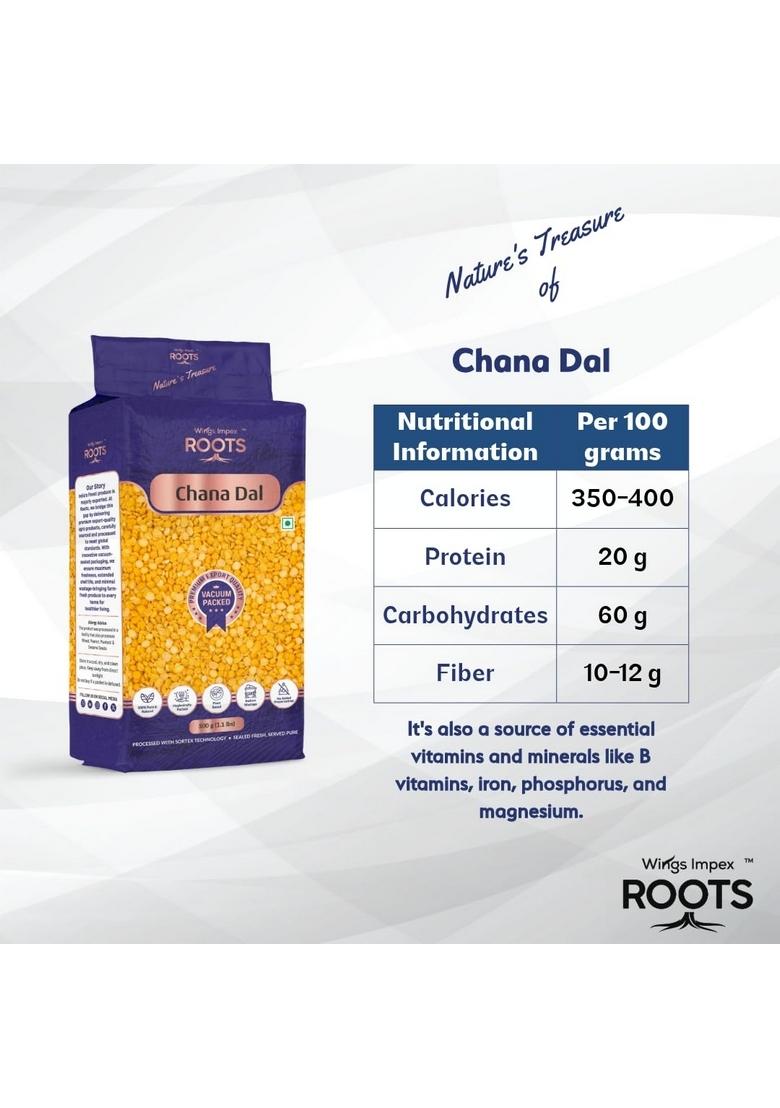
| Chana Dal | 21g | Iron, Fiber, B Vitamins |
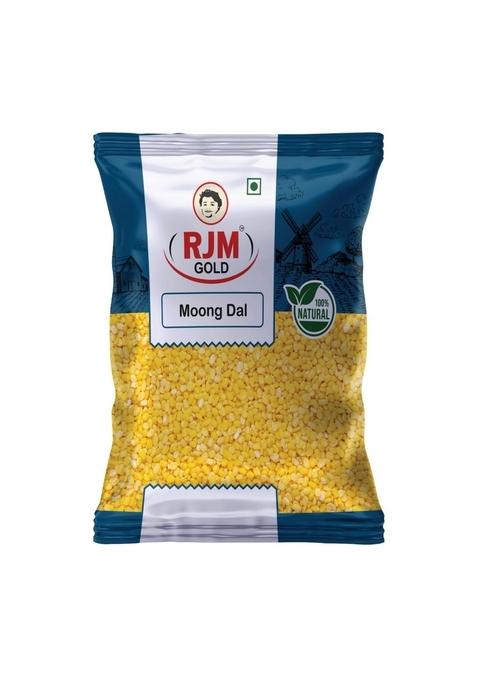
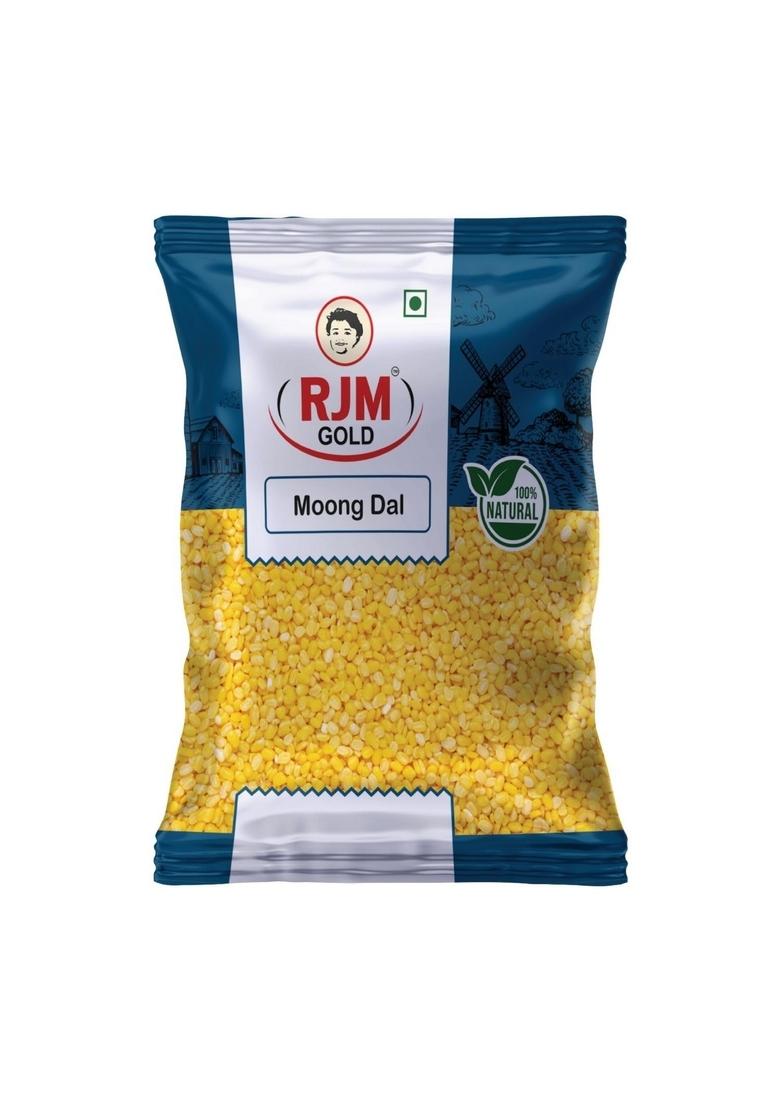
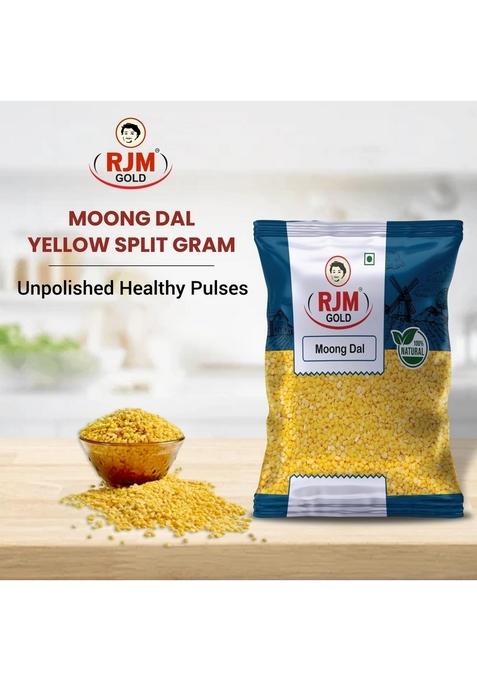
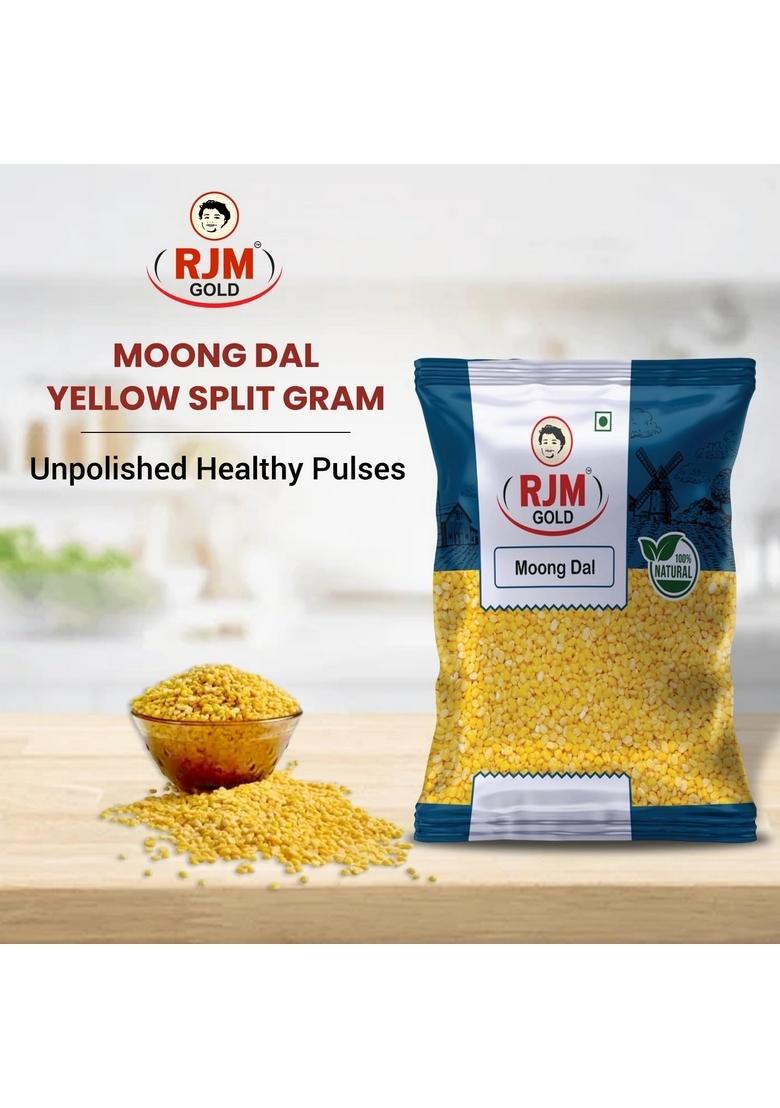
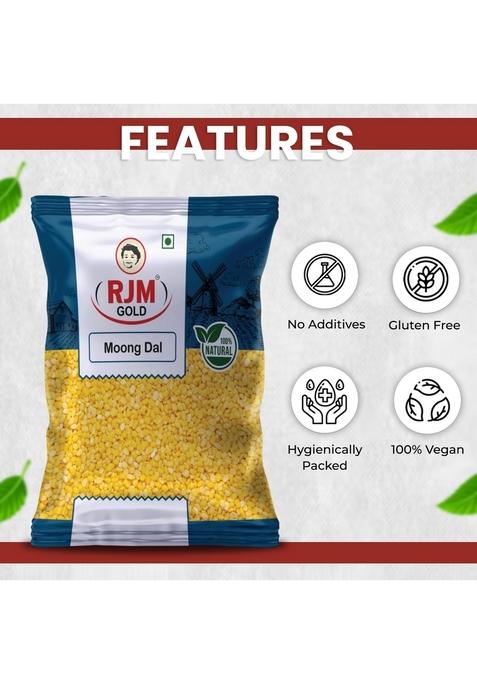
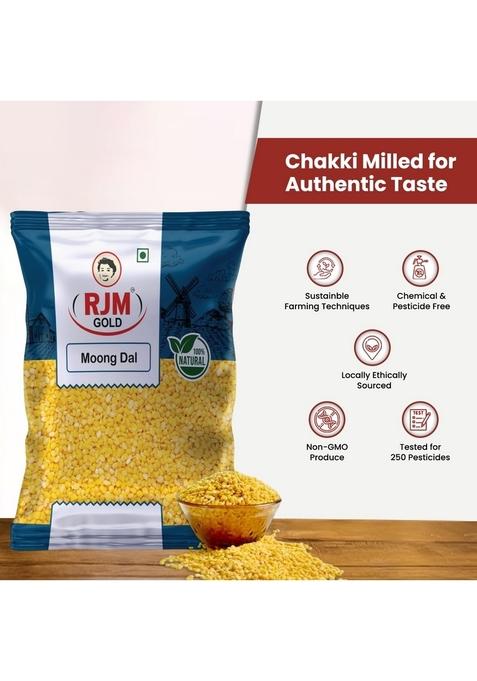
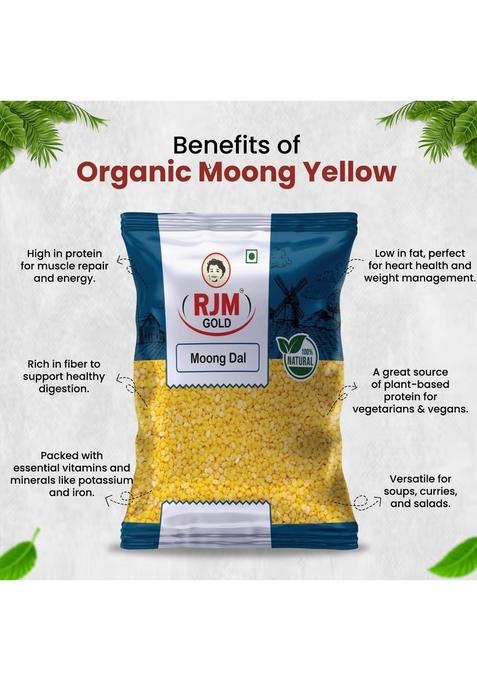
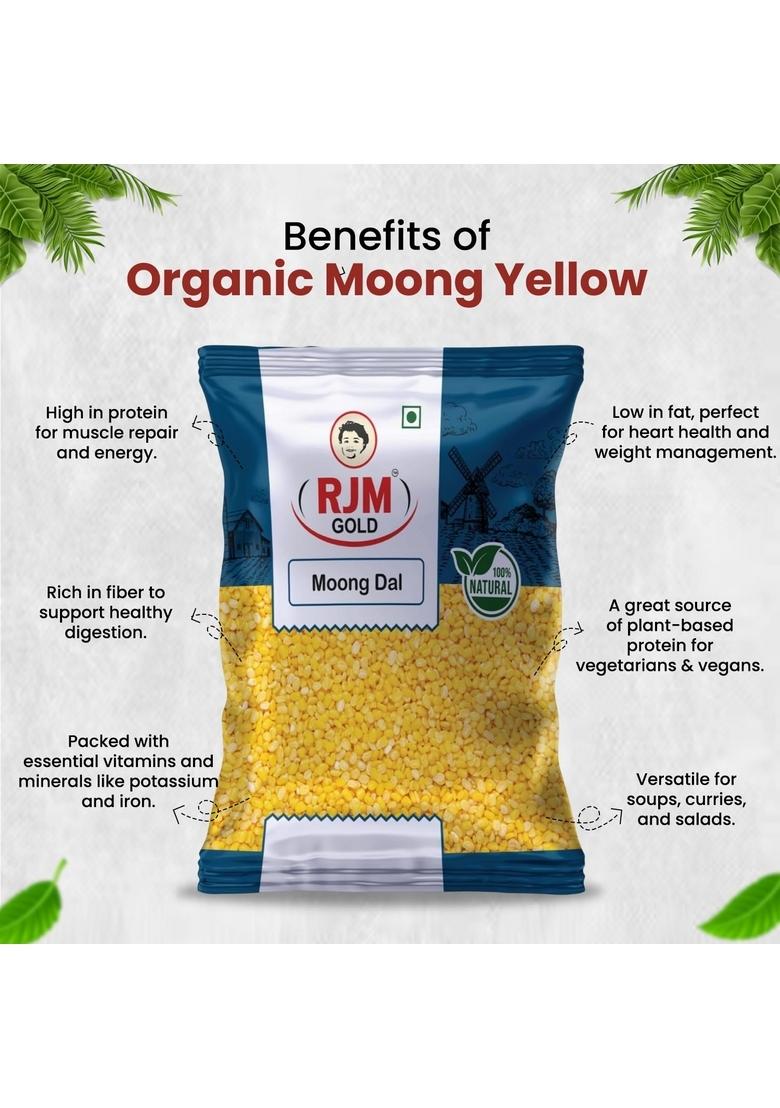
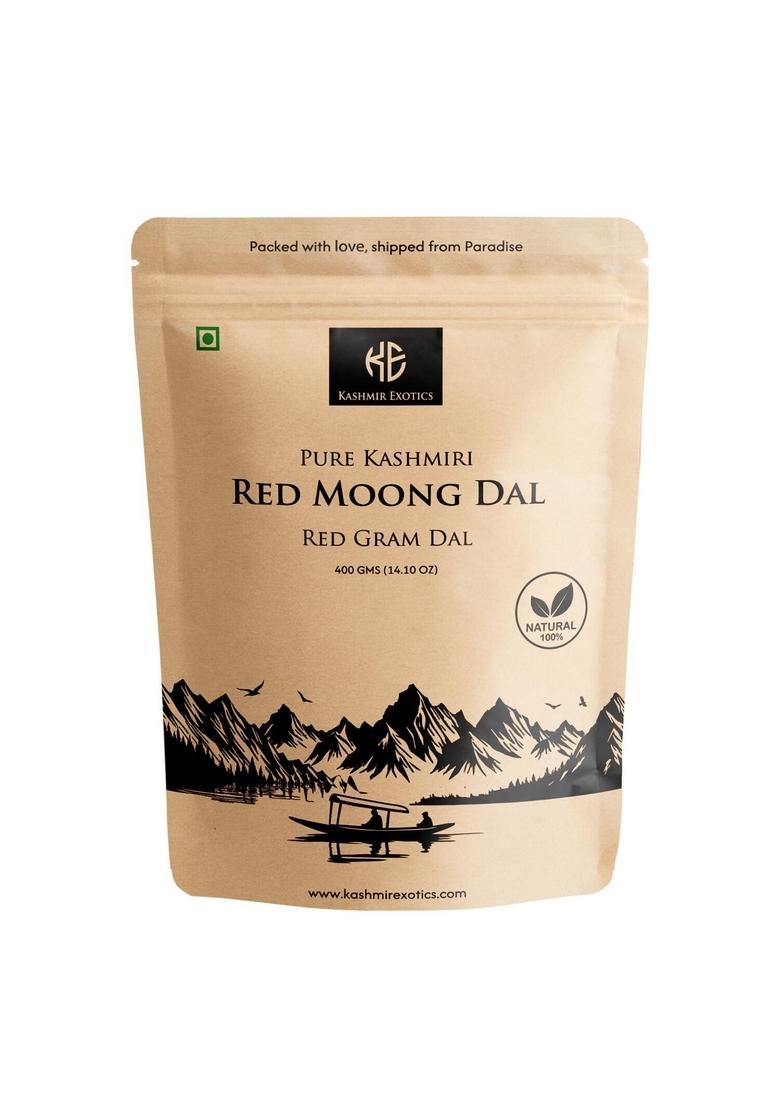
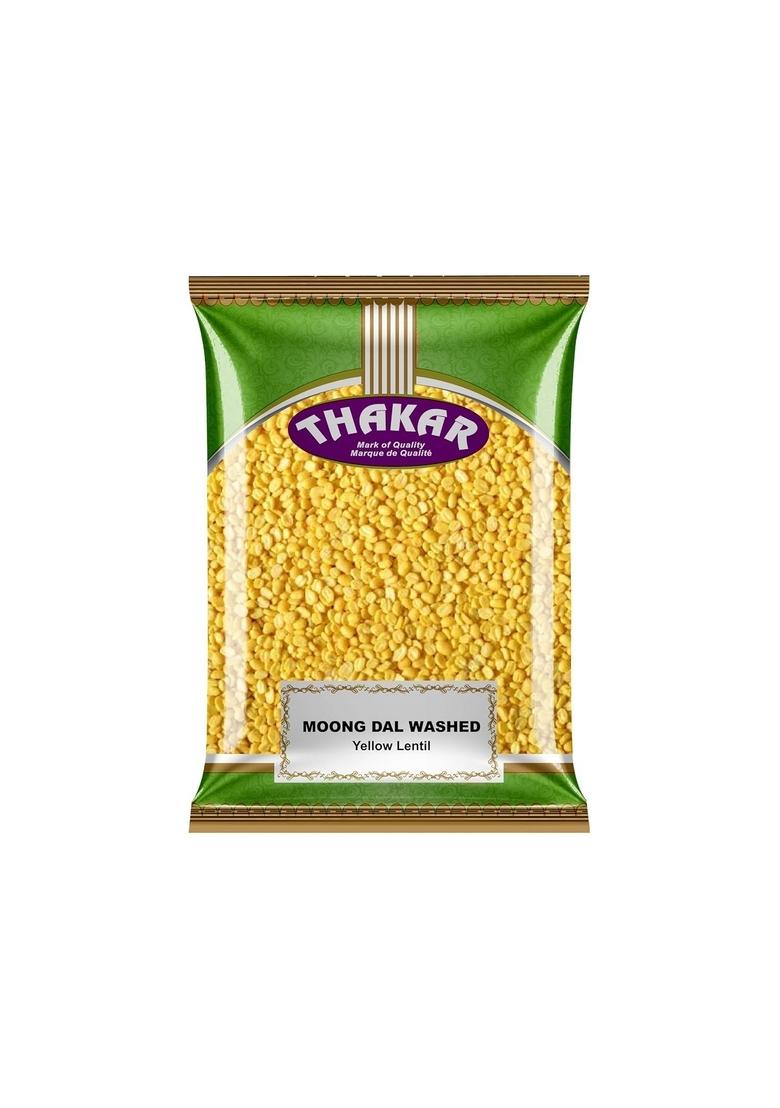
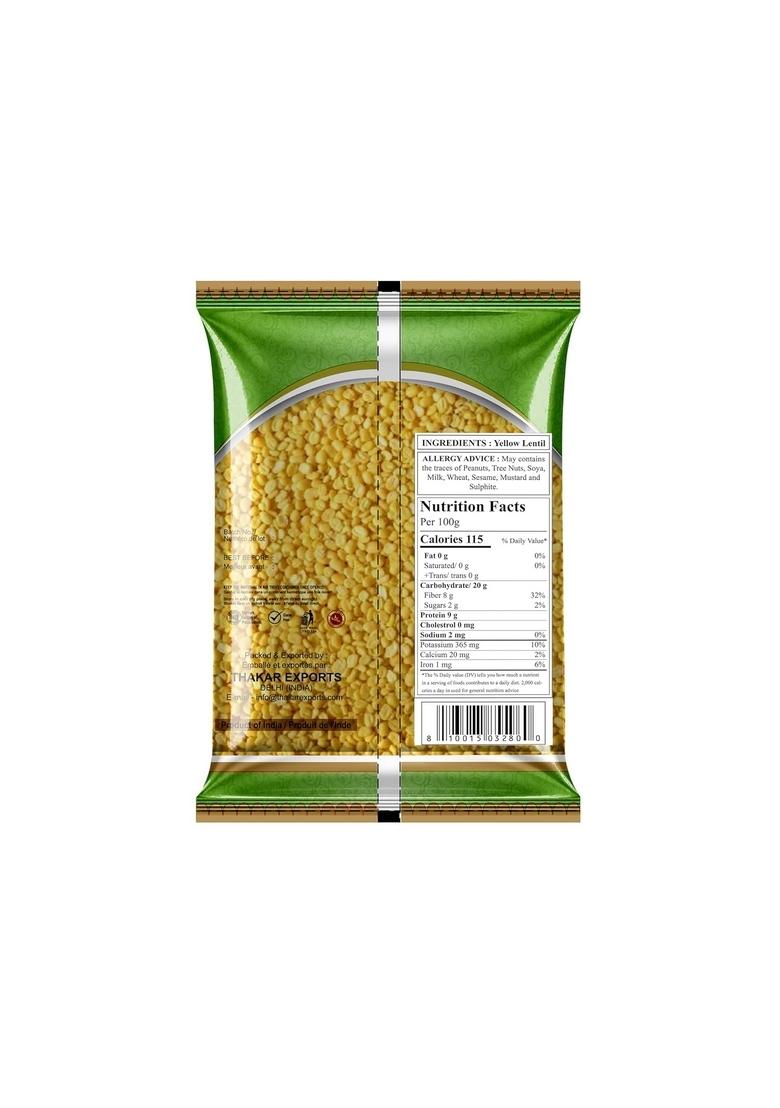
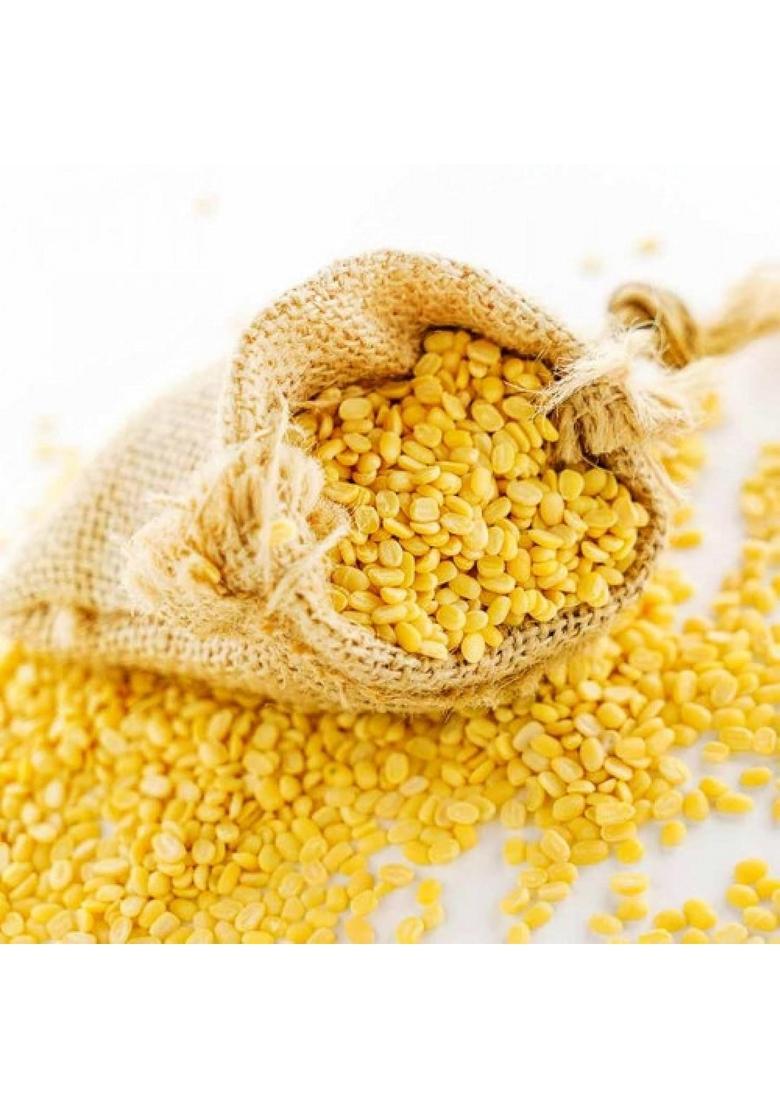
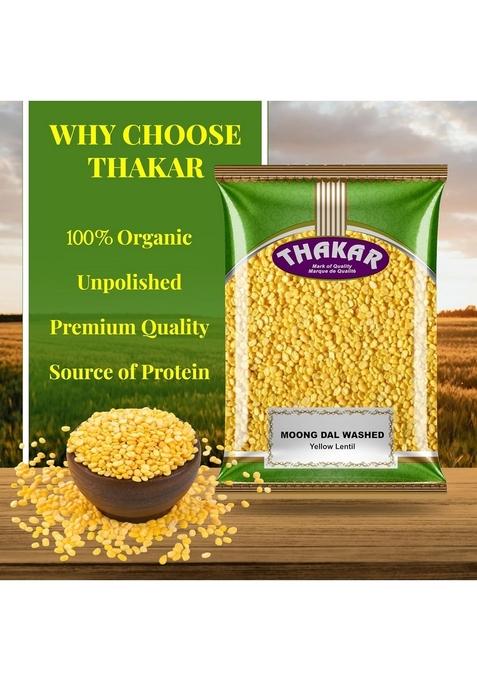
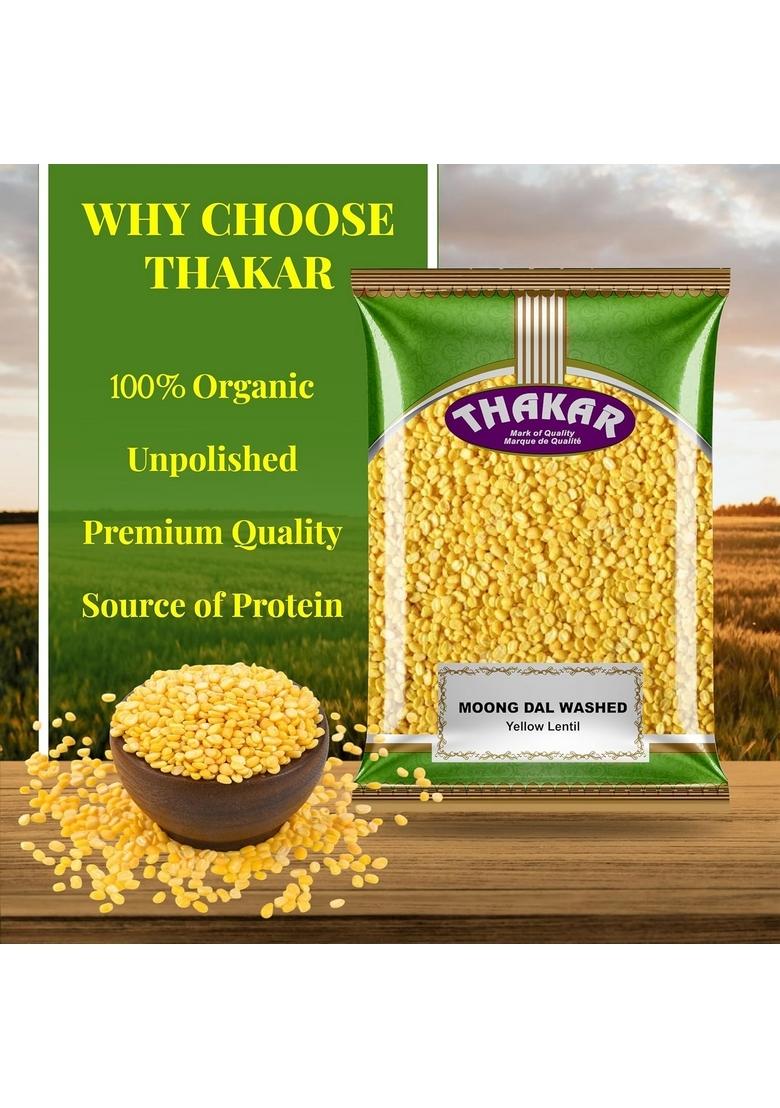
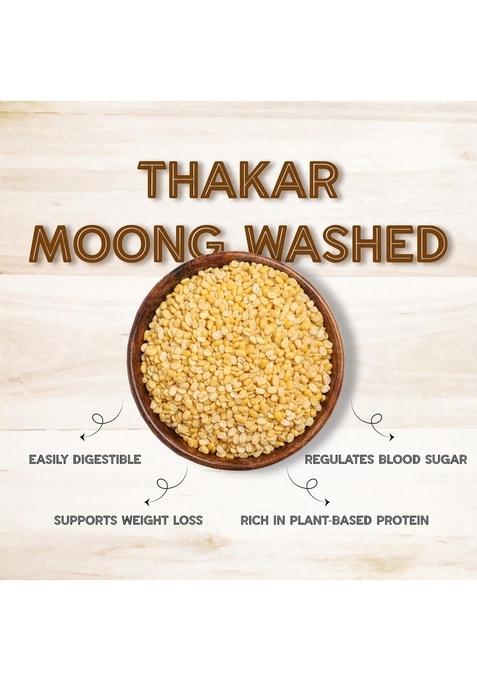
| Moong Dal | 24g | Potassium, Folate, Magnesium |
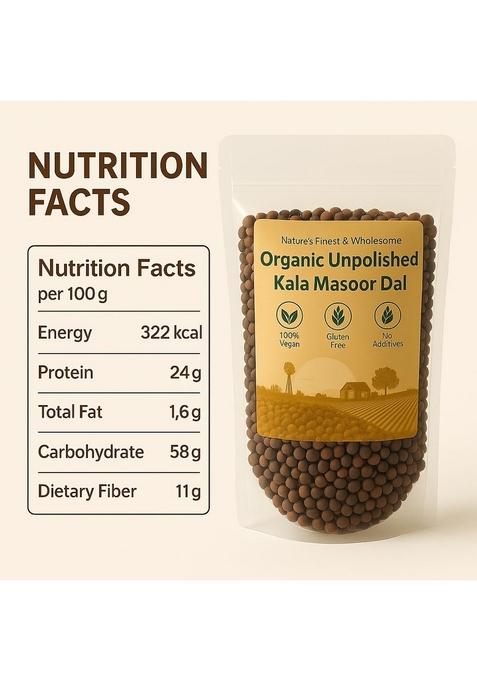
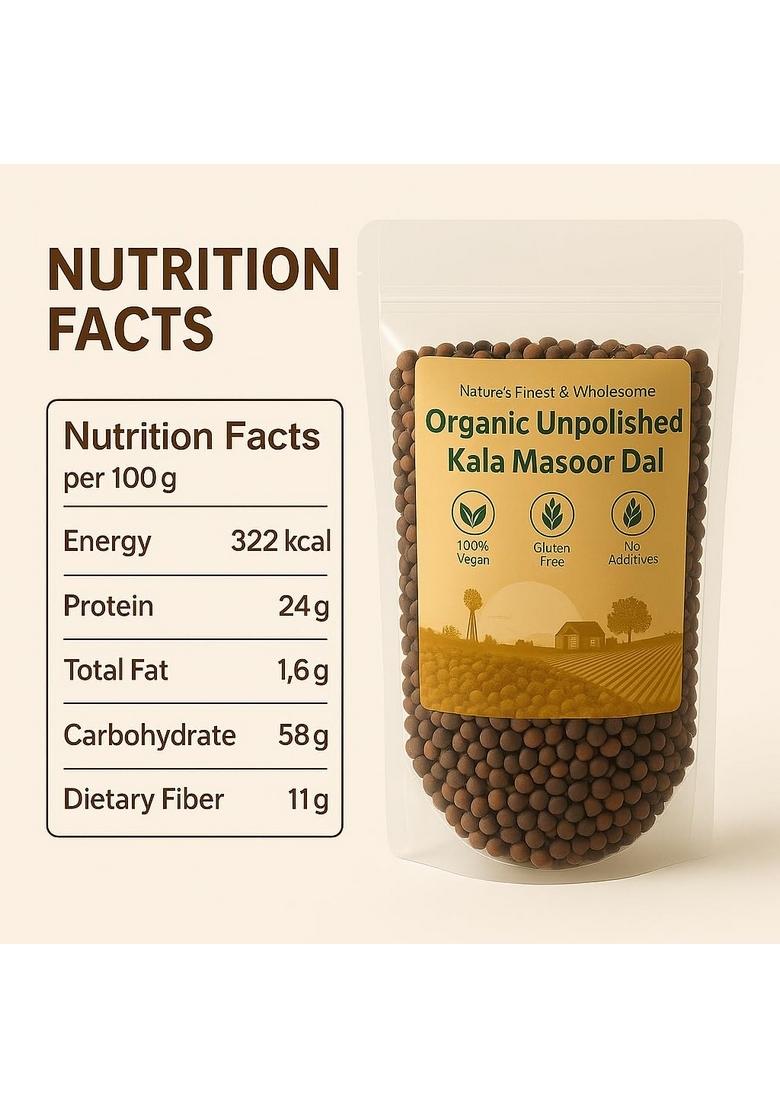
| Masoor Dal | 22g | Iron, Zinc, Fiber |
| Urad Dal | 25g | Calcium, Potassium, Magnesium |
| Rajma (Kidney Beans) | 24g | Iron, Fiber, Folate |
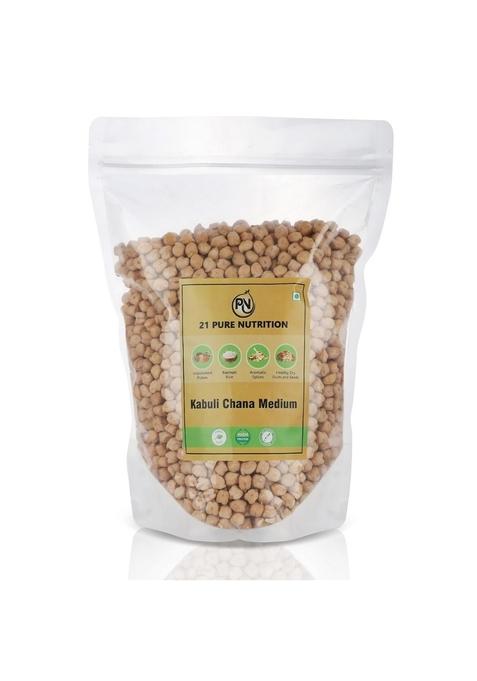
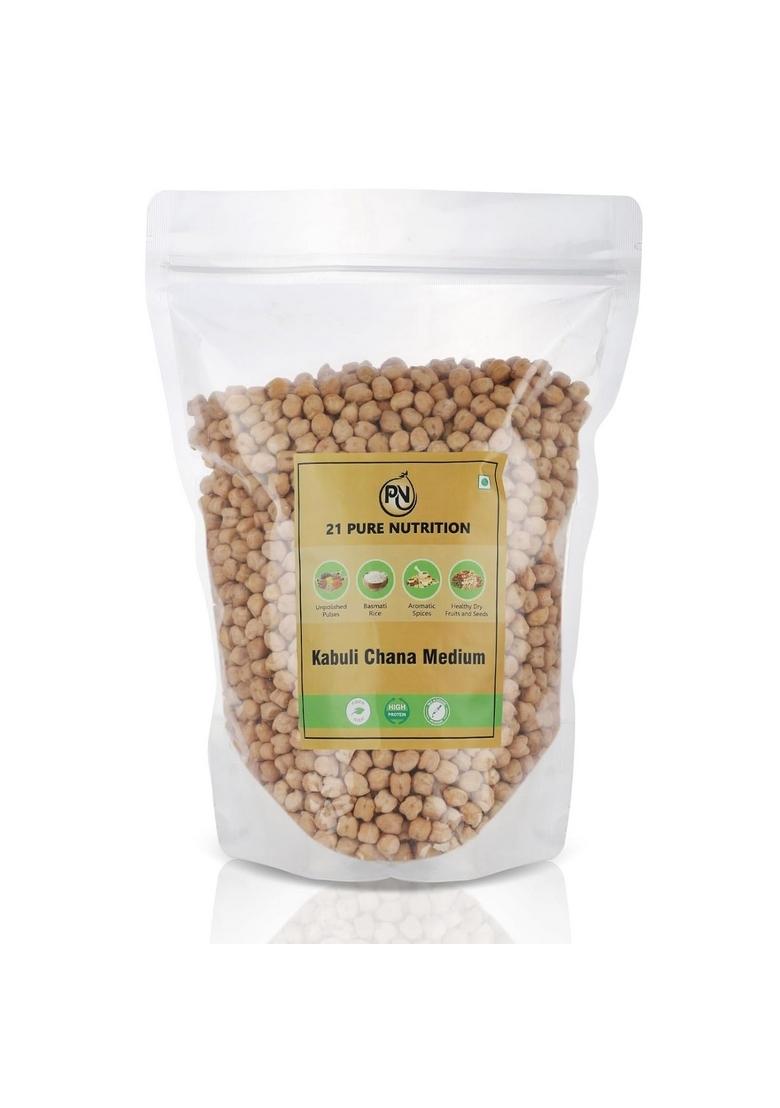
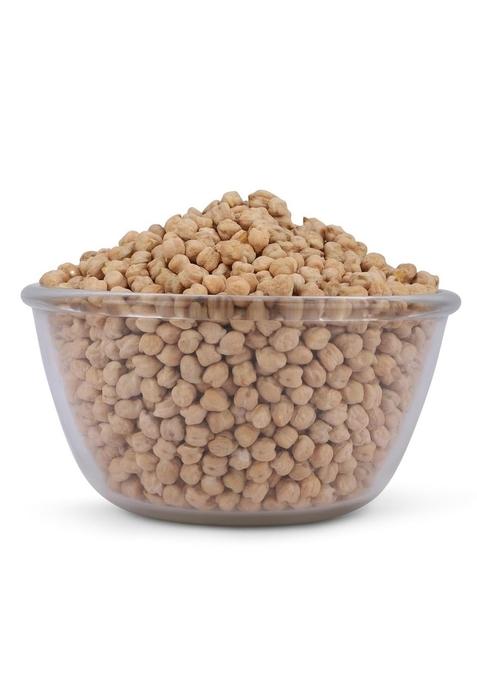
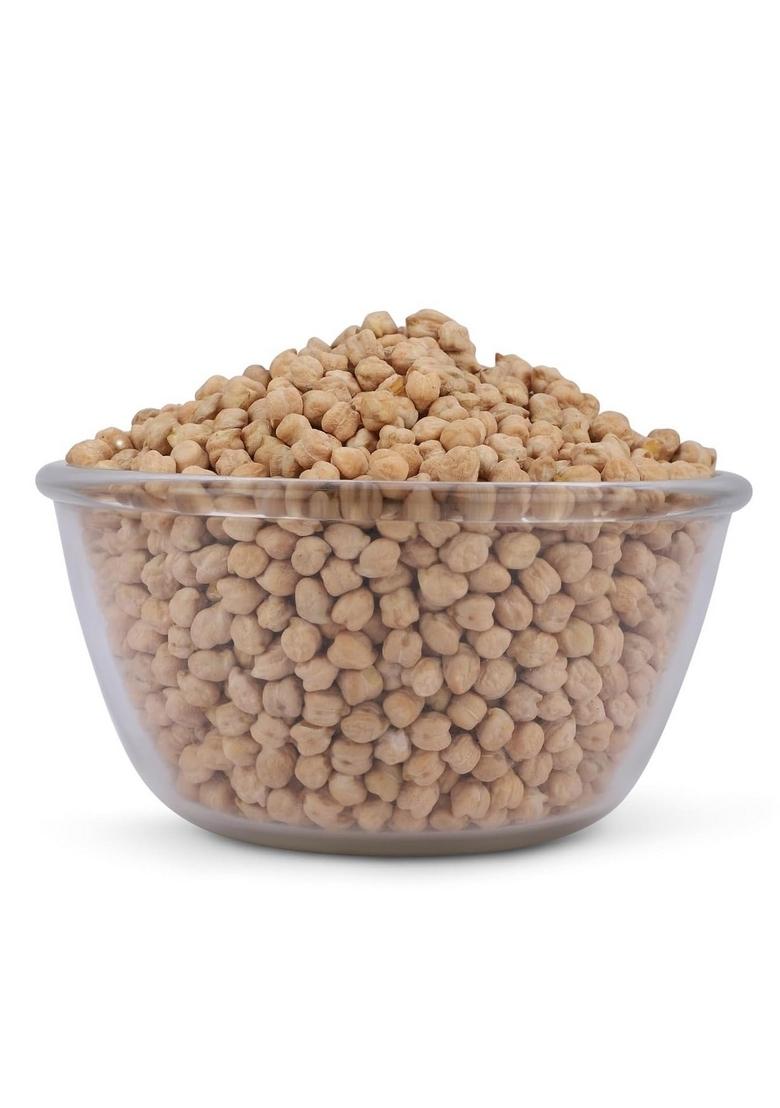
| Kabuli Chana (Chickpeas) | 19g | Magnesium, Iron, Fiber |
There are many ways to enjoy high protein dal and pulses. Here are some ideas:
Moong Dal Tadka
Boil the dal with water and turmeric. In a pan, sauté cumin seeds, onion, and tomato. Add boiled dal, salt, and garam masala. Simmer for 5 minutes and garnish with coriander. Serve hot with rice or roti.
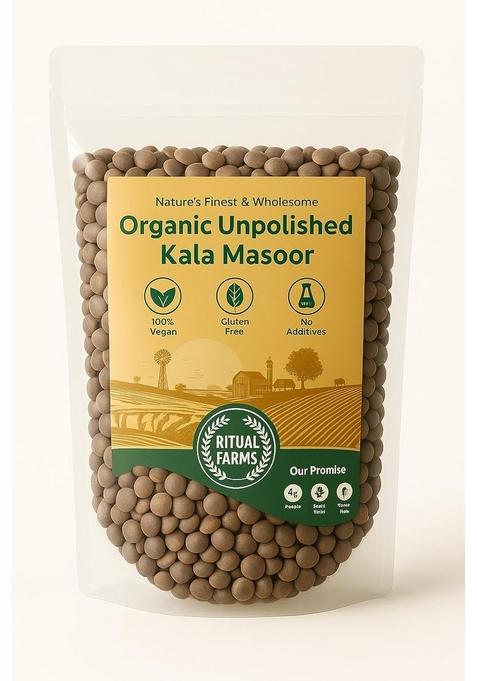
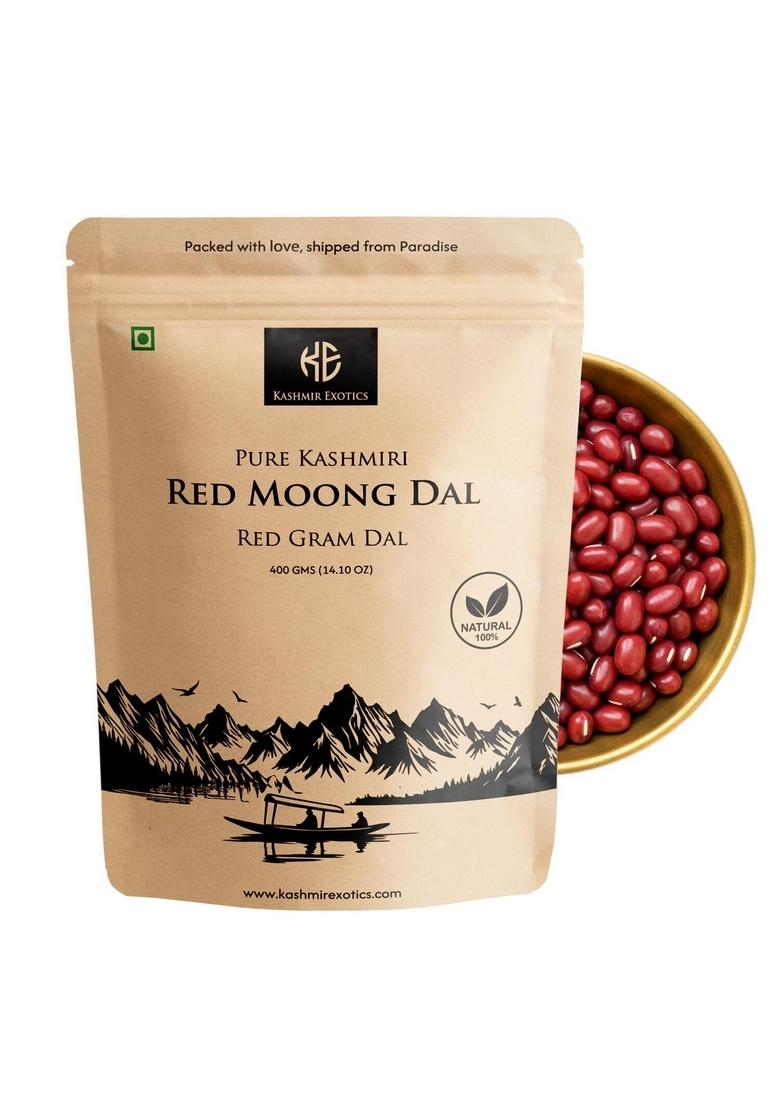
For the best flavor and nutrition, select pulses that are fresh and free from additives. Trusted brands like House of Indya offer premium quality dal and pulses. Look for products that are clean, uniform in size, and stored in airtight packaging.
House of Indya is dedicated to bringing you the finest quality dal and pulses, sourced with care for nutrition and flavor. Explore our range and enjoy healthy, protein-rich meals every day. Visit House of Indya
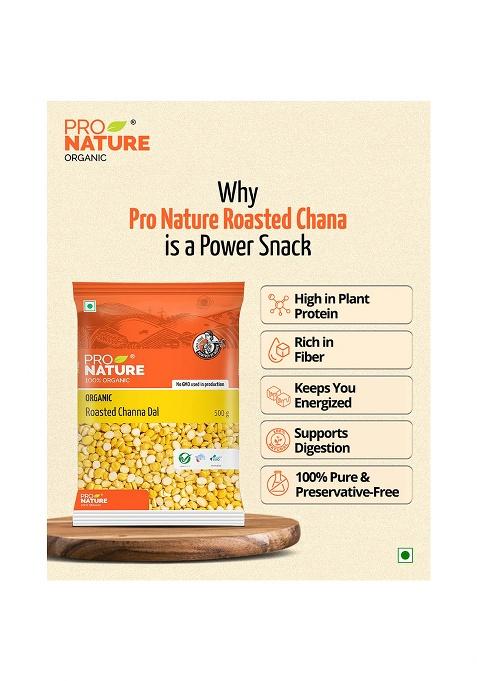
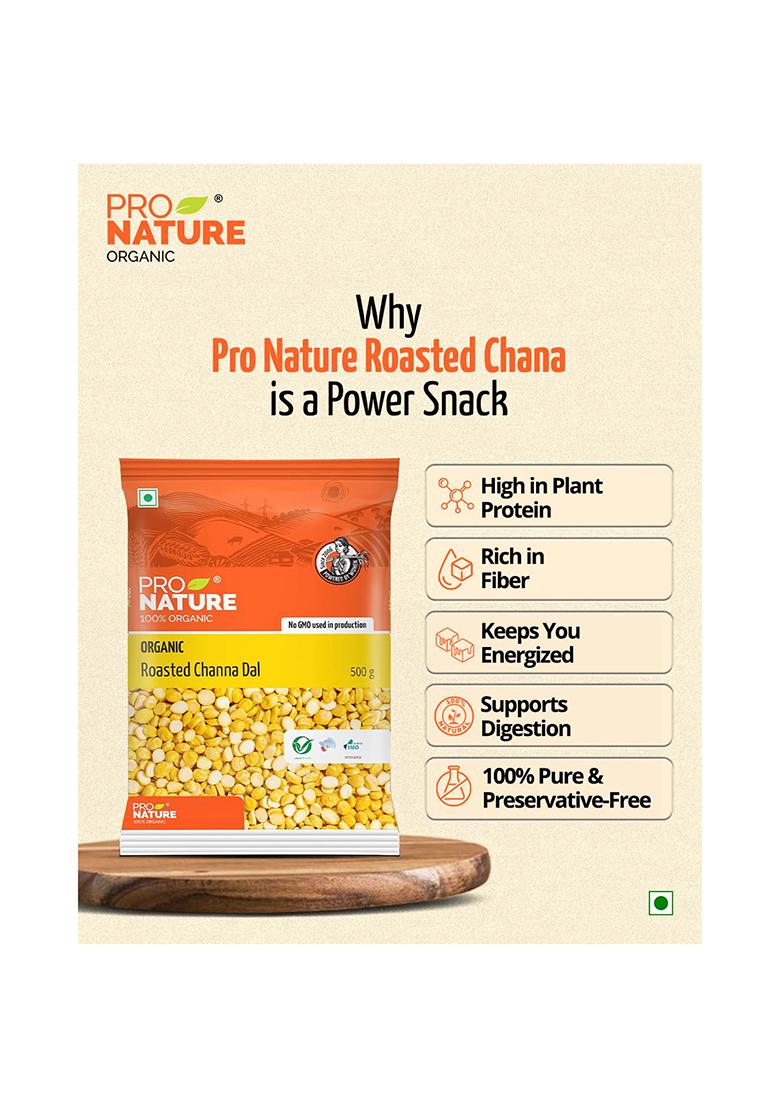
Urad dal and moong dal are among the highest, each providing around 24-25 grams of protein per 100 grams (raw). Chana dal also has a high protein content.
Yes, dal and pulses are excellent protein sources for vegetarians and vegans, offering key nutrients like iron, zinc, and fiber.
Adults can aim for 15-20 grams of protein per meal from dal and pulses, depending on dietary needs. Combine with grains for complete protein.
High protein and fiber in dal and pulses help you feel full longer, supporting healthy weight management.
Soak pulses before cooking, use pressure cookers for convenience, and add spices for flavor. Avoid excessive oil or cream for healthier meals.
Canned pulses are convenient but may have added salt. Dried pulses are more nutritious when cooked fresh and without additives.
Yes, children benefit from the protein, vitamins, and minerals in dal and pulses. Serve in soups, stews, or with rice for balanced meals.
Store in airtight containers in a cool, dry place. Use within a few months for best flavor and nutrition.
House of Indya offers a curated selection of high protein dal and pulses, focusing on quality, freshness, and nutrition for your kitchen.
House of Indya is known for premium quality, careful sourcing, and clean packaging, making it a trusted choice for high protein dal and pulses.