

Wearing a Saree - Indian Culture or Indian Religion?

08-Jan-25 03:45 PM
Purvi
Saree-the eternal attire of India. It has been woven across the length and breadth of India since time immemorial. This is not merely a piece of cloth; it is an invaluable symbolic culture and a fine heritage of India. The importance of a saree varies with region and religion but equally remains a part of the tradition, especially in weddings and festivals.
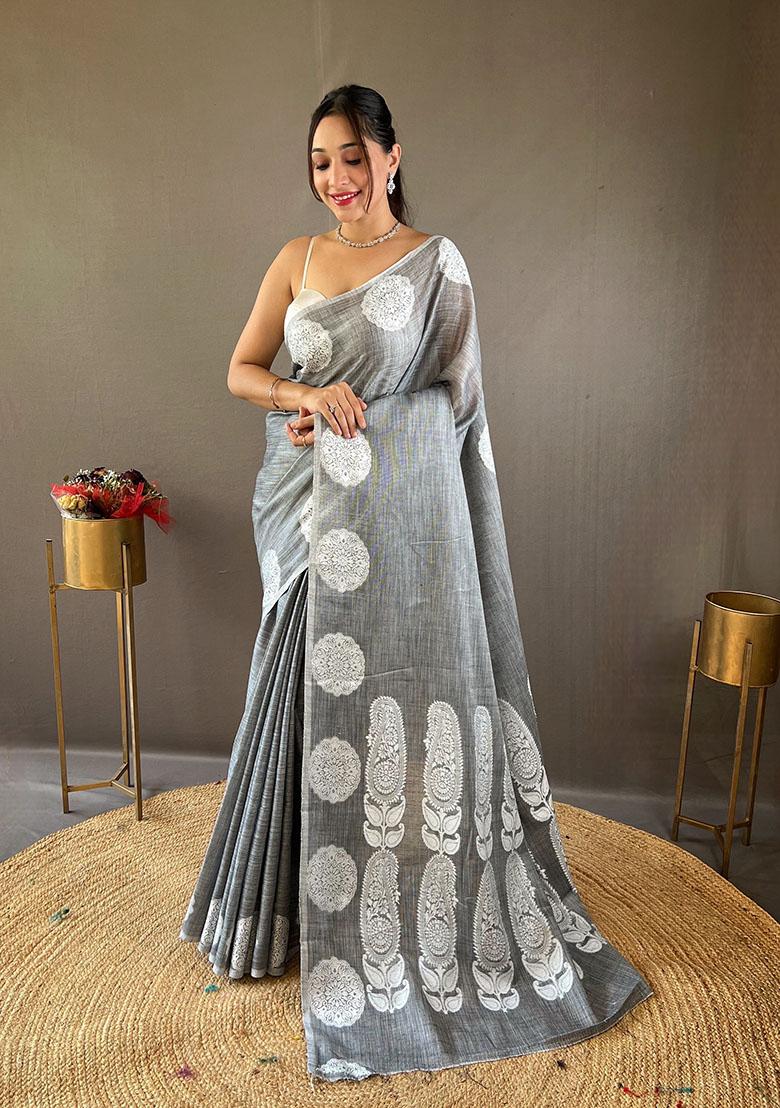
1. Origin of Saree in Indian Culture
The origin and history of sarees date back to the Indus Valley Civilization, where unstitched fabric made up the entire wardrobe. Gradually, sarees were turned into neither an offering of modesty nor oppression but a symbol of grace and heritage pride. Though not necessarily religion-specific, the saree is deeply cultural, thereby being a part of the larger identity of the Indian subcontinent.
2. Sarees as Traditional Attire in Religious Events
A saree is, thus, worn in religious functions as a custom and a gesture of respect. For example, in pujas, women are usually wearing silk sarees, while in a South Indian wedding that is Kanjeevaram sarees the bride wears. These are wedding saris accompanied by very heavy blouses to make it grand and for added importance.
3. Sarees during the Indian Festivals
Indian sarees are part and parcel of festivals like Diwali, Durga Puja, and Pongal. Alongside their colors and designs, the excitement of the occasions adds up. No religion can, however, be said to be inscribed on the saree; at the same time, its presence during such celebrations actually bonds different communities.
4. Regional Variations in Sari Styles
Sarees are perhaps the most precise mistress of India's various cultural diversity. For example, it could be Banarasi of the North, Paithani of Maharashtra, or Mekhla Chador of Assam. Each style represents specific local traditions and craft, as well as being adorned with different designs and fabrics, which offers many combinations with blouses and adorns a saree.
5. The Role Of Sarees in Weddings
In a country like India, weddings remain unfulfilled without the bride being adorned with a beautiful saree. Wedding saris - silk sarees such as Kanjeevaram or Banarasi - have also been thought to be synonymous with prosperity and purity, accompanied by heavily embroidered blouses that help evoke that regal and memorable look appropriate to a bride, no matter what her geographical or religious identification.
6. The Significance of Sarees in Religious Affairs
Sarees are not mentioned in any religious scriptures but they generally come into people's regard when it comes to religious functions since they hold a traditional and not-so-modest appeal. Like temple visits or prayer ceremonies, women tend to wear the saree during these visits because the saree may be seen as an act of respect toward tradition and culture.
7. Sarees as the Modern Cultural Symbol
Indian sarees founded on tradition have their own status in today's world. Women drape themselves in various styles and in different designs of blouses. They just add the modernity quotient to the ethnic beauty. This is what makes the saree last beyond all generations and does not save the religion or society from differentiating changes.
8. Sarees as a Symbol of Global Recognition
The saree becomes a passport by which culture of a nation can see through globally. On the runways abroad as much as in culture shows closer to home, Indian sarees unfurl the heritage and craftsmanship of the country. The sarees for weddings and their heavy detailing and designer blouses are often seen making heads turn in the world, thus showcasing India's fashion legacy
Saree undoubtedly belongs to the culture of India as it represents tradition, elegance, and variety in itself. Though it does not belong to a specific religion, it is very much a part of the weddings, festivals, and religious practices of all Indians, irrespective of region. Be it a wedding sari or simply draping on an ordinary day, the grace and richness of India's culture and timeless charm continue to be embodied in the sari.
 @indya
Related Posts