







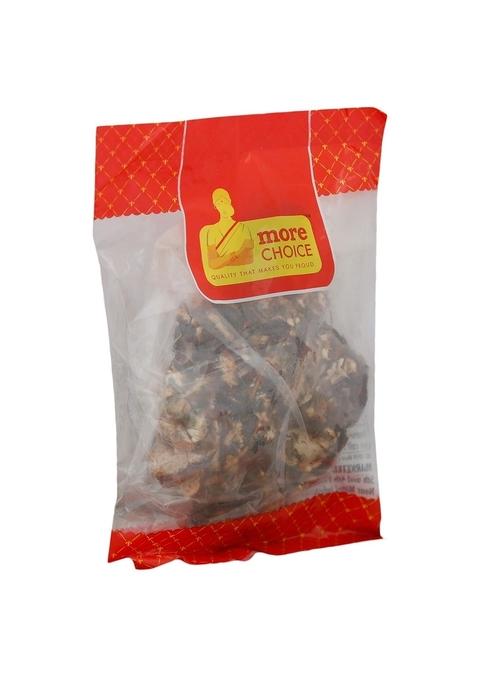
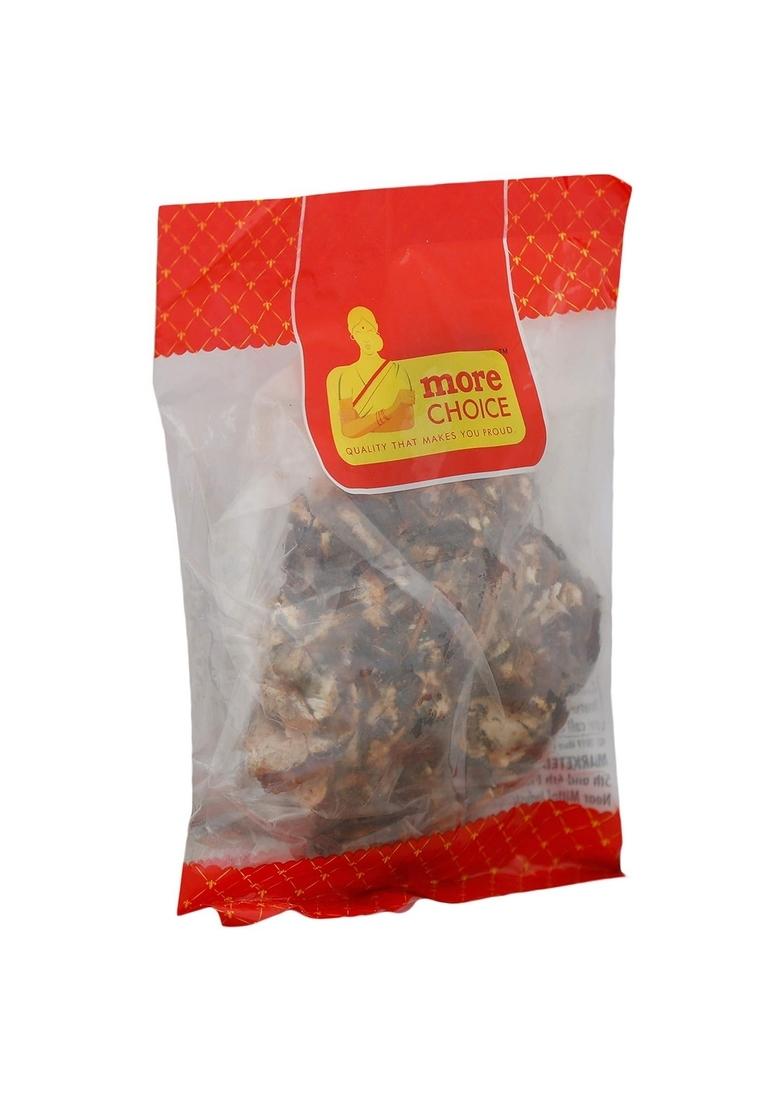
Fresh Produce More Choice Whole Spice




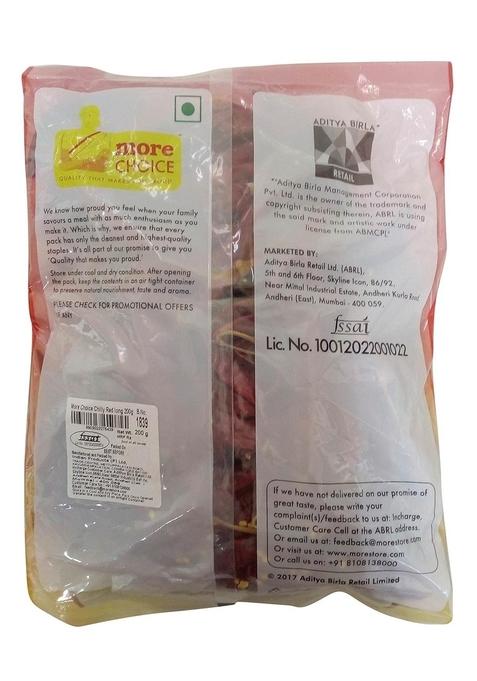
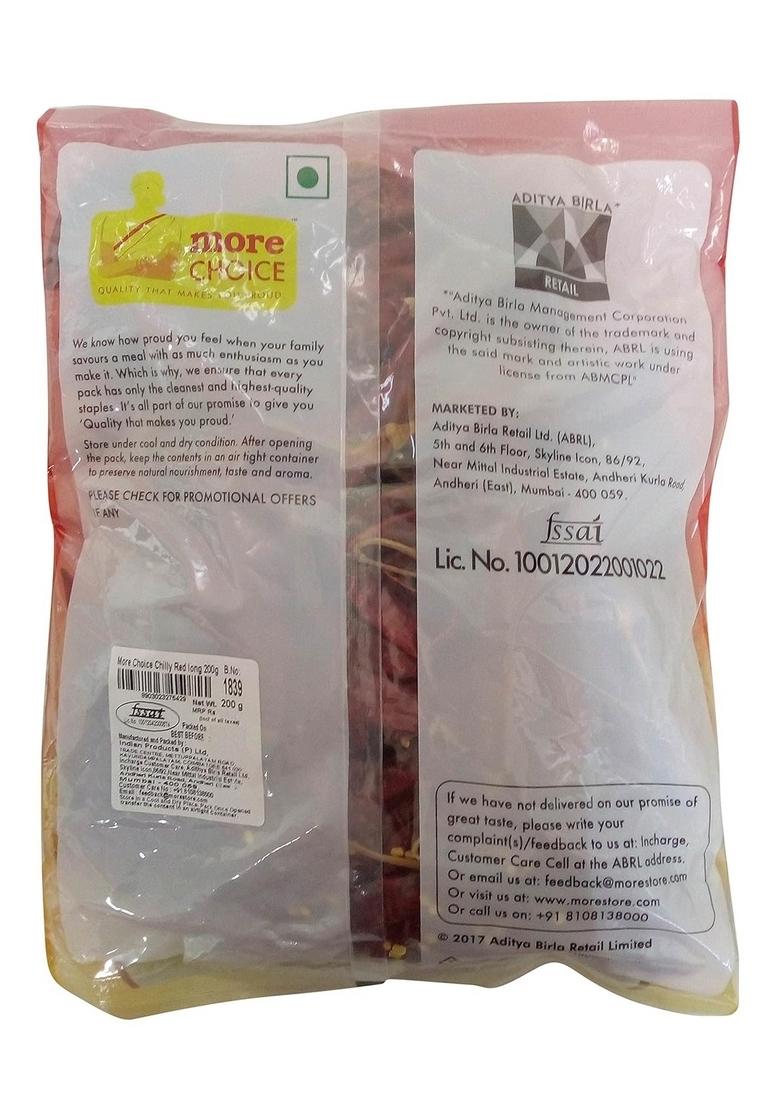
More Choice Spices

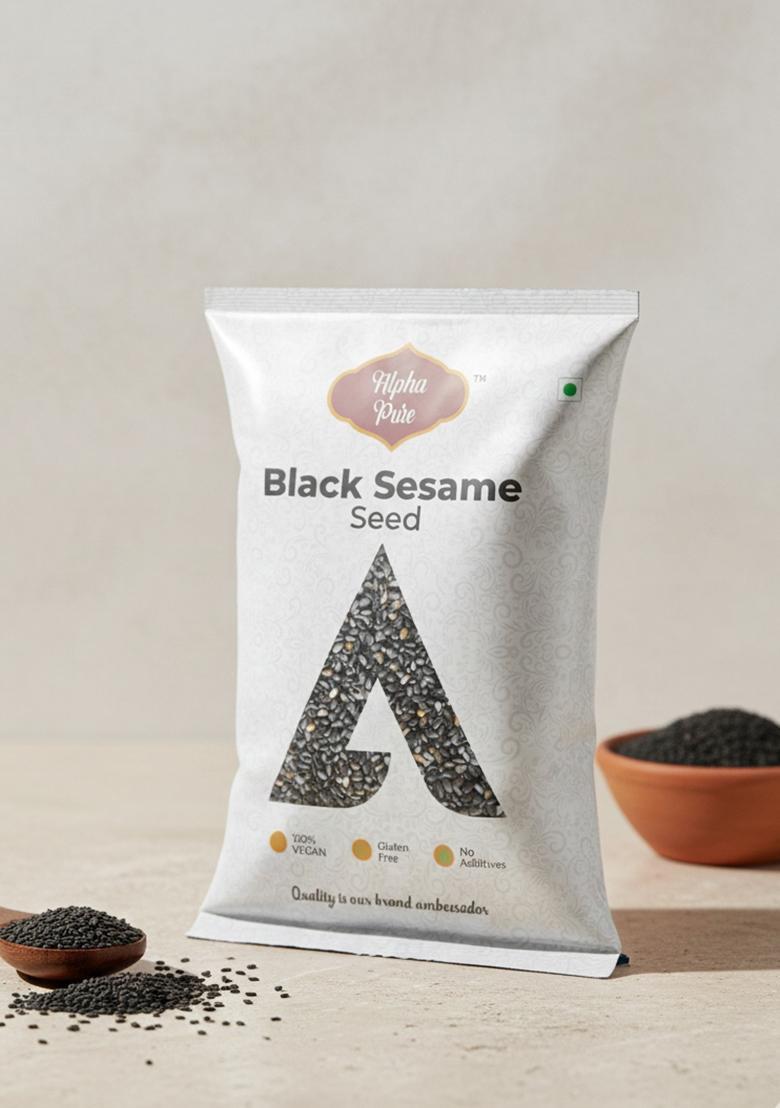








Alpha Pure Black Sesame Seeds Til Whole Spices 1Kg
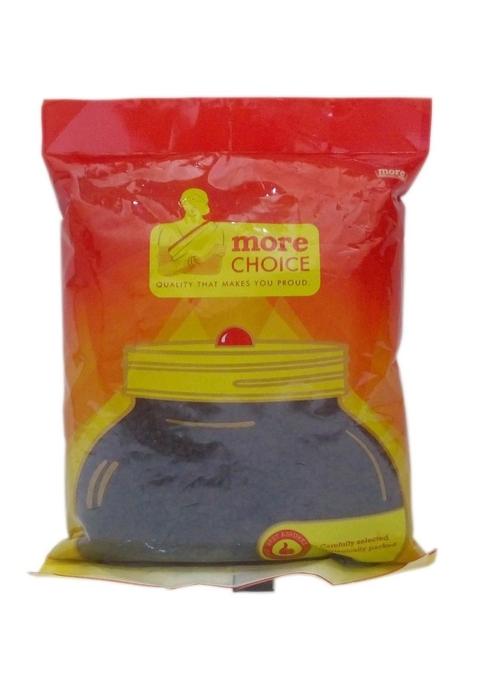
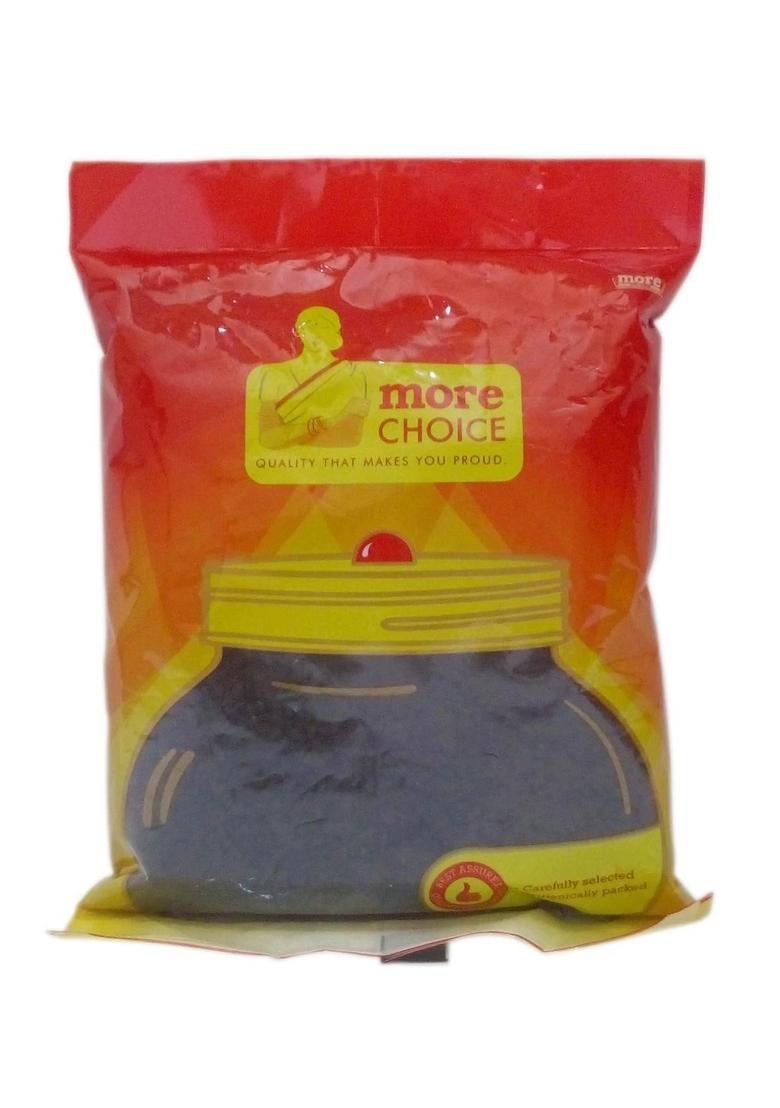
More Superior Spices
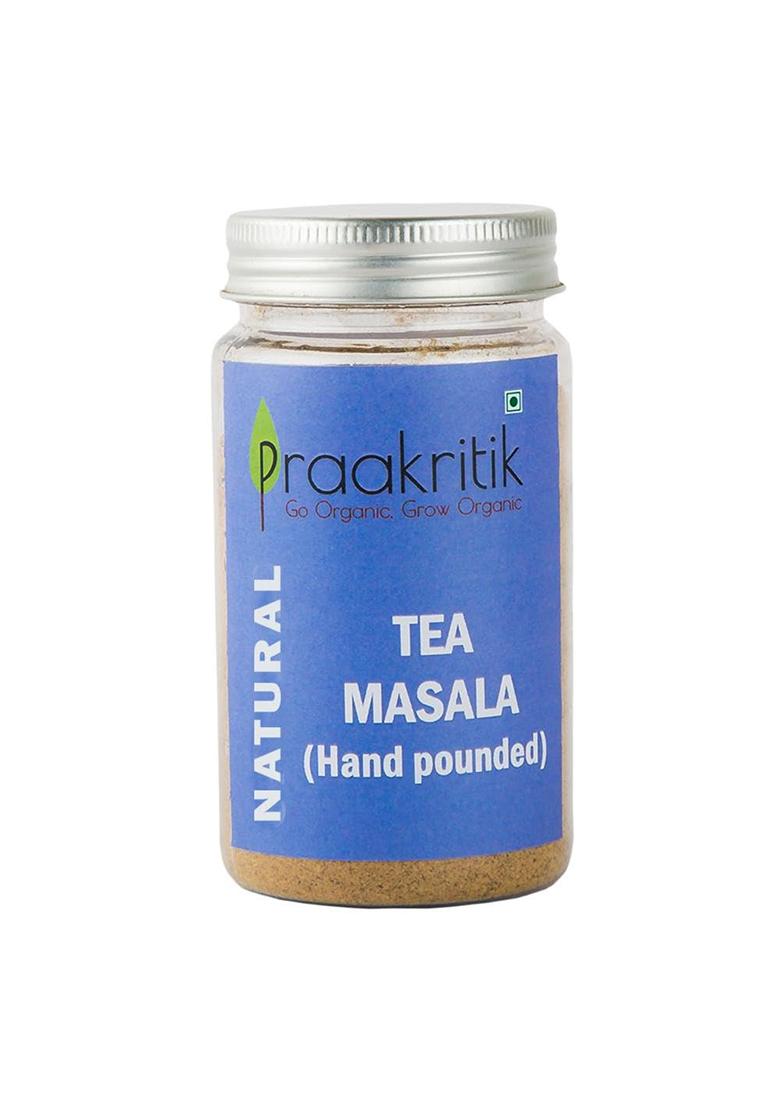
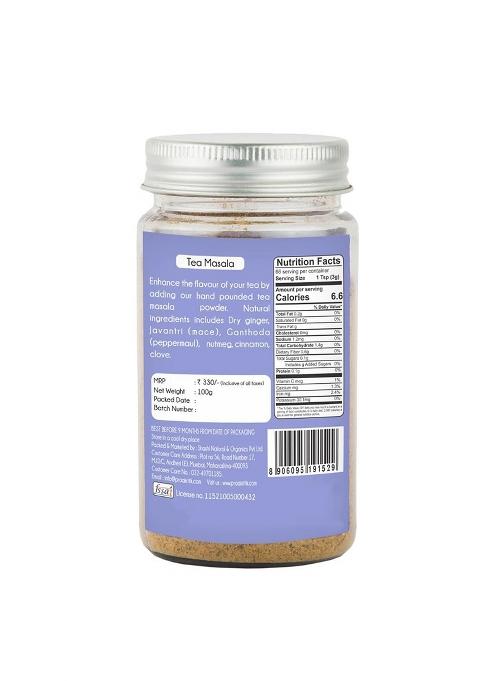
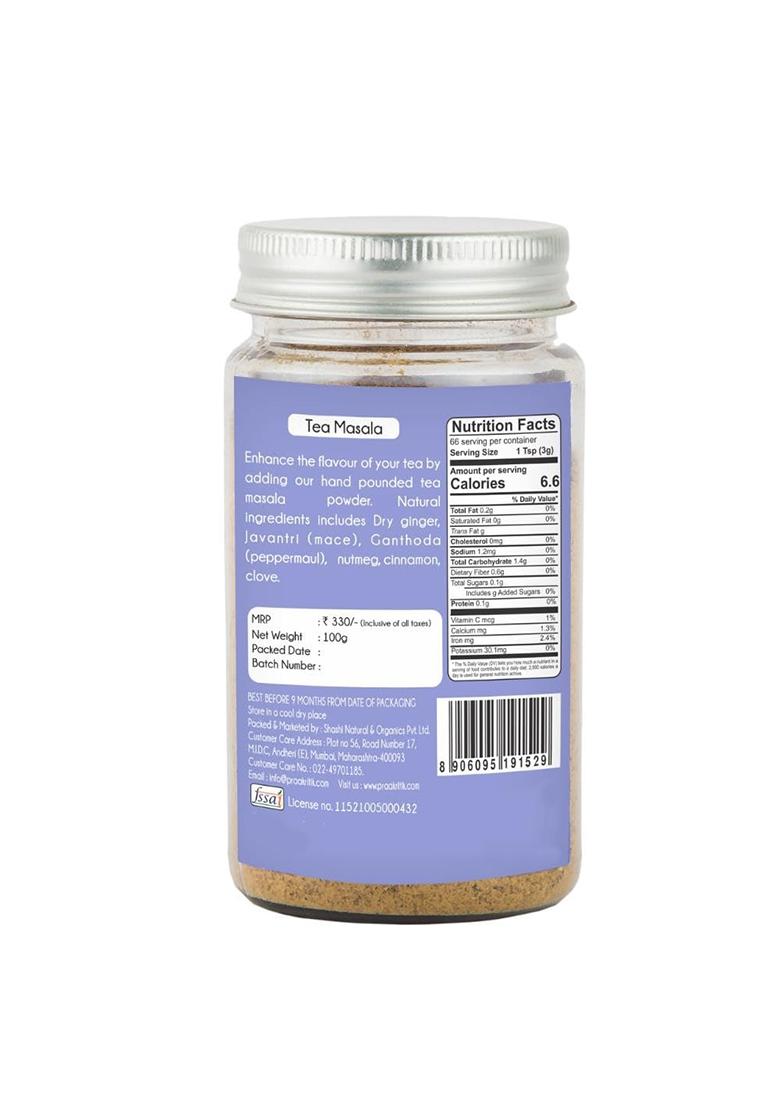


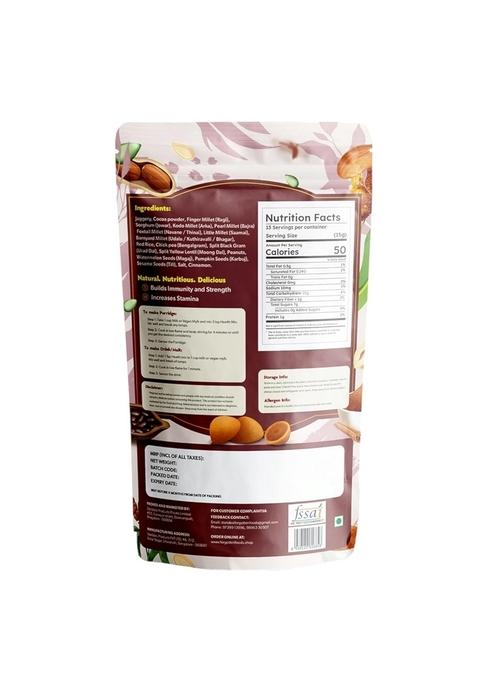
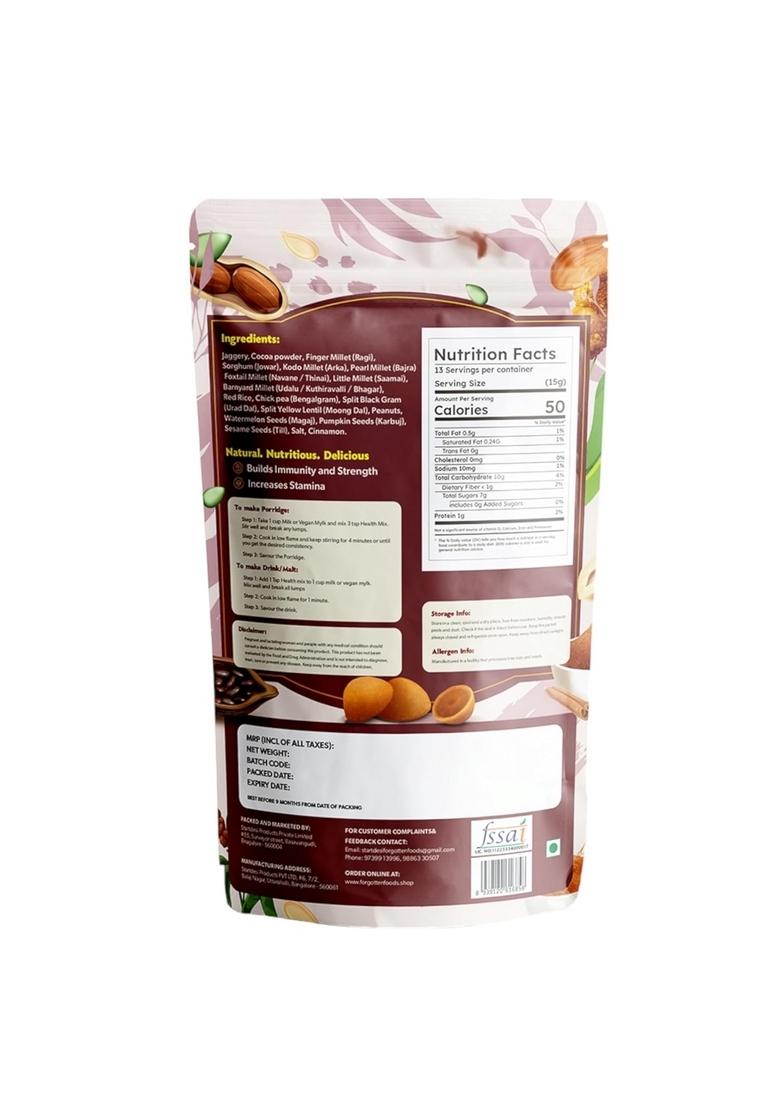






Health Mix From Millets, Lentils, Nuts And Seeds
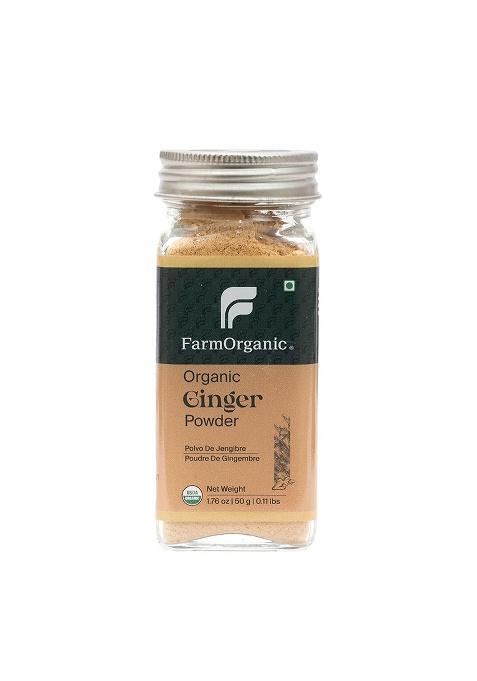
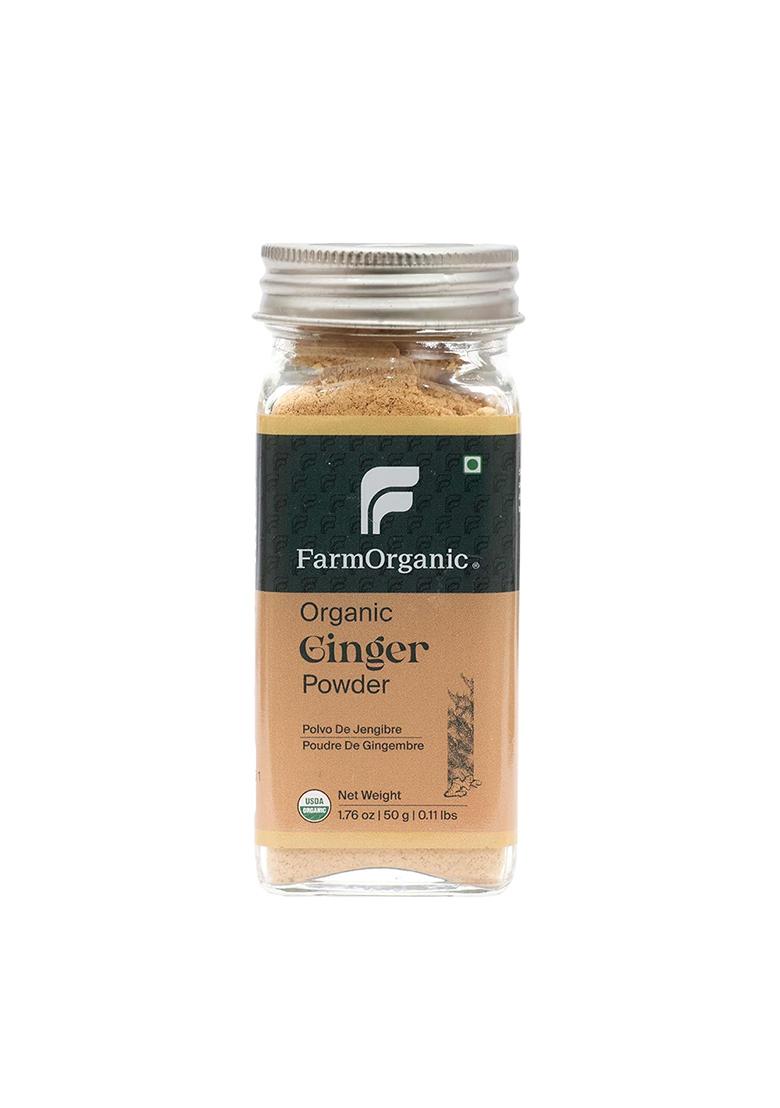
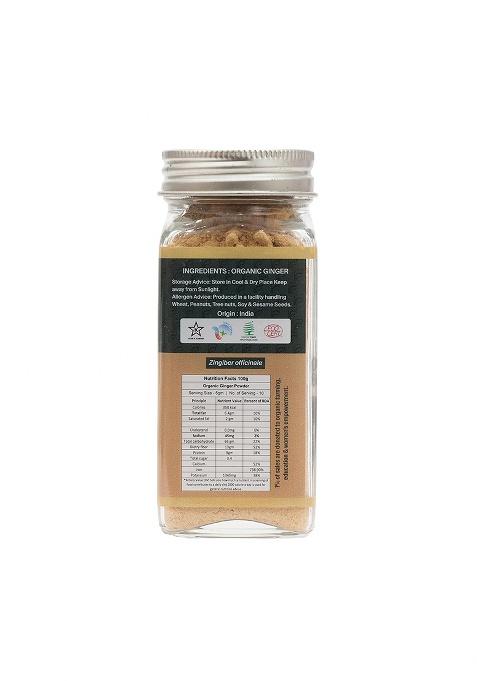
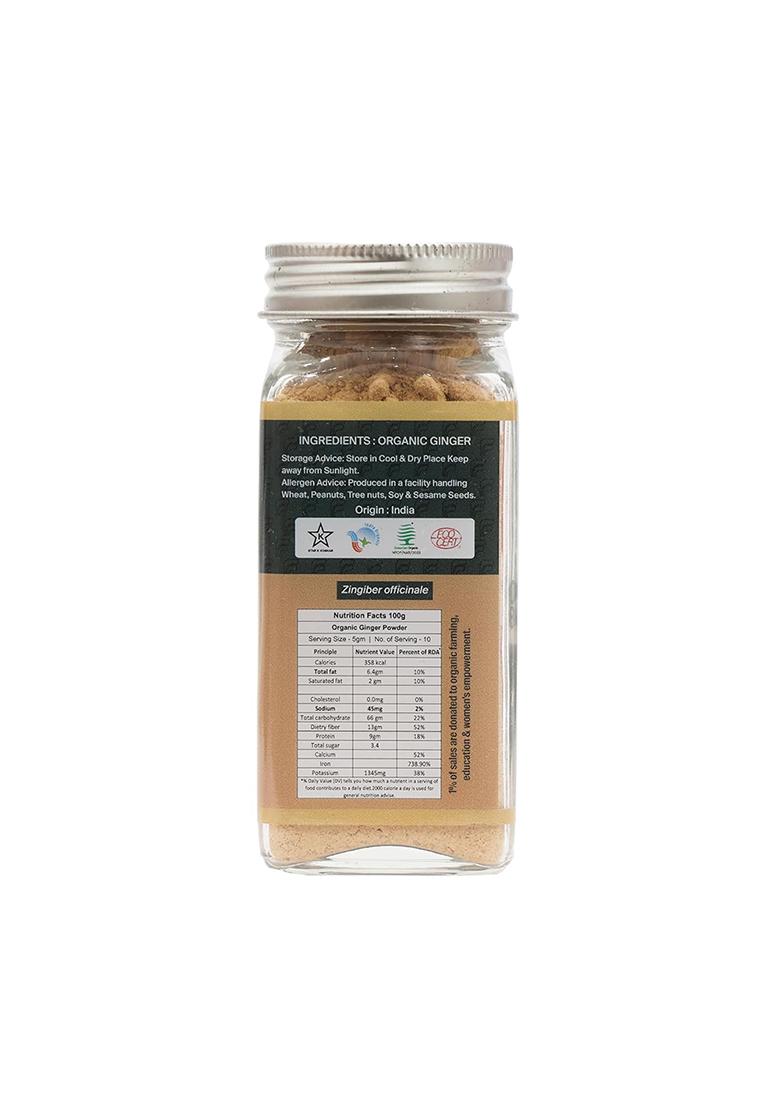
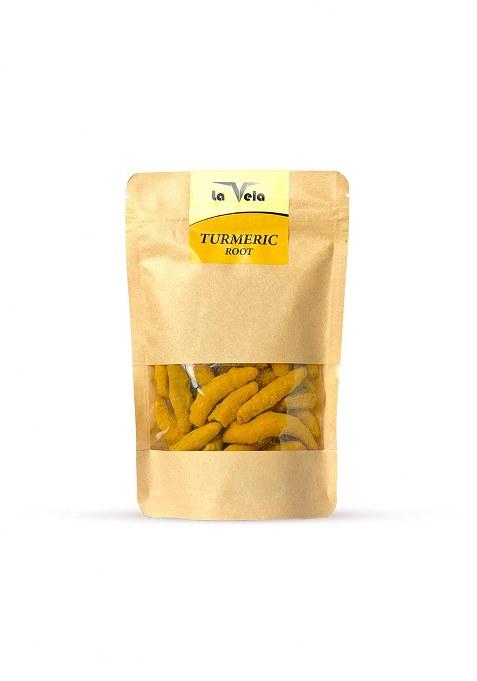
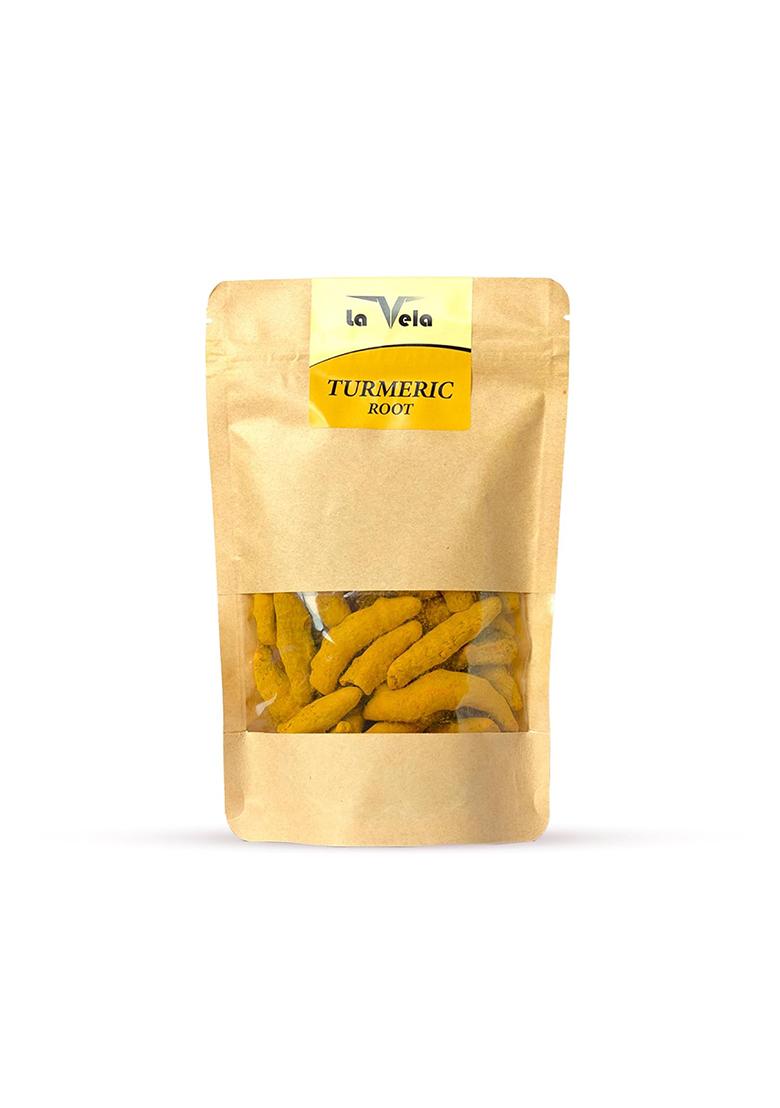
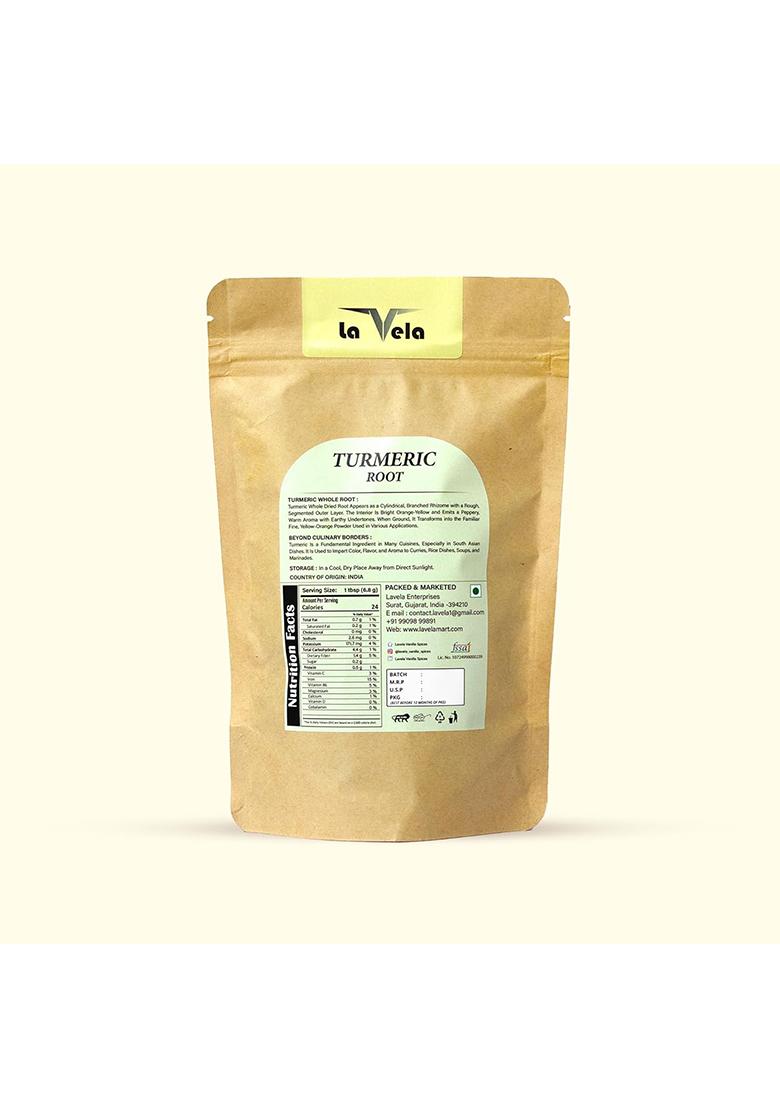




Seed spices are at the heart of many cuisines, especially Indian cooking. Whether you are new to cooking or looking to deepen your knowledge, understanding the difference between whole and ground seed spices can transform your food. This guide covers their uses, benefits, and how to make the most of them in your kitchen.
Seed spices come from the seeds of aromatic plants. Some common examples include cumin, coriander, mustard, fennel, fenugreek, and nigella. These spices are available in both whole and ground forms, each offering unique qualities in cooking.
| Spice | Whole Form Uses | Ground Form Uses |
|---|---|---|
| Cumin | Tempering in oil, adding crunch to rice or breads | Seasoning curries, stews, and spice blends |
| Coriander | Pickling, tempering, baking | Flavoring sauces, marinades, and rubs |
| Mustard | Pickling, tempering dals and vegetables | Making pastes, vinaigrettes, and spice mixes |
| Fennel | Chewing after meals, infusing teas | Baking, desserts, spice blends |
| Fenugreek | Tempering, pickling | Curry powders, masalas, sauces |
Whole seed spices are often toasted or fried in hot oil at the start of cooking, a method known as tempering. This process helps release their essential oils, creating a deep, robust flavor. Whole seeds also add texture to dishes, such as the pop of mustard seeds in Indian curries or the crunch of cumin in rice.
Ground seed spices are convenient and blend easily into sauces, soups, and marinades. They distribute flavor evenly and are often used in spice mixes like garam masala or curry powder. Ground spices are best added during cooking rather than at the start, as they can burn quickly in hot oil.
Indian cuisine uses a wide range of seed spices, both whole and ground. Here are some favorites:
Freshly ground spices have a much stronger aroma and flavor than pre-ground varieties. Try this with cumin, coriander, or fennel for a noticeable difference in your dishes.
The choice depends on the dish and your preference. Whole spices are ideal for tempering and adding bursts of flavor. Ground spices work well for smooth sauces and spice blends. Many cooks use both forms in the same recipe to layer flavors.
Look for spices that are fresh, aromatic, and free from additives. Trusted brands like House of Indya offer carefully sourced whole and ground seed spices, ensuring you get authentic flavors every time.
Ingredients:
Instructions:
House of Indya offers a curated selection of authentic whole and ground seed spices, sourced for freshness and bold flavor. Discover the difference quality spices can make in your kitchen. Visit House of Indya
Whole seed spices are the intact seeds, while ground spices are those same seeds milled into powder. Whole seeds are often used for tempering or adding texture, while ground spices blend smoothly into dishes for even flavor.
Keep them in airtight containers, away from heat, moisture, and direct sunlight. Whole spices last longer than ground ones and can keep their flavor for up to a year.
Yes, you can use a spice grinder or a mortar and pestle. Grinding spices just before use gives you the freshest, most aromatic results.
Using both forms creates layers of flavor. Whole spices add bursts of aroma and texture, while ground spices infuse the entire dish with flavor.
Cumin, coriander, mustard, fennel, fenugreek, and nigella are widely used, both whole and ground.
Yes, ground spices lose their aroma more quickly because more surface area is exposed to air. For best results, use ground spices within six months.
You can substitute, but the flavor and texture may change. Use about half the amount of ground spice when replacing whole seeds, as ground spices are more concentrated.
Many seed spices are rich in antioxidants and may aid digestion. They also add flavor without extra calories or sodium.
House of Indya selects high-quality whole and ground seed spices, focusing on freshness and authentic flavor. Their careful sourcing ensures you get the best results in your cooking.
You can shop for a wide range of seed spices directly from House of Indya's online store. Shop Now