

What is the Difference Between Kurti and Kurta?

06-May-25 03:51 PM
Purvi
The words Kurti and Kurta look similar to Indian clothing, yet, they are not the same. What differentiates them is length, fit, and occasion of use. Both styles offer comfort and some style; knowing when to wear a Kurti or when to wear a Kurta completely could take your ethnic wear to an entirely new level.
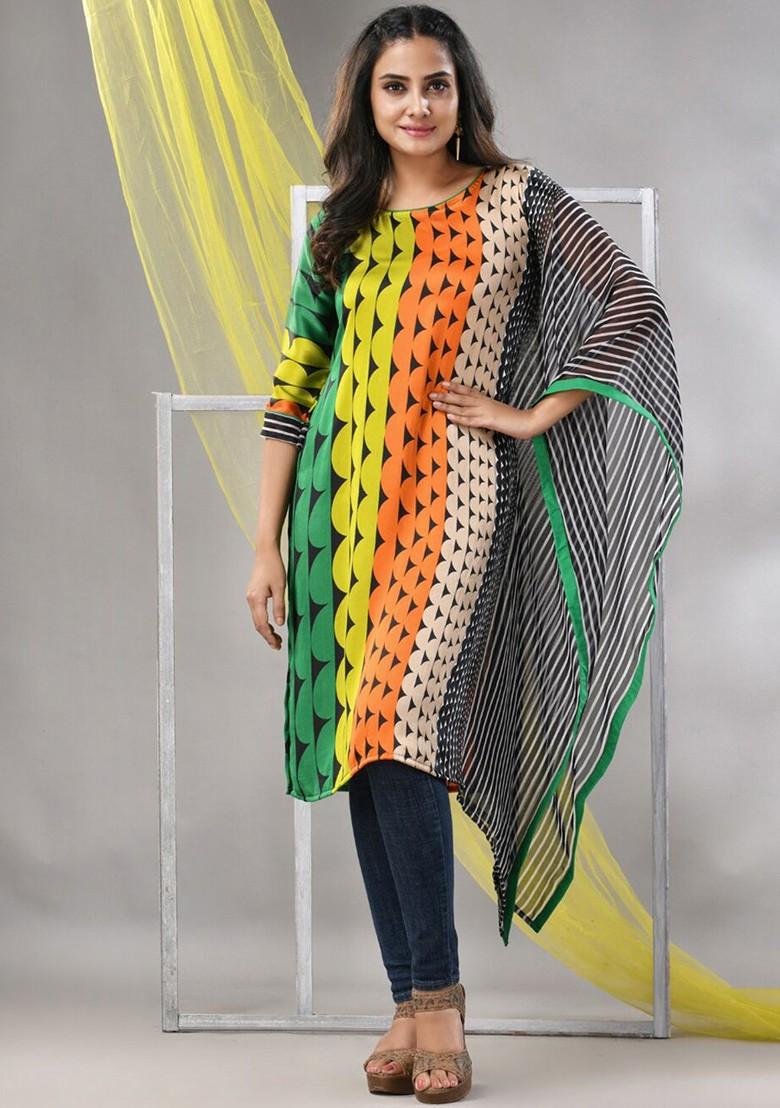
1. Length and Form
Another very obvious difference between Kurti and Kurta is in length and silhouette. Does being very straight on what I measure make it easier or harder? In general, a Kurti is shorter, ending somewhere at the hips or thighs, whereas the length of a Kurta tends to extend to the knees or calves. Literally, it is said—the longer, the formal; the shorter, the casual.
2. Fit and Styling
Kurtis usually tend to be fitted, and are designed in a more contemporary style, making them great to wear with jeans or palazzos. Kurtas, however, are much more relaxed in their fit and tend to lean toward the traditional style. In Kurta Sets, the kurta might feature the classic straight or A-line cuts. This also applies to Long Anarkali styles flowing gracefully in formal settings.
3. Occasions and Uses
Since the kurtis are short and allow easy movement, they are mostly worn during casual outings by college-going girls and working people. Whereas kurtas go well with festive occasions and cultural events. For instance, Kurta Sets with matching dupattas and bottoms are favorites during festivals or as an alternative to the conventional Salwar Kameez.
4. Bottoms Pairing
Kurtis can be suited with jeans, skirts, or even shorts. The bottom for a Kurta could be churidar, salwar, or even palazzo. This especially applies to Kurta Sets, which are pre-matched and appear elegant and coordinated. You will also find Long Anarkali kurtas paired beautifully with flared bottoms.
5. Traditional vs. Contemporary Appeal
Both Kurtis and Kurtas, essentially Indian garments, created roots, but Kurtis onto a more contemporary piece. They are apt for fusion looks and Indo-western styling. On the other hand, Kurtas, especially designed within the Salwar Kameez or Long Anarkali bands, neared the traditional design, affecting cultural appeal.
6. Fabric and Decoration
A kurti is generally made in various lightweight day-to-day fabrics, the most common ones being cotton and rayon, with minimum adornments. Kurtas, on the other hand, especially from Kurta Sets or inspired by Long Anarkali designs, are celebrated for doing all the rich fabrics-streetsilk, georgette, or brocade adorned with embroidery, mirror work, or zari- being all wrought and decorated for any occasion, festive and formal.
7. Influence of Regional Styles
Kurtas, being stronger in traditional Indian dress such as the Salwar Kameez, tend to show regional designs of Punjab, Lucknow, or Bengal. Kurtis are very much pan-India and linear-modernized, common wardrobes in urban locations. Some Long Anarkali styling of kurtas is borrowed from Mughal heritage.
8. Styling and Layering
The fusion look is attained by layering Kurtis with jackets, shrugs, or belts. Kurtas offer a plethora of styling options when worn as Kurta Sets with matching stoles or dupattas: Long Anarkali kurta, with the right styling, could even overshadow weddings and parties as a gown.
Apart from that, while being lovely in their own right in ethnic fashion, the differences between Kurti and Kurta lie chiefly in their length, fit, occasion, and styling. Traditional elegance shines forth through Kurta Sets, Salwar Kameez, and Long Anarkali styles, whereas Kurtis bring comfort and versatility for everyday use. Knowing the difference lets you into dressing appropriately and looking stylish effortlessly for every occasion.
 @indya
Related Posts