

What is the difference between a suit and an Anarkali dress?

27-Dec-24 05:42 PM
Purvi
Indian traditional wear has got a huge variety. Speaking about the wear for women, suits and Anarkali dresses feature among the best. Both enjoy the favor of Indian culture but give the women different choices for occasions and styles. So here we will discuss the difference between these two masterpieces on how they weigh in terms of design, comfort, and elegance.
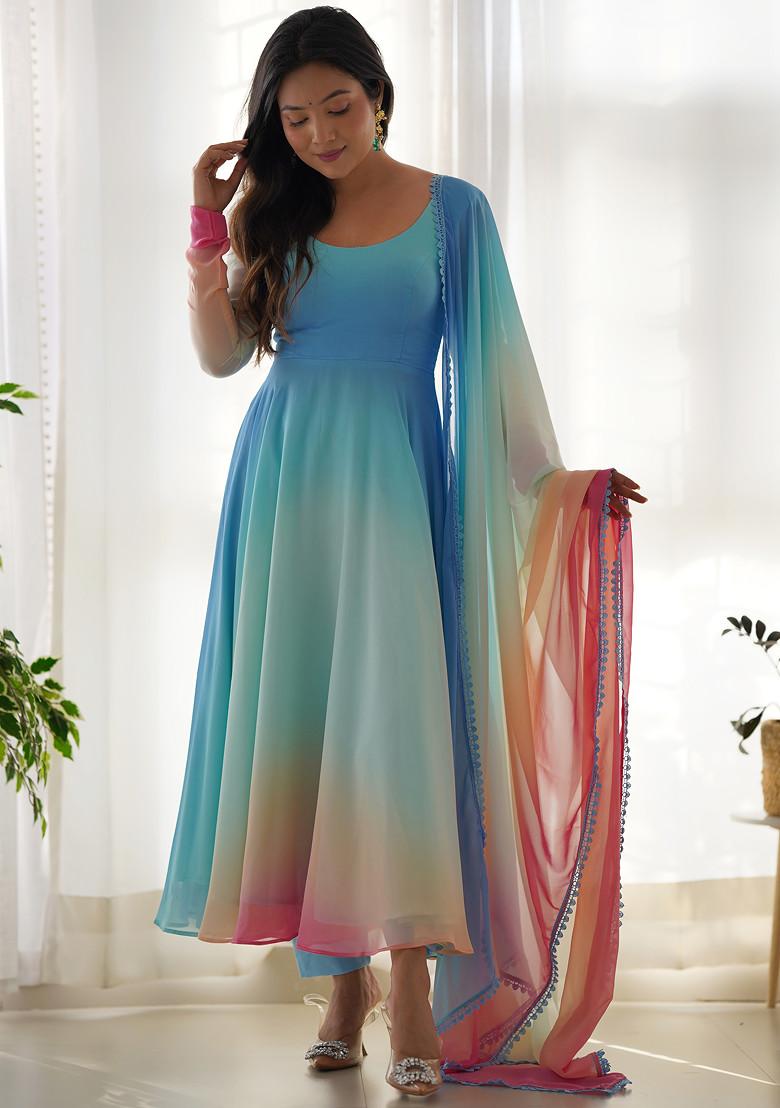
1. Figure and Structure
The difference between a suit and an Anarkali dress is mainly in the silhouette. Suits will be looked straight or A-line kurtas with churidars/palazzos/salwars which gives a structured well-defined versatile look. The long Anarkali dresses are more like flowing frocks and start flaring at the waist making it look very voluminous and regal.
2. The Occasions to Wear
Suits do offer a lot of versatility, and one can wear it for casual outings or shall wear it to work, depending on the majesty of the design and its fabric. Kurta sets, the most common kind of suit, are mostly fine for everyday wear and semi-formal events. Anarkali is most suitable for extravagant occasions, weddings, or formal gatherings as their designs are so intricate and the regal appeal leaves no choice for anything other than festival wear.
3. Length and Fit
Suits vary in length, from short kurtas to knee-length ones, all paired with a variety of bottoms. Rather than a long, flary fit, they focus more on a tailored fit that is to be comfortable and practical. Long Anarkali dresses are floor-length or calf-length, with a fitted bodice stitched into a flared bottom, making them appear rather graceful and dramatic.
4. Design and Externals
The heavy zari or sequins or embroidery embellishments used, transform an "Anarkali" into a most dreary piece and set the tone of royalty. Intricate design has adorned most of these dresses, turning them into showpieces for weddings or festivals. Suits are generally modest than these: typical kurta combinations have embroidery very neat to a block print, or other minimalistic ornamentation. They are ideal for the working or everyday woman.
5. Fabrics Suited
Suits fabric are many like cotton, silk, chiffon, and georgette according to the seasons where all summertime cotton suits are available also bringing richness with silk on a festive occasion for celebration. But prolonged Anarkali dresses mainly use rich fabrics like silk, velvet, and brocade to give a more phenomenal look; however, lighter materials like georgette are also used in modern designs.
6. Styling the Tops and Blouses
In suits, the kurta serves as the top, available in different styles from straight cuts to asymmetrical hemlines. Some kurta sets even pair short tops with shararas or palazzos bringing in a modern twist. Anarkali dresses, on the other hand, offer a more detailed design as the bodice or top is intricately crafted and flows seamlessly into the skirt. The detailed necklines and bodice designs are their highlights.
7. Wearing Ease and Comfort Ease
Suits are surely a one-size-fits-all garment and extremely easy to wear: they are convenient for women of all ages. The separates allow for customization in fit, kurta, bottoms, and dupatta being pieces that are all worn together; therefore, this makes it a preferred option for everyday wear. The Long Anarkali dresses may appear glamorous, but might not seem so practical for casual outings because of that billowy effect. Nevertheless,they speak volume whenever worn for important occasions.
8. New-age Versions
With the modern variation of the traditional Anarkali now coming with asymmetrical hems, jackets, or probably, their hallmark feature recently, pre-stitched dupattas, they have removed most of the tedious work-from home of the user's out of much handling made into the garment form. Much the same way, suits have transcended to become stylish kurta sets comprising tunic style tops but very trendy bottoms such as cigarette pants or dhoti style trousers; they have captured the winds of change that are blowing through modern women's style choices without sacrificing their authenticity in Indian wear.
Conclusion:
A suit or Anarkali dress varies from one occasion to the other, from one taste to the other, and comfort level. Rather, suits, most especially kurta sets, are perfectly meant for daily and semi-formal events in that they are simple and wide-ranging. This is unlike any of the long Anarkali dresses, which are made mainly for pomp and richness and have become people's favorites for festivals and weddings. Whether it be a simple yet classy suit or the royal look that one gets from wearing an Anarkali, both of them are classic Indian fashion staples-one always celebrating the tradition and style of India.
 @indya
Related Posts