

What is a bridal lehenga?

16-Apr-25 03:24 PM
Purvi
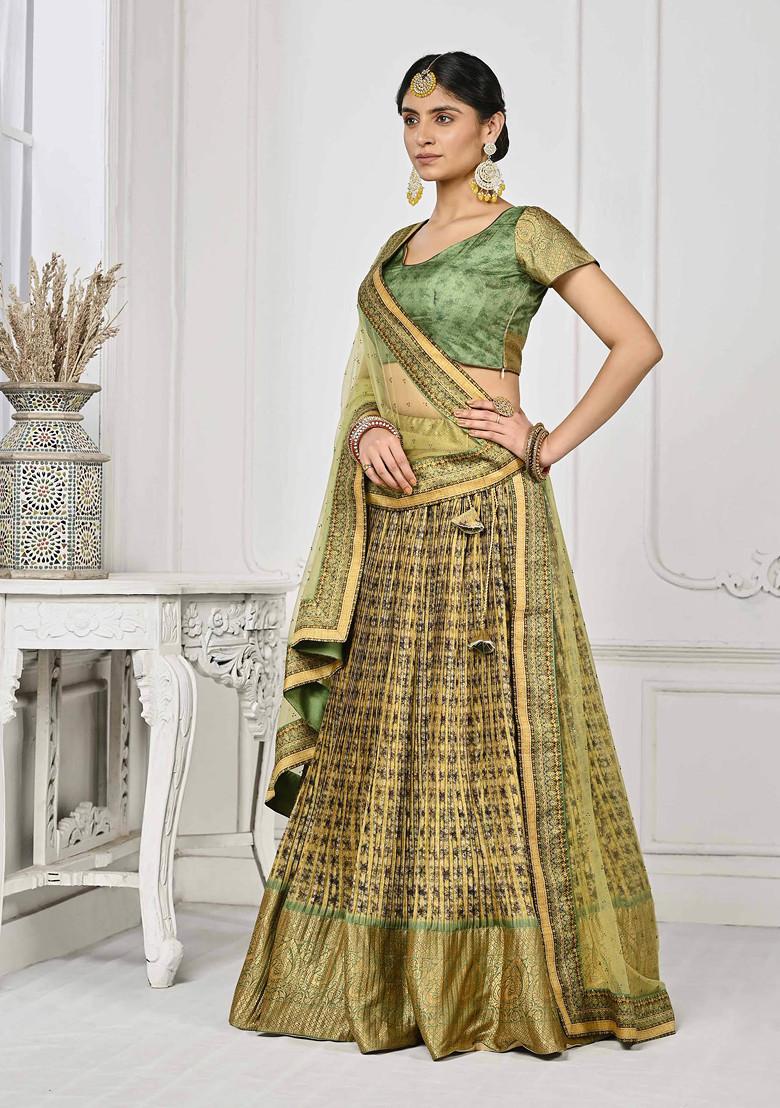
Bridal lehenga is the traditional outfit of Indian brides which they wear while completing their wedding vows. It is a well flared skirt, a blouse, and dupatta delicately embroidered with rich fabrics, with its special place among the Indian wedding dresses for women.
1. Deeply Rooted in History
Very much part of Indian tradition, bridal lehengas have their roots-desperate up to Mughal influences that made them a symbol of elegant sophistication for Indian brides, and now they are coming into a majority of the popular Indian dresses at grand ceremonies. They complete the wedding sarees with their modern regal presence, turning them into modern Indian wedding dresses for women.
2. Design and Structure of a Lehenga
The typical bridal lehengas comprise long and heavily embroidered skirts, stylish blouses, and draped dupattas over the head or shoulder in a gracious way. Otherwise much easier in terms of styling and design than some wedding sarees, lehengas serve instantly Indian dresses for brides looking for well-combined regal and trendy looks.
3. Fabric Choices for a Bridal Lehenga
Whether silk, velvet, brocade, or georgette-draped suits every bridal lehenga fabric becomes an important aspect of the overall appeal of the bridal lehenga. These materials also enrich the character and comfort that every Indian wedding dress for women possesses.
4. Trend in Colors of Bridal Lehengas
Traditionally known as the color of choice in wedding ceremonies, red has been slowly nosedived with emerging bunches of brides trying pastels, faded pinks, greens, and ivory, which all have something to say regarding culture and intimacy. So Indian wedding dresses would either be lehengas or wedding sarees very much opened to today's much wider choices and tastes.
5. Embroidery and Finishing
Heavy embroidery, zari, mirror work, sequins, and handwork-are all those hi-fi points that separate one bridal lehenga from another. And all these make and grant the wear the richness and festiveness of the attire. These incredible details catch the eye in every Indian dress and separate a bridal lehenga from an ordinary piece but even from a traditional wedding saree.
6. Styles of Draping the Lehenga
Draping the dupatta is an art in itself. In this case, brides may favour a simple single dupatta over the head or a double dupatta styling for an ancestral touch. What makes lehengas different is that they can give a person more freedom than that of a wedding saree. This is yet another reason that people get to see so many different lehenga designs in Indian weddings for women.
7. Lehenga Wedding Saree
Both of these are popular attires among Indians; lehengas can be more comfortable and a
bit modern. However, a wedding saree is defined as pure elegance and eternity. Further, these have a lot of lots more space for individual touch. That is why nowadays many Indian wedding dresses for woman are more being done as lehenga sets which cover both traditions as well as individuality.
8. Customization and Personal Touch
Personalization is already a trend in Indian dressing for wedding. Now a modern bridal lehenga is from every corner customized according to the bride's persona-from hues to design, design to the different designs of embroidery, initials to every personal touch brought into the lehenga. Personalization brings about the fact that the lehenga is as unique on its own as an heirloom wedding saree that paves the way for future generations.
A Bridal lehenga is a wardrobe; more, it is culture, sentiment, and festivity. Among all the Indian wedding attires for women, lehengas tend to be balanced; they are decorated but tend to provide comfort. Are they mixed with ultimately a wedding saree, or do they tend to have modern-style draping? These Indian dresses do become favorites for brides from different cultures and generations.
 @indya
Related Posts