

What are the traditional attire for a bride on her wedding day?

25-Mar-25 05:05 PM
Purvi
Bridal wear implies more than just culture and traditions; it is also a means of personal expression. Different regions witness different bridal attire in design, fabric, and embellishments. Heavy embroidery lehenga: for the heavy-duty look;Designer Gown or an elegant Wedding Gown are for the wear-it-once-and-forget-it kind; or go for the Indo-Western mix to link the ancient with the trendy. Here are some of the most-loved picks from the collection of bridal traditions:
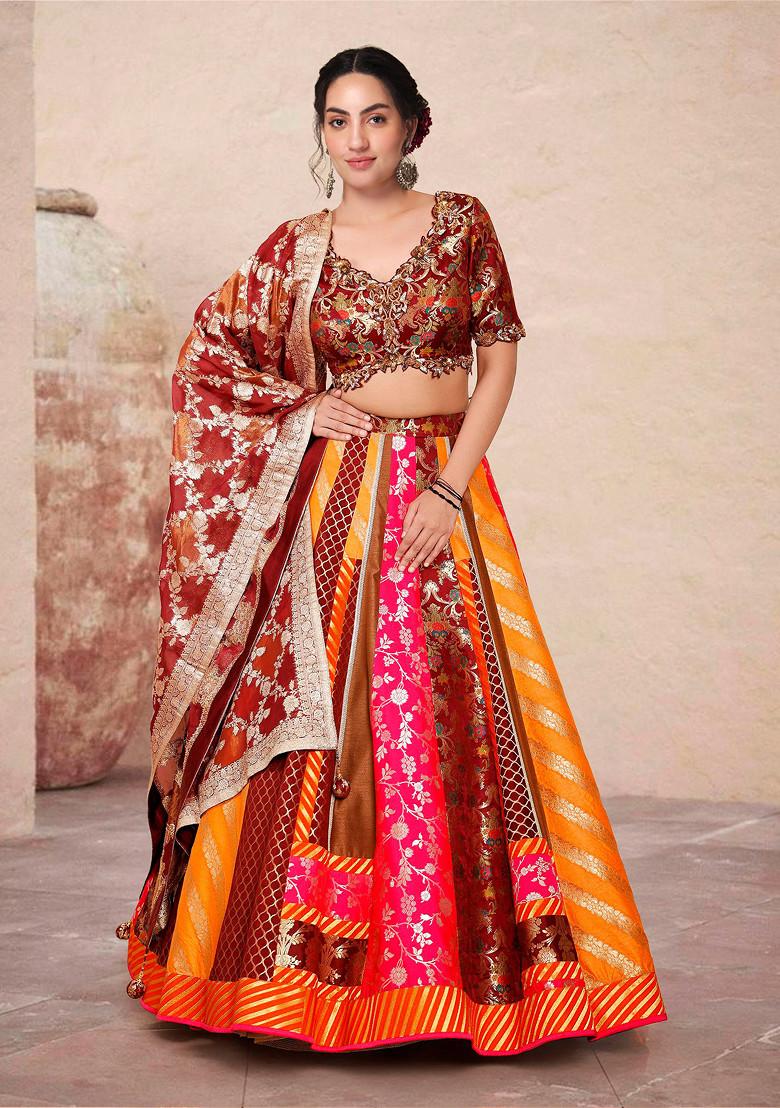
1. Lehenga Choli
The lehenga-choli actually is the hype of all bridal wear. The bright pretty lehenga, the silk-red-and-maroon-and-gold ones, all paired with a dupatta for a traditional touch. With the new-age bride, lehengas are now being custom-designed mostly to take elements from a Designer Gown, beautifully combining old and contemporary elements of fashion.
2. Saree
What is better than a saree? Timeless as an option for brides: Kanjivaram or Banarasi silk sarees for Indian weddings! Some brides go with an elegant drape of a saree, flowing perfectly in the designer's elegant choice of Wedding Gown that speaks loudly of regality and sophistication. Heavy bridal jewelry and certain embroidery finishes simply do justice to this choice.
3. Anarkali Suit
Anarkali suits allow brides to maintain grandeur while offering the comfort required for the wedding day. A long, above-the-knee dress falls beautifully alongside Designer Gown-like embroidery in sequins and beads. Anarkali is another trendy alternative to heavy lehengas and sarees.
4. Sharara or Gharara
Sharara or gharara are such traditional bridal garments used in Muslim weddings. It consists of flared pants, which are matched with a long kurti and dupatta. There are many elements of a Wedding Gown incorporated into many designs through luxurious fabrics and intricate embellishments. The crowning glory of this outfit is its royal yet comfortable nature.
5. Ghagra Choli
Again, the ghagra choli has a skirt-like volume with a crop-top blouse and dupatta. Still a traditional wedding option for brides in Gujarat and Rajasthan, some Indo-Western designs link traditional embroidery with Western cuts and fabrics, making modern versions of this outfit with a twist. This produces a stunning and exclusive look for the bride.
6. Salwar Kameez
Sikh and Punjabi brides dress in embroidered salwar kameez, setting a good trend for the time. Long tunic (kameez) worn with pants (salwar) and covered with a dupatta is what this attire is all about. It is made to look modern and like a Designer Gown. The bride can wear this creation if she desires something closer to the traditional yet with a twist of fashion.
7. Wedding Gown with a Traditional Touch
Most Wedding Gowns are popularly associated with western brides; however, just like westerners, many Indian brides now opt for a fusion version that is a mixture of traditional embroidery and fabric with the silhouette of a gown. These Indo-Western Dresses entail embroidery with zari work, bead embellishments, and sometimes even a dupatta, allowing for a perfect infusion of elegance with heritage.
8. Regional Bridal Attires
Different regions of India maintain their own bridal attire, which goes in keeping with the cultural fabric of the land. For instance, Mekhela Chador is worn by Assamese brides, whereas a Paithani saree is worn by Maharashtrian brides. These ensembles are designed at times in such a way that they resemble the features of a Designer Gown, thus making them appear luxurious and extravagant, while still being in adherence to authenticity.
The bride's wedding outfit has always been steeped in tradition but keeps borrowing a few pages of inspiration from contemporary fashion trends. Be it the saree, lehenga, or Designer Gown, every bride has a look that speaks volumes about her culture and personality. It is also witnessing an increasing popularity of Indo-Western Dresses and those with touches of traditional elements in Wedding Gowns, making for the perfect marriage of elegance and tradition. The bridal wedding outfit, whatever choice it may be, represents beauty, grace, and celebration.
 @indya
Related Posts