

8 Dupatta Draping Styles for Navratri That Won't Budge on the Garba Floor

27-Aug-26 11:24 AM
House of Indya Editorial Team
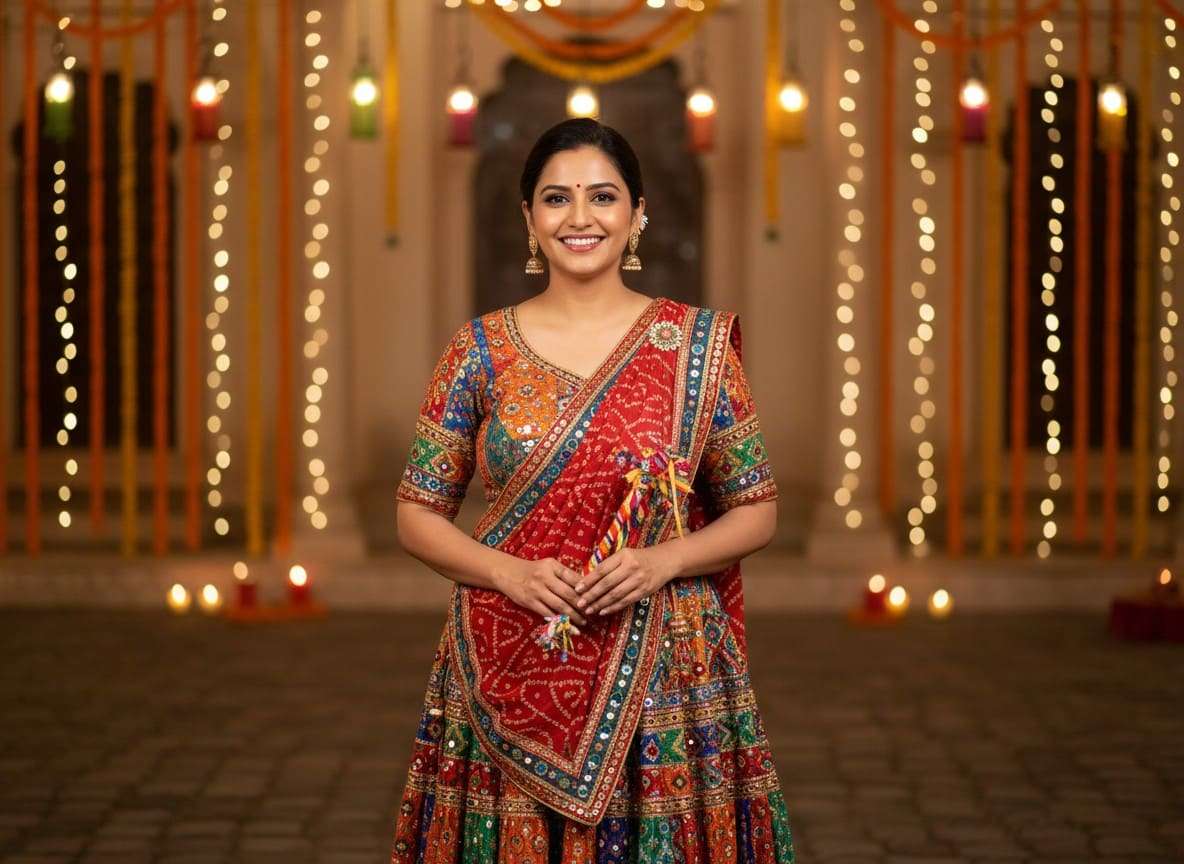
The most secure dupatta drapes for Garba are those that anchor the fabric to your body at multiple points, freeing your hands for dandiya and claps. Styles like the classic Gujarati Seedha Pallu, a modern waist-belted drape, or a functional cross-body wrap ensure your dupatta stays put through every spin. These methods distribute the fabric's weight and keep it from slipping, snagging, or tripping you up on the dance floor.
Which Dupatta Drapes Are Best for Garba?
Your choice of drape is as crucial as your footwork. You need a style that is both beautiful and completely secure. Here are eight distinct ways to drape your dupatta, each balancing flair with function, so you can dance without a single worry about adjustments.
1. The Gujarati Seedha Pallu
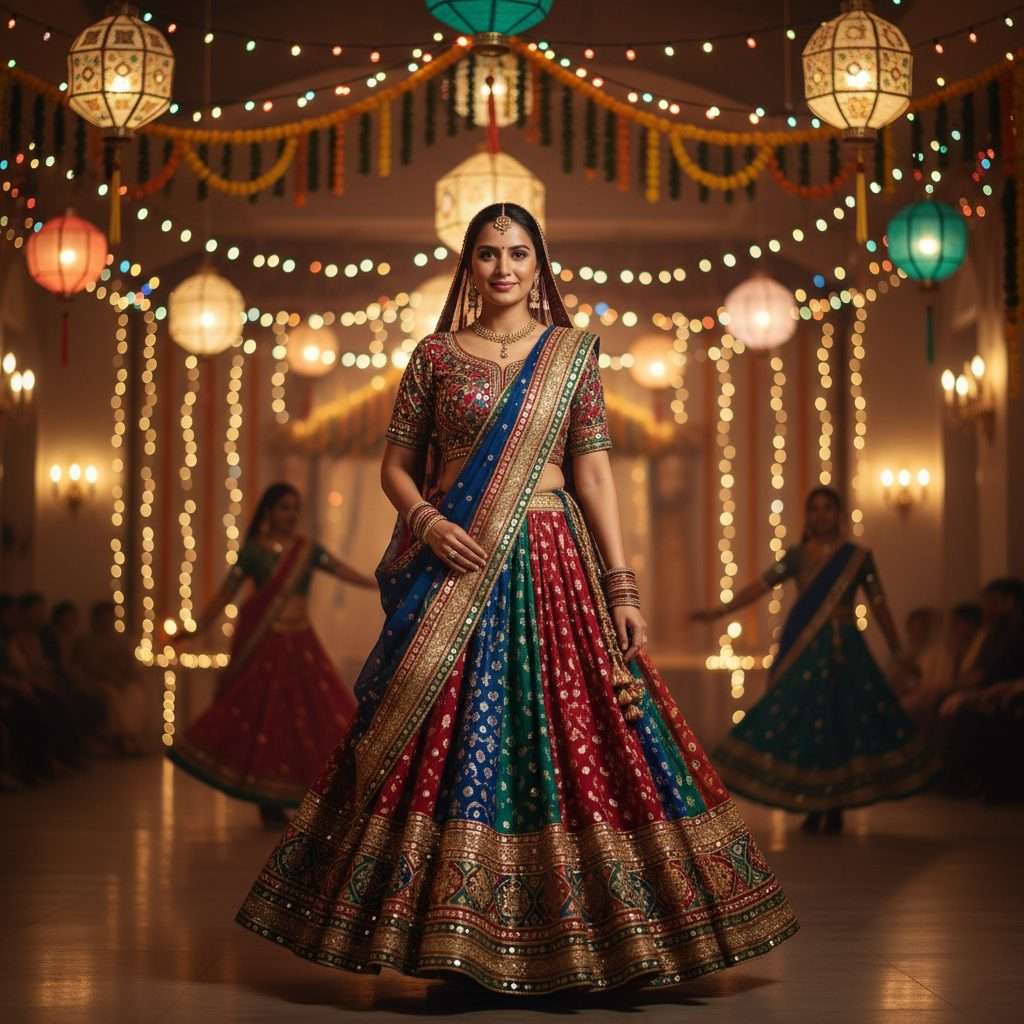
This is the quintessential `chaniya choli dupatta style` for a reason. It is both graceful and incredibly practical.
How to do it: Neatly pleat one end of your dupatta. Place the pleated end on your right shoulder, letting it fall forward. The length in front should reach your mid-thigh. Take the back end of the dupatta, bring it around your left hip, and tuck the corner securely into the front of your lehenga. The front portion is then fanned out and pinned to the left side of your choli, creating a beautiful display across your torso.
Security Level: Very high. With the fabric anchored at the shoulder, waist, and across the choli, this drape is built to move with you.
2. The Waistbelt Cinch
This `modern lehenga dupatta style` uses an accessory to do the work. It is sleek, contemporary, and exceptionally secure.
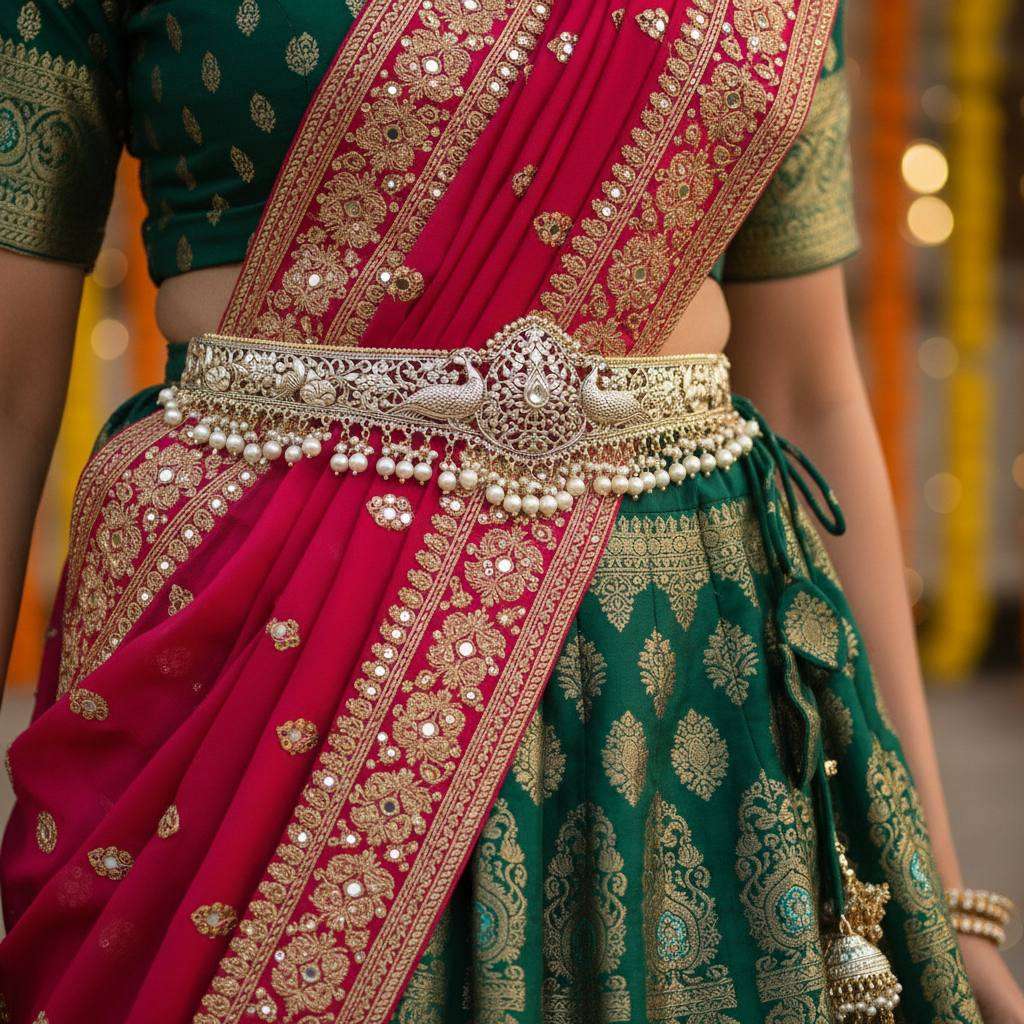
How to do it: Drape the dupatta over one shoulder, like a shawl. Let it fall evenly down your front and back. Cinch a decorative waist belt, or kamarbandh, over the dupatta at your natural waist. This not only secures the fabric against your body but also defines your silhouette.
Security Level: High. The belt acts as the main anchor, keeping the dupatta firmly in place. This works best with fabrics that have some weight, like georgette or silk.
3. The Cross-Body Garba Lock
For the dancer who wants zero distractions, this drape offers maximum freedom of movement.
How to do it: Place the center of the dupatta behind your back. Bring the two ends forward under your arms. Cross them over your chest, throw each end over the opposite shoulder, and let them hang down your back. Alternatively, for a cleaner look, take one end over your shoulder, bring it diagonally across your torso, and pin the other end securely at the opposite hip.
Security Level: Maximum. This style binds the dupatta to your torso, leaving your arms and shoulders completely free.
4. The Shoulder-to-Waist Tuck
This is a simple, elegant drape that keeps one shoulder and arm completely free.
How to do it: Pleat one end of your dupatta and pin it securely to your left shoulder. Let the fabric fall down your back. Bring the other end around from your right side, across your waist, and tuck it neatly into the left side of your skirt's waistband.
Security Level: High. Once pinned at the shoulder and tucked tightly at the waist, this drape is very reliable. It’s a fantastic way to manage heavier dupattas, like traditional Banarasi silk dupattas.
5. The Double-Shoulder Cape
This regal drape showcases an ornate blouse and statement jewelry while keeping the dupatta off your arms.
How to do it: Pleat both ends of the dupatta. Pin one pleated end to each shoulder, allowing the fabric to drape down your back like a cape. You can let it hang loose or, for added security, bring the corners forward and tuck them into your waistband.
Security Level: Medium to High. It’s secure at the shoulders, but the back can billow out during vigorous spins. Tucking the ends adds security.
6. The Saree-Style Pleat
This drape mimics the look of a saree pallu and is ideal for showcasing a dupatta with a heavily decorated border.
How to do it: Tuck one end of the dupatta into the right side of your skirt and wrap it once around your waist, tucking it in as you go. Bring the fabric around to the front, gather it into neat pleats, and drape it over your left shoulder, allowing it to fall like a saree pallu.
Security Level: High. With most of the fabric tucked into the waistband, only the pallu is free, making this a very stable `dupatta draping for lehenga`.
7. The Neck Wrap Throw
This is a more relaxed style, perfect for lighter, more manageable lightweight dupattas like chiffon or net.
How to do it: Drape the dupatta around your neck from the front, with the ends falling behind you. Take one end (usually the right) and throw it over your left shoulder to the front. Adjust the lengths so they feel balanced.
Security Level: Low to Medium. While stylish, this drape requires lighter fabric and may need occasional adjustment. Use pins at the neck and shoulder for more security.
8. The One-Shoulder Freefall
A classic and simple drape. The key is in the pinning.
How to do it: Neatly pleat one end of the dupatta and pin it securely to your left shoulder. Allow the rest of the fabric to fall freely down your back. For Garba, you should take the other end, bring it forward under your right arm, and pin it securely to the front of your blouse or the side of your skirt.
Security Level: Medium. Without the second anchor point, it's not secure for dancing. With the front pinned, its security level increases significantly.
Which Chaniya Choli Silhouettes Pair Best with These Drapes?
The success of your drape depends heavily on the foundation: your `chaniya choli`. The cut of the skirt, or ghagra, affects not only how the dupatta falls but also how you move.
A full, flared silhouette, like a circular or multi-panel kalidar `ghagra choli`, is the ideal canvas for Garba. The wide circumference creates that spectacular twirl and provides ample fabric at the waistband to securely tuck in drapes like the Saree-Style Pleat or the Gujarati Seedha Pallu. The sheer volume of these vibrant chaniya choli sets enhances the visual drama of every spin.
If you prefer a more streamlined look, an A-line `chaniya choli` is an excellent choice. It is widely considered flattering for most body types and offers comfort without excessive volume. This silhouette pairs beautifully with modern drapes like the Waistbelt Cinch or the Cross-Body Garba Lock, which create a sleek, uninterrupted line. When you're ordering online from places like the US, UK, or Australia, choosing a familiar and forgiving silhouette like an A-line can give you confidence in the fit. For a truly inclusive selection, exploring plus-size lehenga sets ensures you find a silhouette that feels made for you.
Find Your Perfect Garba Night Chaniya Choli
Explore our collection of vibrant, dance-ready lehengas in breathable fabrics.
Which Fabrics Keep You Cool While Dancing?
Nine nights of dancing in a packed hall, whether you are in Brampton or the Bay Area, means body heat is a real factor. The fabric of your dupatta and chaniya choli is your first line of defense against overheating.
Your best choices are lightweight, breathable fabrics that allow air to circulate and moisture to evaporate. Think georgette, chiffon, rayon, and cotton-blends. It is no surprise that across our own orders from overseas customers, georgette is the number one fabric choice for chaniya cholis, accounting for 38.0% of all sets sold. It is loved for its fluid drape and lightweight feel. Silk and silk-blends are a close second, making up 34.5% of orders, prized for their luster and rich feel.
While a traditional `Banarasi silk dupatta` or `Paithani dupatta` is stunning, the weight can be a challenge. If your heart is set on one, opt for a secure, minimal drape like the Shoulder-to-Waist Tuck, which keeps most of the fabric pinned down. Another excellent option is a `patola dupatta`. Woven from silk, it offers that rich, traditional look but is often lighter and more pliable than heavy brocades, making it a smarter choice for a long night of Garba. This is why green, a top-three color among our customers, is a popular choice for chaniya cholis made from these thoughtful fabrics.
How Can You Accessorise a Securely Draped Dupatta?
With your dupatta firmly in place, you can choose accessories that complement your look without becoming a liability on the dance floor. The right drape creates specific opportunities for adornment.
If you have chosen a drape that keeps your neckline clear, like the Double-Shoulder Cape or the Cross-Body Garba Lock, this is the perfect time for a statement choker or a layered necklace. For drapes that cover the torso, like the Gujarati Seedha Pallu, it is better to skip a long necklace that might get lost or tangled. Instead, focus on grander earrings, a maang tikka, and a stack of bangles.
When worn over a drape like the Waistbelt Cinch, it becomes the centerpiece of your look while providing an iron-clad anchor for your dupatta. You can find them in metal, embroidered fabric, or with hanging tassels that add to the rhythmic movement of your dance. This is also a smart way to accessorise one of the most popular looks we see our overseas customers choosing: a multi-colored lehenga, which is our number one selling color category at 19.2% of units. A metallic belt can tie all the different colors together.
How Do You Pin Your Dupatta So It Stays in Place?
The promise of a "won't budge" drape is fulfilled by a few well-placed pins. A few minutes of careful pinning is your ticket to a stress-free night.
First, use good quality safety pins in a few different sizes. You need small pins for delicate fabrics and larger, stronger pins for major anchor points.
The Shoulder Anchor: This is the most important point. Do not just push a pin through the fabric. Instead, gather the section of the dupatta that will rest on your shoulder into neat, one-inch pleats. A tidy stack of pleats is much stronger than a crumpled bunch of fabric. Hold the pleats firmly and use a medium-sized safety pin to pierce through all the layers. Then, drive the pin through the seam of your blouse shoulder from the inside, so the pin itself is hidden within the garment. For a heavy dupatta or a very long night of dancing, use a second pin parallel to the first for extra security.
The Waist Anchor: If your `dupatta draping on lehenga` involves tucking it into the skirt, do not rely on friction alone. After you tuck the corner or end into the waistband, secure it from the inside with a safety pin, fastening it to the thick fabric of the inner waistband. This will prevent it from pulling loose during spins.
Hiding Your Pins: The goal is for the pins to be felt, not seen. Always pin from the inside of your blouse or skirt. When you push the pin through, only the thin metal back should be on the outside, and it will be covered by the layers of your dupatta. Pinning into seams, where the fabric is thickest, provides a more secure hold and makes the pin less visible.
With these techniques, your beautifully chosen chaniya choli and perfectly draped dupatta will look just as pristine at the end of the night as they did at the beginning.
= Will it look like the photograph? Rated 4.0★ across 13,039 customer reviews on the pieces featured here
= Will it fit when I cannot try it on? Every product page carries garment measurements, not just size labels
= Do they actually ship to me? Ships to the US, UK, Canada, Australia with tracked delivery
= What if it is wrong? Returns and exchanges handled by a team you can reach directly
Frequently asked questions
How to drape dupatta on lehenga for garba?
For a secure Garba drape, choose a style that keeps your arms free, like the Gujarati seedha pallu. The key is to pleat the dupatta neatly for control before draping. Anchor it firmly to your choli and lehenga using multiple safety pins at the shoulder and waist. Pinning from the inside keeps them hidden and ensures your drape stays put all night.
Which dupatta is best for chaniya choli?
The best dupatta for a chaniya choli is one made from a lightweight, breathable fabric that allows for easy movement. Georgette and chiffon are excellent choices as they drape beautifully and keep you cool. For a traditional Navratri look, you cannot go wrong with the vibrant patterns of a bandhani or leheriya dupatta, which add festive flair without adding bulk.
How can I look slim in chaniya choli?
To create a more streamlined silhouette in your chaniya choli, opt for an A-line or kalidar lehenga. These cuts offer a graceful flare without adding bulk at the waist. Choose fabrics that drape well, like georgette, which is our most popular choice. A vertical dupatta drape, such as the shoulder-to-waist tuck, will also create an elongating effect, drawing the eye downward.
Ready for the Nine Nights?
Your Navratri wardrobe starts here. Discover lehengas, chaniya cholis, and accessories designed for the festival, with styles ready to ship to you in the US, UK, Canada, and Australia.
 @indya
Related Posts