
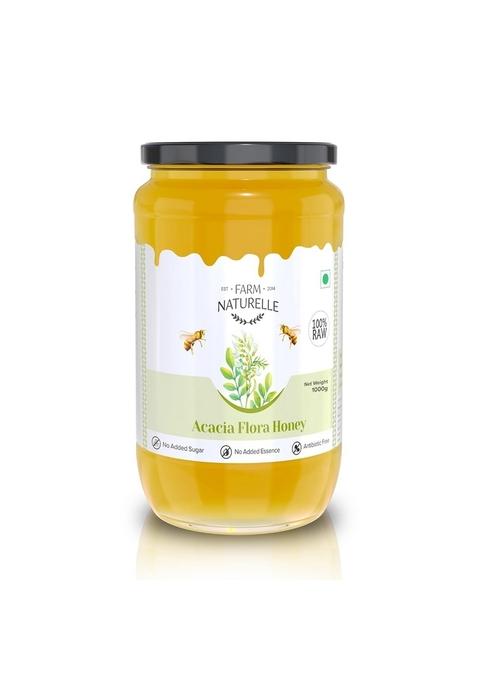
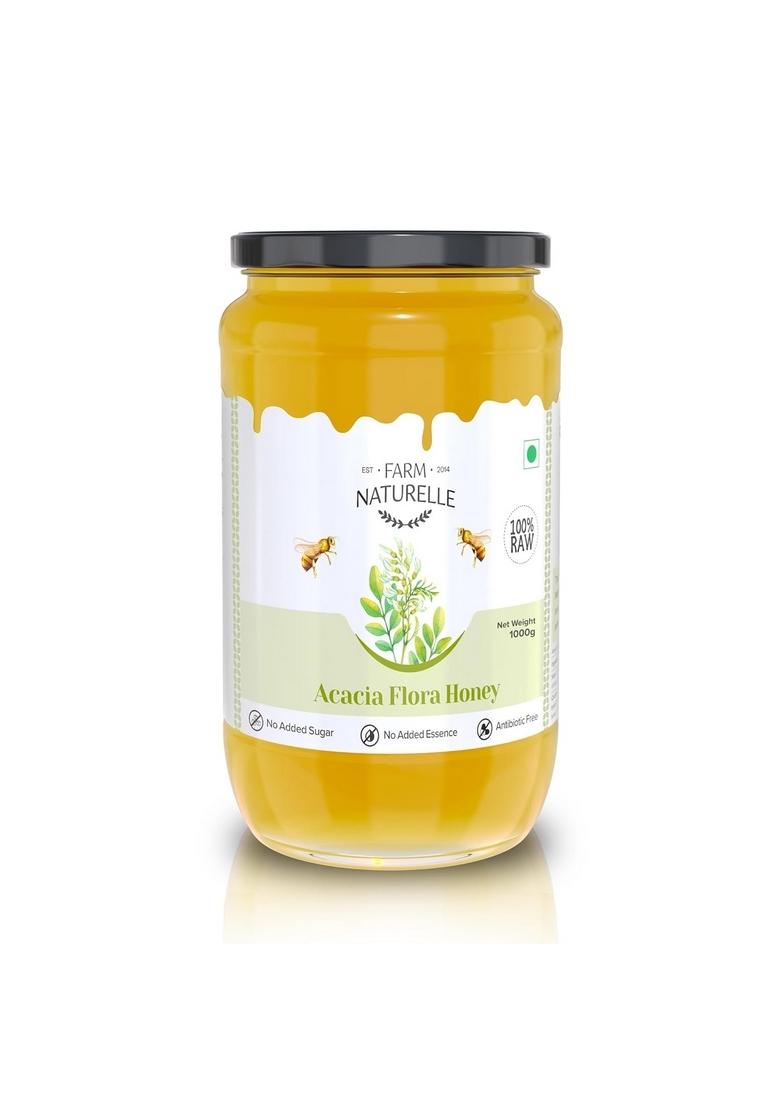

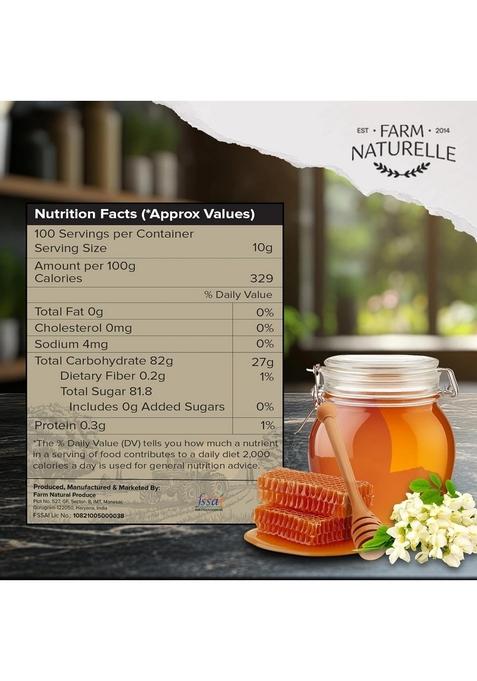
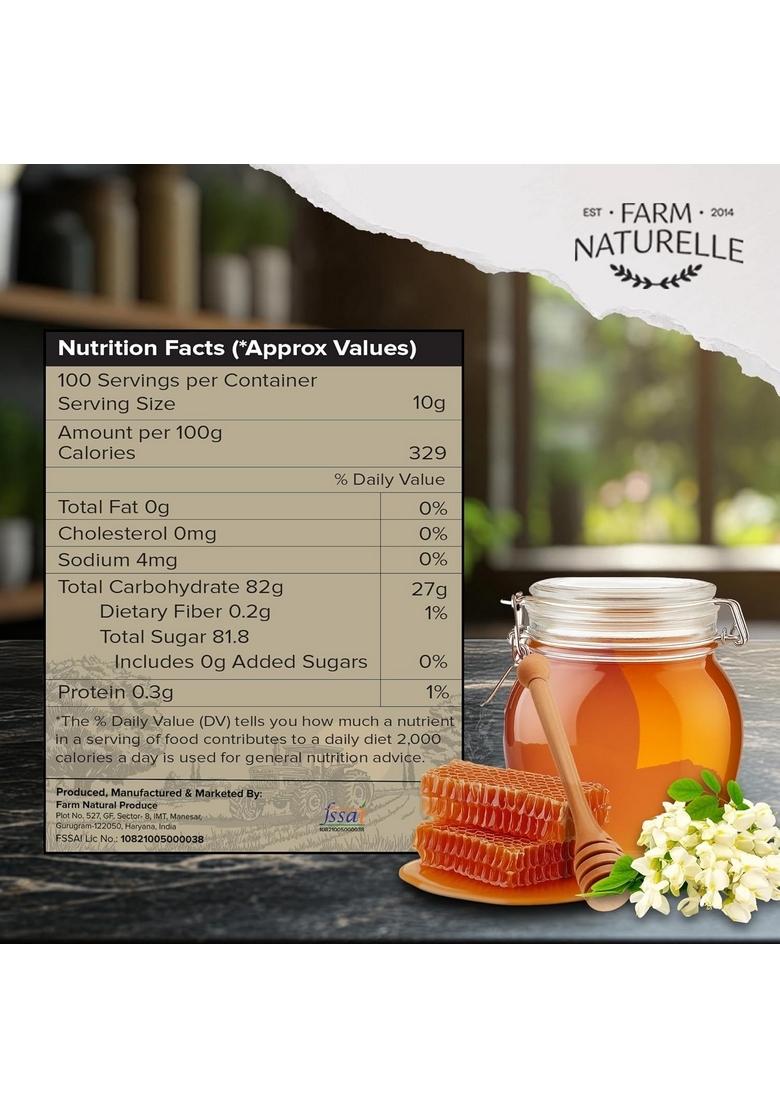

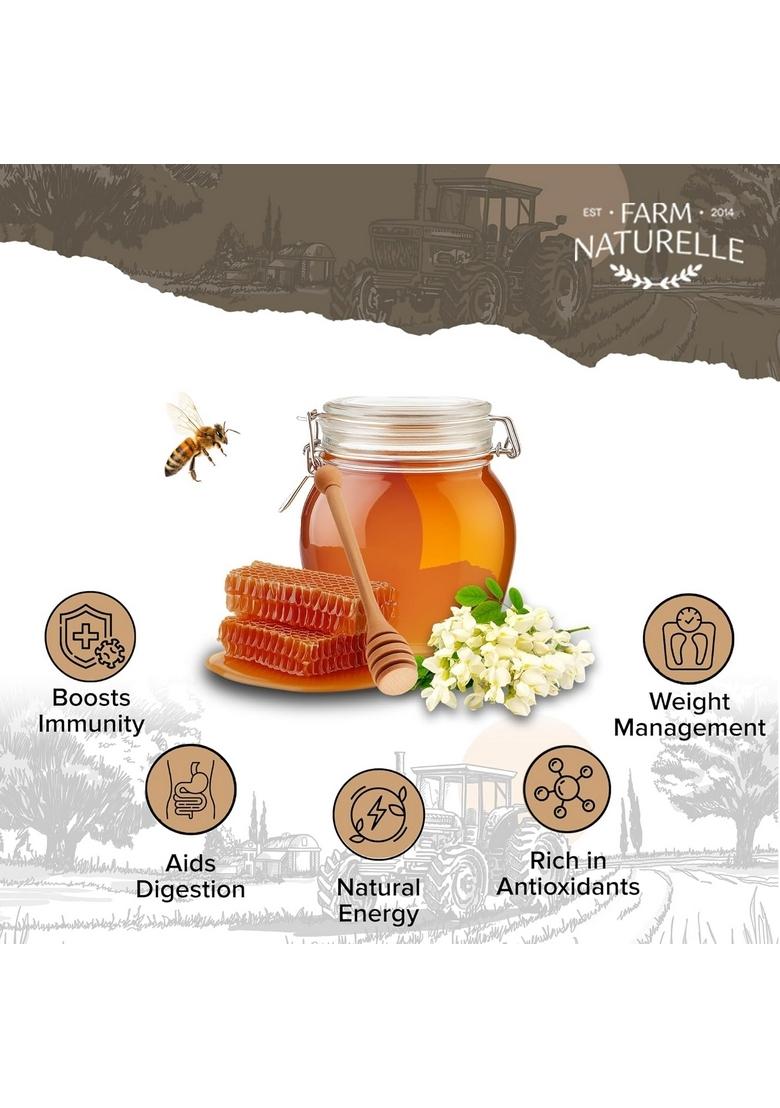




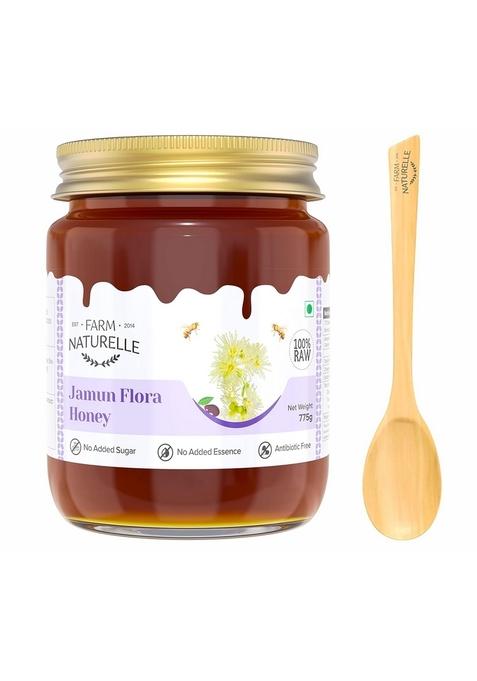
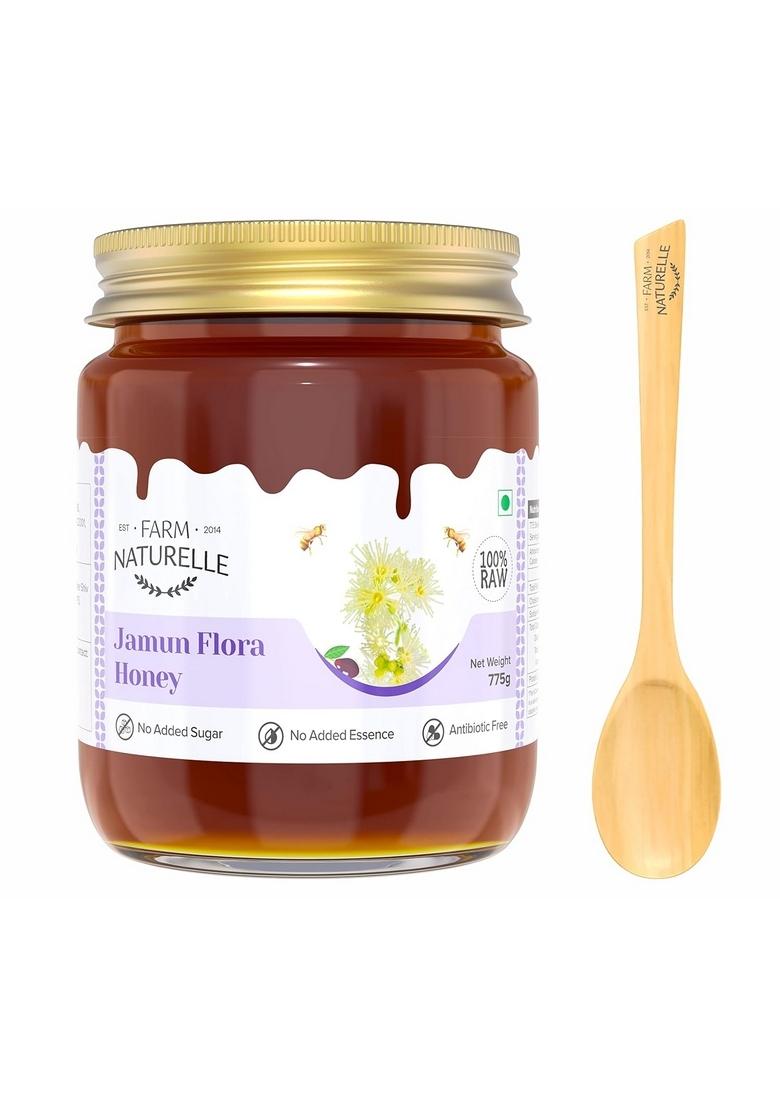
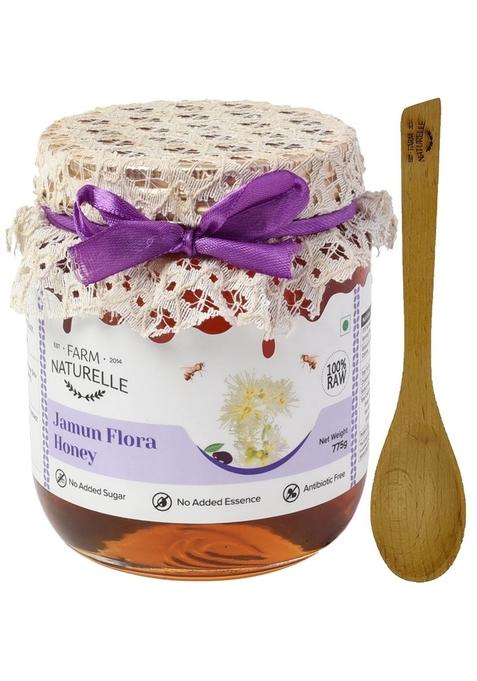
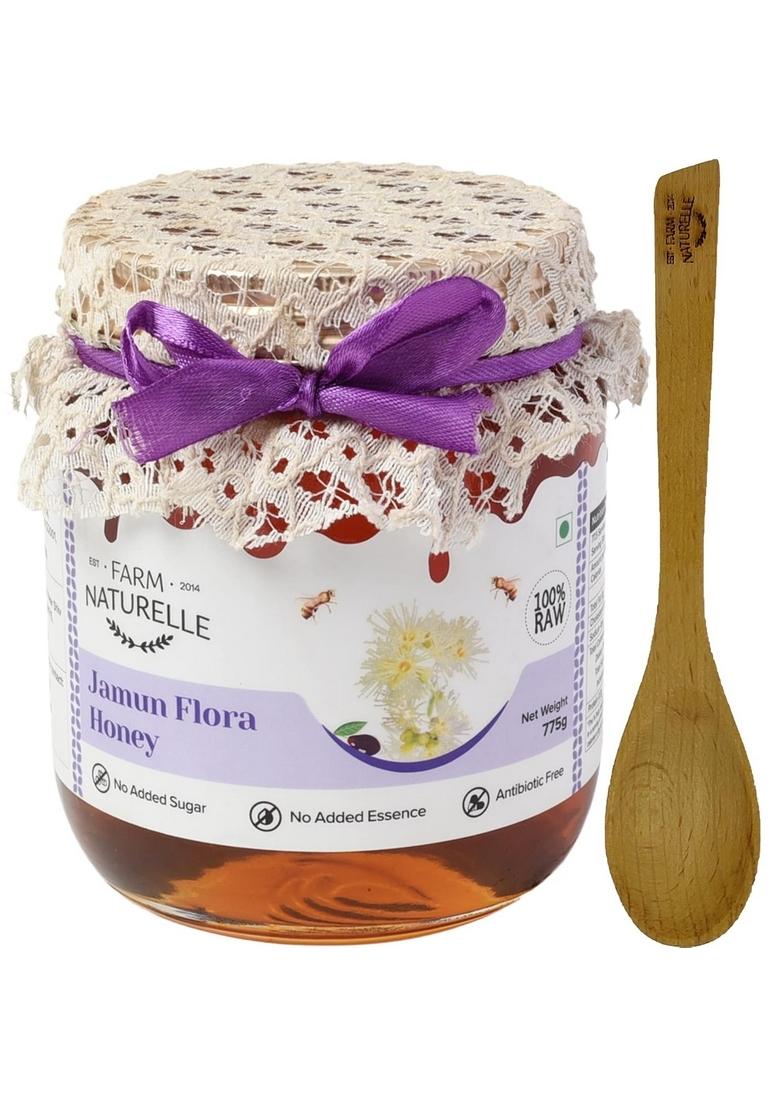


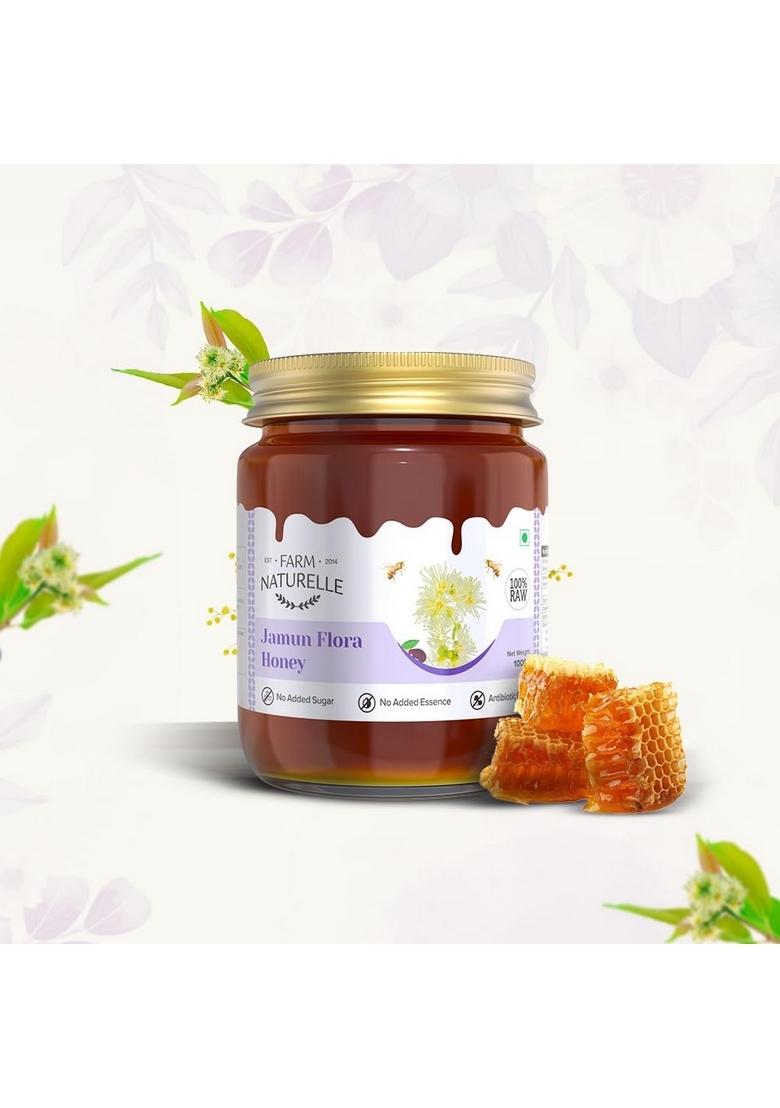
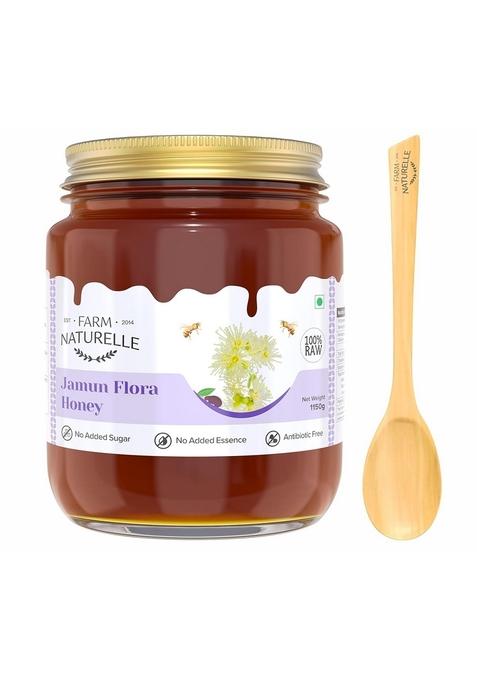
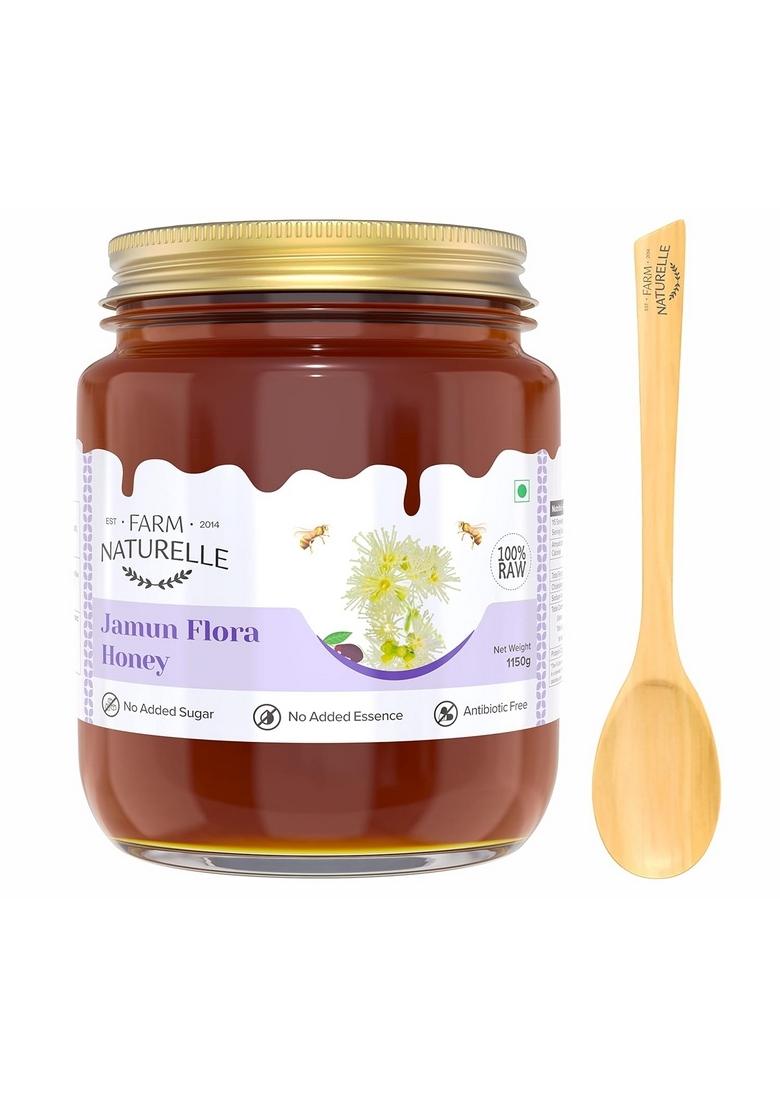
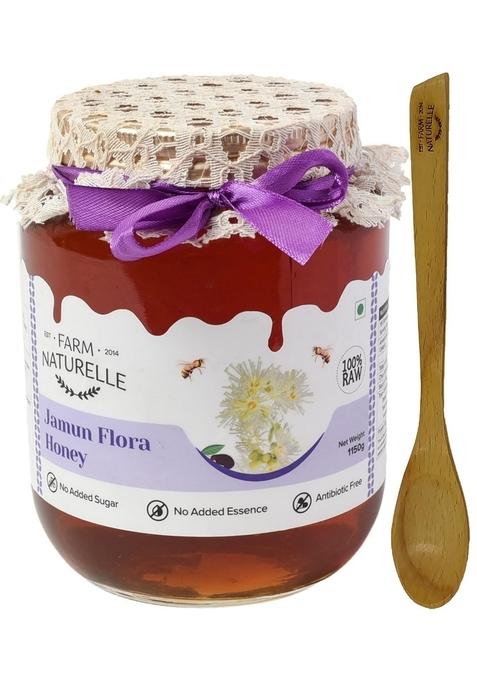
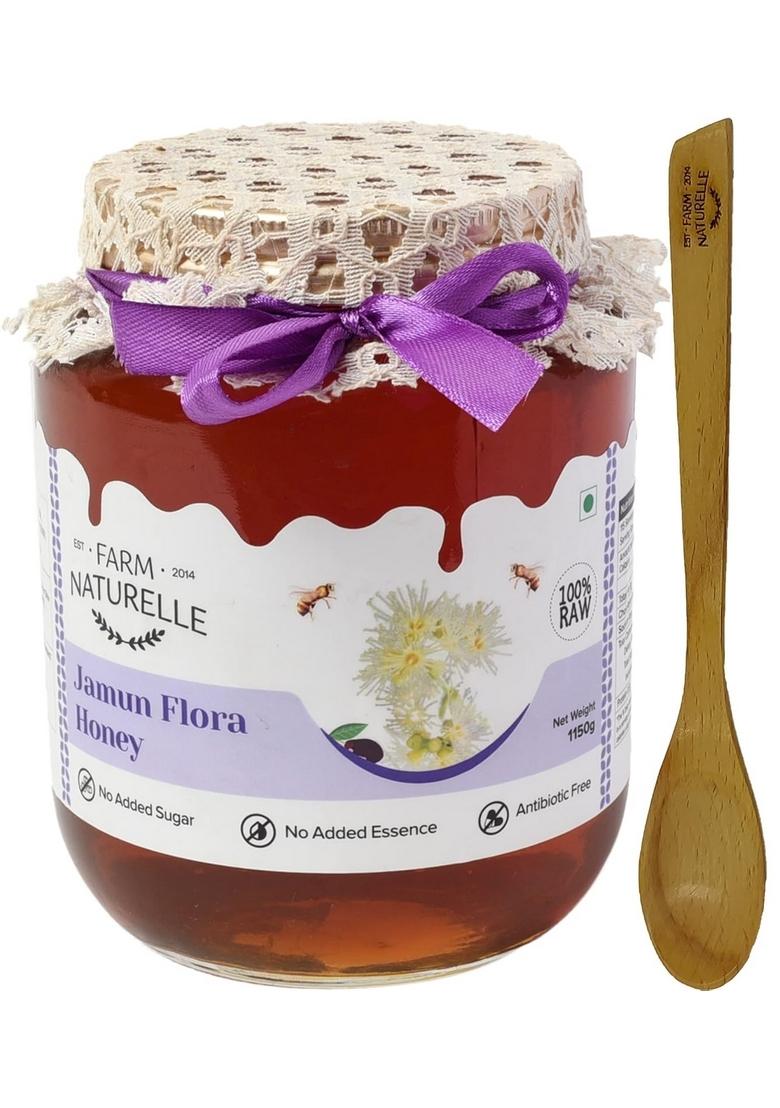
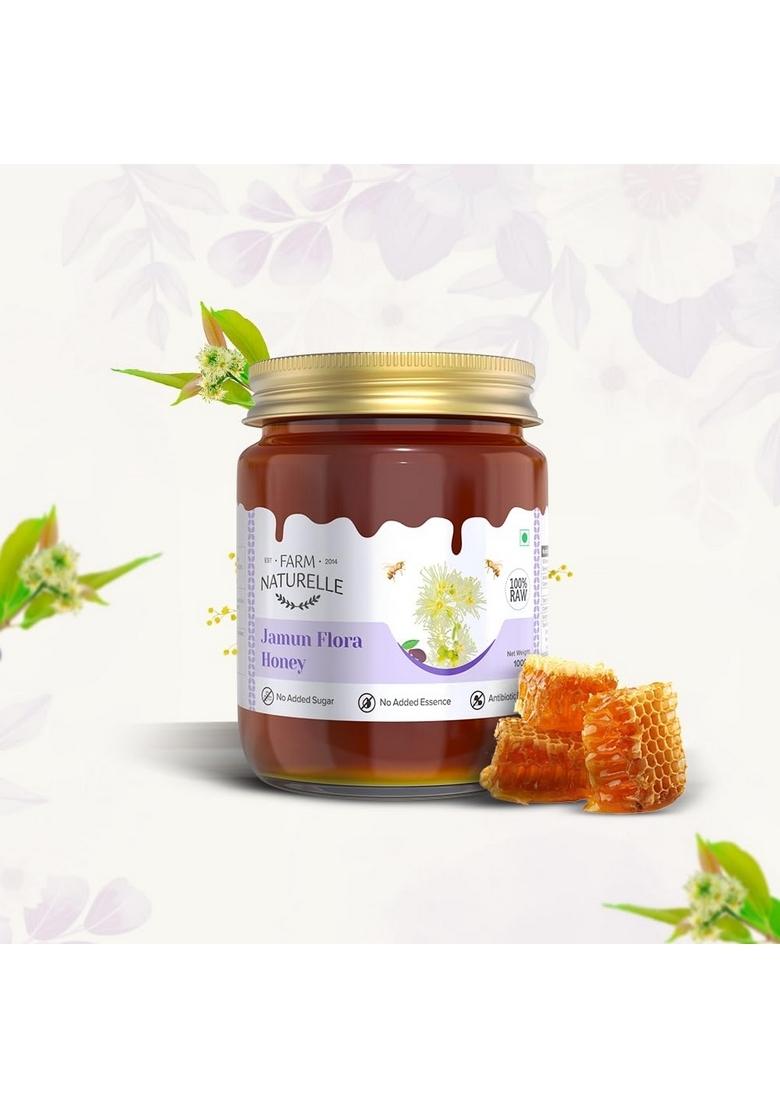
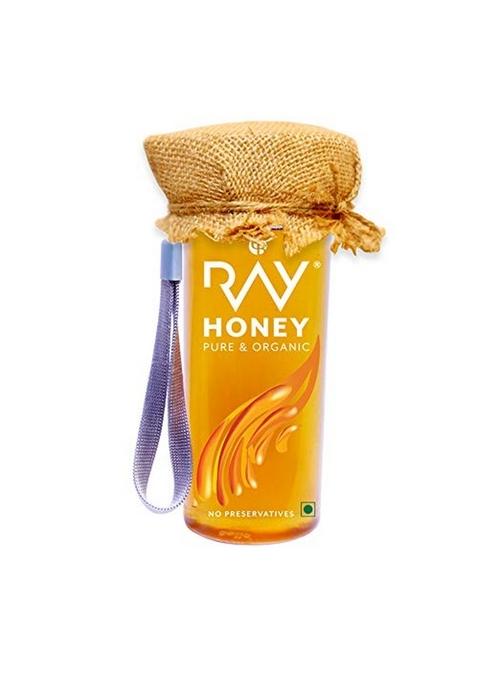
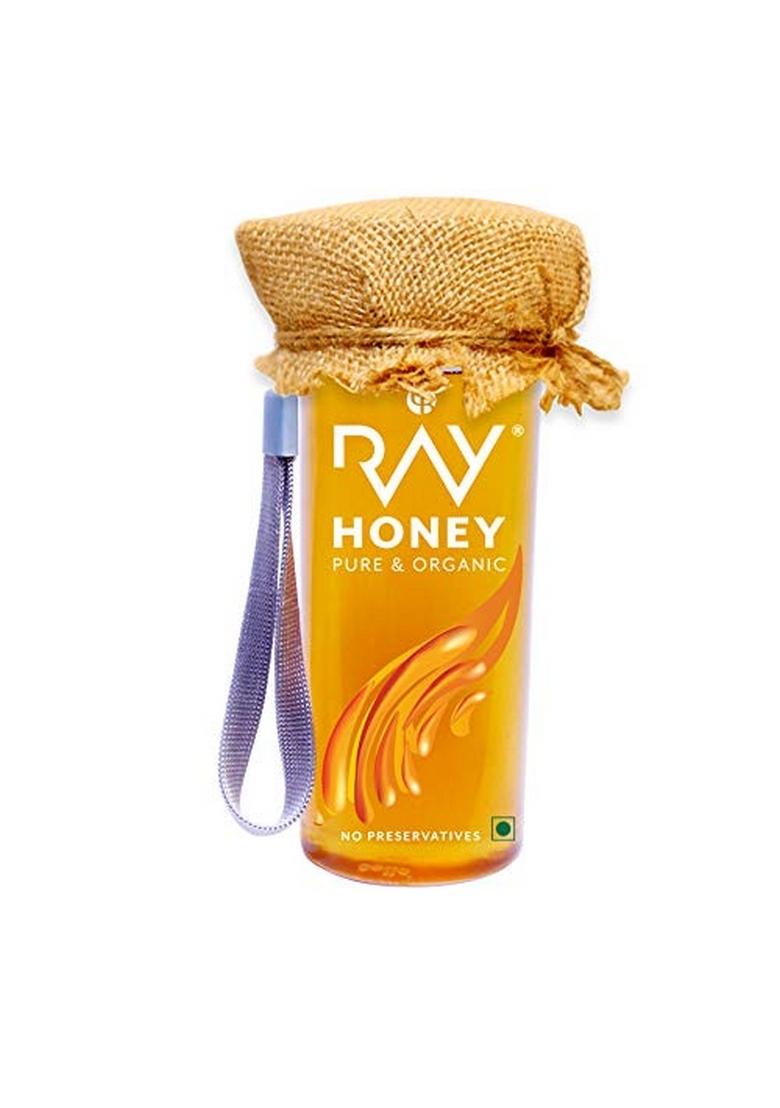


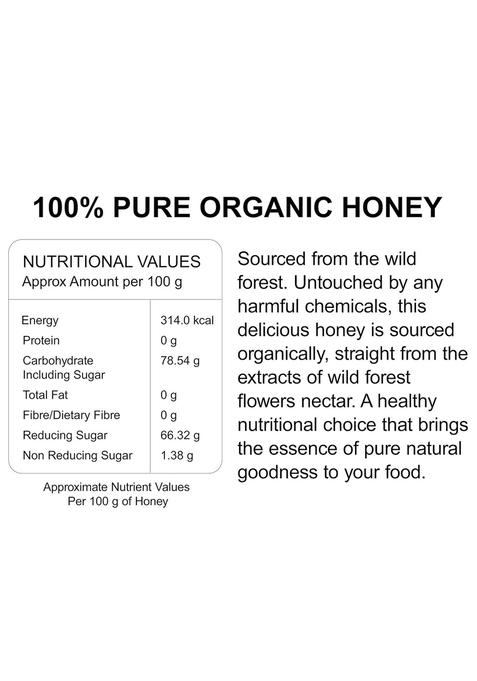
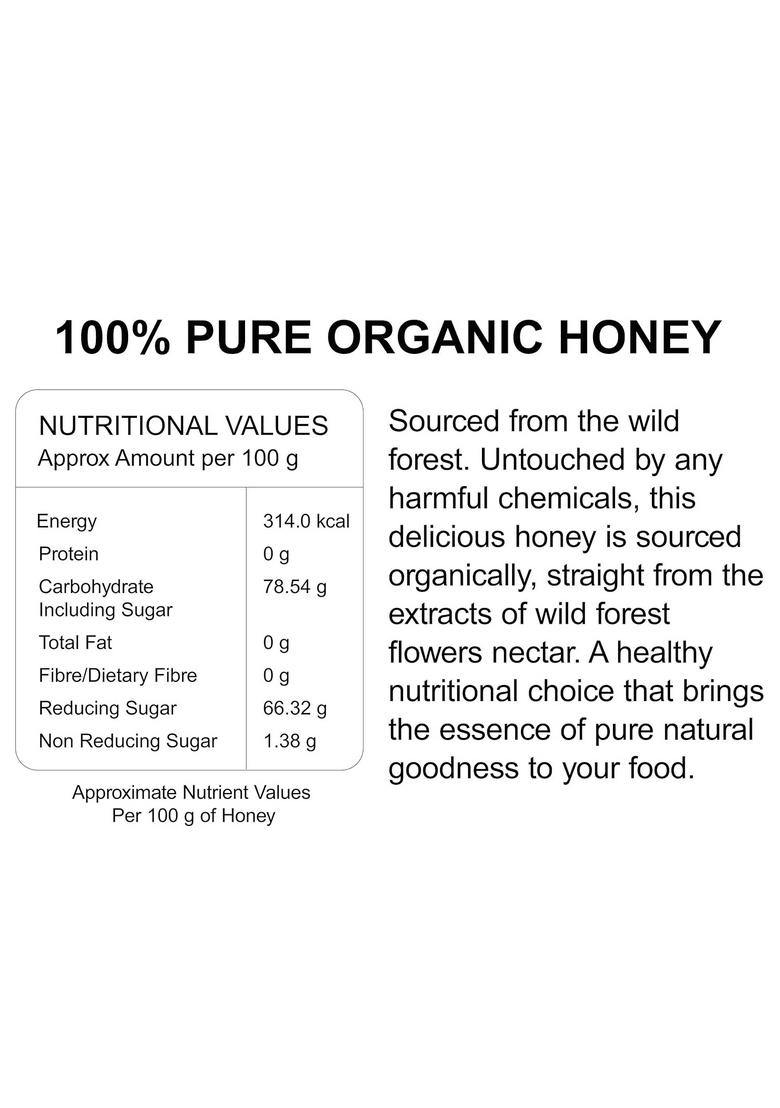
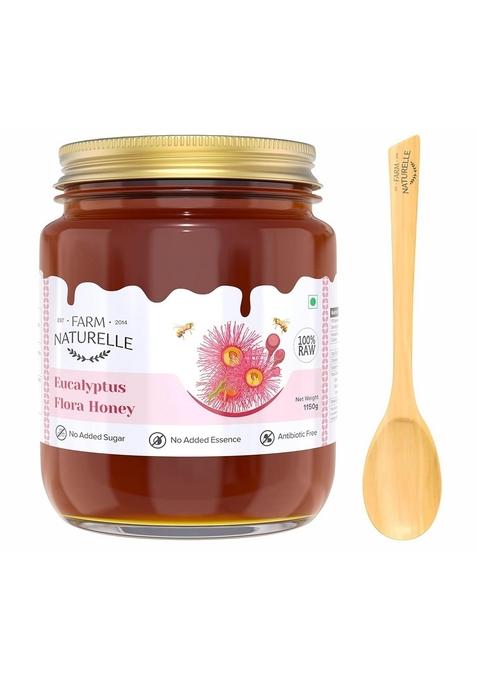
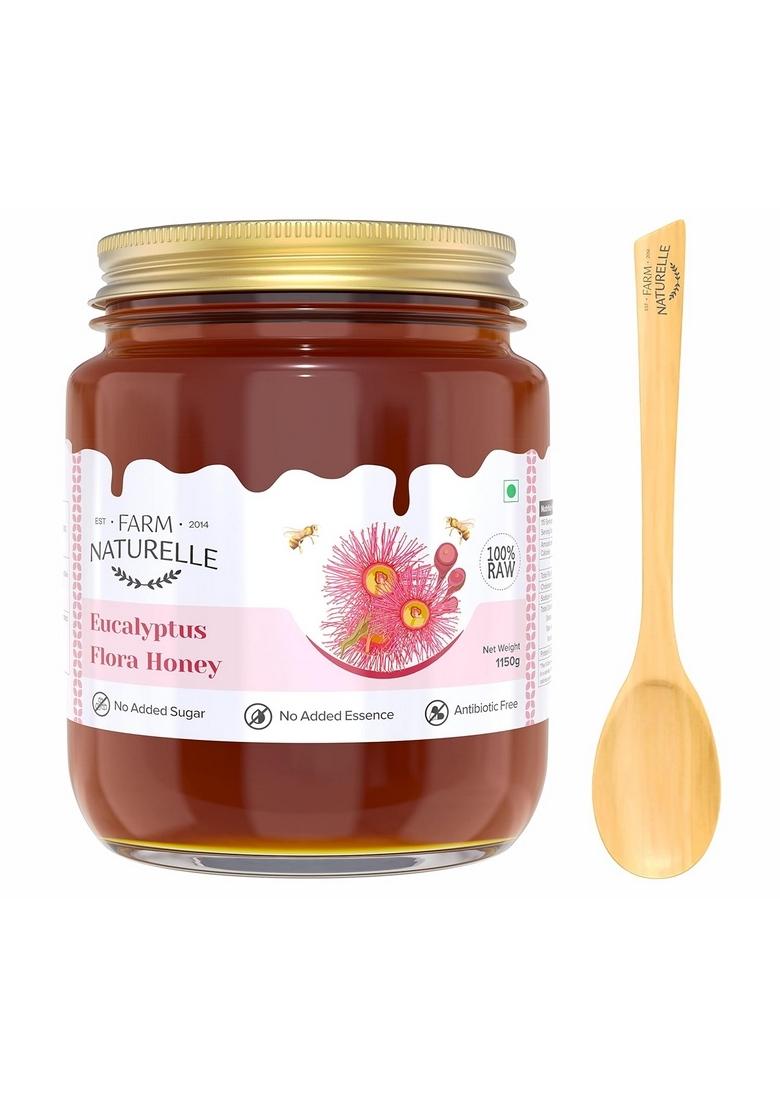
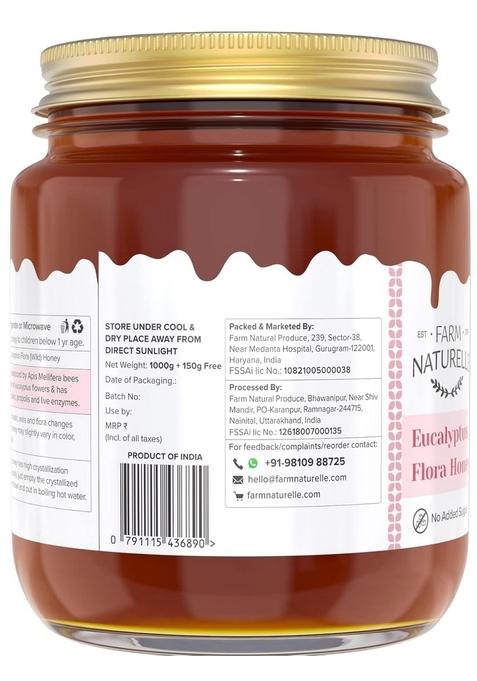
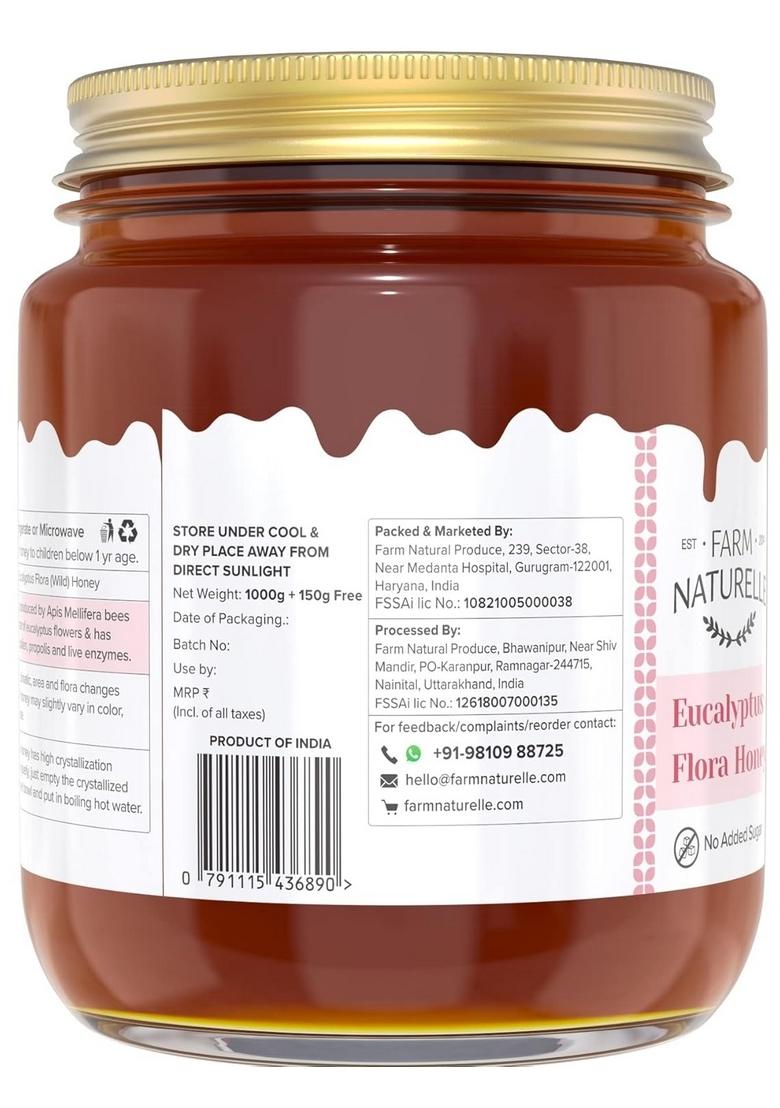
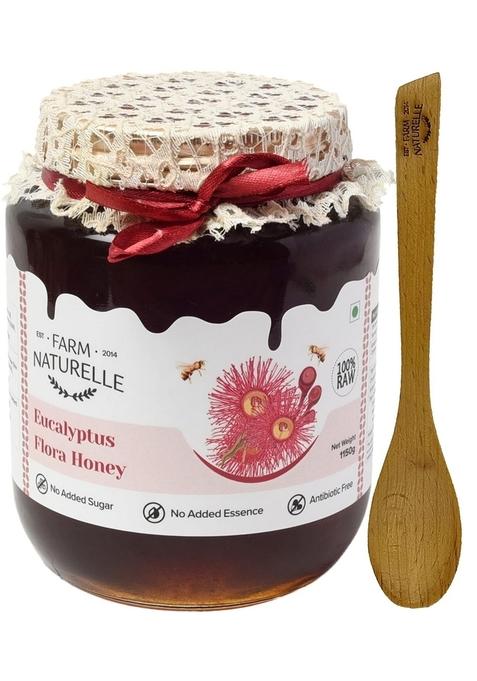
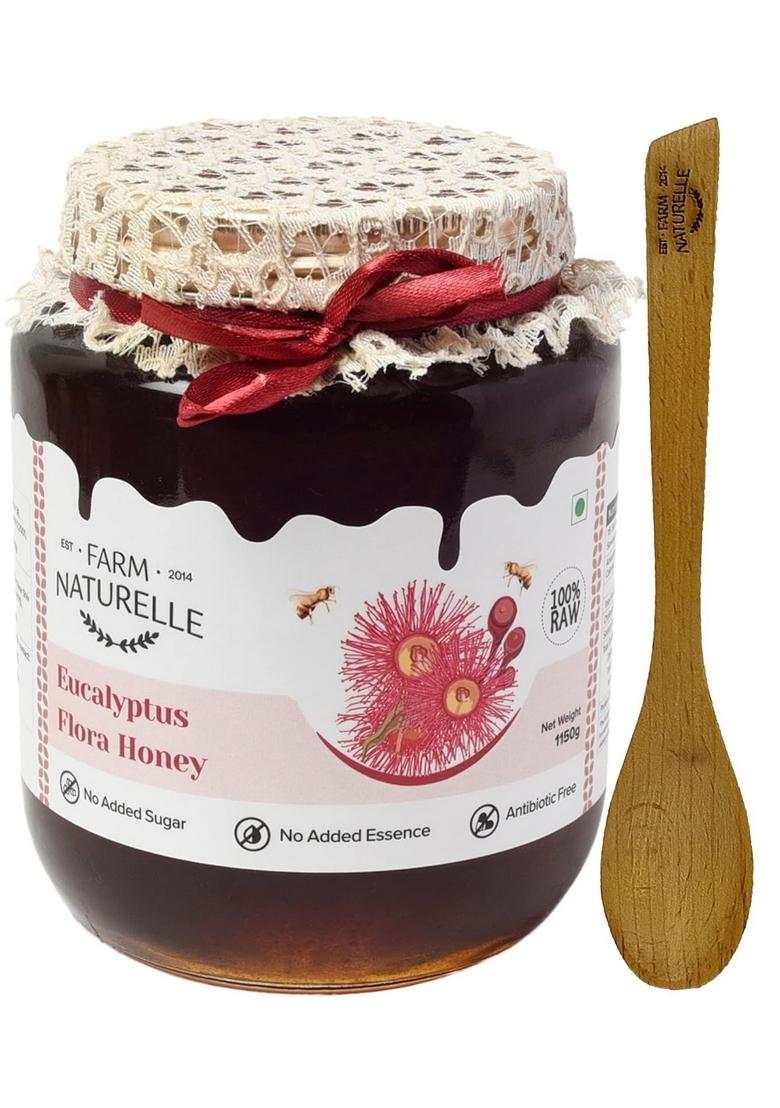
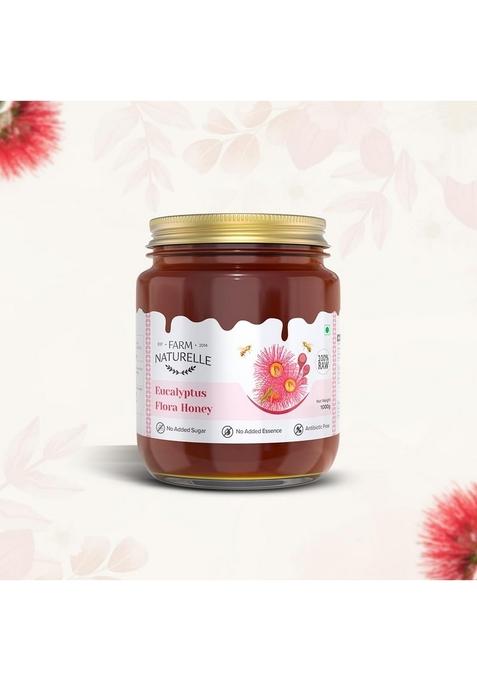
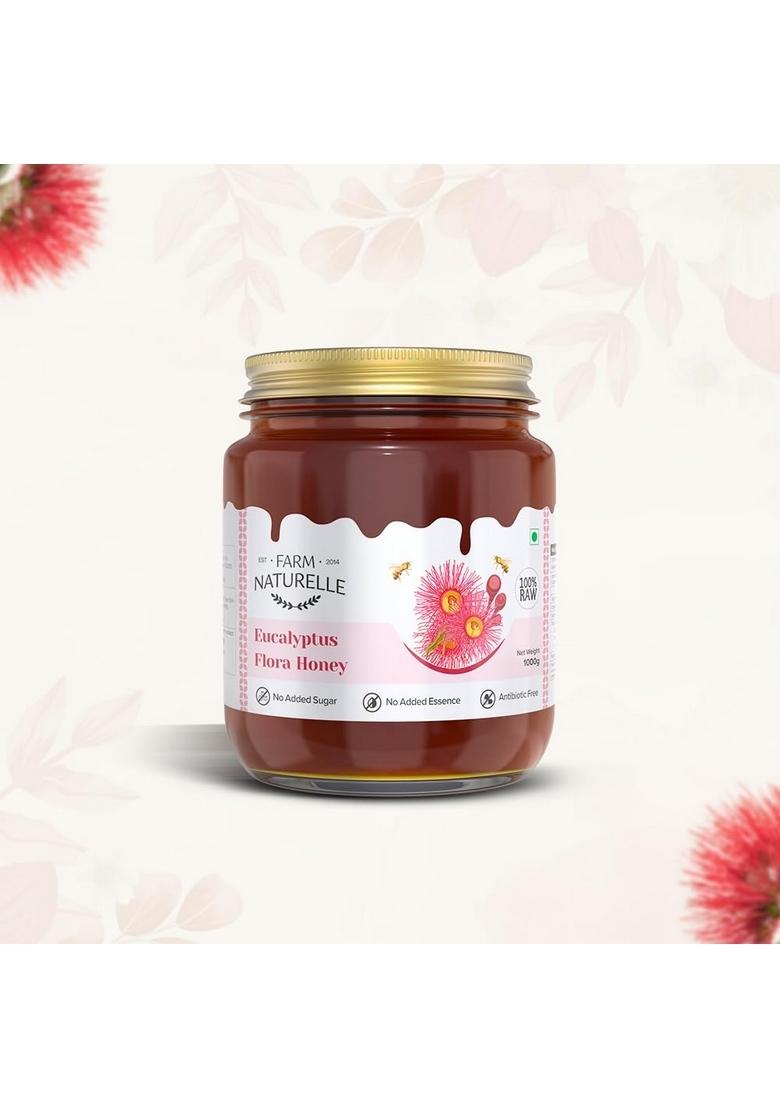
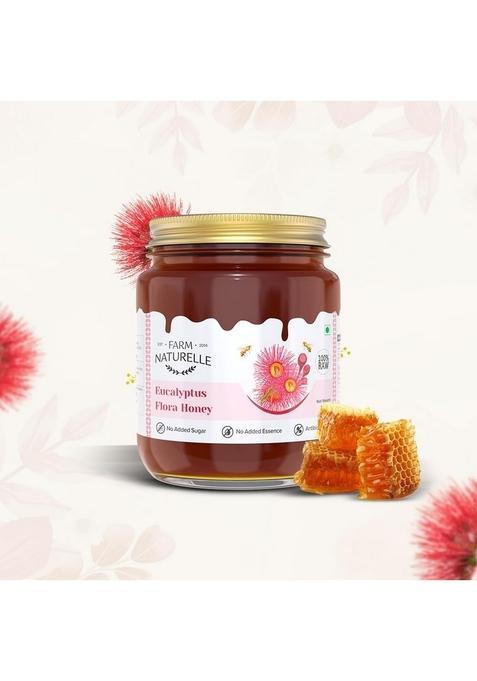
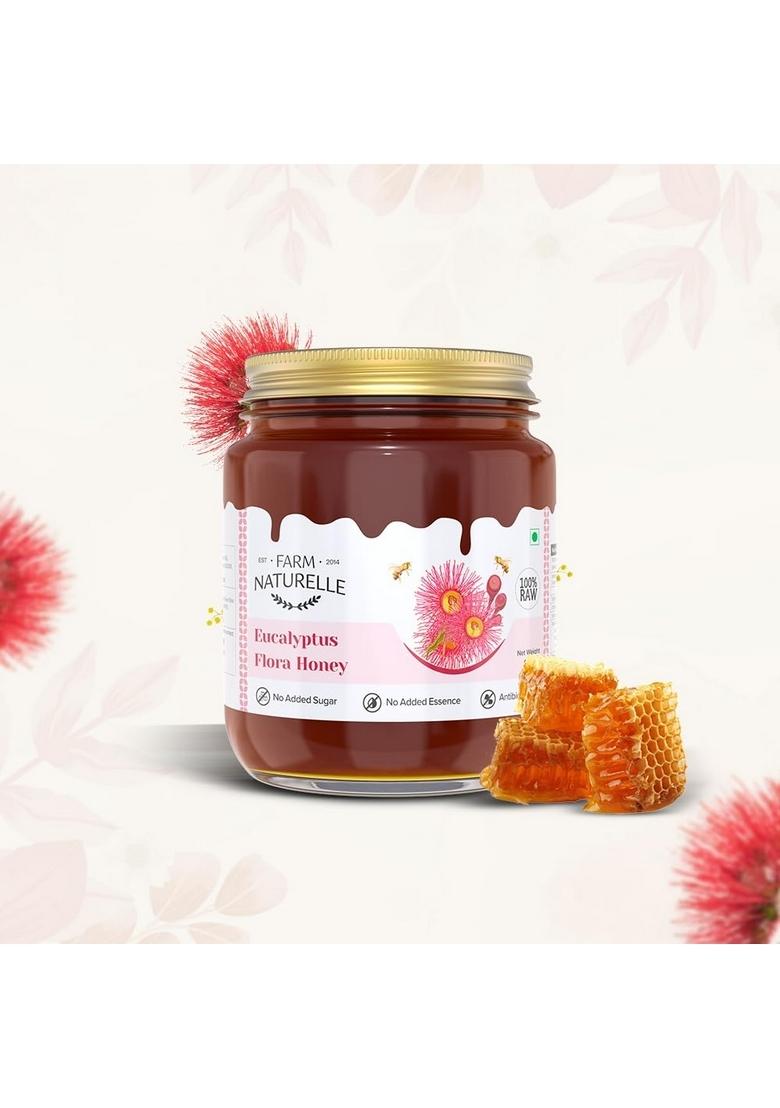
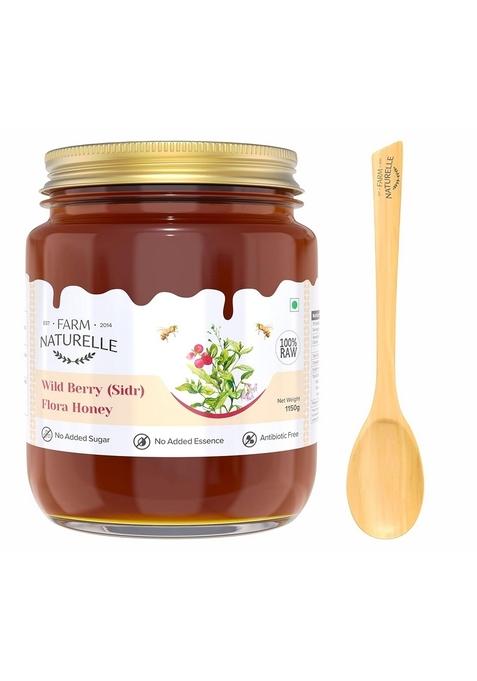
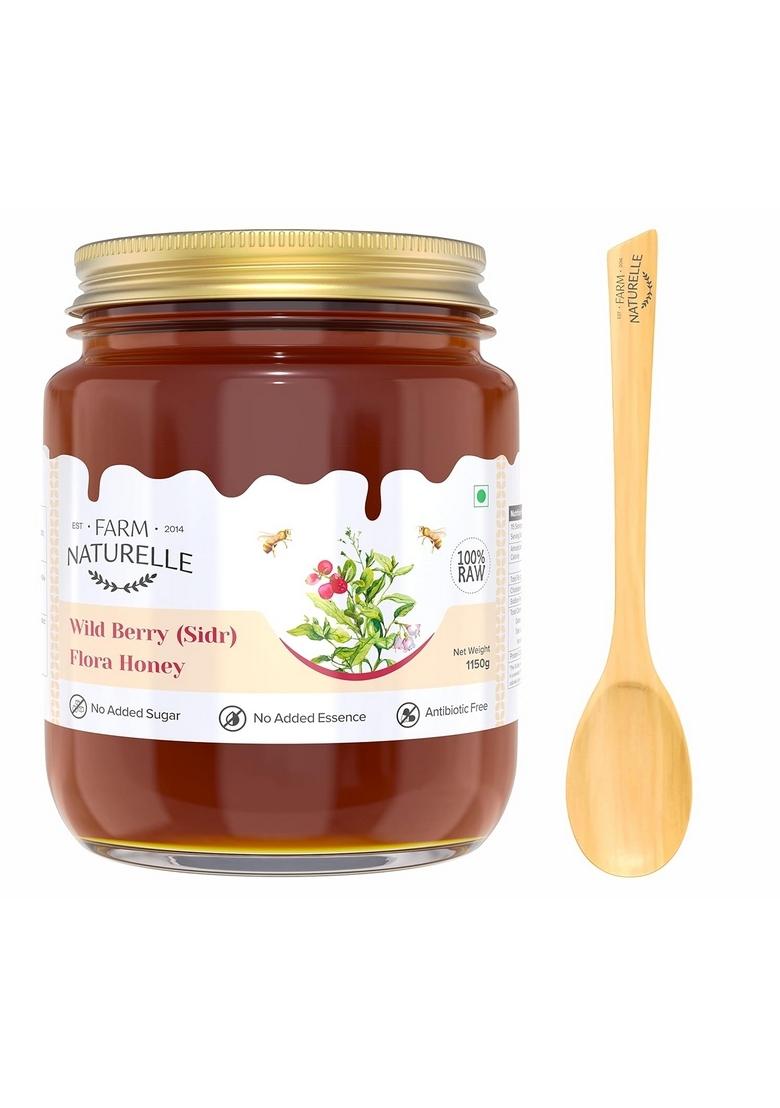
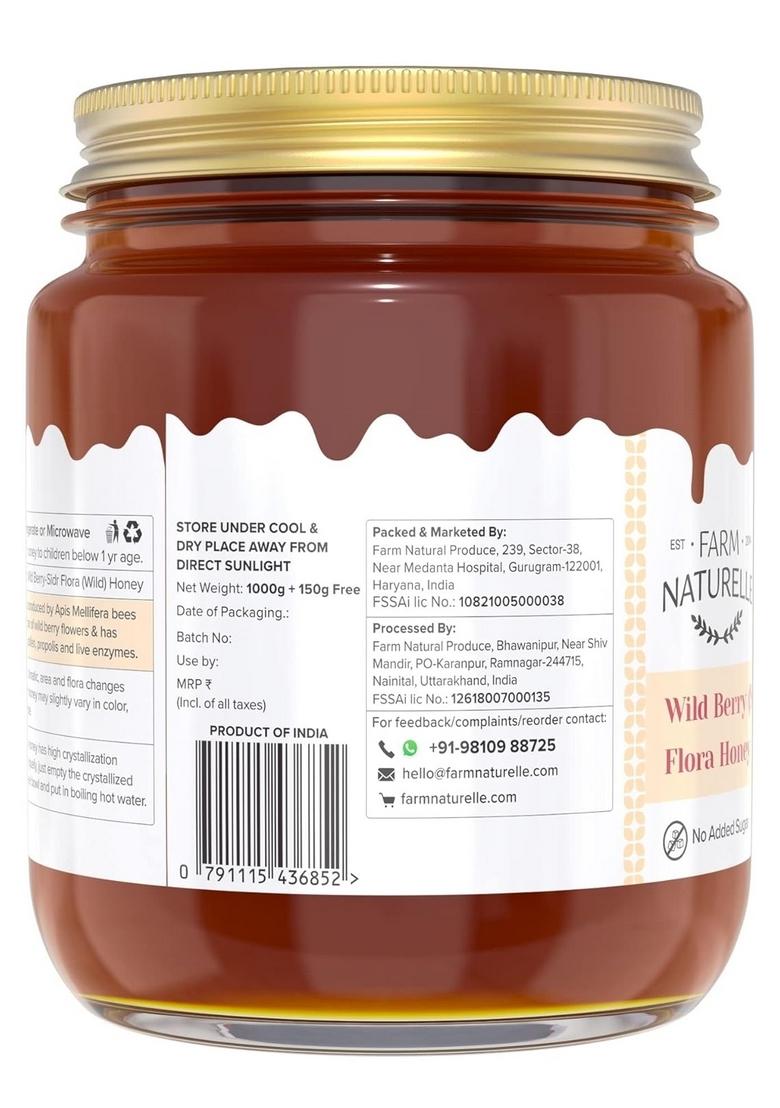


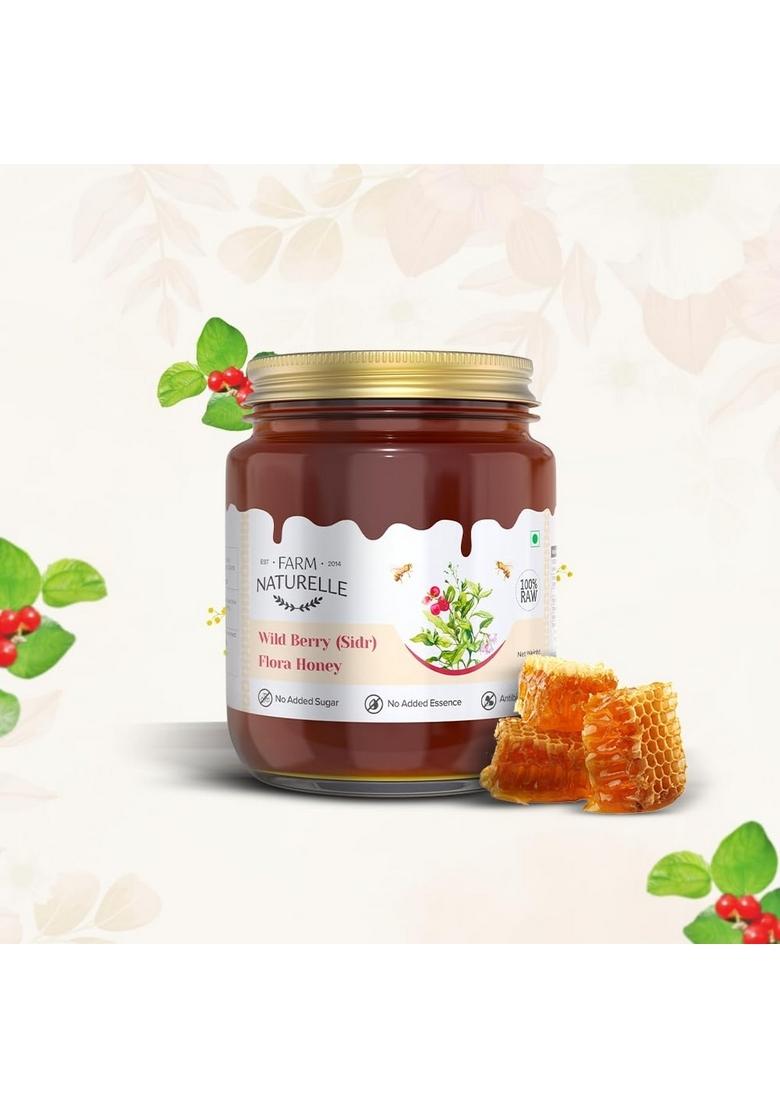
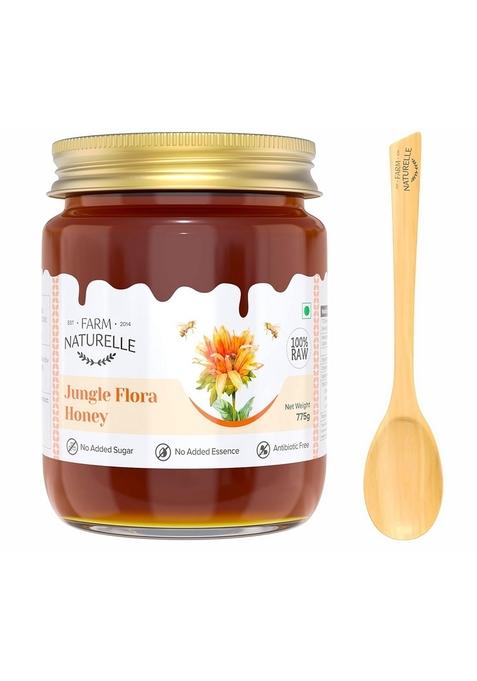
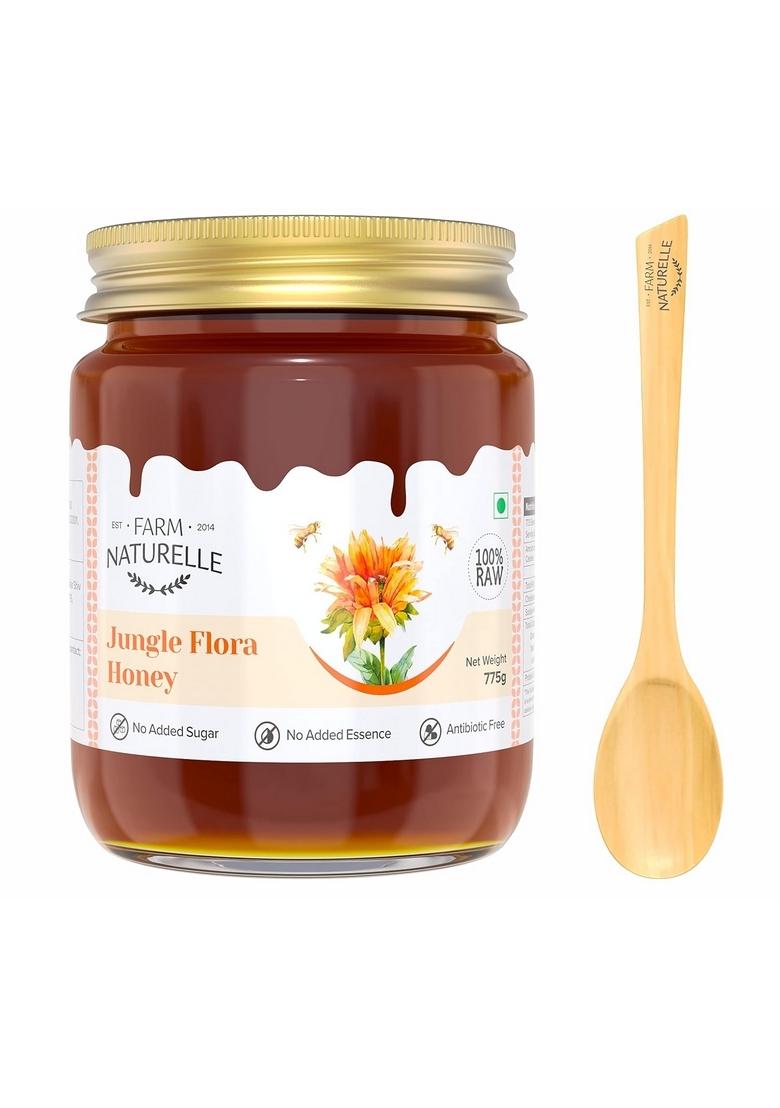
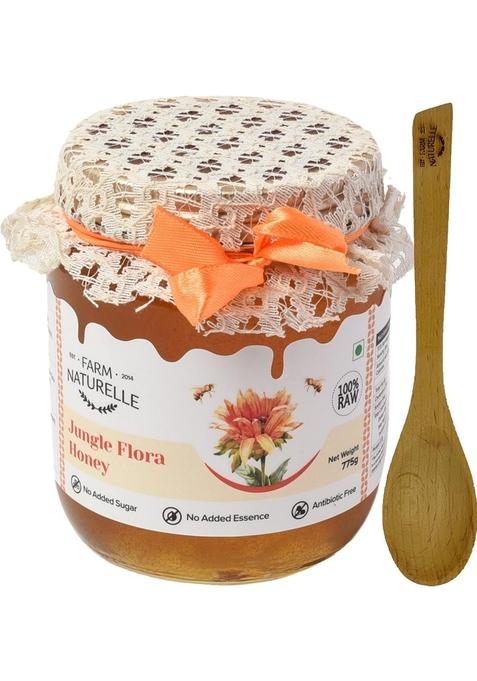
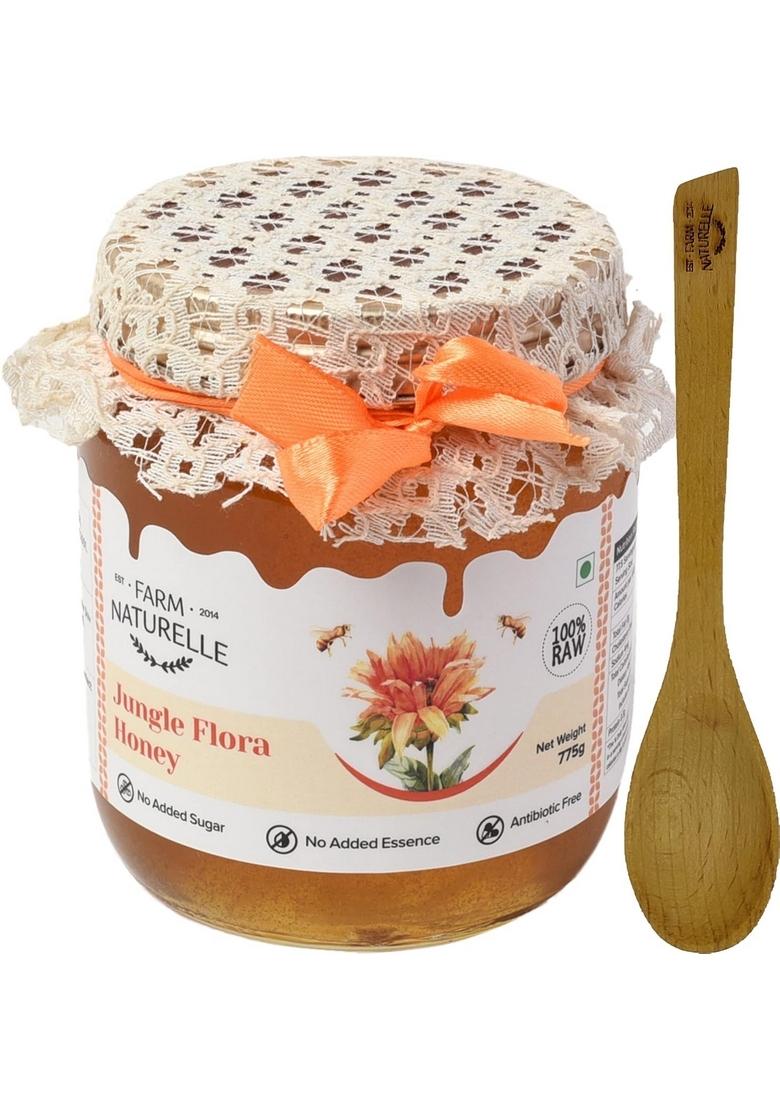


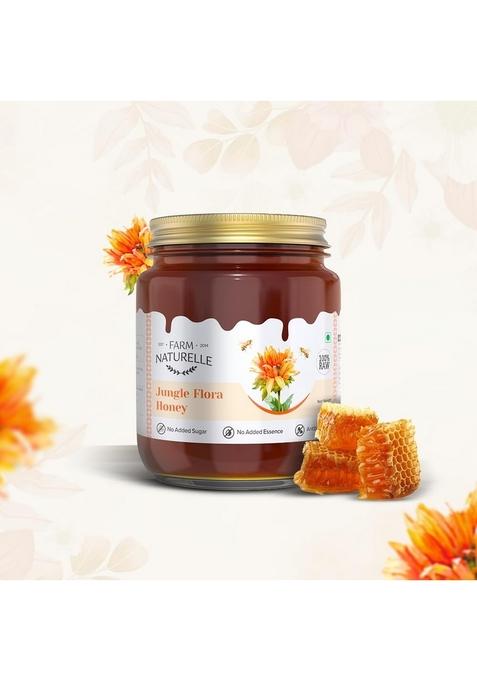
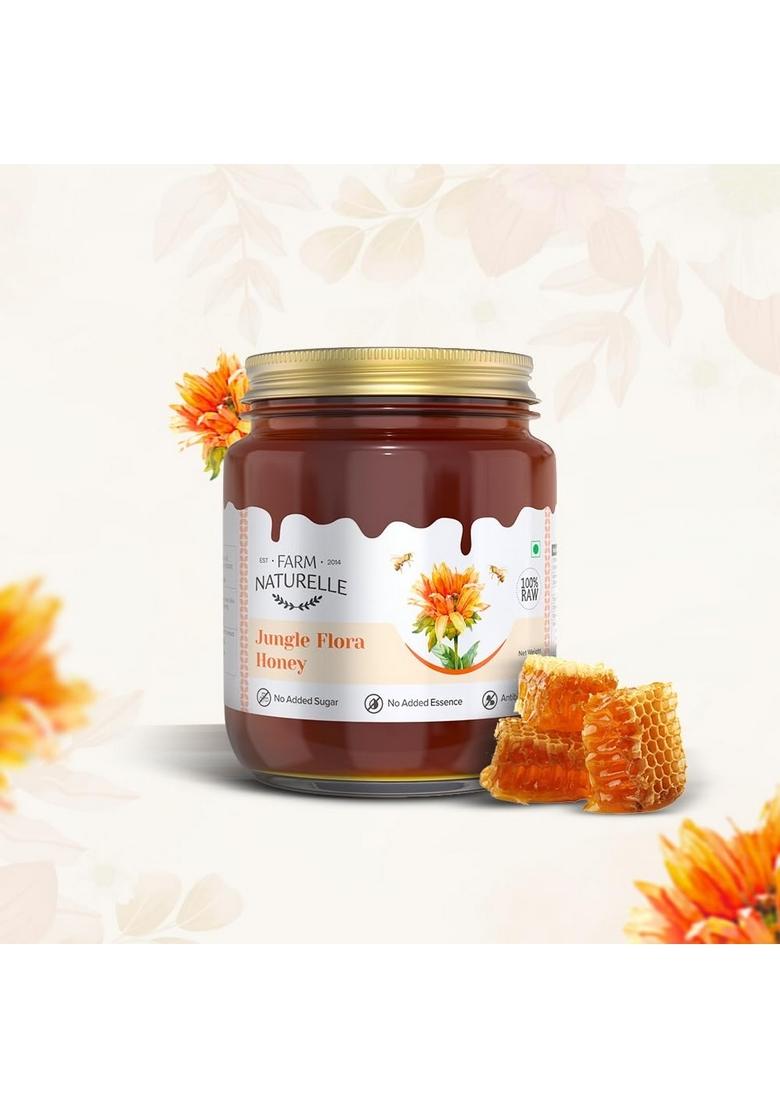

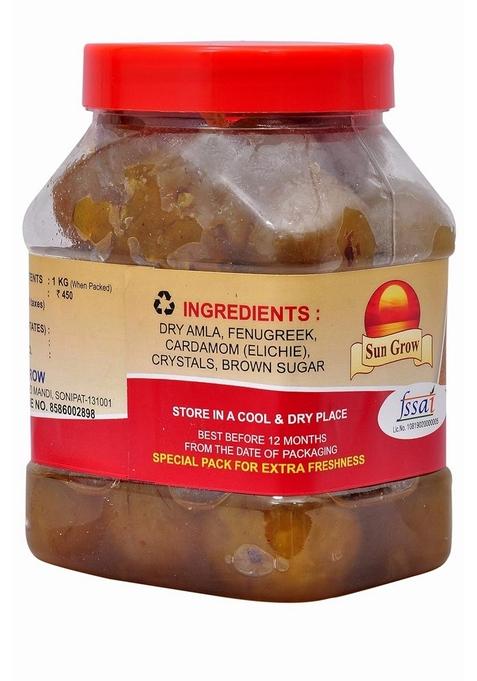
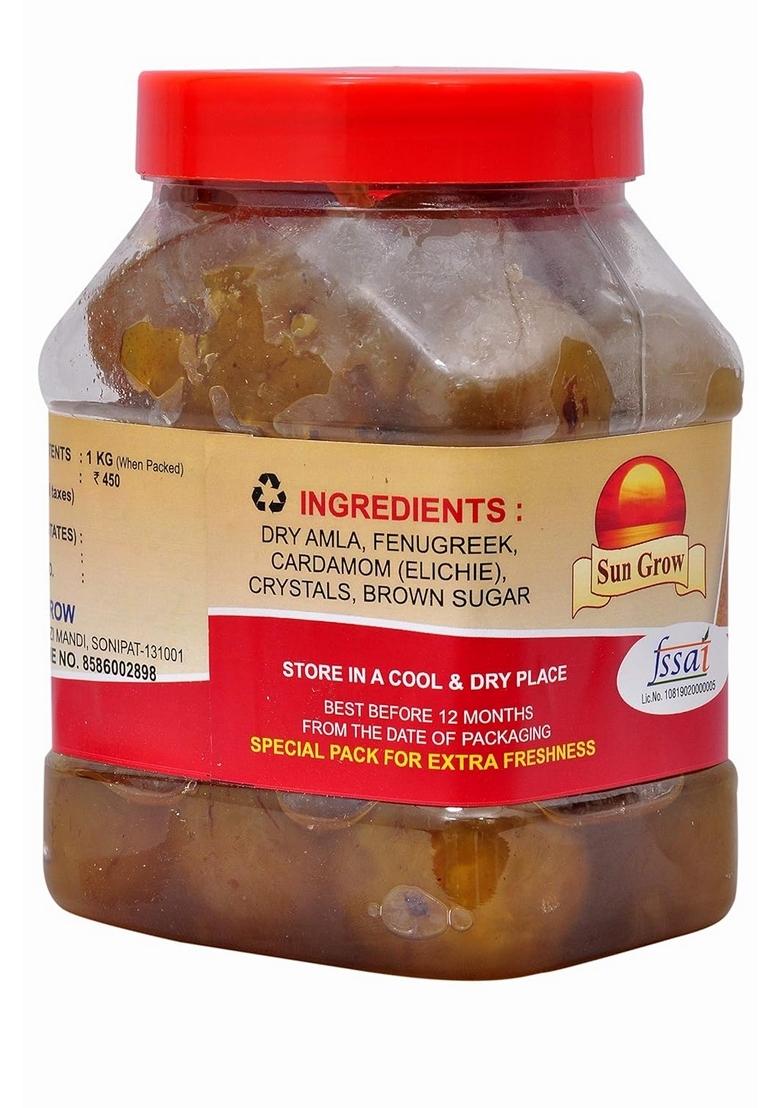

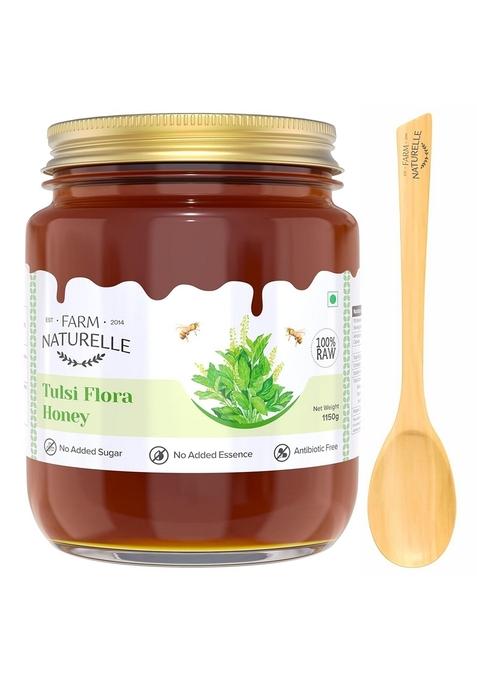
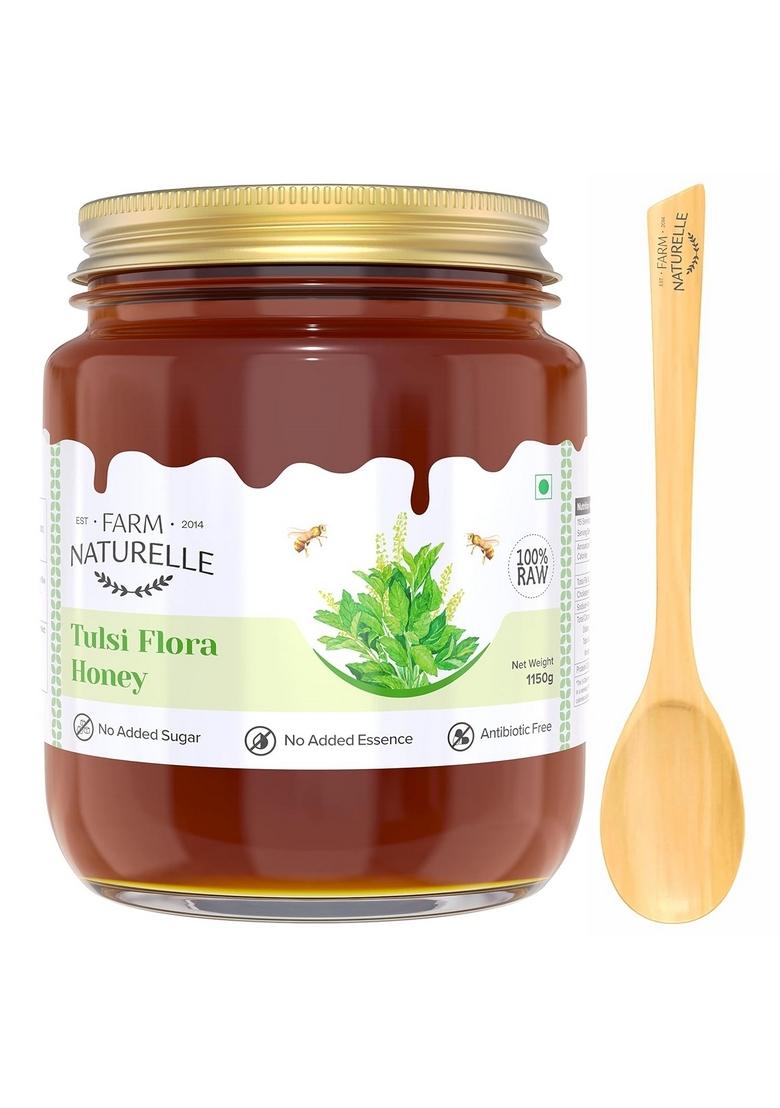
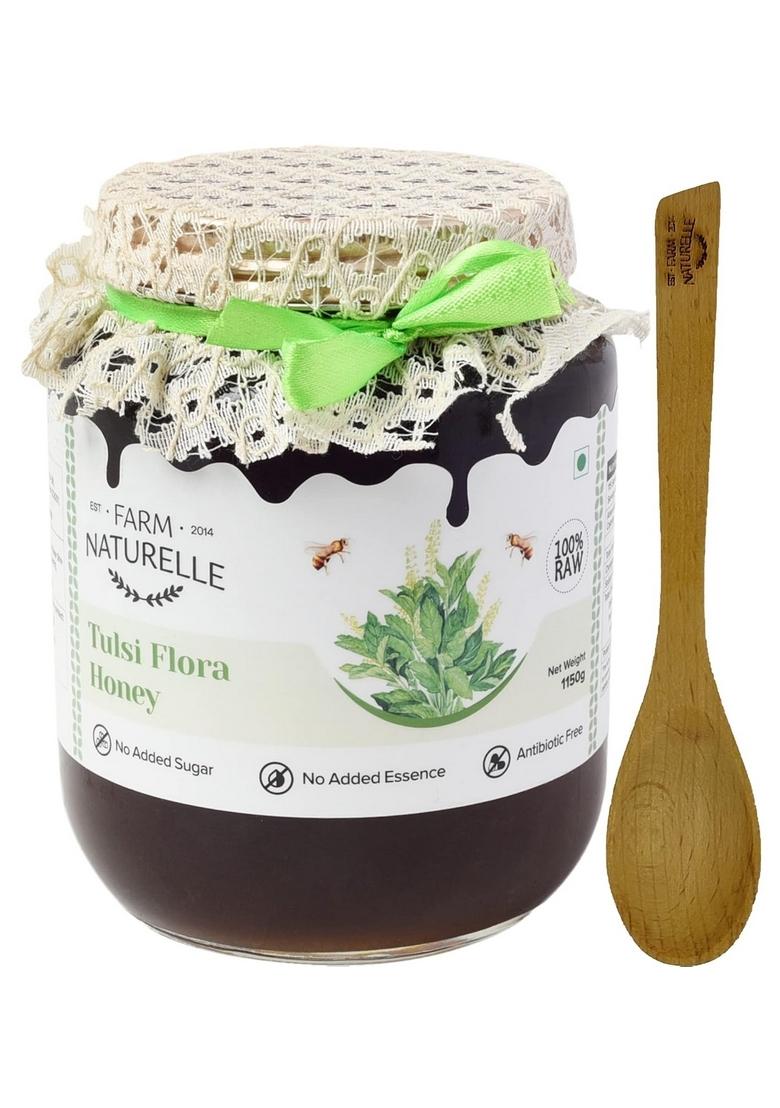


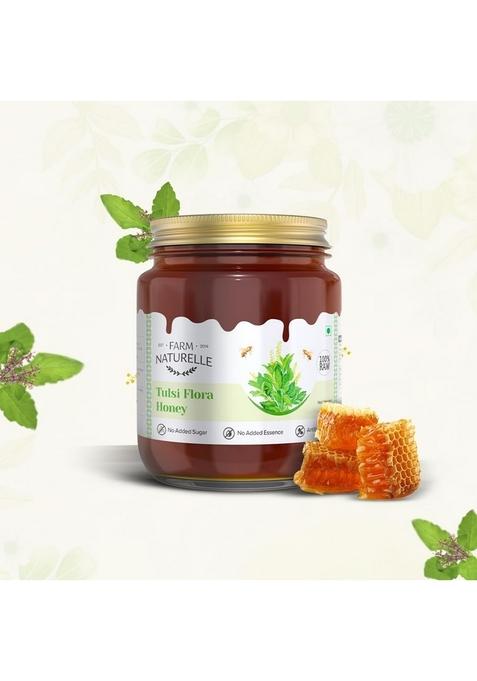
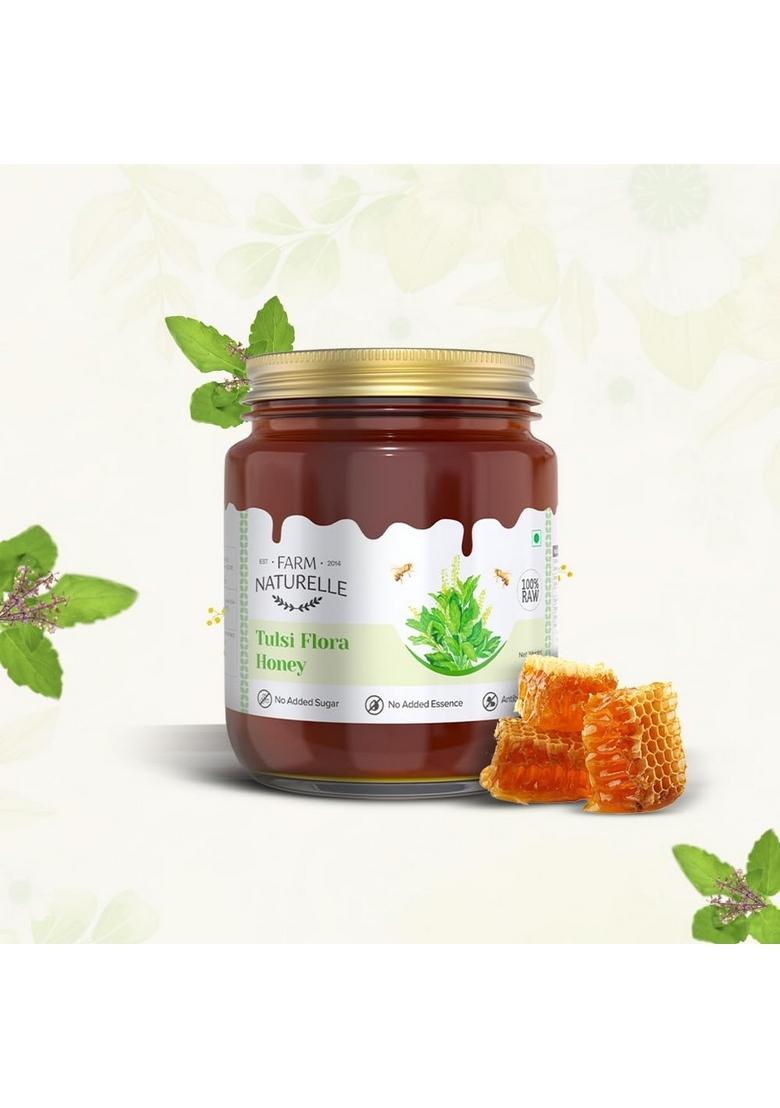
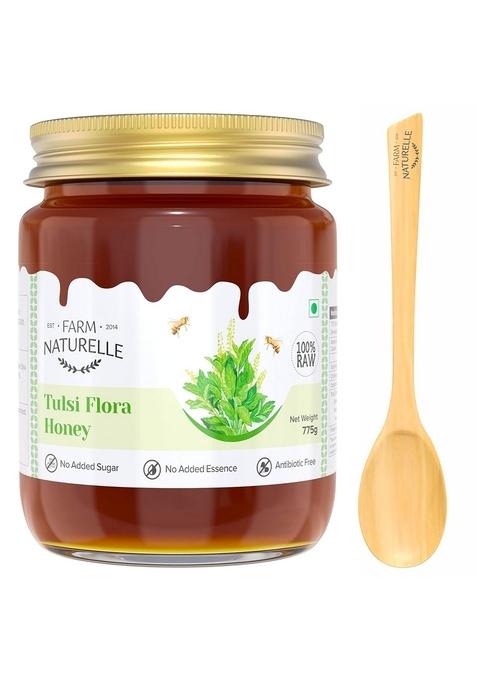
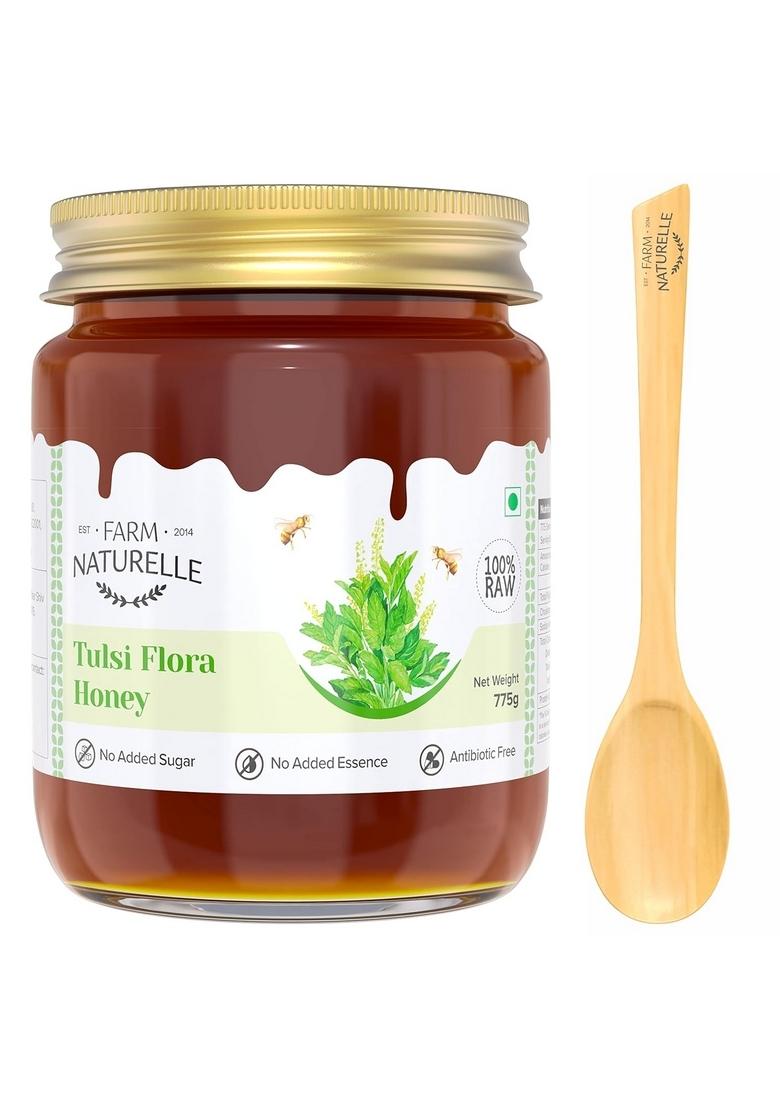
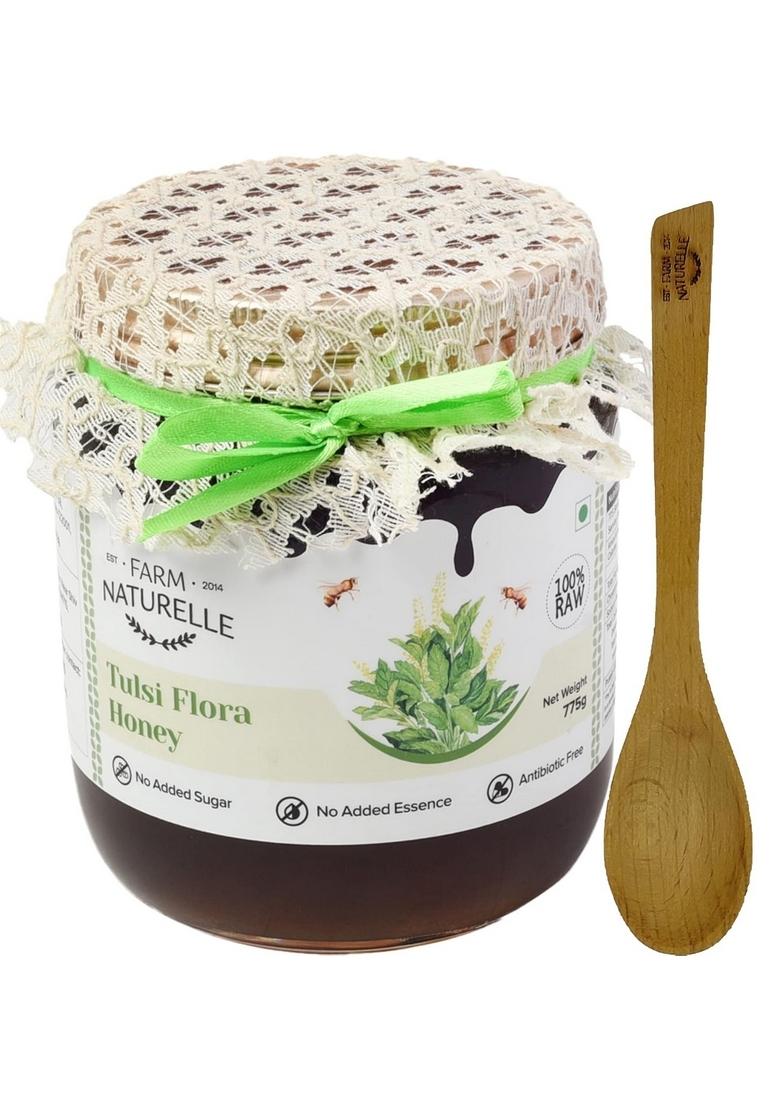


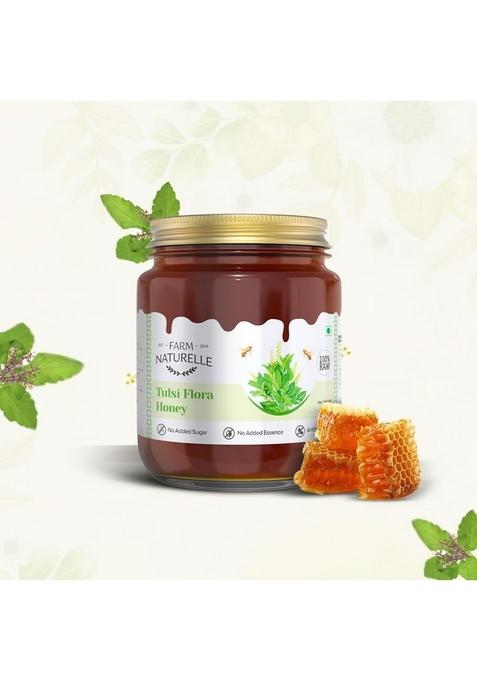
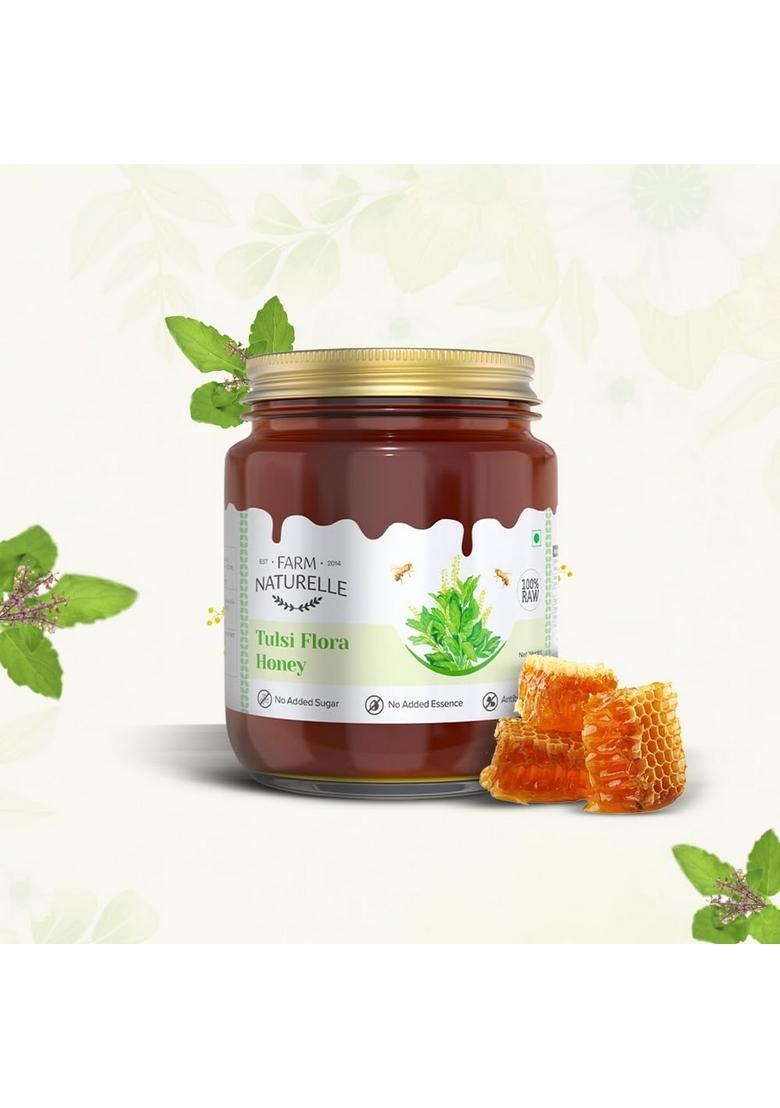
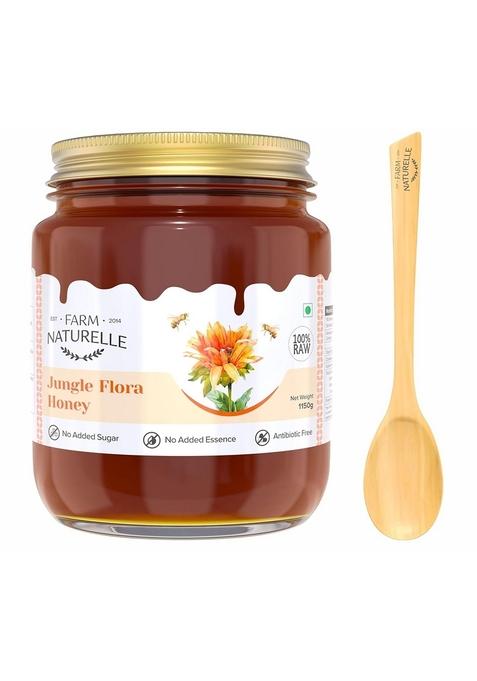
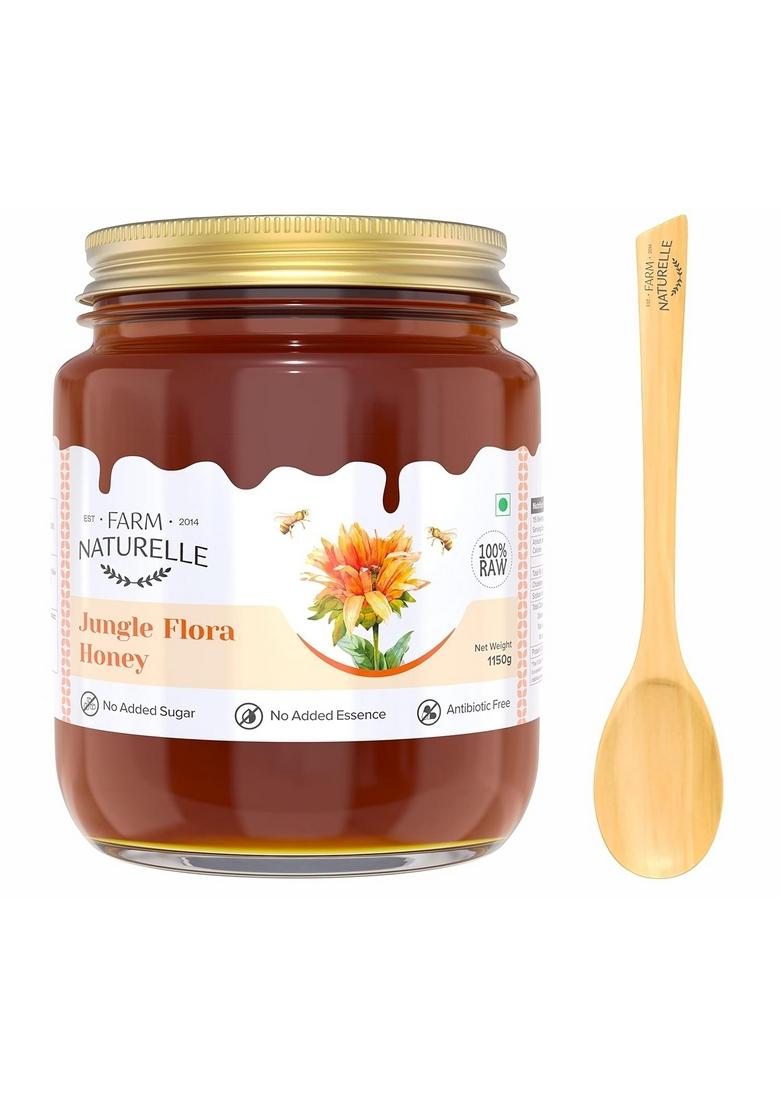
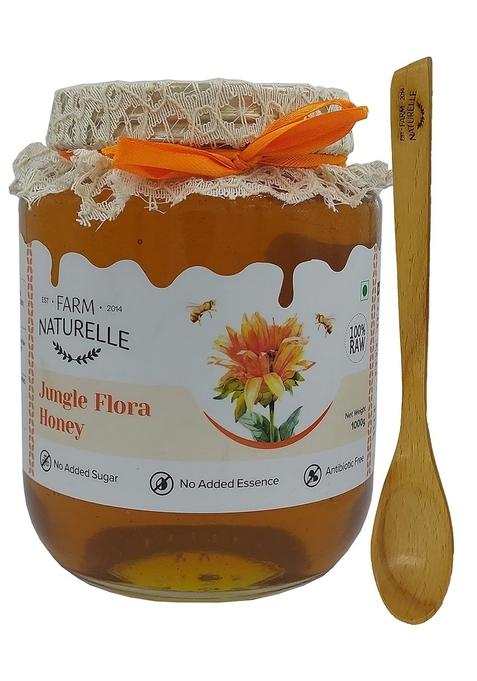
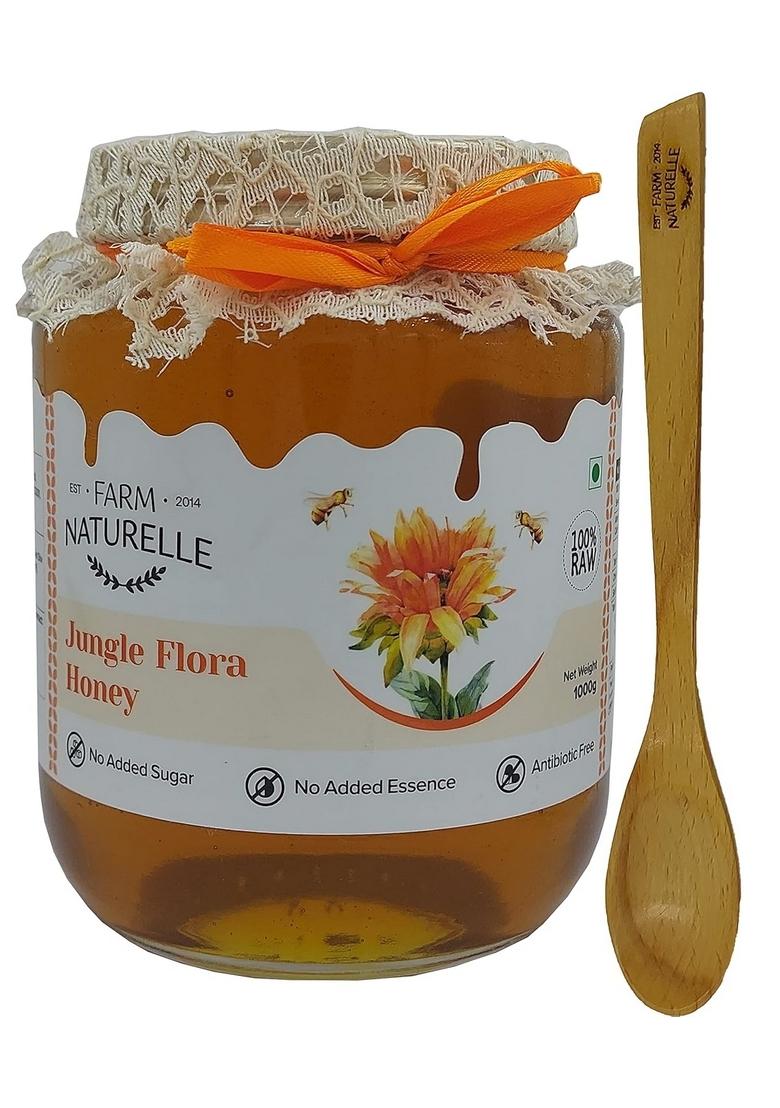


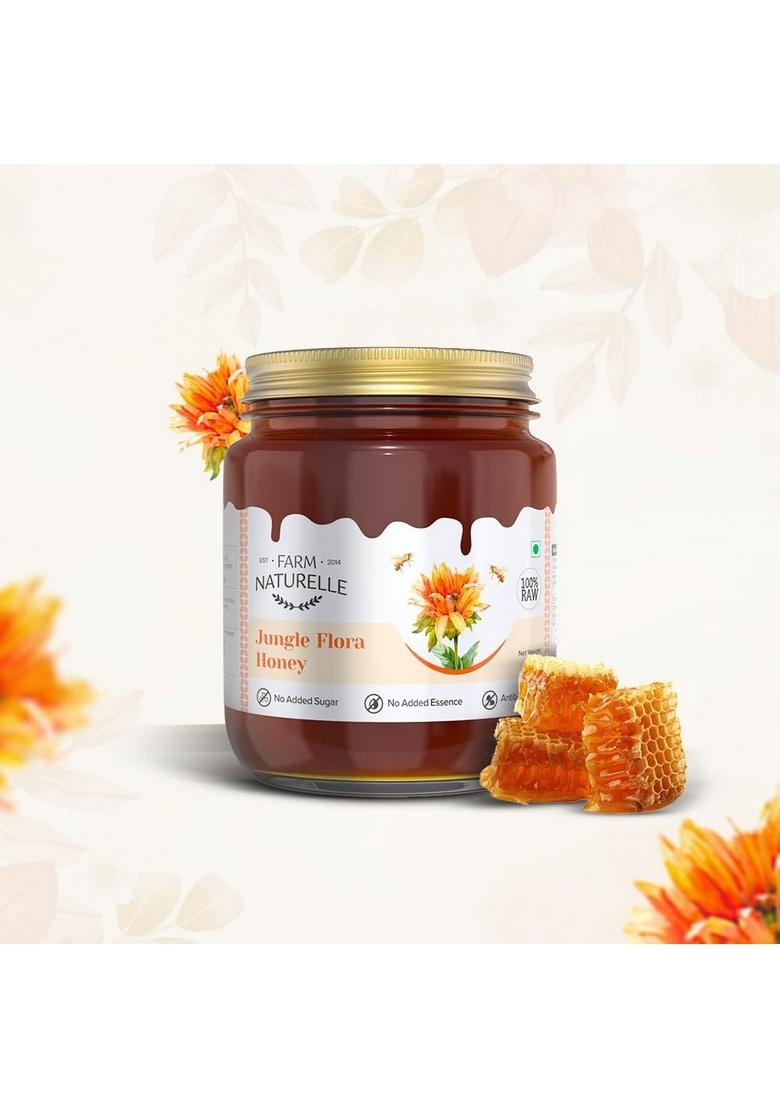
Quick answer: Organic wild forest honey for daily use is raw honey harvested from wild hives in protected forest areas. It is unfiltered, unheated, and naturally rich in enzymes that aid digestion and support daily wellness. You can use it as a sugar substitute in drinks, meals, and desserts for a steady, balanced sweetness.
Organic wild forest honey for daily use fits smoothly into everyday habits. Its earthy flavor pairs well with warm water, toast, or fruit. Because it is minimally processed, it keeps its natural enzymes and trace minerals. This section explains how to select, store, and enjoy it safely each day.
All listed products are certified for purity and sourced responsibly. Orders are shipped within 3–5 business days with a freshness guarantee.
Add honey only to lukewarm liquids to preserve its enzymes. A teaspoon in warm lemon water each morning is simple and effective. You can drizzle it over toast or blend it into smoothies. Avoid boiling or baking at very high temperatures, as heat reduces its natural quality.
Keep honey below 40°C when mixing. This helps retain up to 90% of its beneficial enzymes and flavor depth.
| Feature | Organic Wild Forest Honey | Regular Processed Honey |
|---|---|---|
| Source | Untouched forest hives | Commercial apiaries |
| Processing | Unfiltered, unheated | Filtered and pasteurized |
| Nutrient Retention | High | Moderate |
| Taste | Earthy and layered | Uniformly sweet |
Store honey in a cool, dry place away from sunlight. Crystallization is normal and reversible. Place the jar in warm water for a few minutes to restore fluidity. Avoid refrigeration unless the climate is very humid.
If you are comparing organic wild forest honey with other sweeteners, think about how often you use it. Wild forest honey lasts months and works for both cooking and beverages. You can also explore organic jaggery or herbal teas that pair well with honey. These options help you create a natural pantry with fewer processed ingredients.
If you want to start with small daily swaps, begin with one jar of organic wild forest honey and see how it fits your taste. Later, explore related products like organic jaggery, herbal infusions, and natural skincare to complete your daily wellness collection. Each item complements honey’s balanced sweetness for everyday nourishment.
House of Indya blends Indian craftsmanship with modern design to create clothing and lifestyle products that fit today’s needs. The brand offers size-inclusive fits, free stitching, and international shipping within 15 days. Visit House of Indya
It is raw and unheated, gathered from wild hives rich in plant diversity. This keeps its enzymes and trace minerals intact, making it suitable as a daily natural sweetener.
Morning is ideal. Mix one teaspoon in lukewarm water or herbal tea before breakfast. It can also be used after meals to aid gentle digestion.
Use one teaspoon in warm water, drizzle it over fruit, or mix it into yogurt. Avoid adding it to boiling liquids to preserve its enzymes and mild flavor.
Yes, for children older than one year. Infants under 12 months should not have raw honey. Always choose certified organic jars for safety and purity.
Yes. Crystallization shows purity and does not spoil the honey. To liquefy, place the jar in warm water and stir gently without direct heat.
Yes, you can replace sugar in drinks and light cooking. It is sweeter than sugar, so use smaller amounts. It adds mild flavor and trace nutrients.
Wild forest honey comes from bees that collect nectar from many wildflowers, giving it layered flavor. Regular honey is often pasteurized, which reduces nutrients.
It is not fully vegan since bees make it, but it suits people who prefer natural, minimally processed foods in vegetarian or balanced diets.
Yes. House of Indya curates organic wild forest honey for daily use within its wellness range, ensuring certified quality and quick doorstep delivery.
House of Indya provides reliable delivery, verified sourcing, and customer support. Its wellness line includes certified organic products that fit modern lifestyles.