




Looking for a natural toilet cleaner without harsh chemicals? These cleaners remove stains and odors using plant-based or mineral ingredients instead of chlorine or ammonia. They are gentle on surfaces, safe for most plumbing systems, and reduce chemical exposure in your home. Below you will find comparisons, usage guidance, and practical selection advice to help you choose wisely.
| Cleaner Type | Main Ingredients | Best For | Notes |
|---|---|---|---|
| Citrus gel | Citric acid, orange oil | Daily cleaning | Leaves a mild scent, prevents buildup |
| Vinegar blend | White vinegar, baking soda | Hard water stains | Economical and biodegradable |
| Enzyme formula | Plant enzymes | Organic residue | Clings well, reduces scrubbing |
| Essential oil mix | Lavender, eucalyptus | Odor control | Safe when rinsed properly |
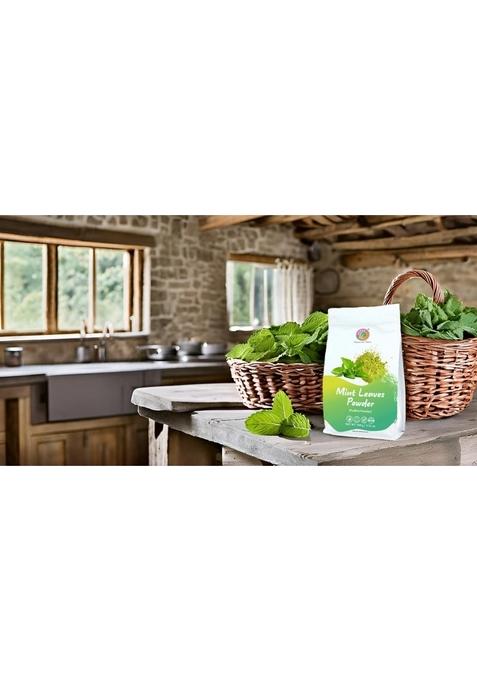
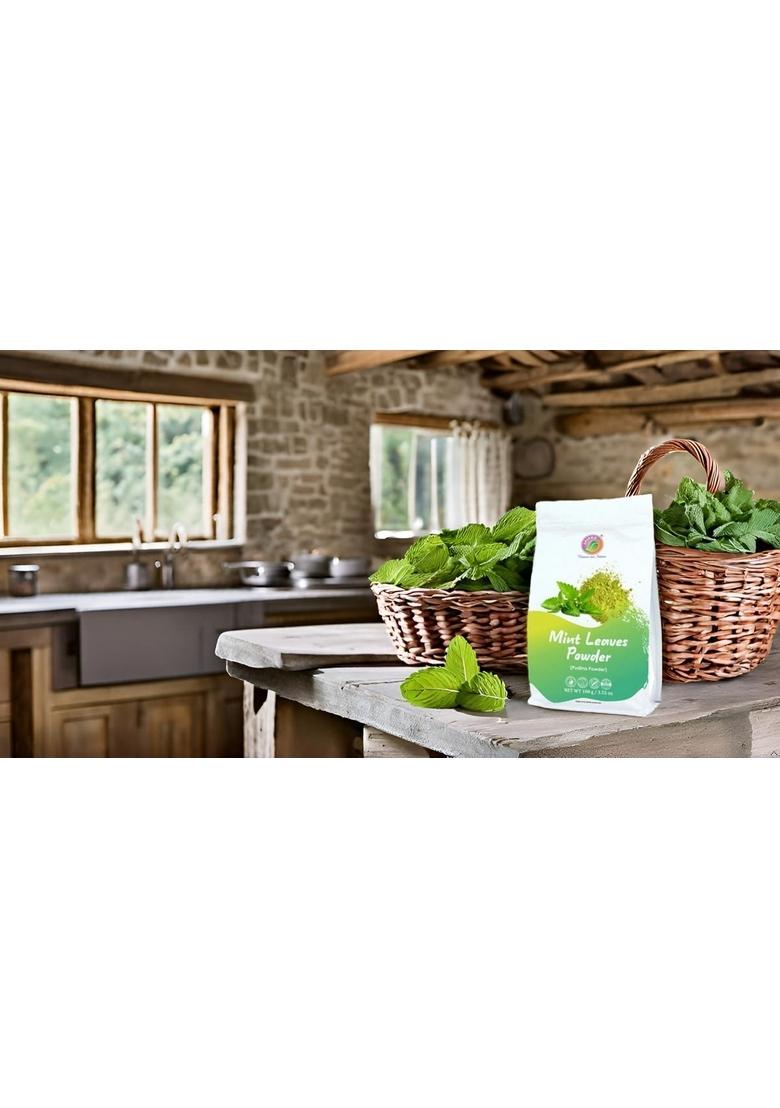
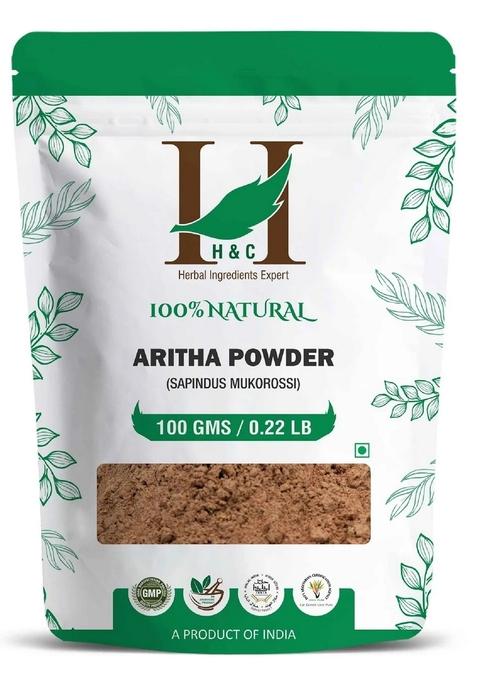
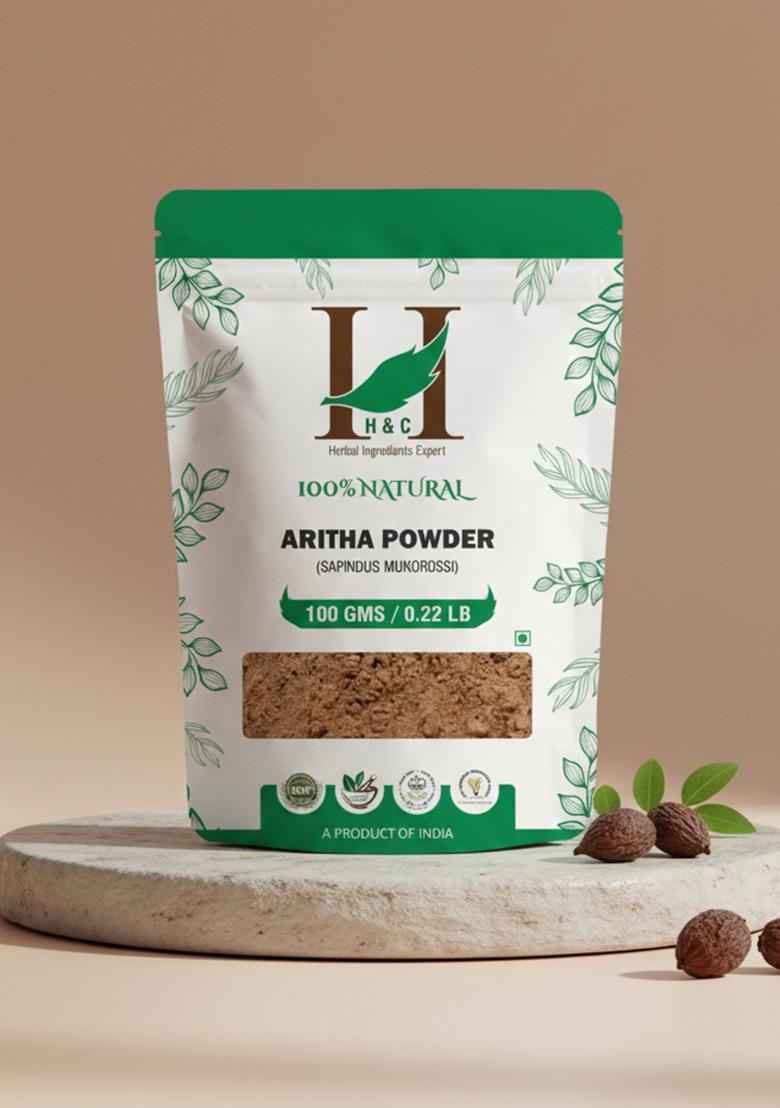
Natural cleaners rely on mild acids and surfactants derived from plants to loosen grime and neutralize odors. They clean effectively without leaving chemical residue or strong fumes. Enzyme-based versions cling longer and can reduce scrubbing. Powdered options are cost-friendly but need proper rinsing to avoid residue buildup.
Citric acid removes rust and mineral stains efficiently and is gentle on metal fixtures. Vinegar helps with odor control and general maintenance. Both are biodegradable and safe for septic systems, making them practical long-term choices.
Essential oils like lemon, mint, or eucalyptus add a light scent and mild antimicrobial effect. Use them sparingly to avoid irritation, especially in small bathrooms. Fragrance-free cleaners are best for sensitive users or homes with pets.
| Feature | Natural Cleaner | Chemical Cleaner |
|---|---|---|
| Surface Safety | Gentle on ceramic and metal | Can cause corrosion over time |
| Odor | Light natural scent | Strong synthetic fragrance |
| Residue | Minimal if rinsed | May leave chemical film |
| Environmental Impact | Biodegradable | Potentially harmful runoff |
Many households are shifting from bleach-based cleaners to natural alternatives. Competitor options often highlight quick results but rely on synthetic surfactants. In contrast, natural formulas focus on gradual cleaning and long-term care. User feedback shows that consistent use of natural cleaners maintains brightness and reduces the need for heavy scrubbing over time.
Including trust factors like ingredient transparency and user testimonials helps identify reliable brands. Look for third-party certifications such as biodegradable or cruelty-free symbols. These labels indicate better environmental and health standards.
Apply the cleaner evenly under the rim and let it sit for 10 to 15 minutes. Scrub with a toilet brush and rinse thoroughly. For stubborn stains, repeat twice weekly. Do not mix with bleach or ammonia. Store in a cool, shaded area to maintain ingredient stability.
Users often report that switching to natural cleaners reduces skin irritation and improves indoor air quality. Over time, they notice fewer mineral rings and less fading on ceramic surfaces. These results show that steady use matters more than harsh formulas.
If you are ready to make a more mindful cleaning choice, start with a small bottle of a natural toilet cleaner without harsh chemicals and track results for a few weeks. Pair it with gentle bathroom accessories and sustainable lifestyle products for a complete home care approach. Explore related topics like eco home care, sustainable living, and eco edit collections to discover coordinated ideas.
We want every purchase to feel confident. If you value products that align with thoughtful living, browse our accessories and loungewear collections. Each item reflects the same care and attention to detail that defines our brand.
House of Indya blends Indian craftsmanship with modern silhouettes, offering size-inclusive fits and custom tailoring for global customers. Our collections range from festive wear to everyday styles, all designed for comfort and timeless appeal. Visit House of Indya
A natural toilet cleaner uses plant or mineral ingredients such as citric acid, vinegar, or essential oils. It avoids chlorine, ammonia, and synthetic dyes, providing a milder clean that protects surfaces and reduces chemical exposure in your bathroom.
Natural cleaners sanitize effectively for daily use but may require longer contact time than bleach. Allow the formula to sit for 10 to 15 minutes to achieve hygienic results without fumes or surface damage.
Combine one cup of vinegar, half a cup of baking soda, and a few drops of lemon or tea tree oil. Let the mixture foam before applying. It loosens grime naturally and leaves a mild scent when rinsed properly.
Vinegar is safe for ceramic and porcelain. It dissolves mineral buildup without scratching or dulling the glaze. Rinse after cleaning to maintain shine and avoid residue, especially on colored finishes.
They can reduce hard water stains with consistent use. For heavier buildup, apply vinegar or citric acid directly, let it sit for several minutes, and scrub gently with a non-abrasive brush for best results.
Yes, most are biodegradable and septic-safe. They help maintain bacterial balance better than chlorine-based products, preventing long-term system issues and supporting efficient waste breakdown.
Use a natural toilet cleaner every two to three days for regular upkeep. Frequent use prevents buildup and odor, keeping your toilet fresh without the need for strong chemical cleaners.
Some essential oils can irritate sensitive skin or noses if used in high amounts. Choose mild scents like lavender or citrus, and ventilate the bathroom after cleaning for comfort and safety.
House of Indya promotes mindful living through its design philosophy. While known for modern ethnic wear, the brand encourages eco-conscious choices across lifestyle categories, reflecting care and responsibility.
House of Indya’s focus on quality materials and thoughtful design aligns with the values behind natural home products. Both emphasize balance, durability, and respect for everyday well-being.