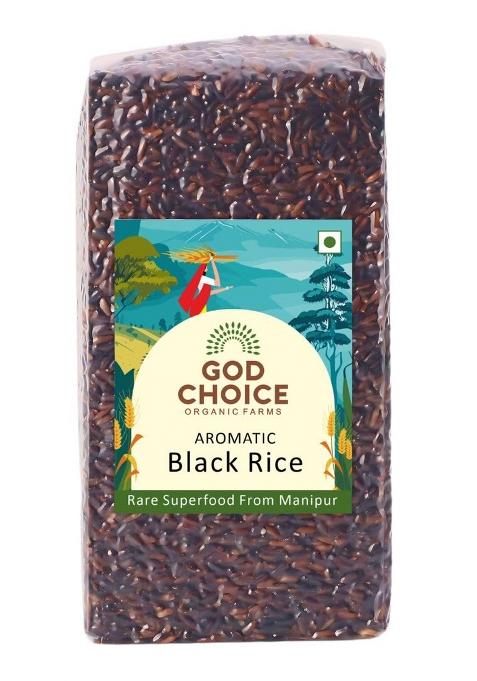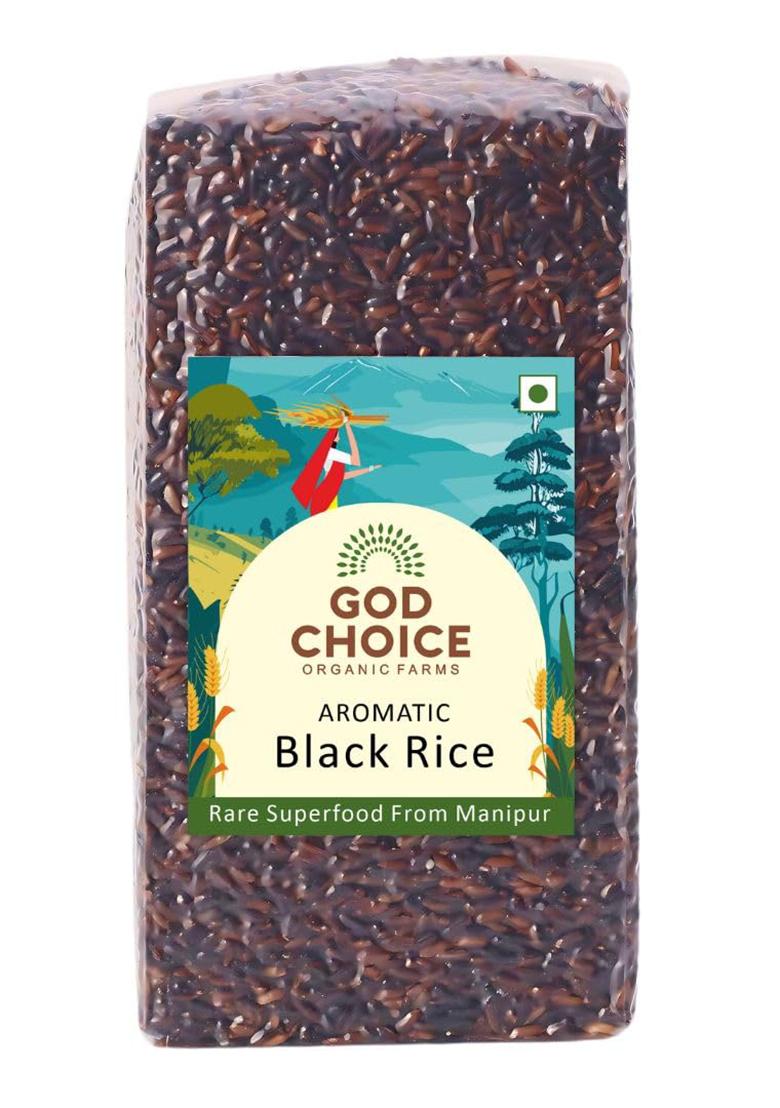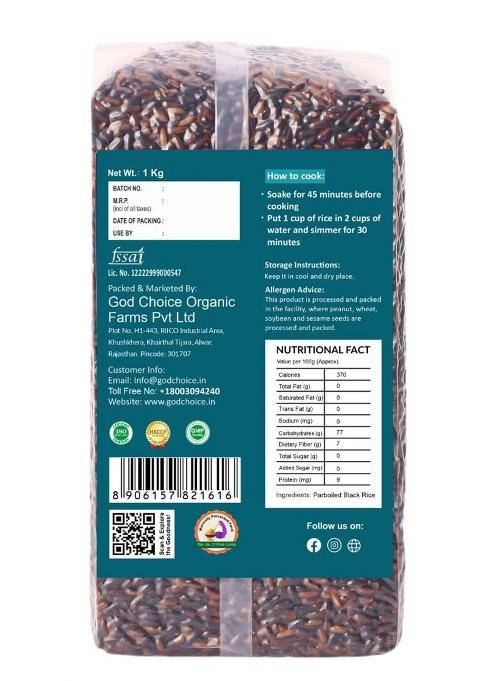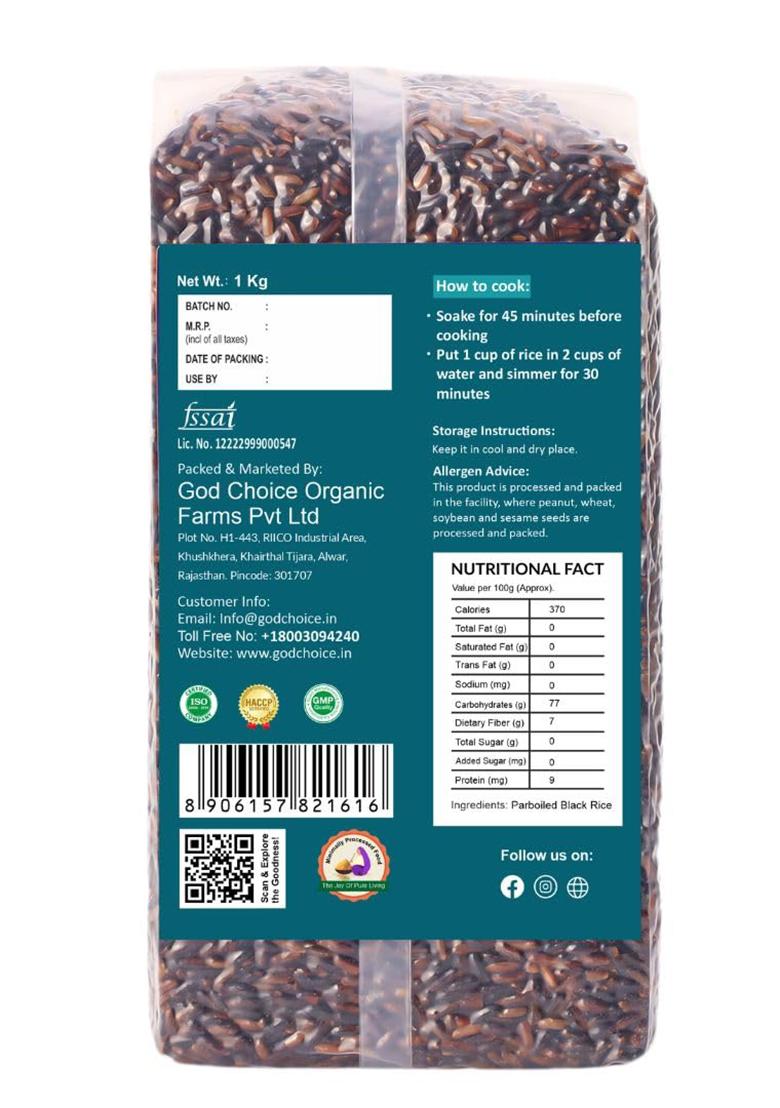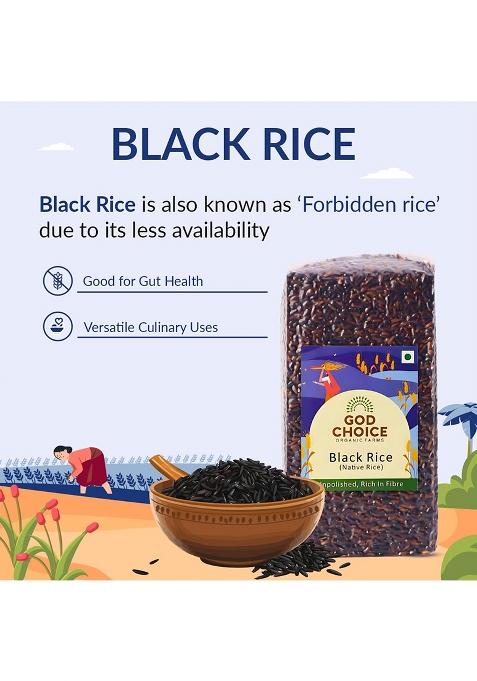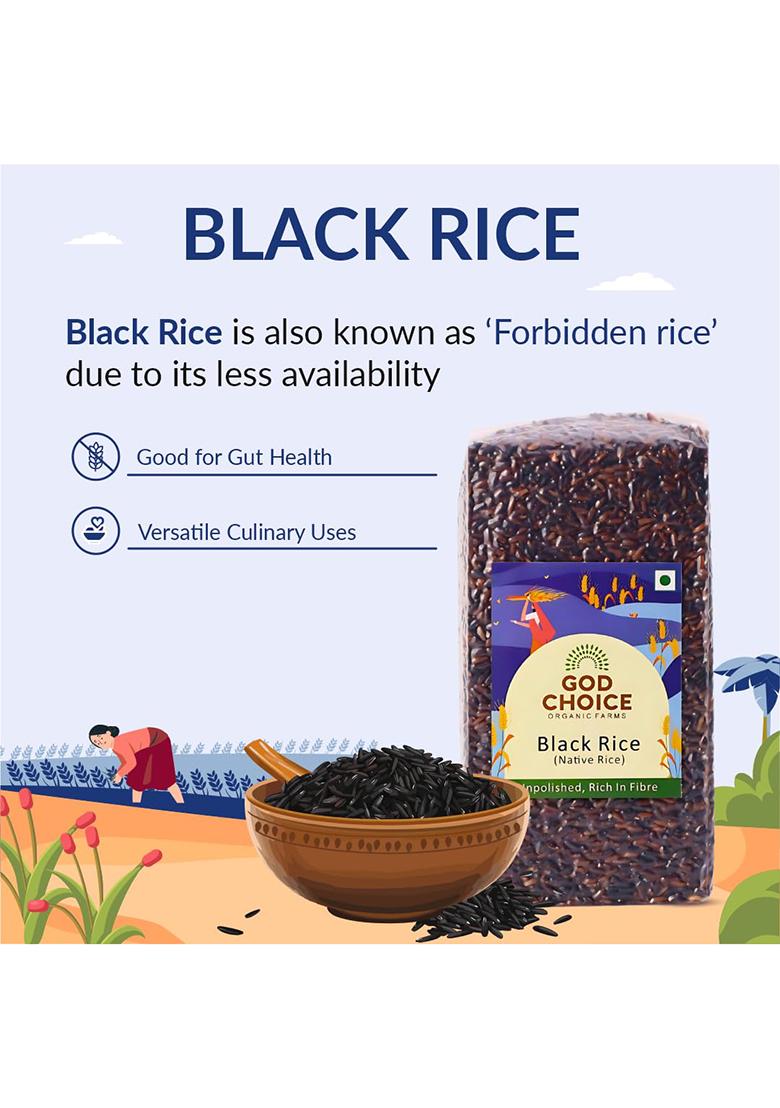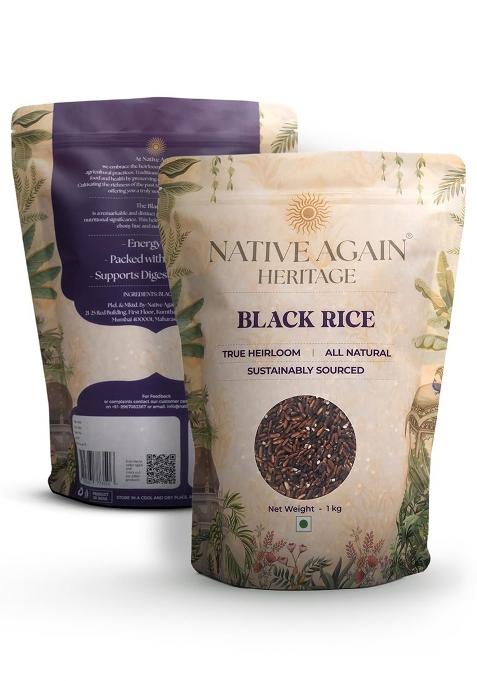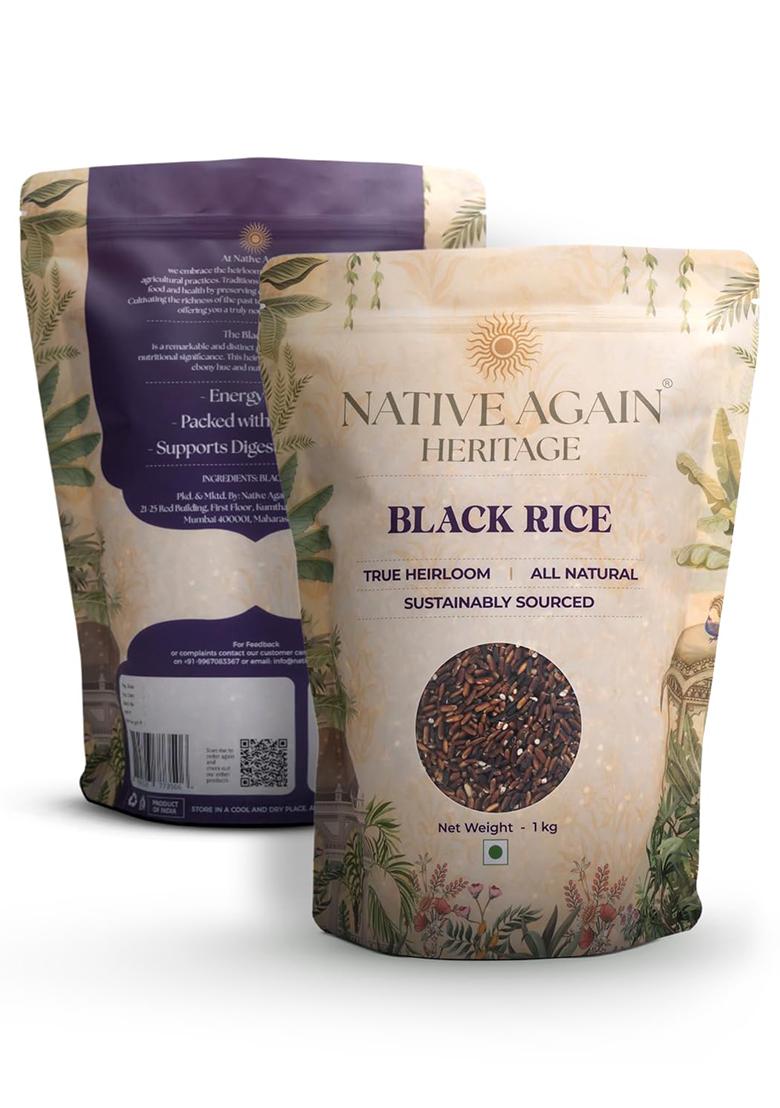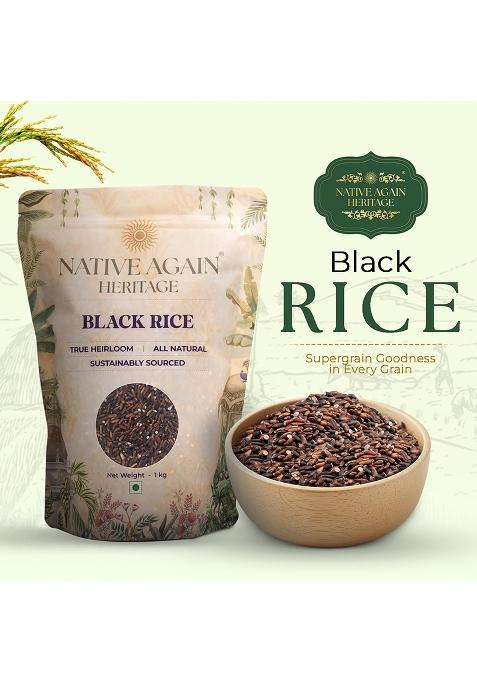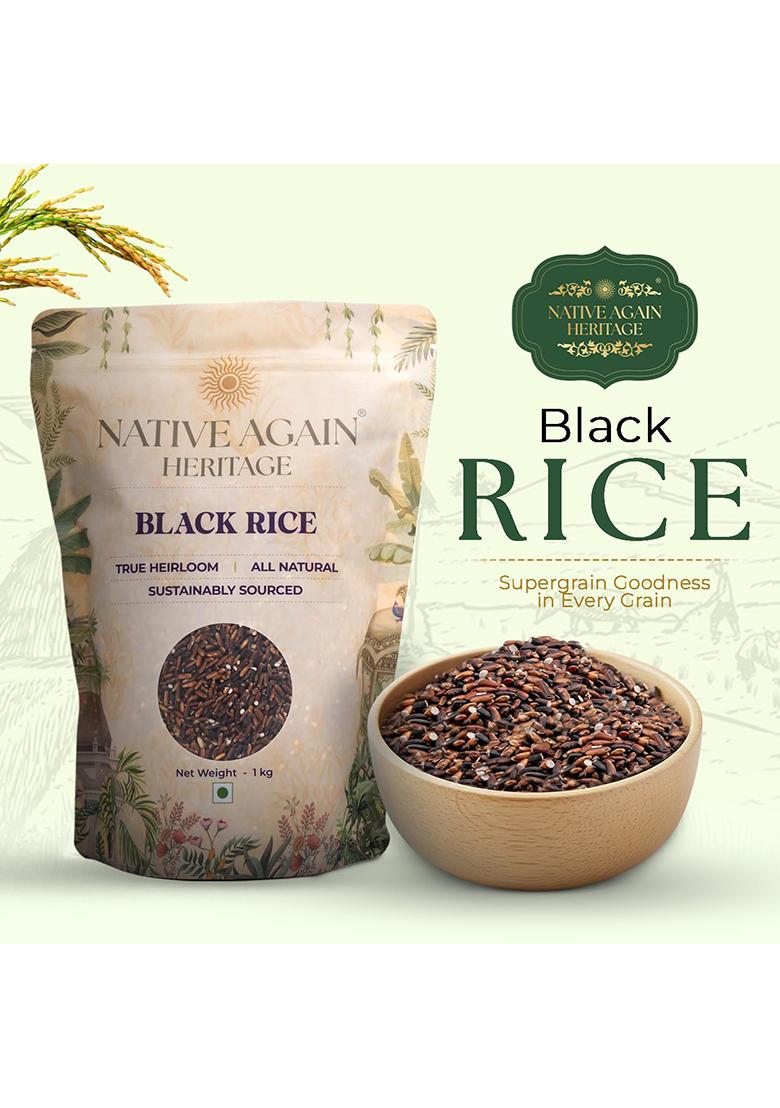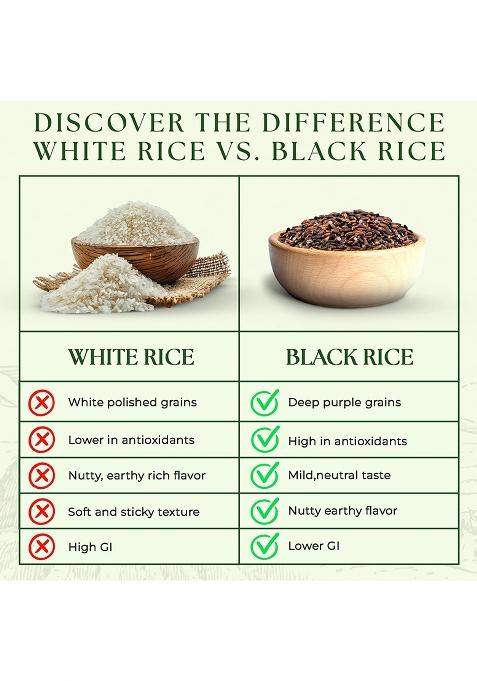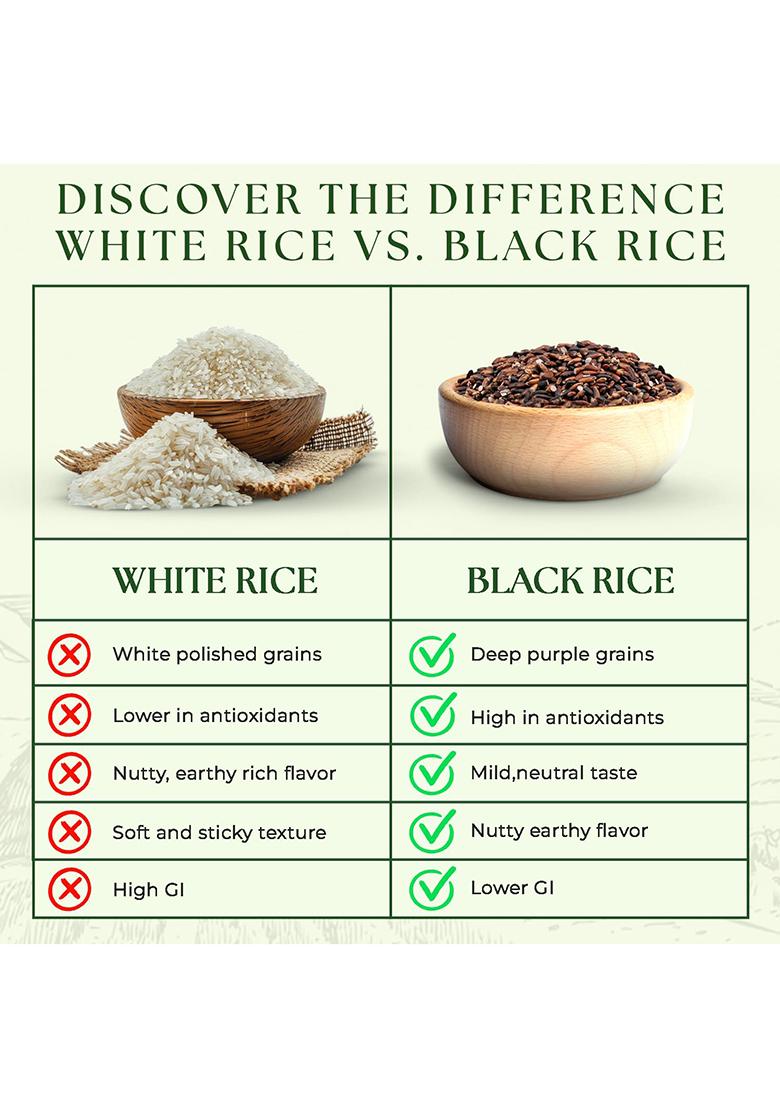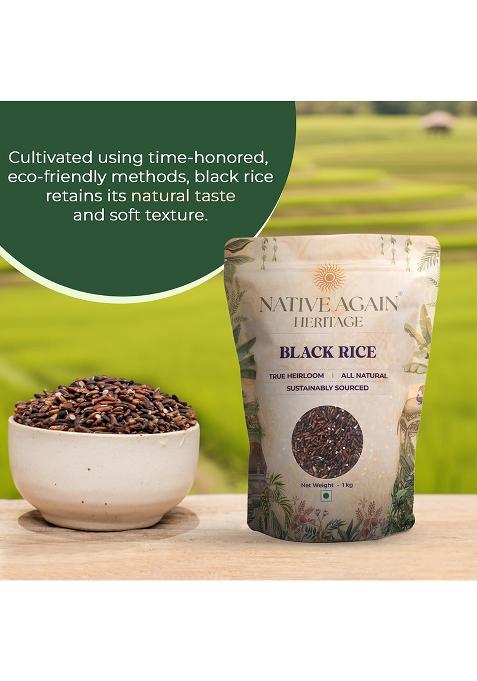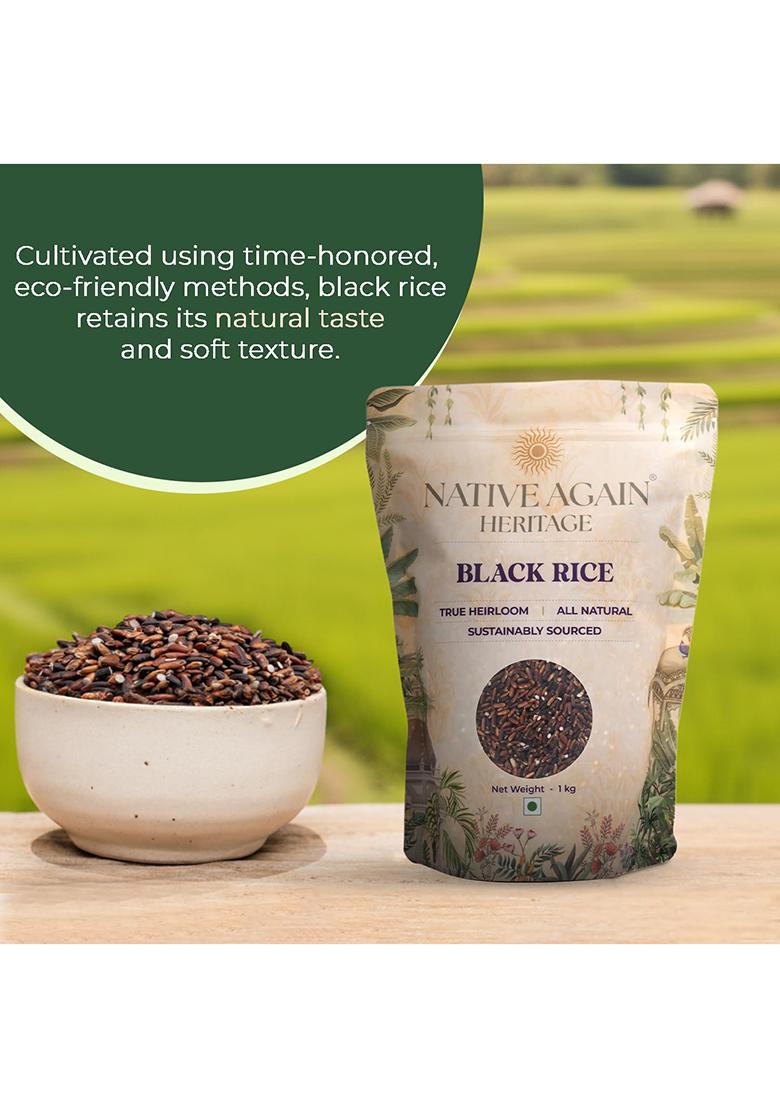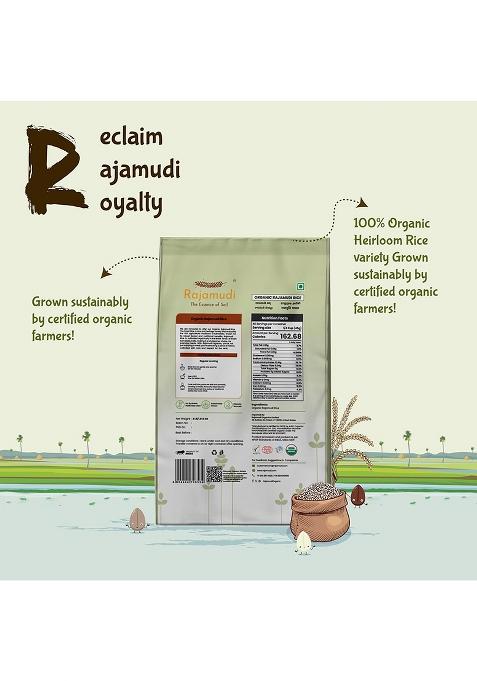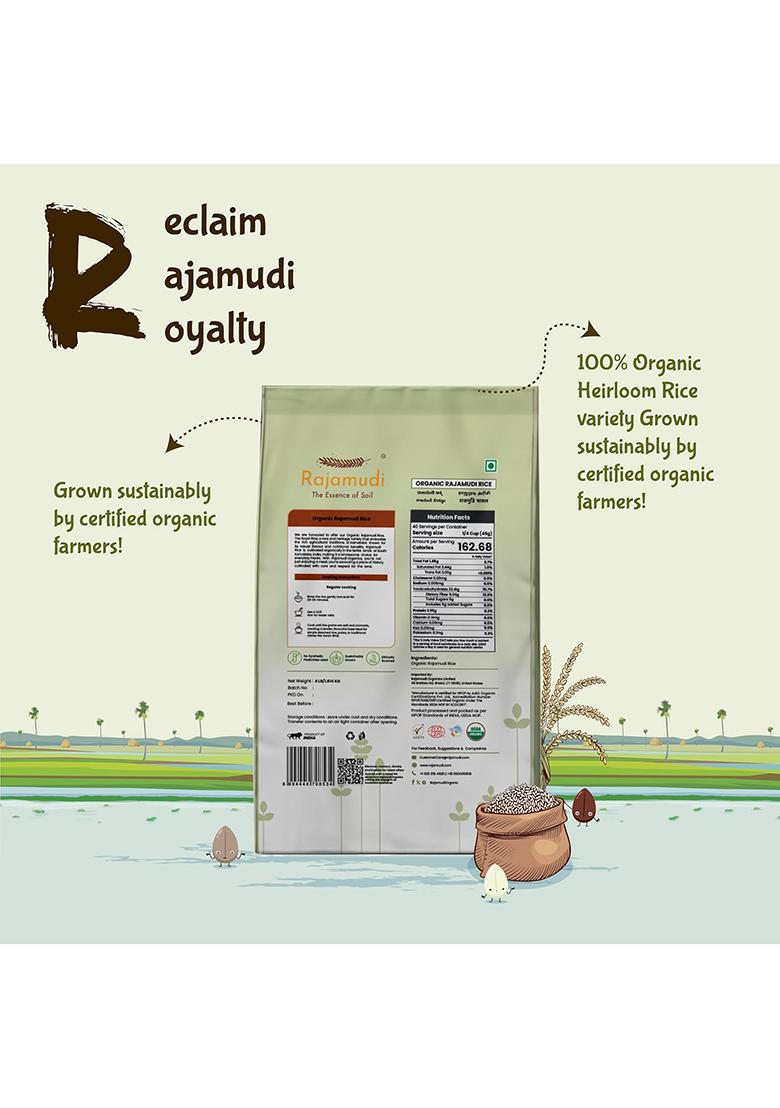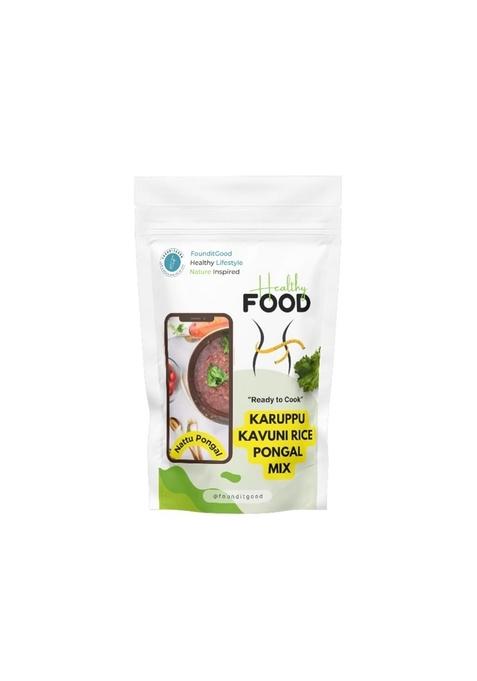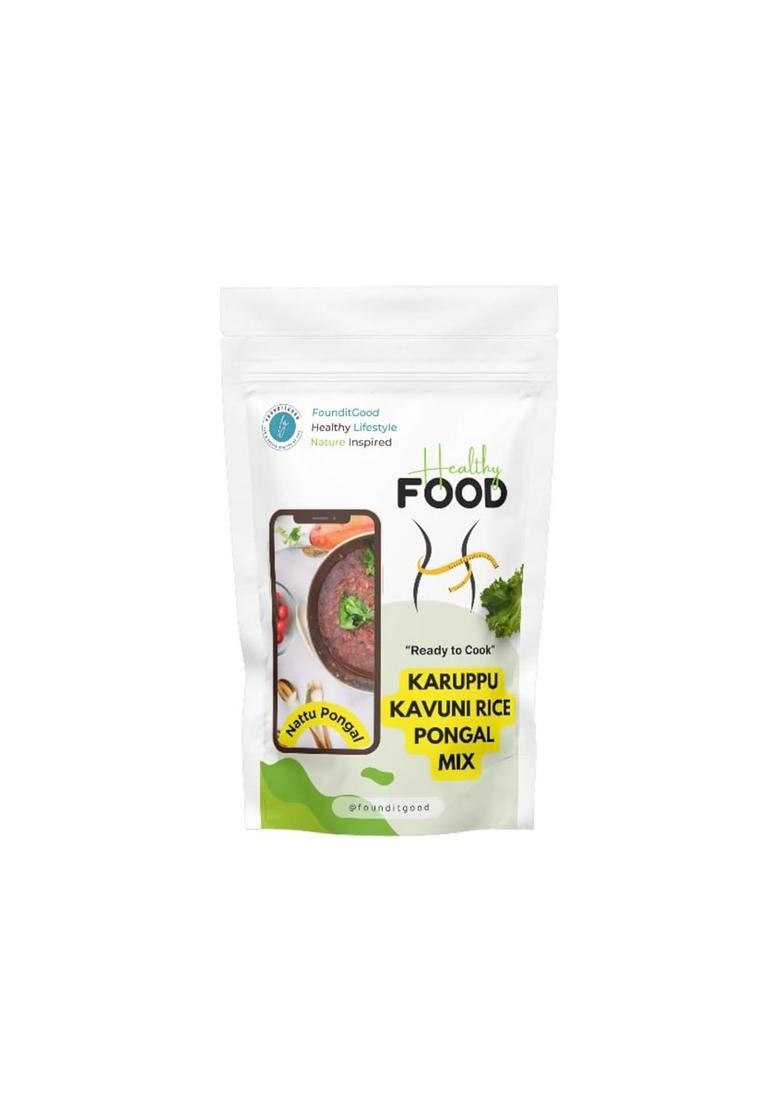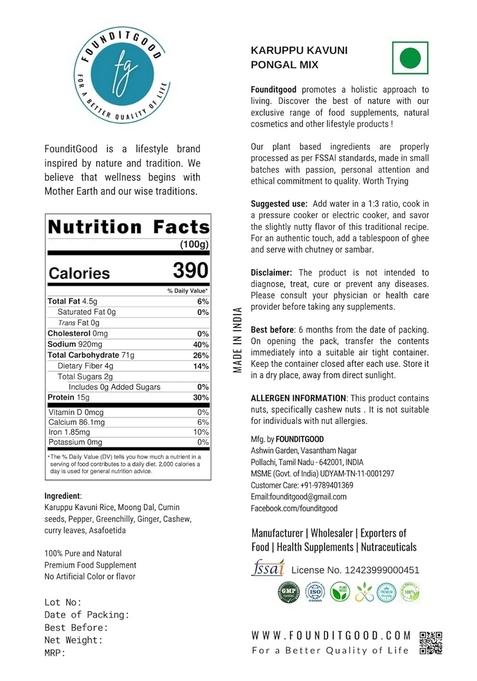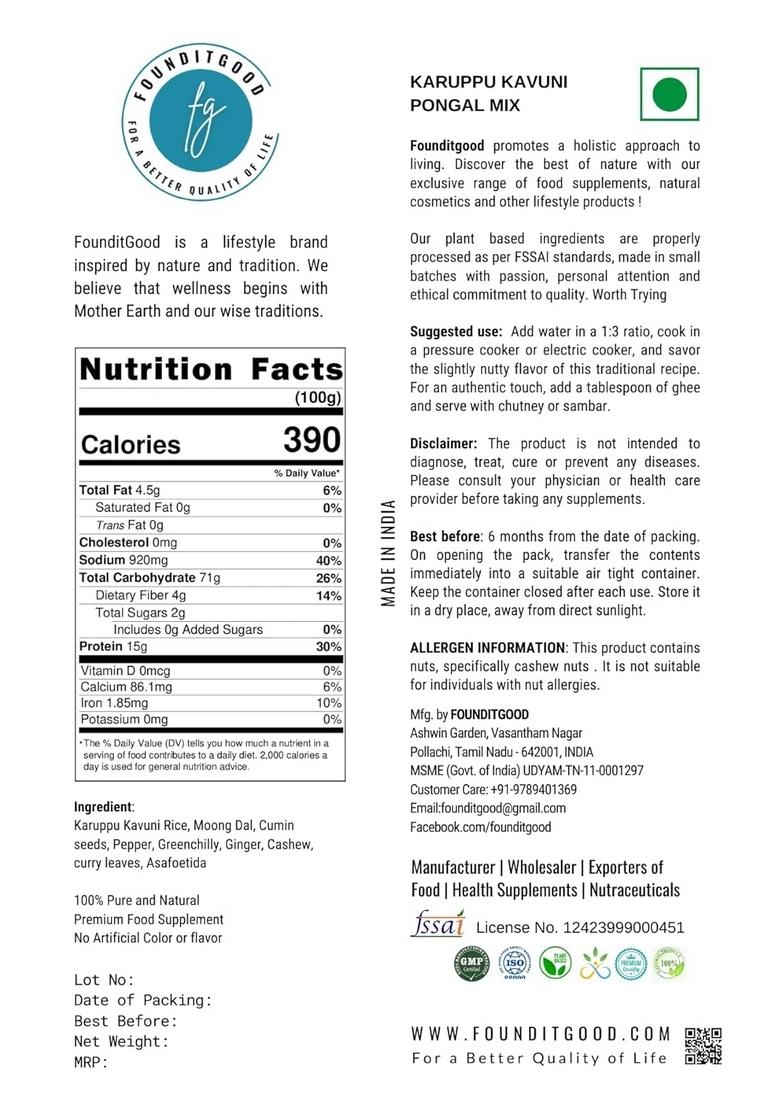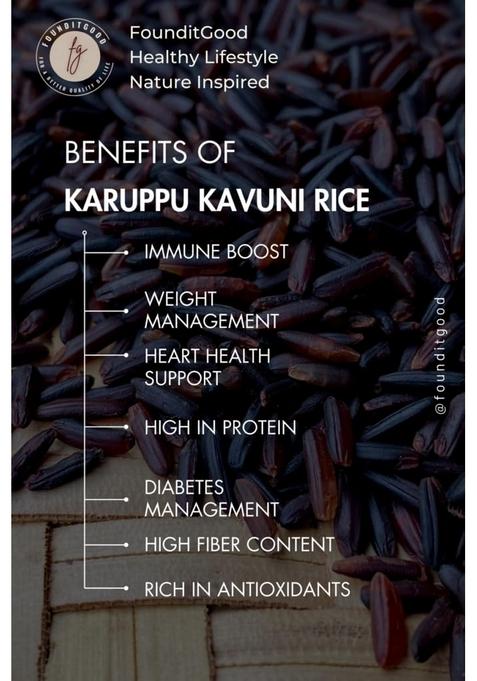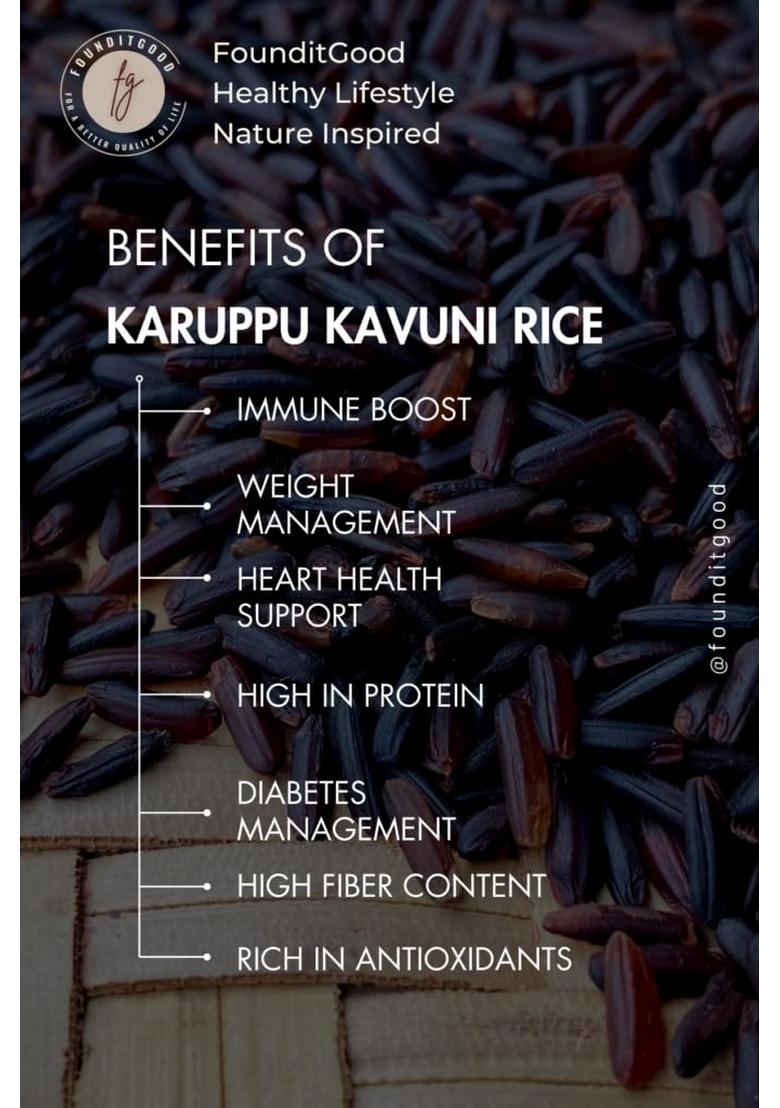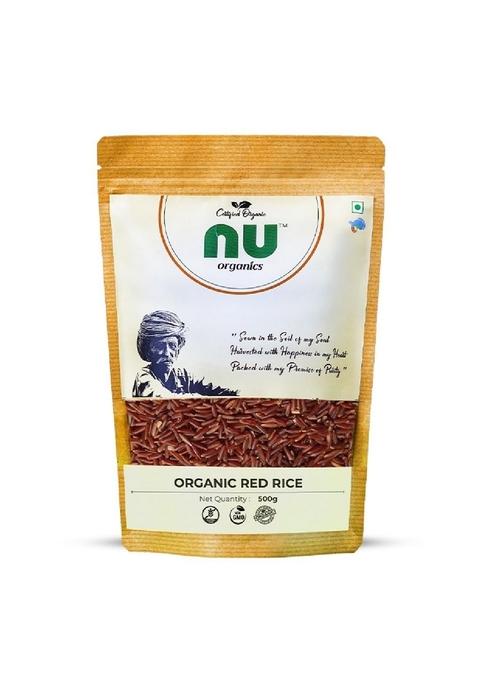
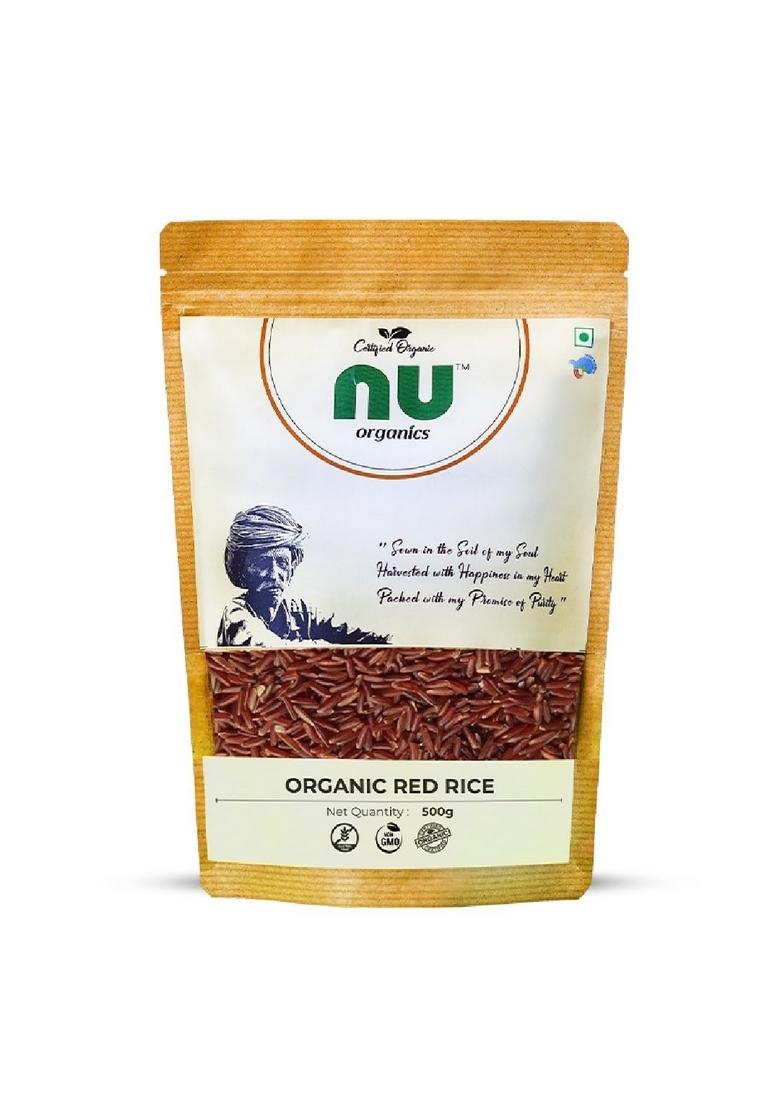

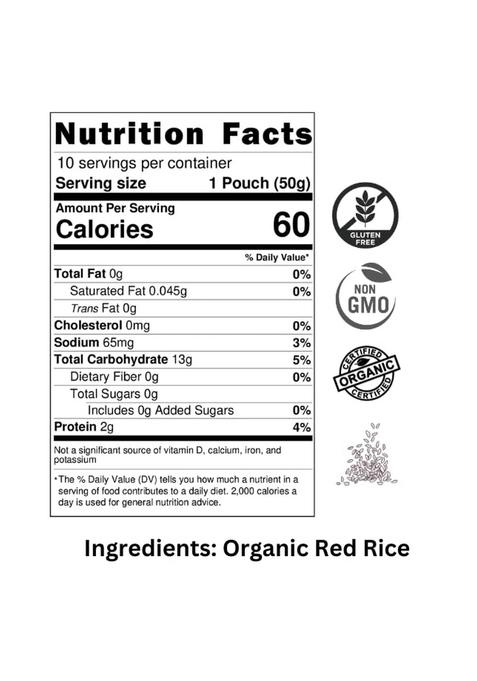
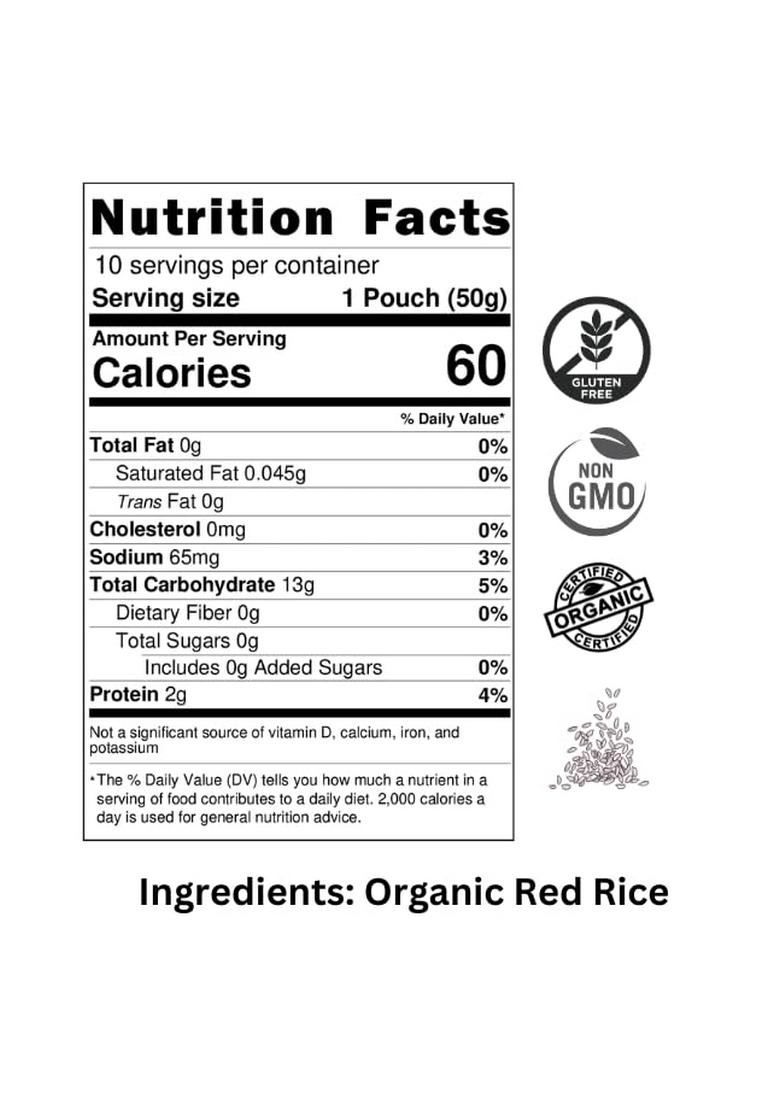
The best organic black rice for antioxidants and nutrition is unpolished, organically certified, and harvested from regions such as Manipur and Tamil Nadu. This grain is naturally rich in anthocyanins, the same plant compounds that give blueberries and purple corn their deep color. These antioxidants protect cells from oxidative stress, support heart health, and contribute to balanced nutrition. If your goal is to add a nutrient-dense grain to your diet, black rice is an excellent choice.
| Use Case | Recommended Variety | Key Advantage |
|---|---|---|
| Antioxidant-rich diet | Manipur Chak Hao Amubi Organic Black Rice | Highest anthocyanin levels and deep purple hue |
| Weight management | Tamil Nadu Karuppu Kavuni Organic Black Rice | Low glycemic index, high fiber, and satisfying texture |
| Family nutrition | Assam Unpolished Black Rice Blend | Balanced flavor and easy to mix with white rice |
| Festive dishes | Manipur Sticky Black Rice (Chak Hao Poireiton) | Distinct aroma and color suitable for desserts and pulao |
Choose rice that is unpolished and organically grown. The bran layer contains most of the antioxidants and fiber, so polished rice loses much of its value. Always check for organic certification, harvest date, and source region. Freshly harvested grains maintain their aroma and antioxidant potency better than older stock.
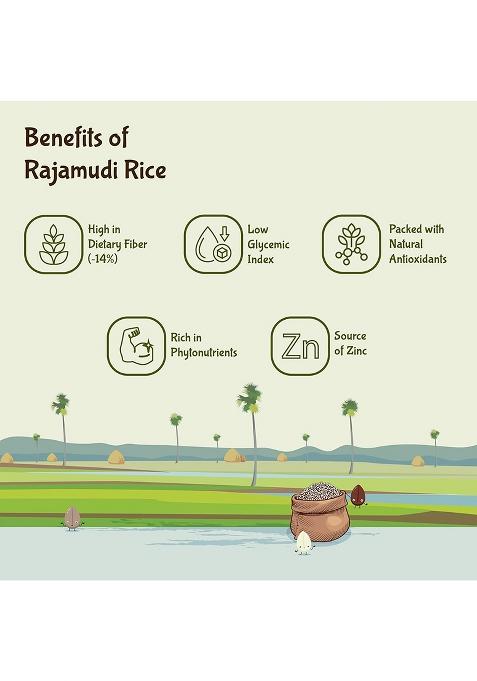
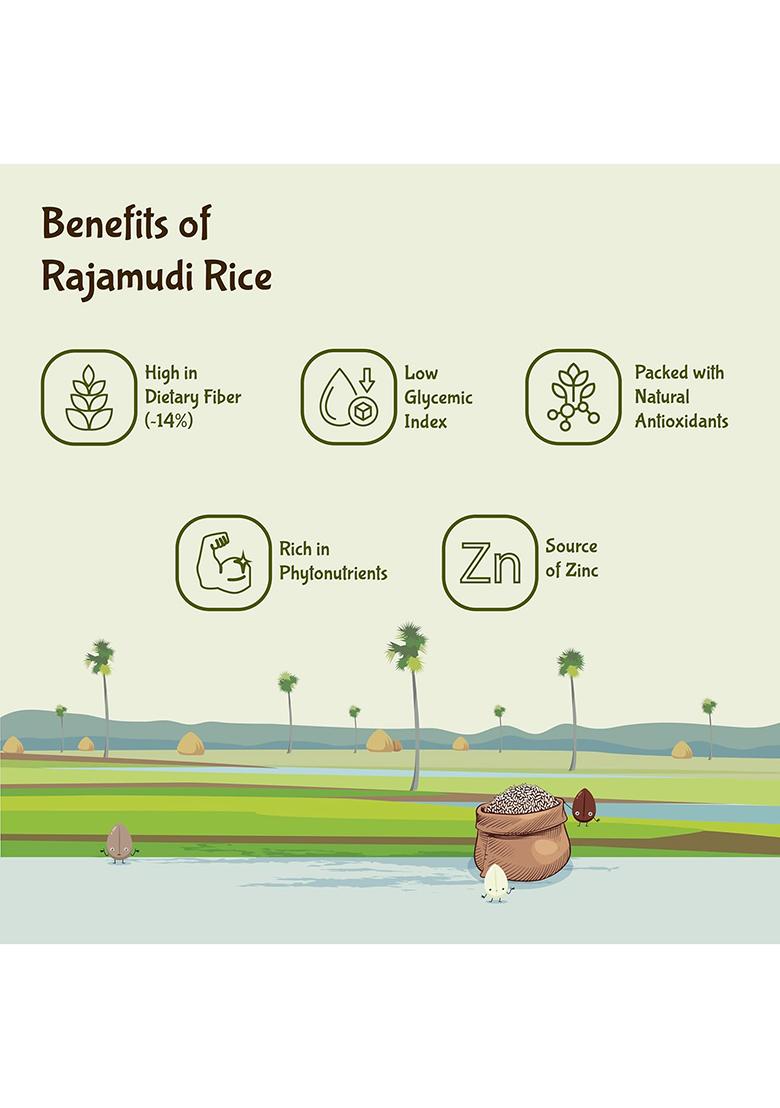
Anthocyanins in black rice are about three times higher than in brown rice, giving it both its distinctive color and antioxidant strength.
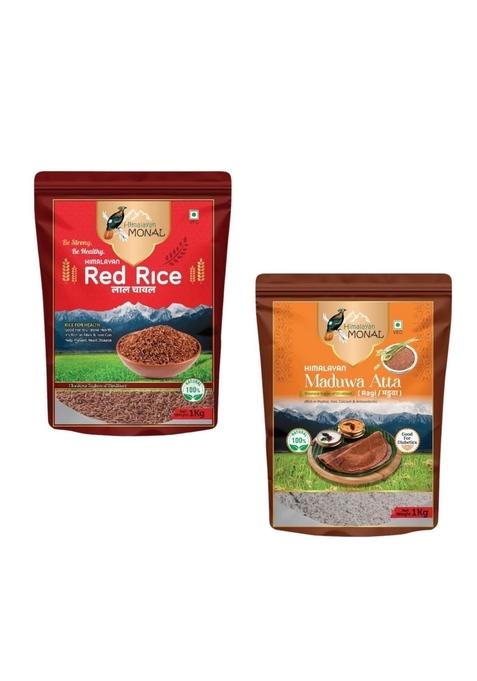
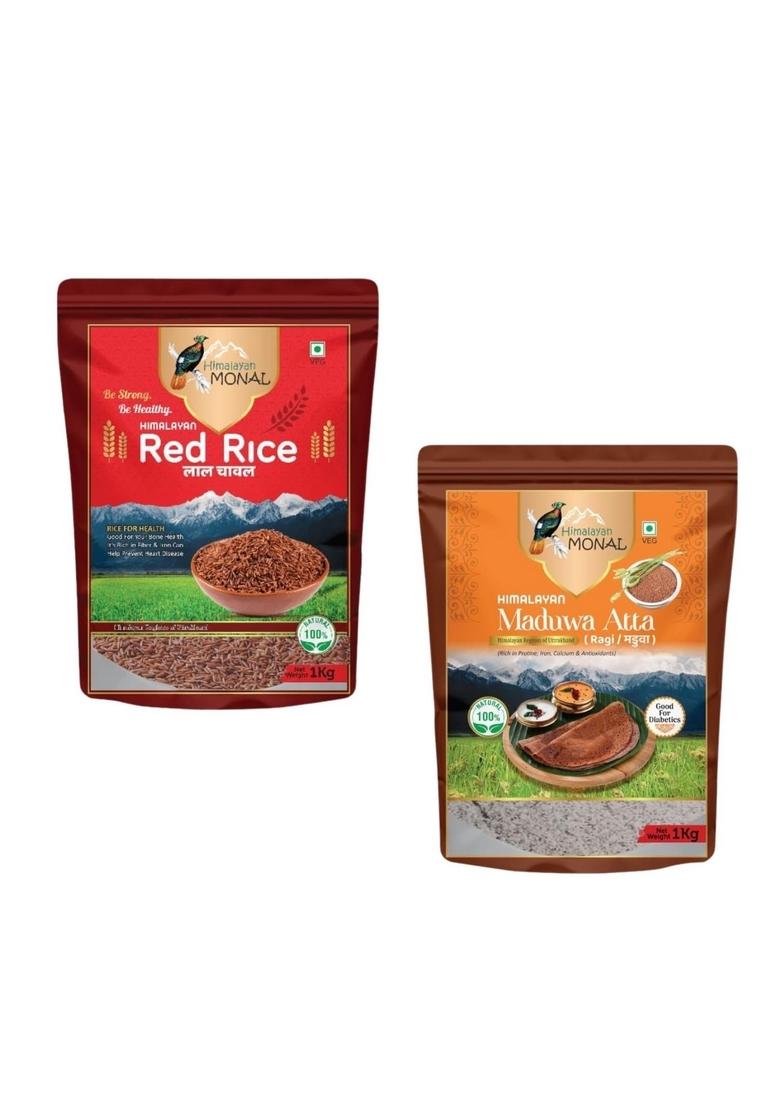
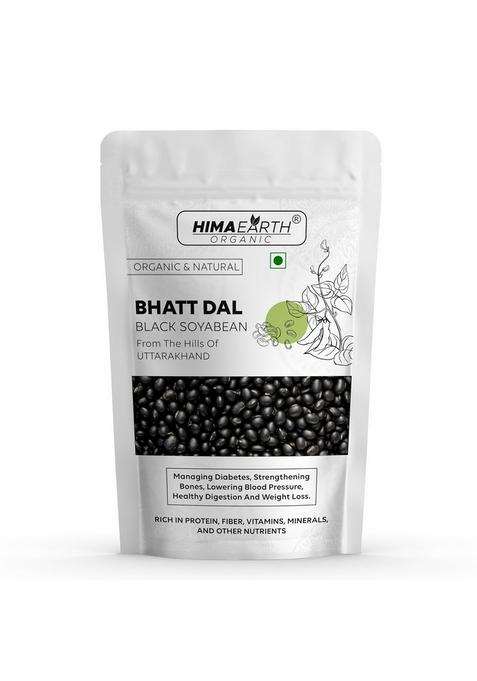
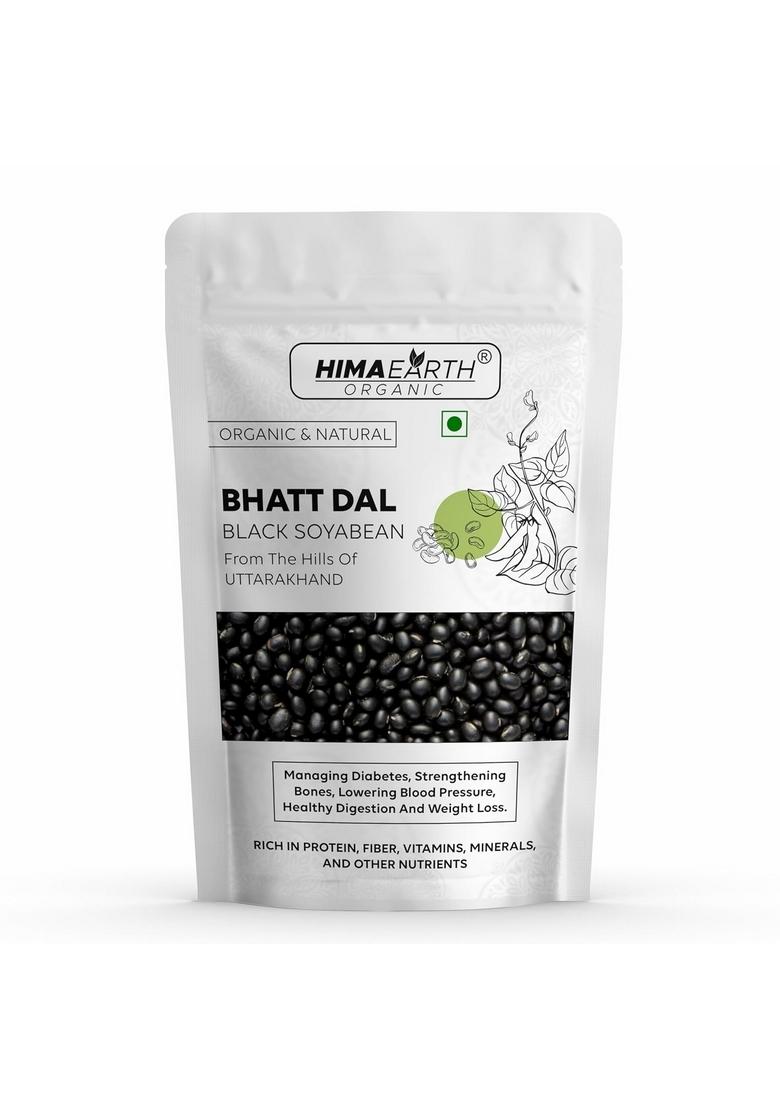
Below are some trusted options that offer consistent freshness and nutrient value.
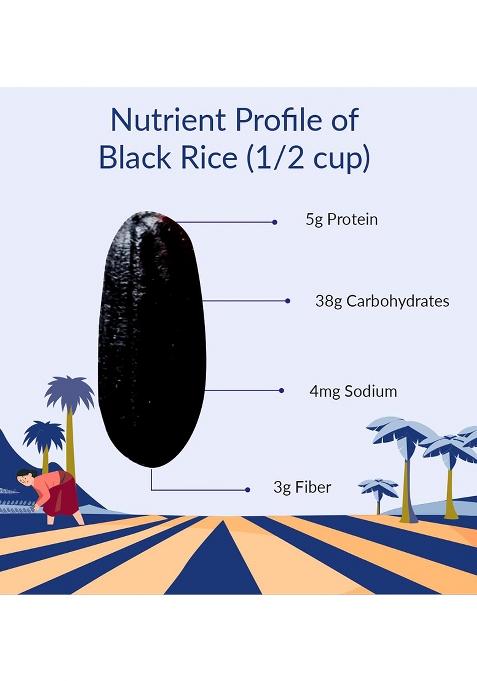
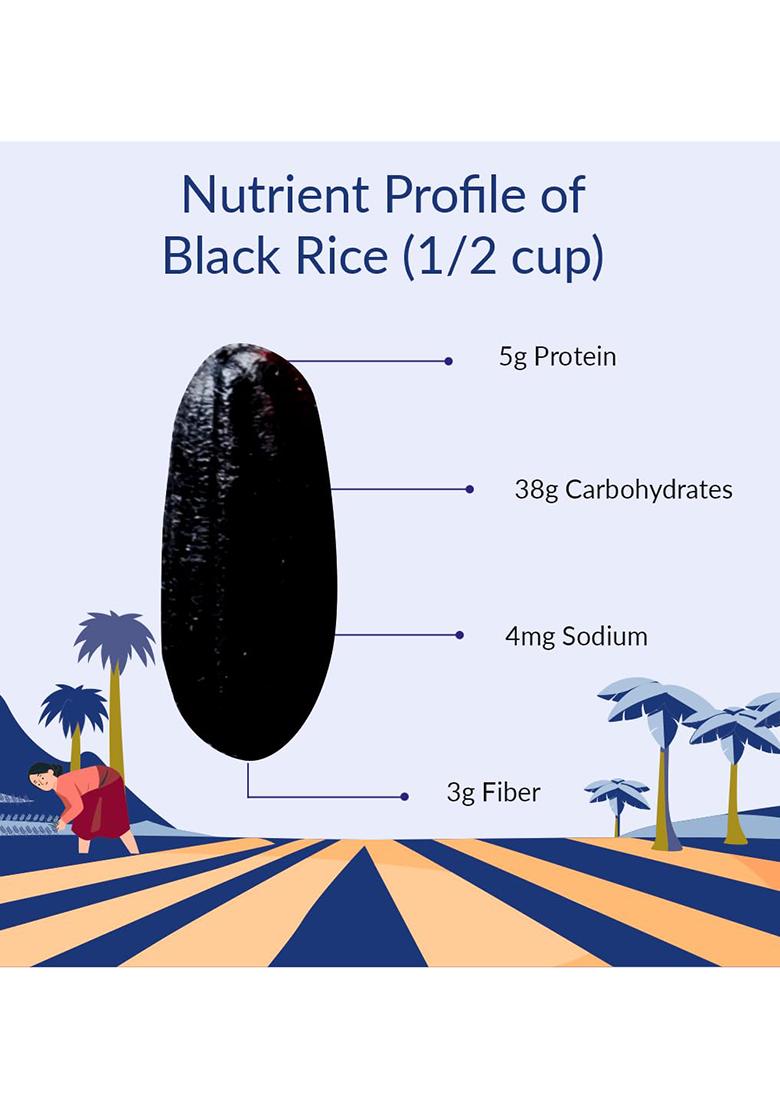
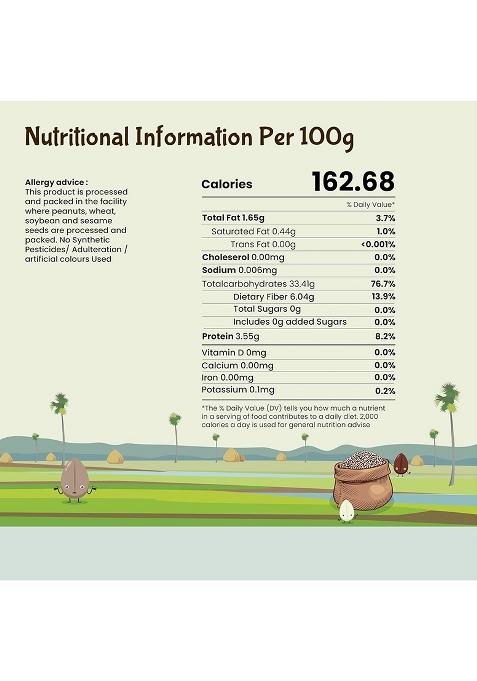
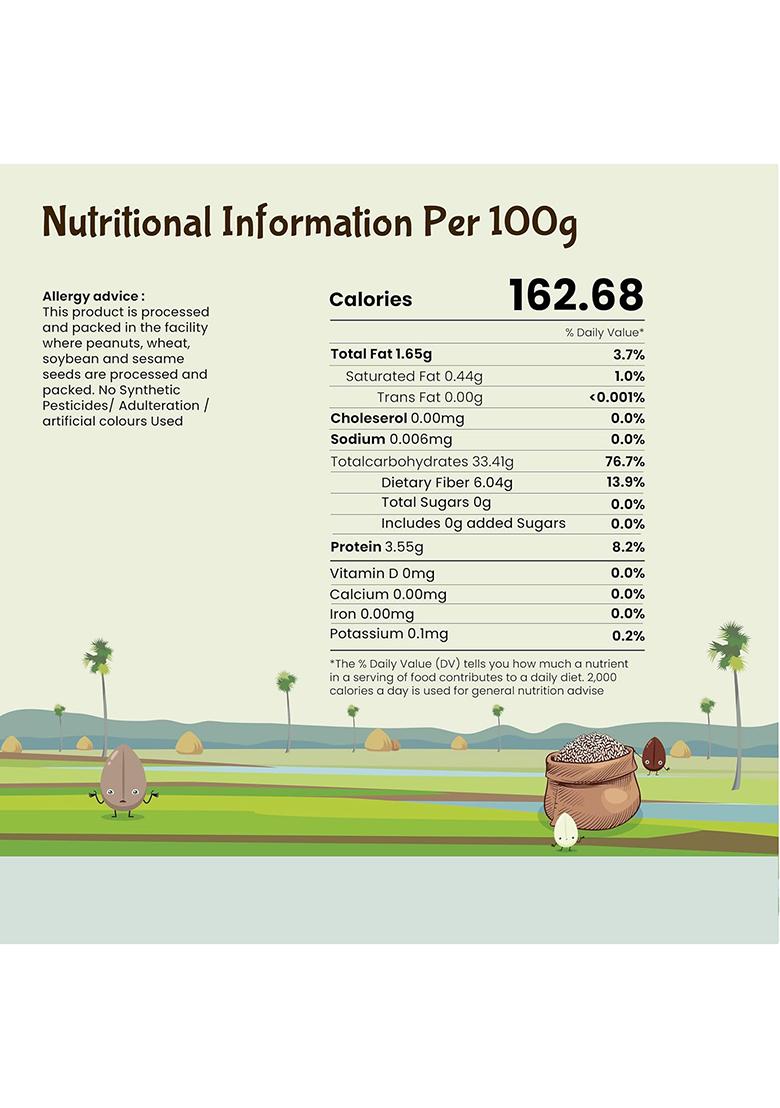
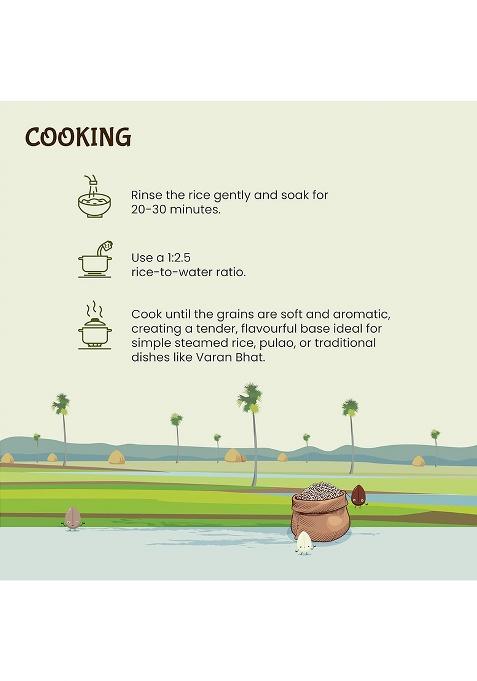
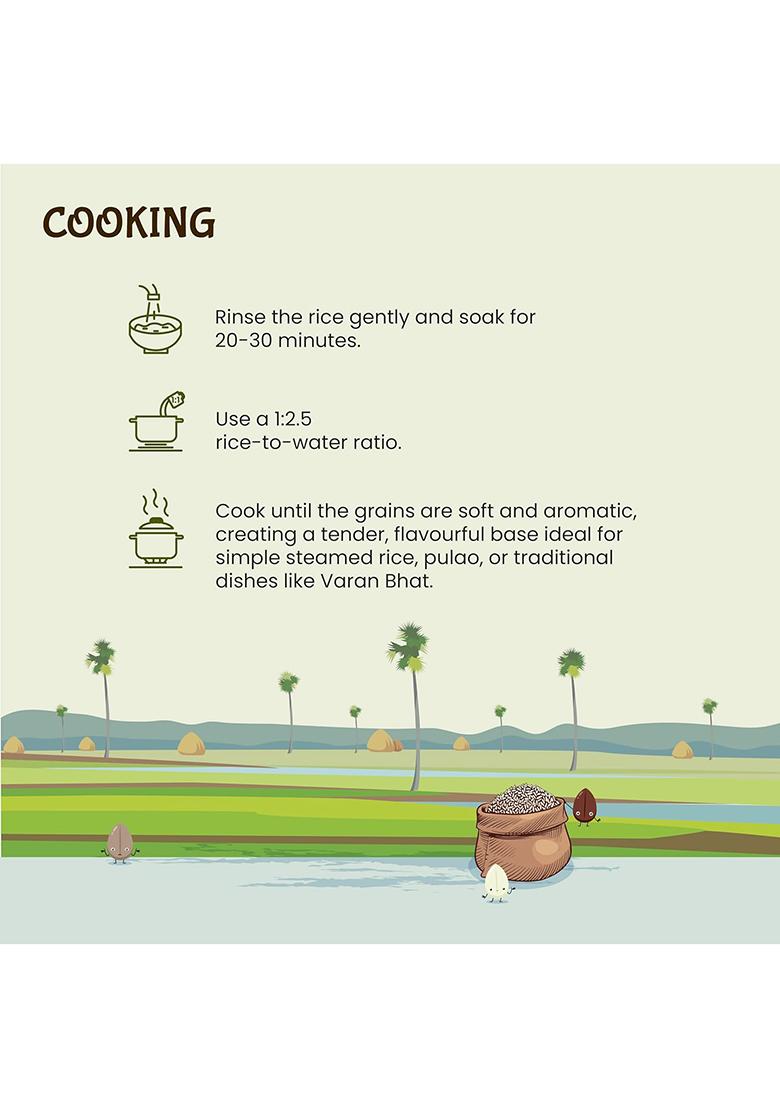
One 100-gram cooked serving of organic black rice provides about 4 grams of protein, 2 grams of fiber, and essential minerals such as iron and zinc. The anthocyanins act as natural antioxidants that help protect the body from free radicals. To cook, soak the grains for two hours, then simmer in 2.5 parts water for about 40 minutes. The result is firm, aromatic rice that complements both Indian curries and Asian-style stir-fries.
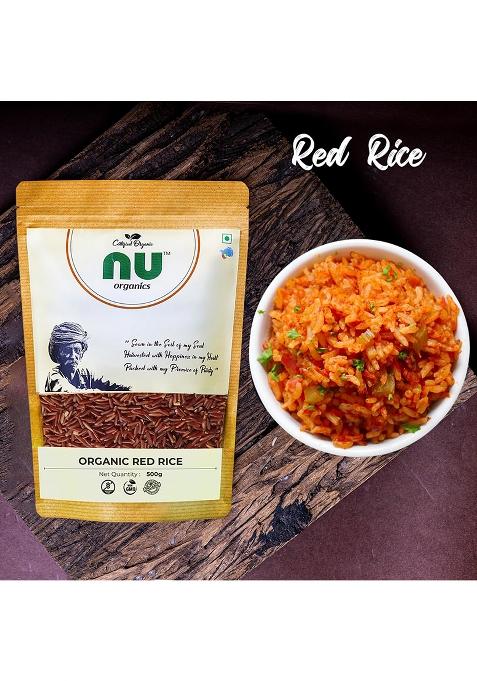
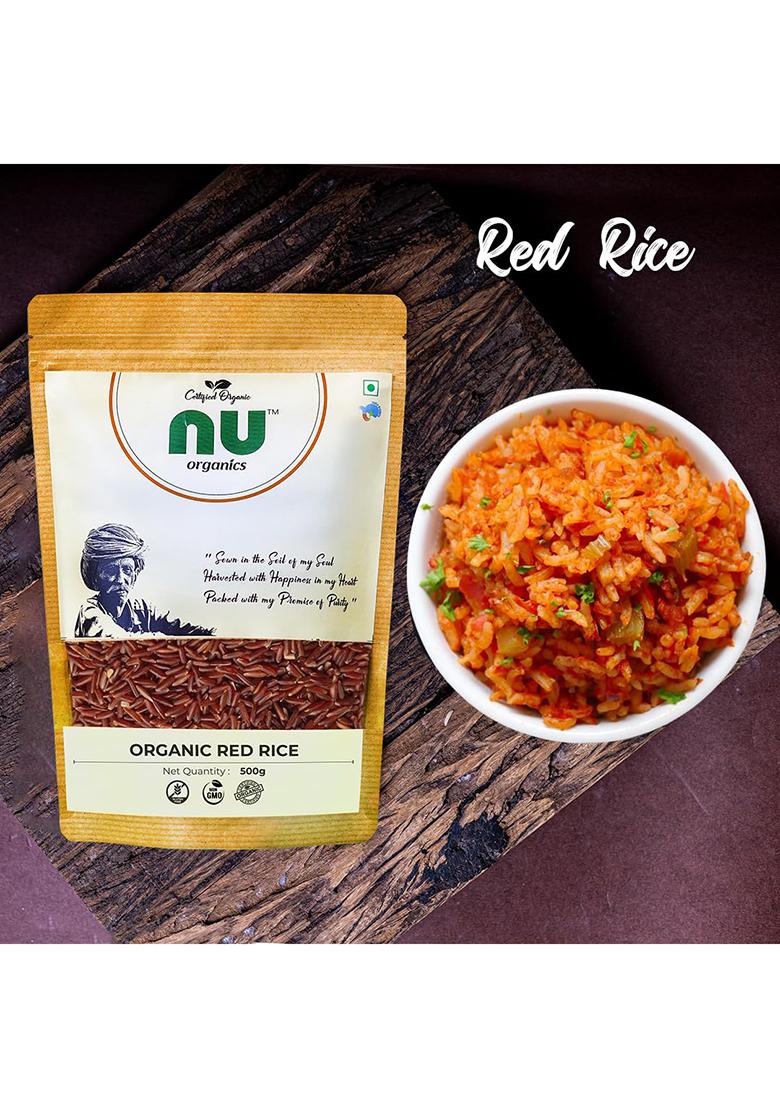
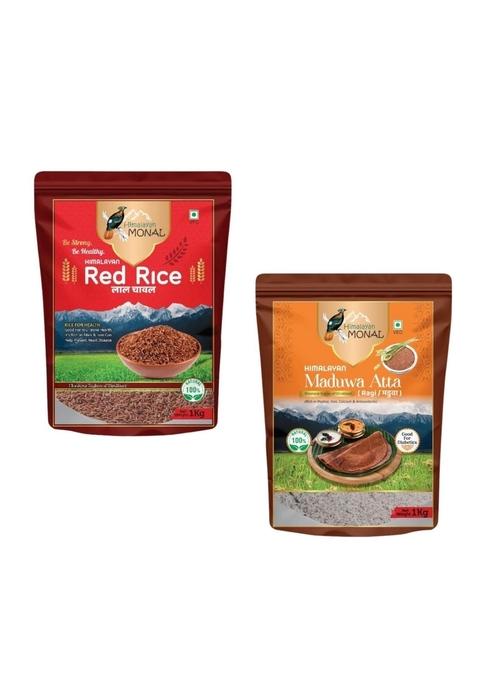
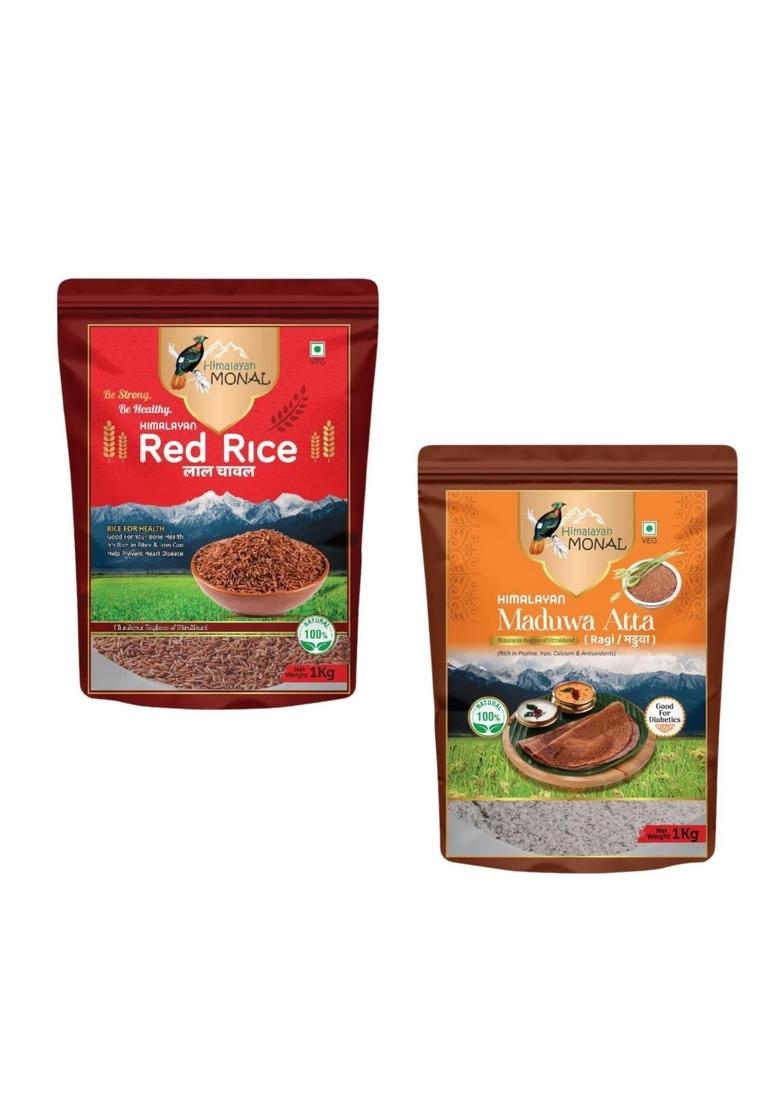
Black rice is often compared with other antioxidant grains like red rice and quinoa. While red rice offers similar fiber, black rice usually provides higher anthocyanin content. Quinoa, on the other hand, has more protein but less antioxidant pigment. Choosing among them depends on whether your focus is antioxidants, protein, or texture.
These small considerations are outweighed by the clear nutritional and visual benefits of this grain. It adds color, flavor, and value to any meal plan.
If you are exploring healthy pantry staples, begin with the Tamil Nadu Karuppu Kavuni for daily use and reserve Manipur Chak Hao for special dishes. For further reading, visit our recipe and nutrition blog or explore our Festive Edit that pairs wholesome ingredients with lifestyle inspiration. You can also see our Indo-Western collection to discover how mindful choices in food and fashion connect through thoughtful living.
House of Indya blends traditional Indian design with modern aesthetics, creating clothing that fits contemporary lifestyles. From kurta sets and lehengas to Indo-Western silhouettes, the brand offers size-inclusive fashion with global shipping and custom stitching options. Visit House of Indya
Organic black rice is high in antioxidants because it contains anthocyanins, the same pigments found in berries. These compounds help protect cells from oxidative stress and support heart and skin health when eaten regularly as part of a balanced diet.
Black rice often provides more antioxidants and similar fiber levels compared with brown rice. It also offers extra minerals like iron and zinc, making it a strong choice for people who want nutrient diversity and richer flavor in their meals.
Soak the grains for two hours before cooking. Use 2.5 cups of water for every cup of rice and simmer for about 40 minutes. This method keeps nutrients intact and produces a chewy, aromatic texture that works well with curries and salads.
Yes. Black rice has a low glycemic index and a high fiber content, which helps you feel full longer. Replacing refined grains with black rice can support steady energy levels and assist in weight control when combined with vegetables and lean proteins.
Manipur and Tamil Nadu produce some of the best organic black rice in India. Manipur’s Chak Hao variety is sticky and aromatic, while Tamil Nadu’s Karuppu Kavuni is firmer, making it ideal for everyday meals and balanced nutrition.
Yes, when eaten in moderation. Black rice has a lower glycemic index than white rice, which helps manage blood sugar. Pairing it with vegetables or legumes improves glucose control, making it a good option for diabetic-friendly diets.
Stored in an airtight container away from moisture and sunlight, organic black rice stays fresh for up to one year. Proper storage maintains its natural aroma, dark color, and nutritional value over time.
House of Indya mainly focuses on modern Indian fashion but occasionally curates wellness and home collections. Customers can explore these limited offerings, including select pantry items, on the official House of Indya website.
House of Indya ensures quality through careful material selection, inclusive sizing, and detailed finishing. Each product undergoes inspection for comfort, fit, and design accuracy before being shipped to customers worldwide.
Yes. Black rice works well in kheer, pulao, and even dosa or idli batter blends. Its natural color enhances festive dishes while keeping them wholesome and rich in antioxidants for family meals.