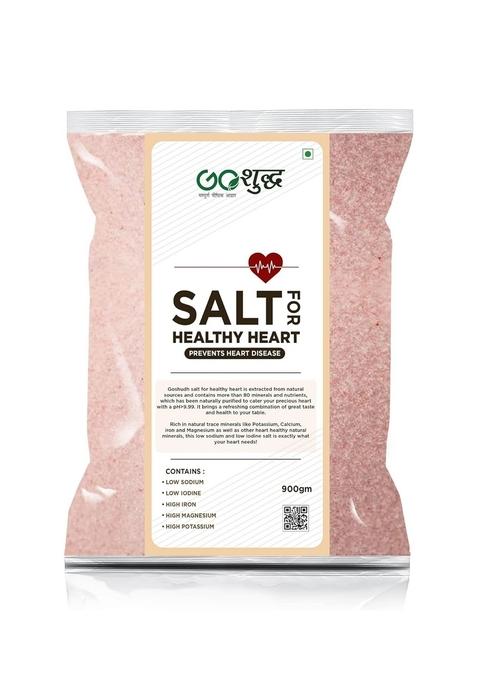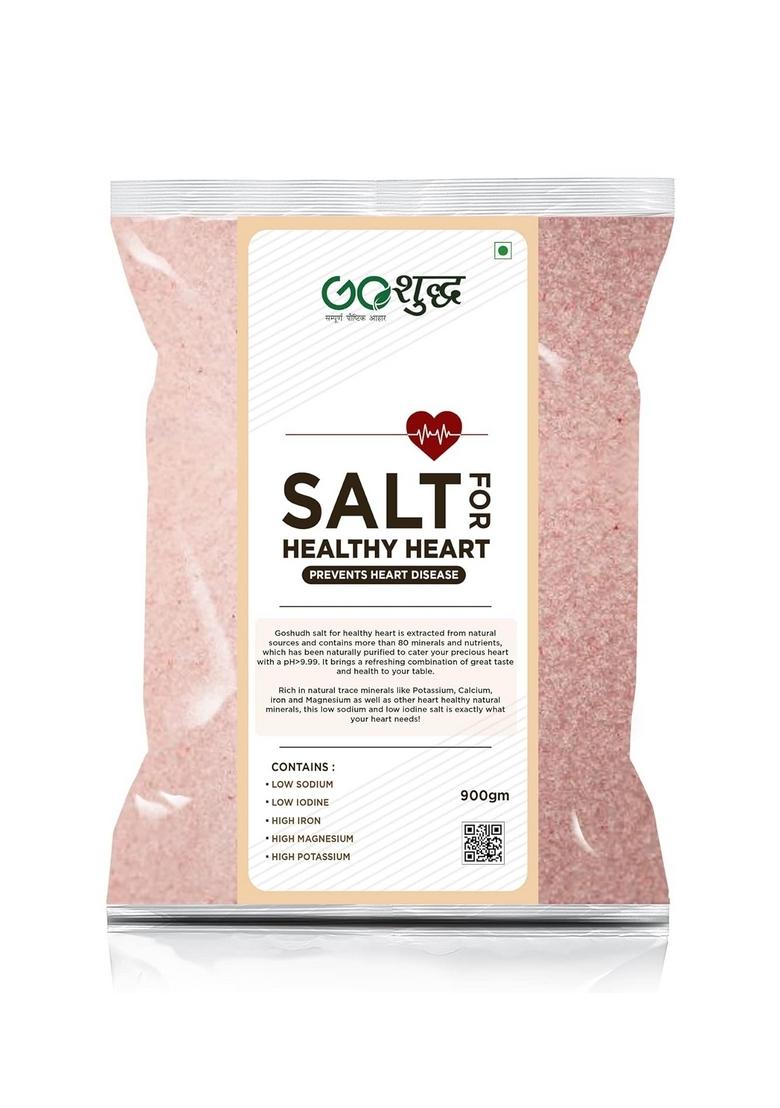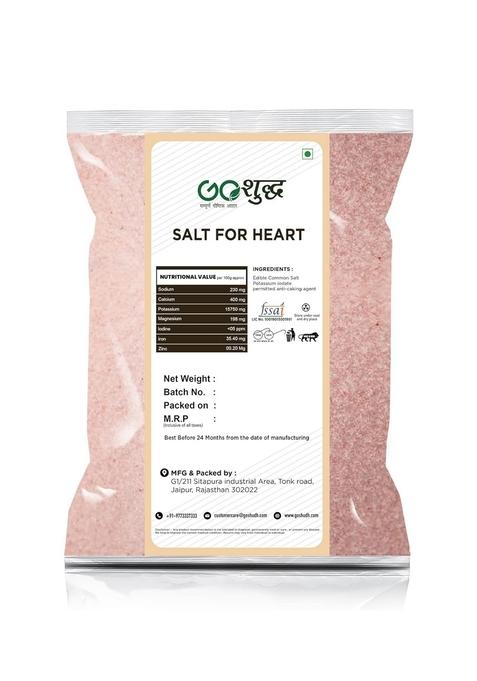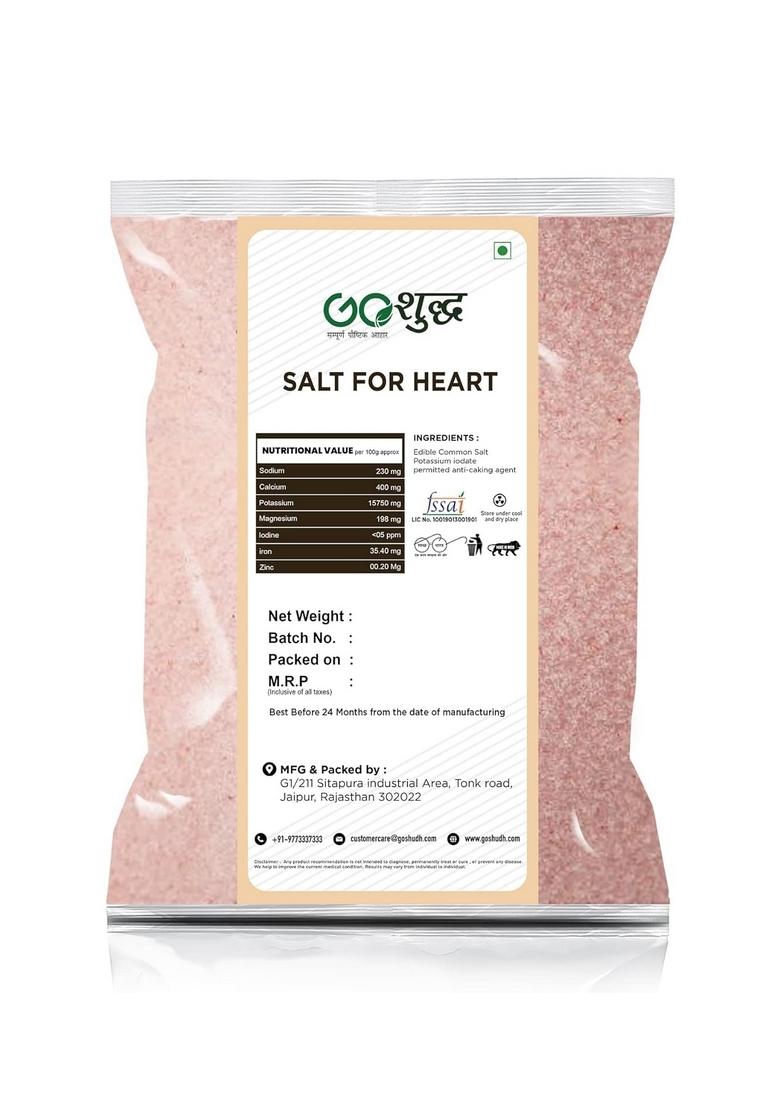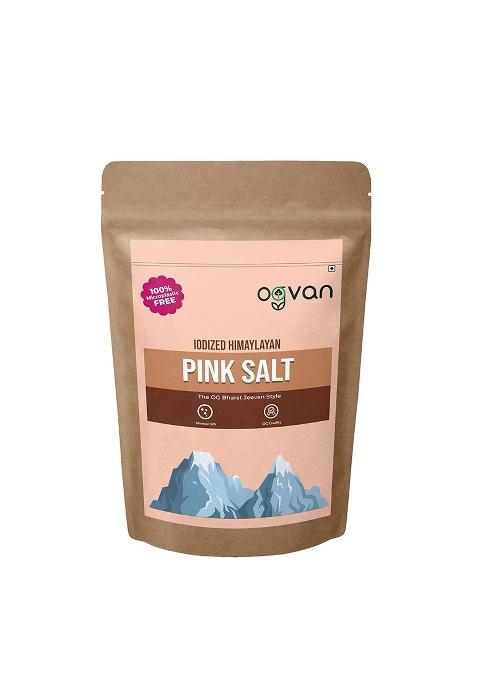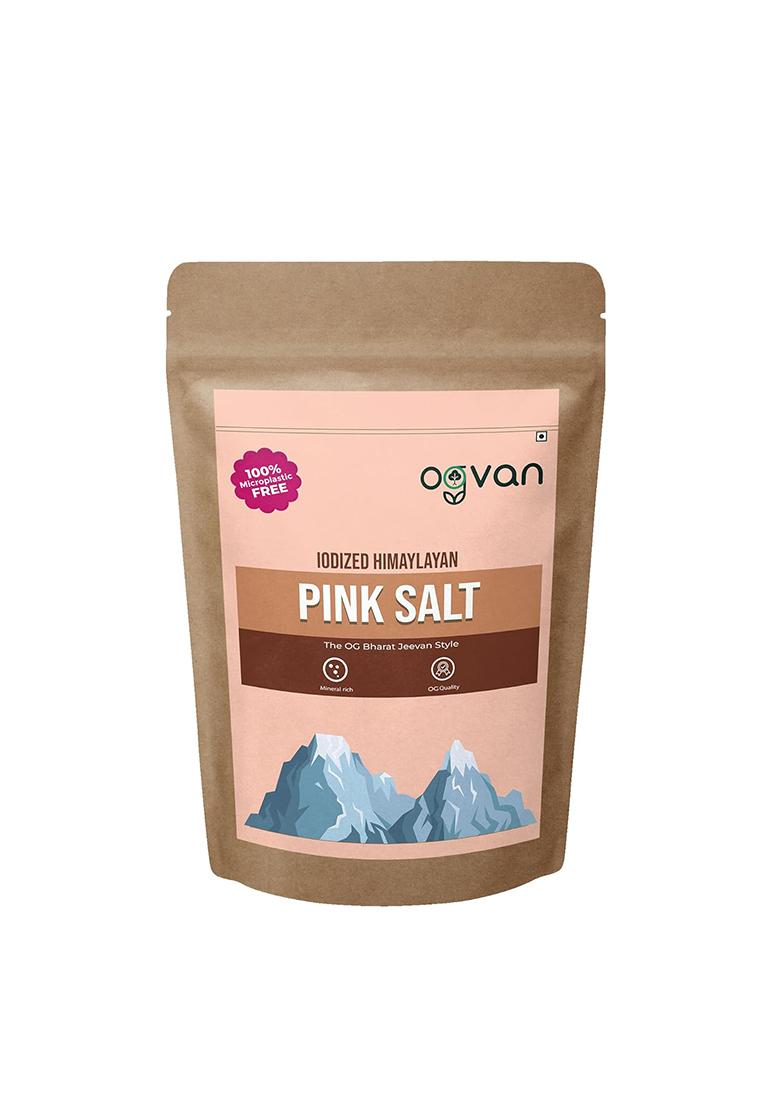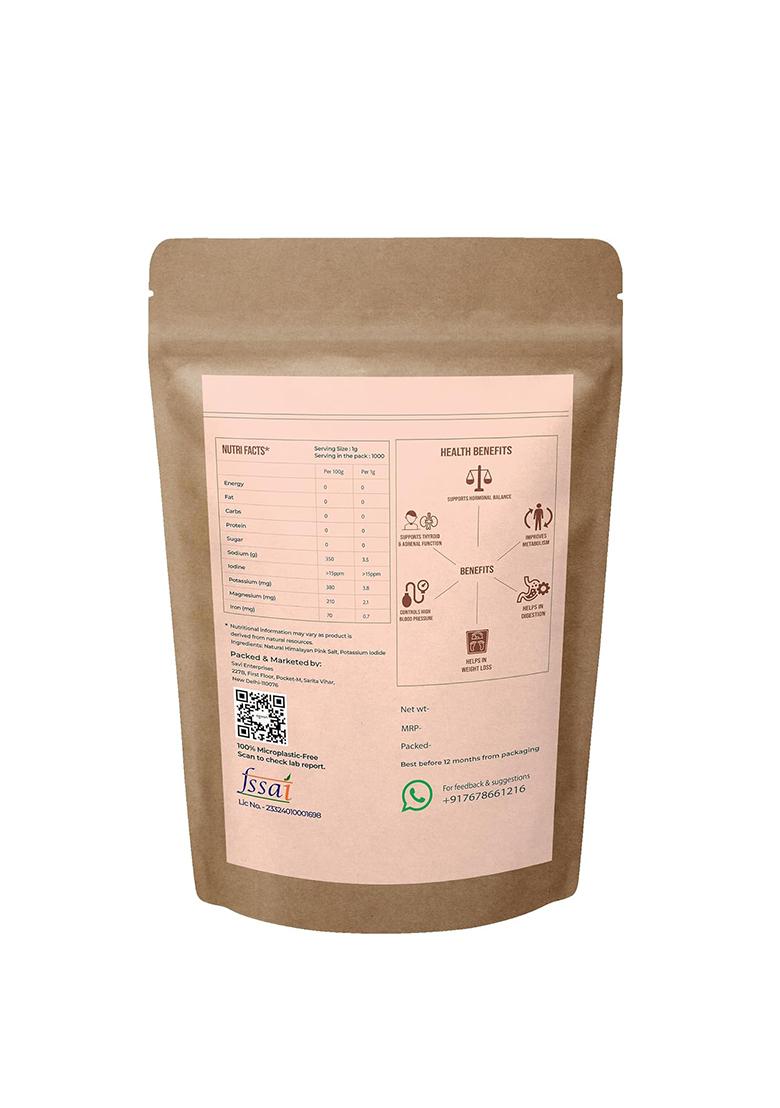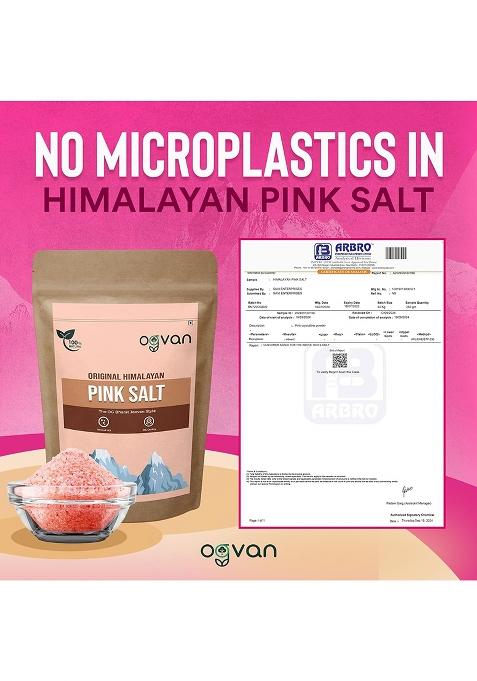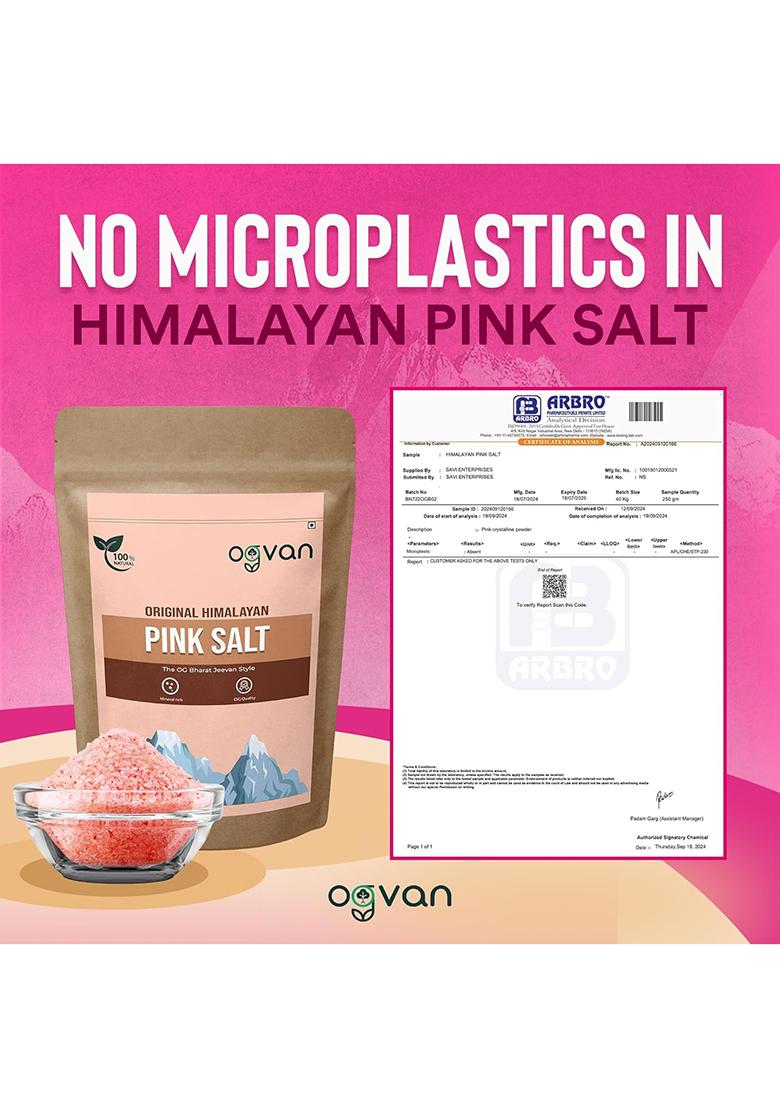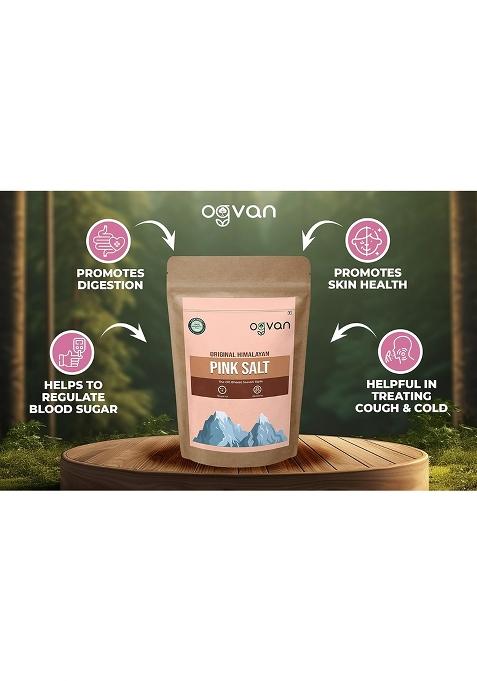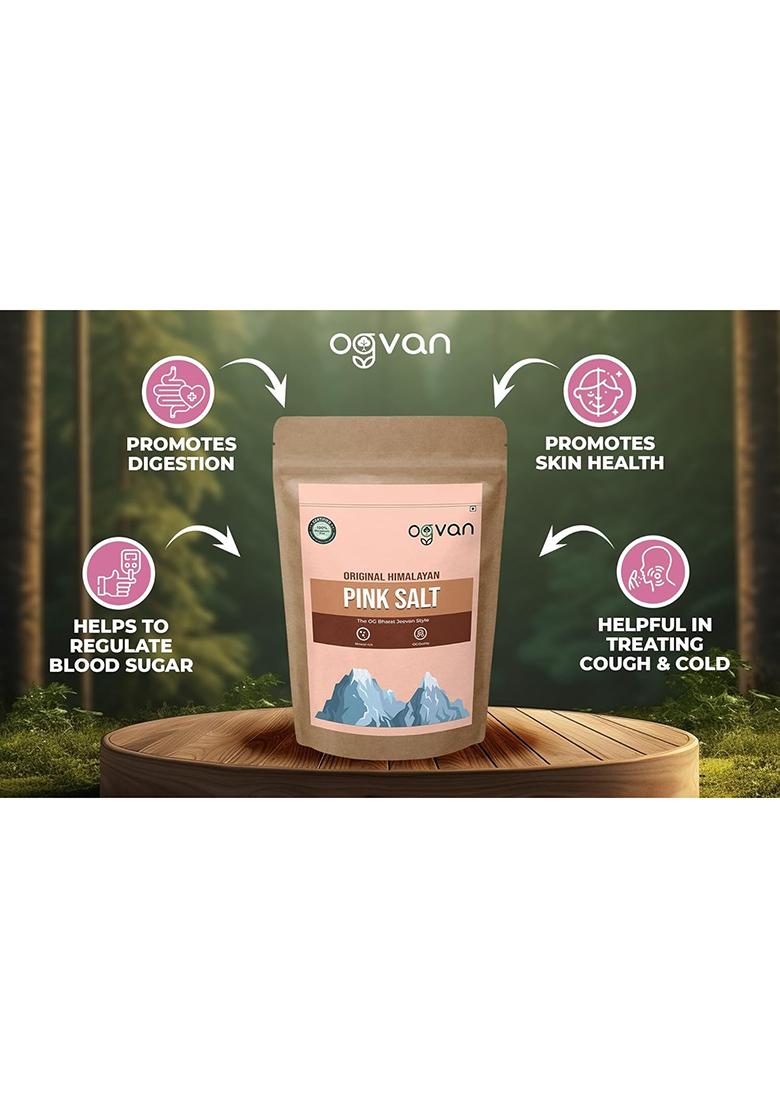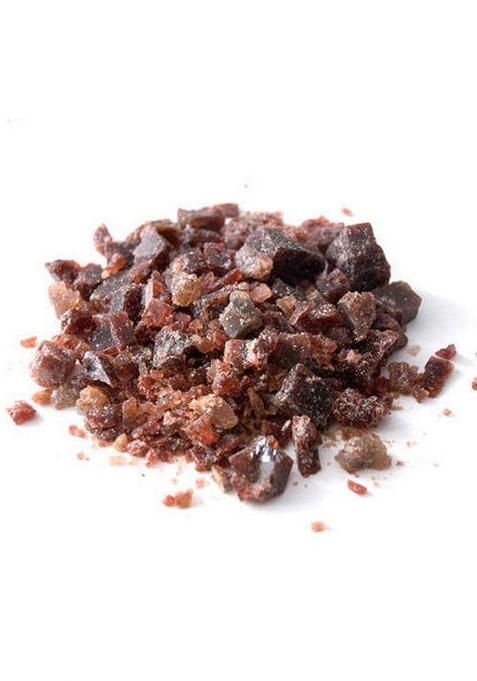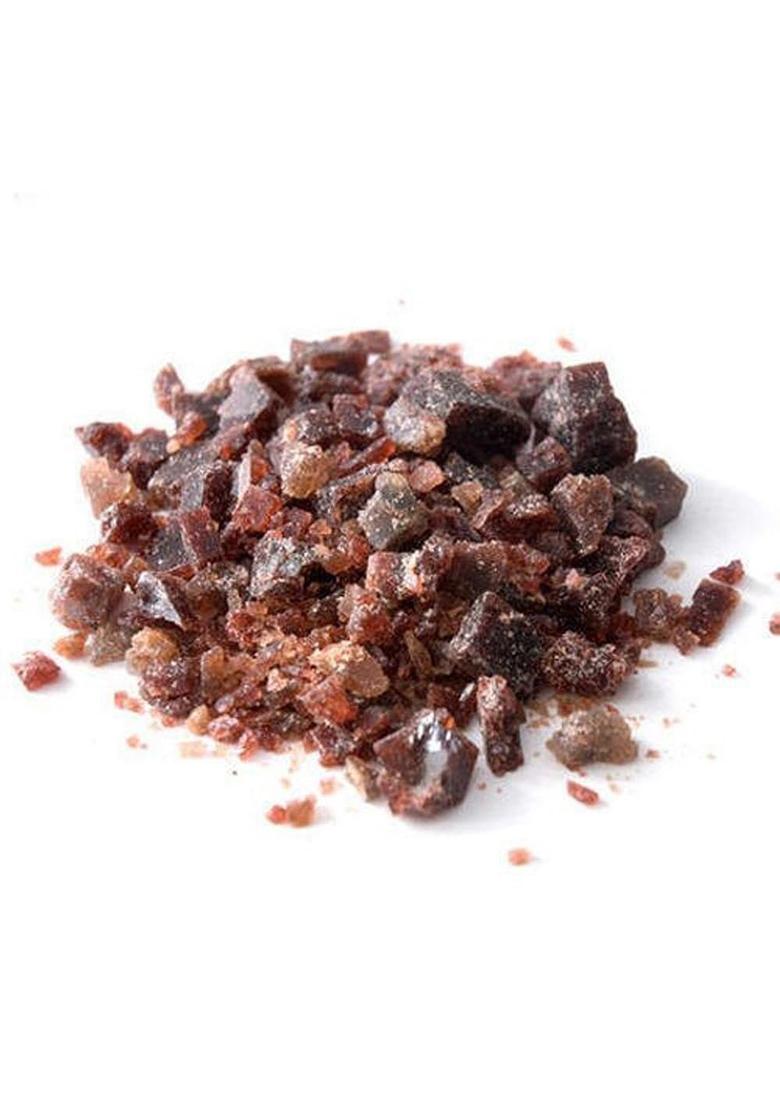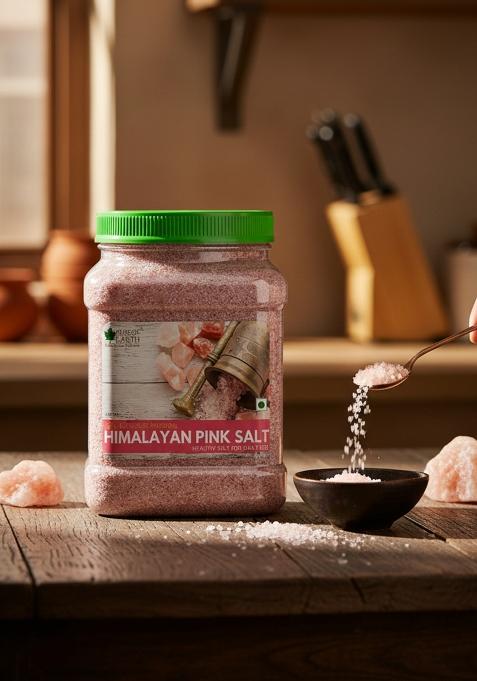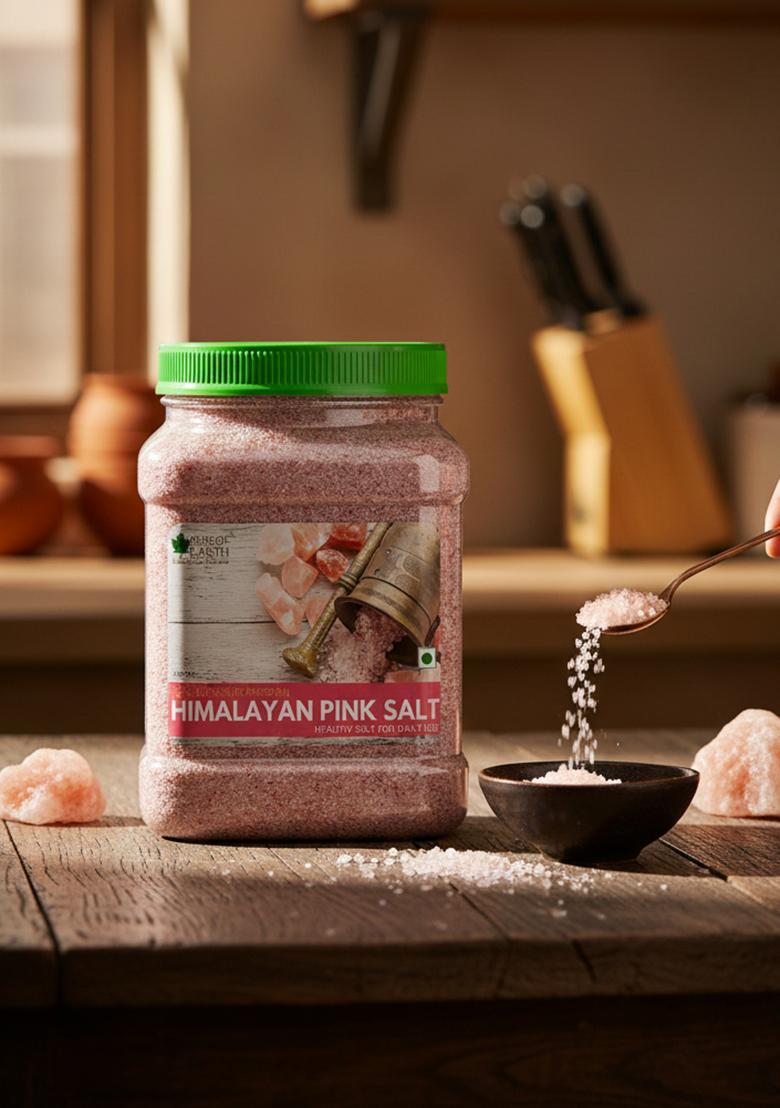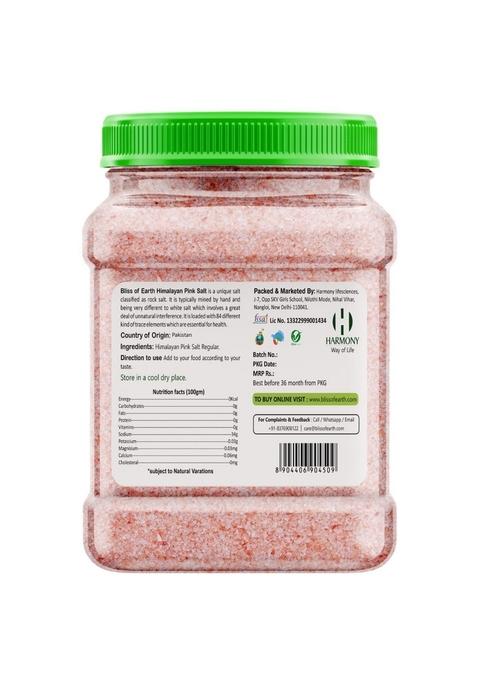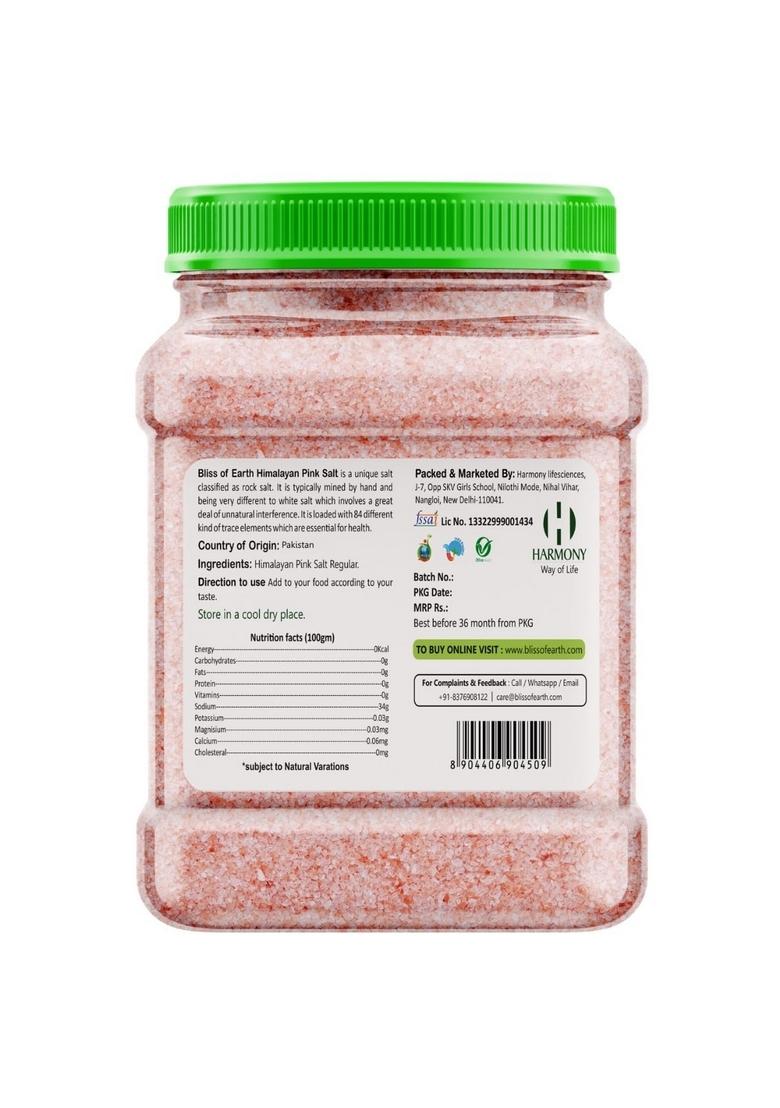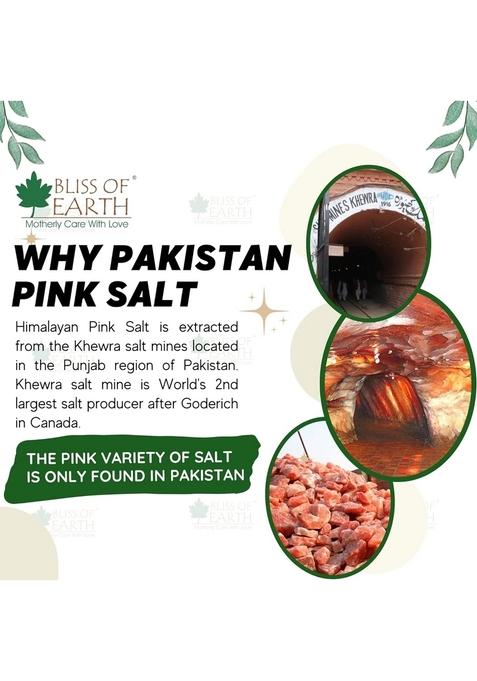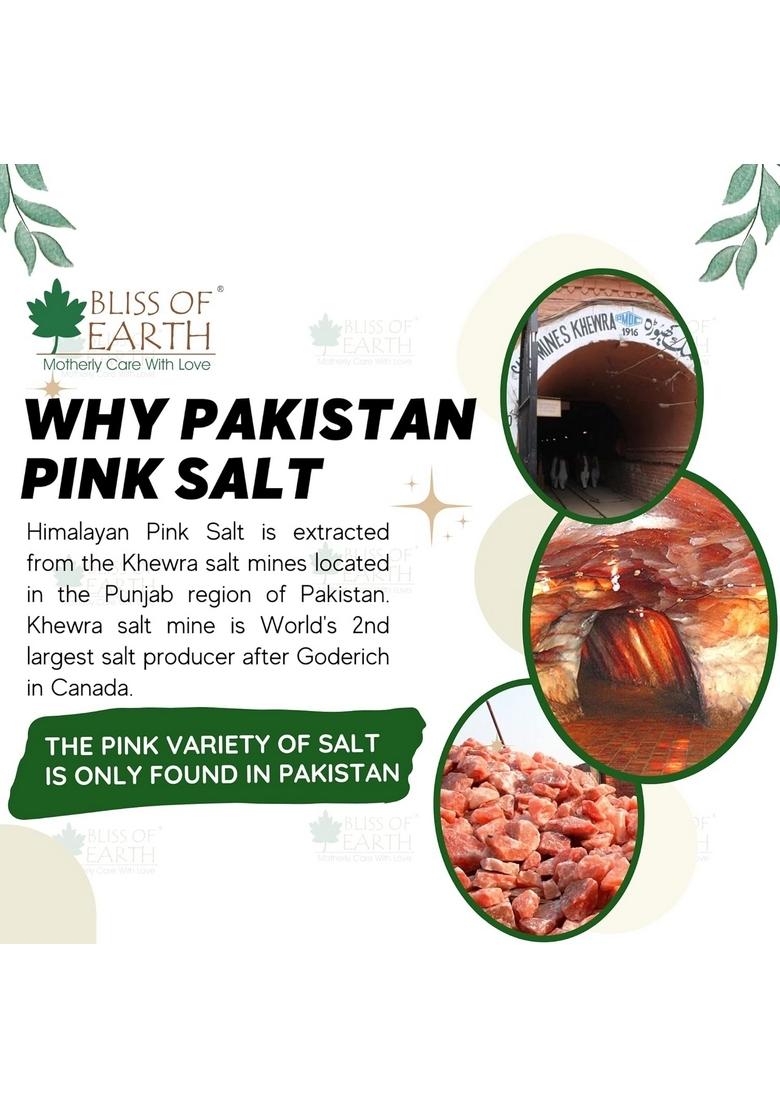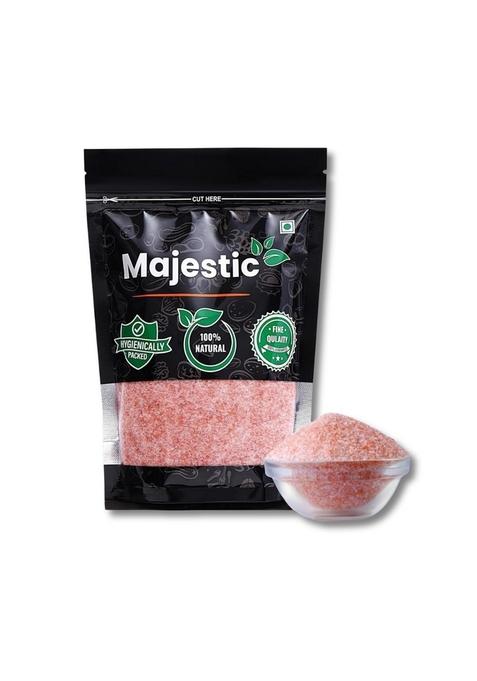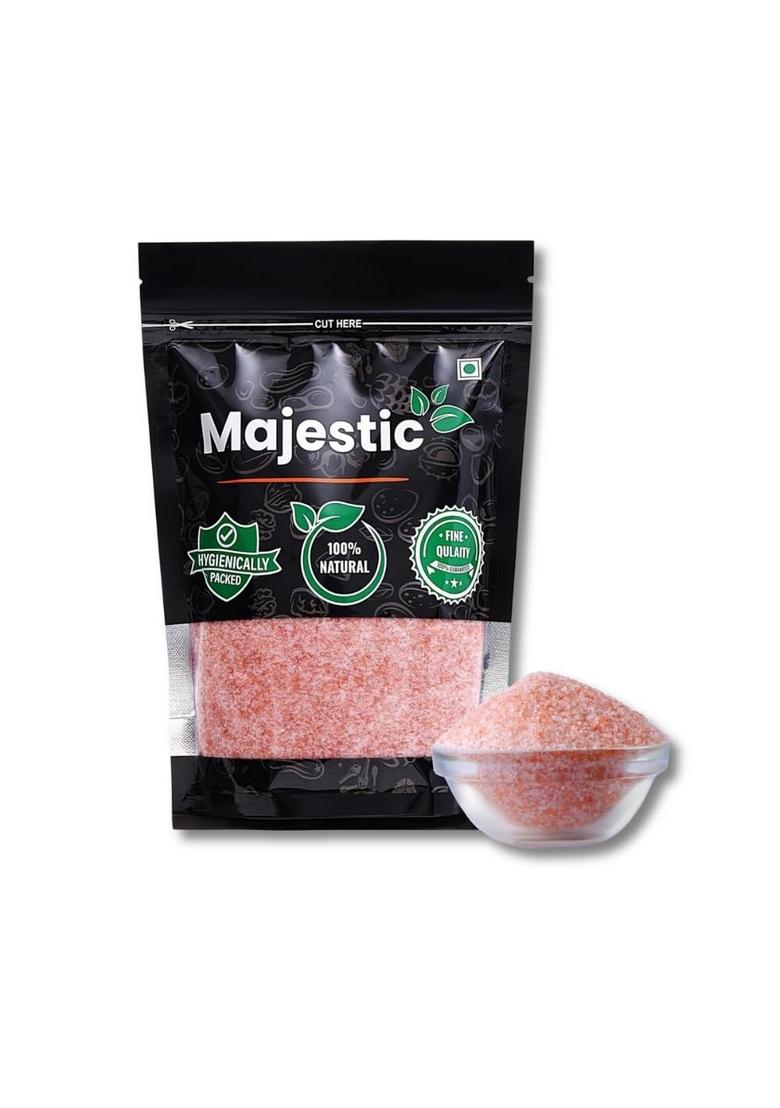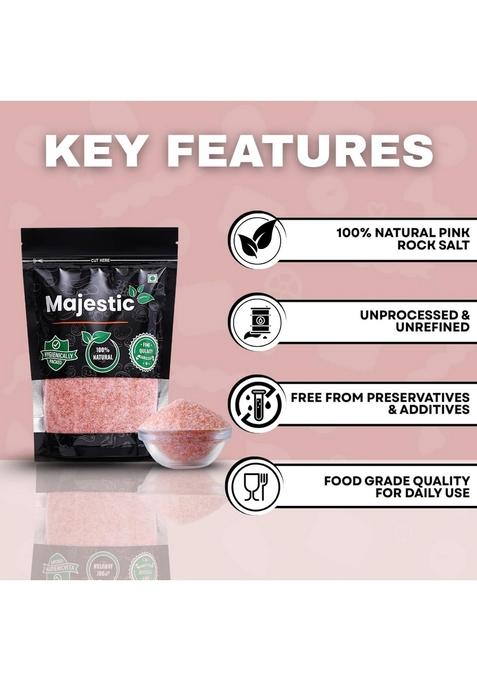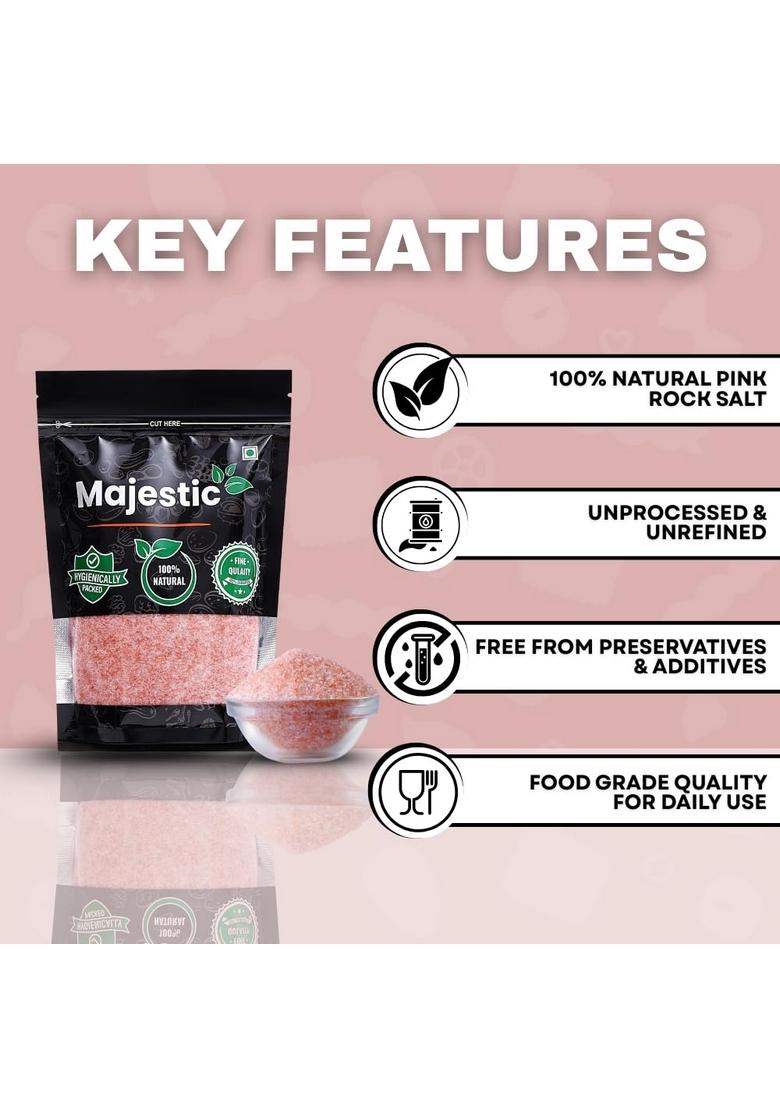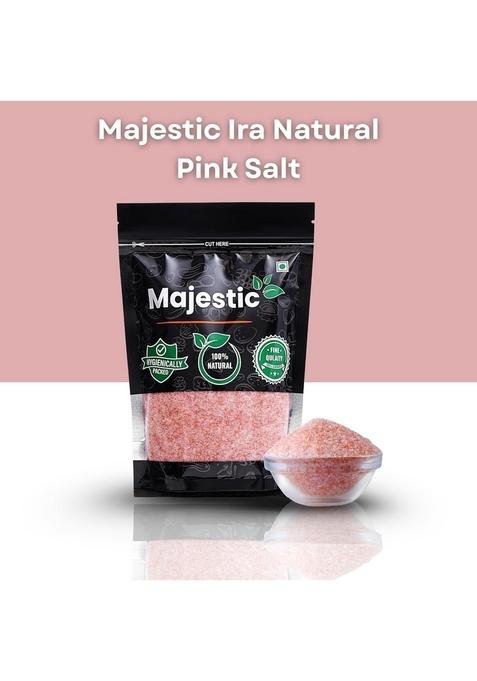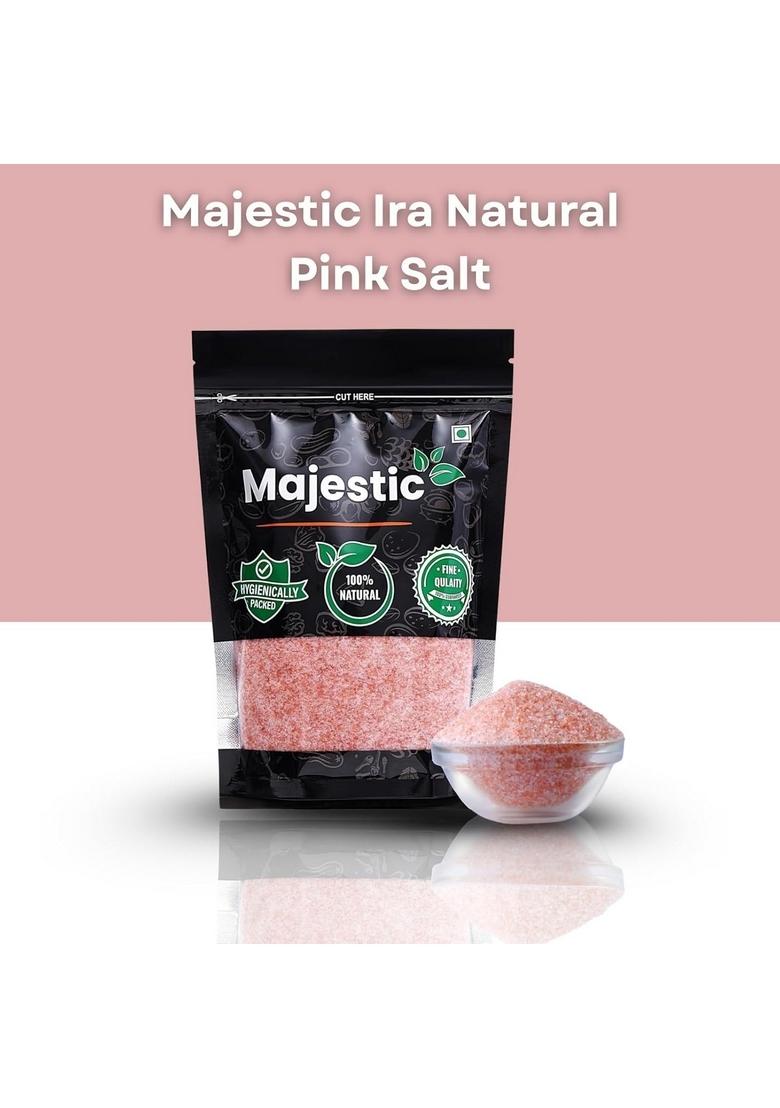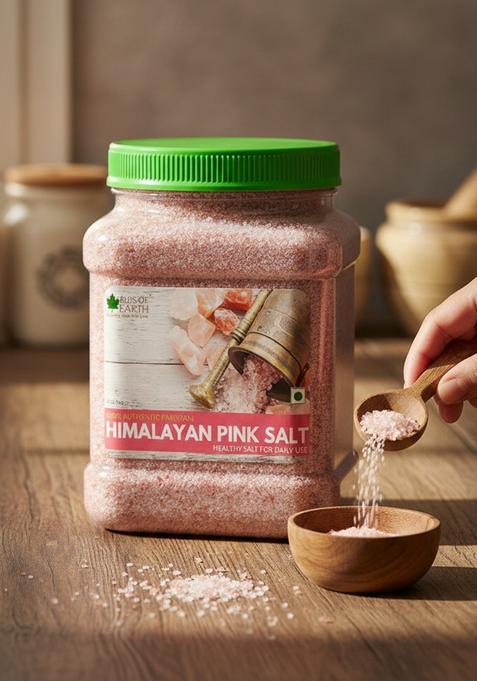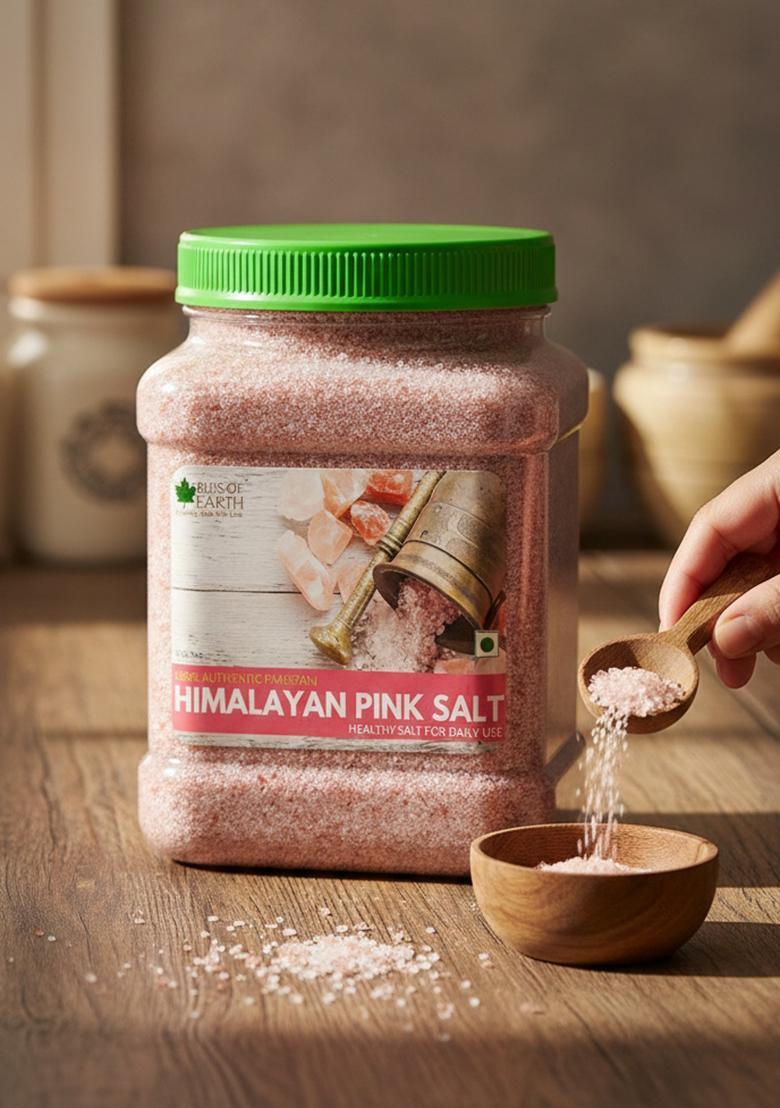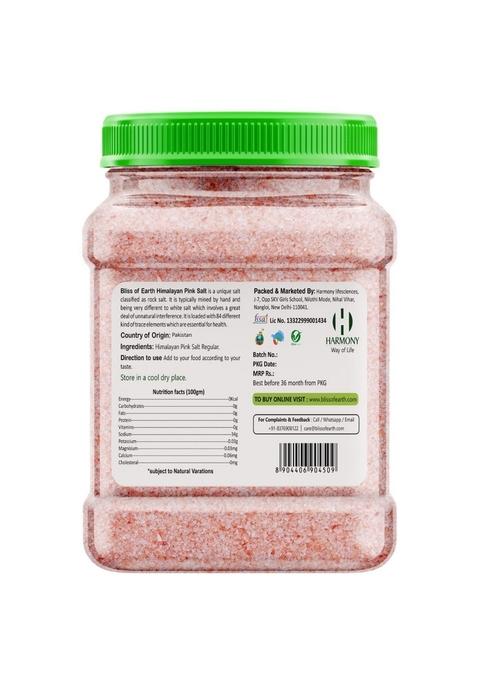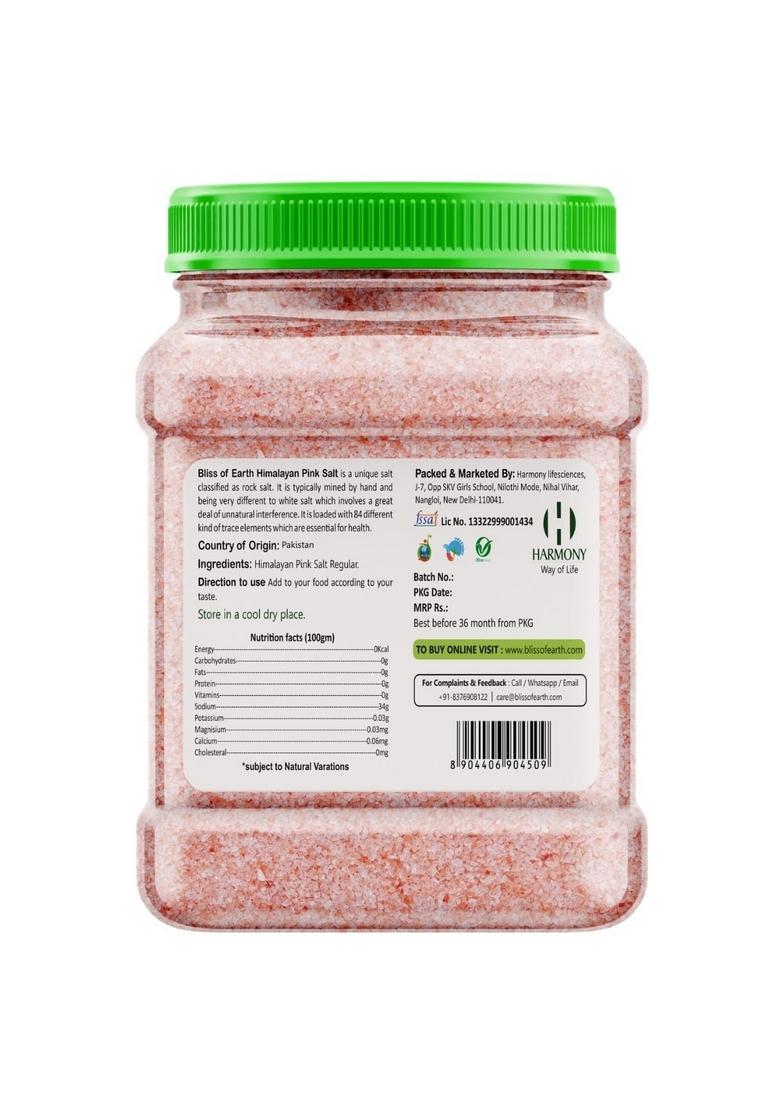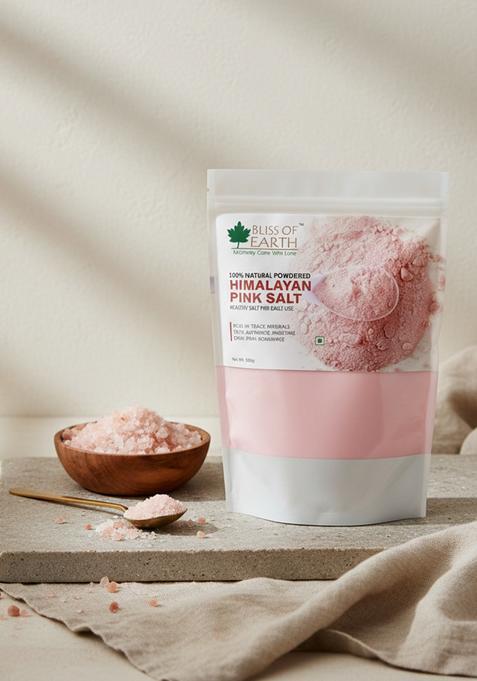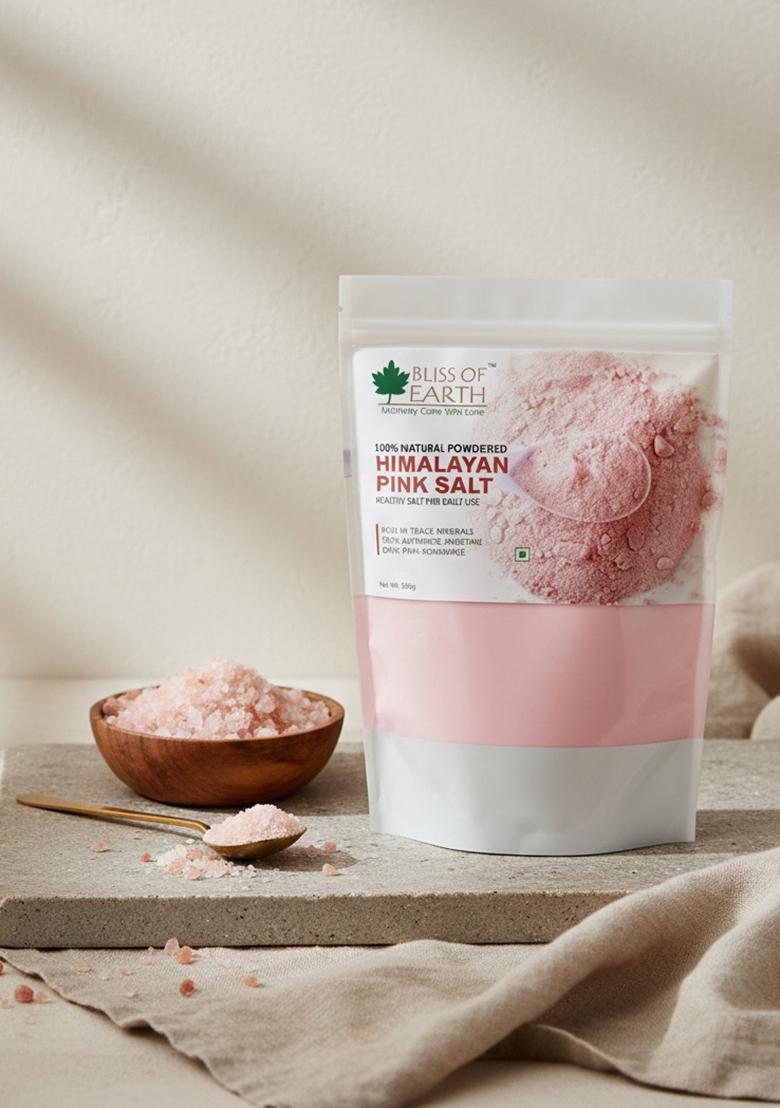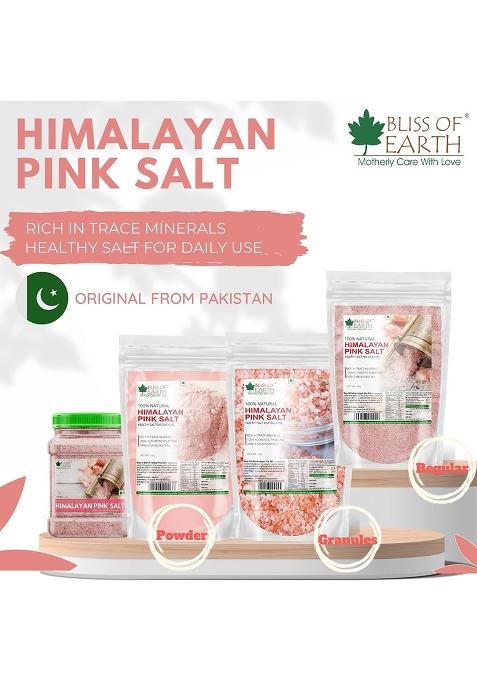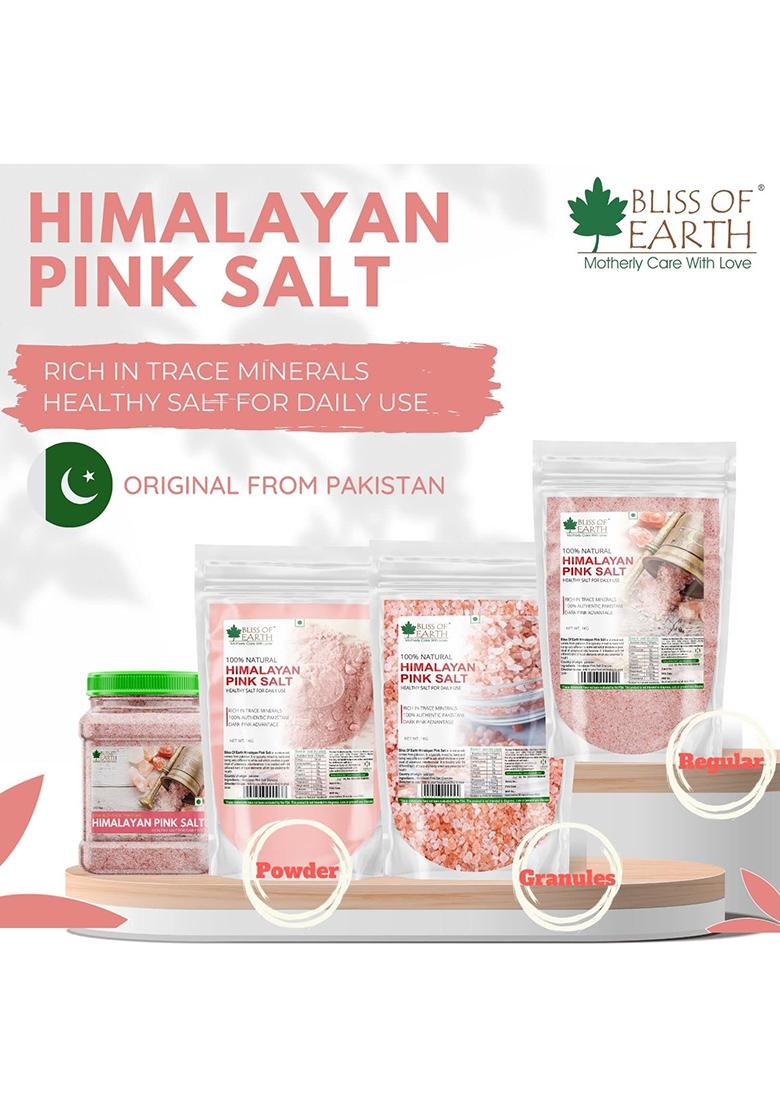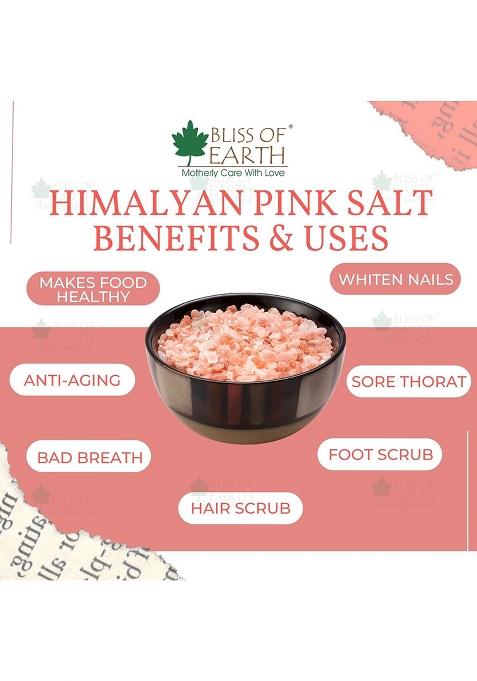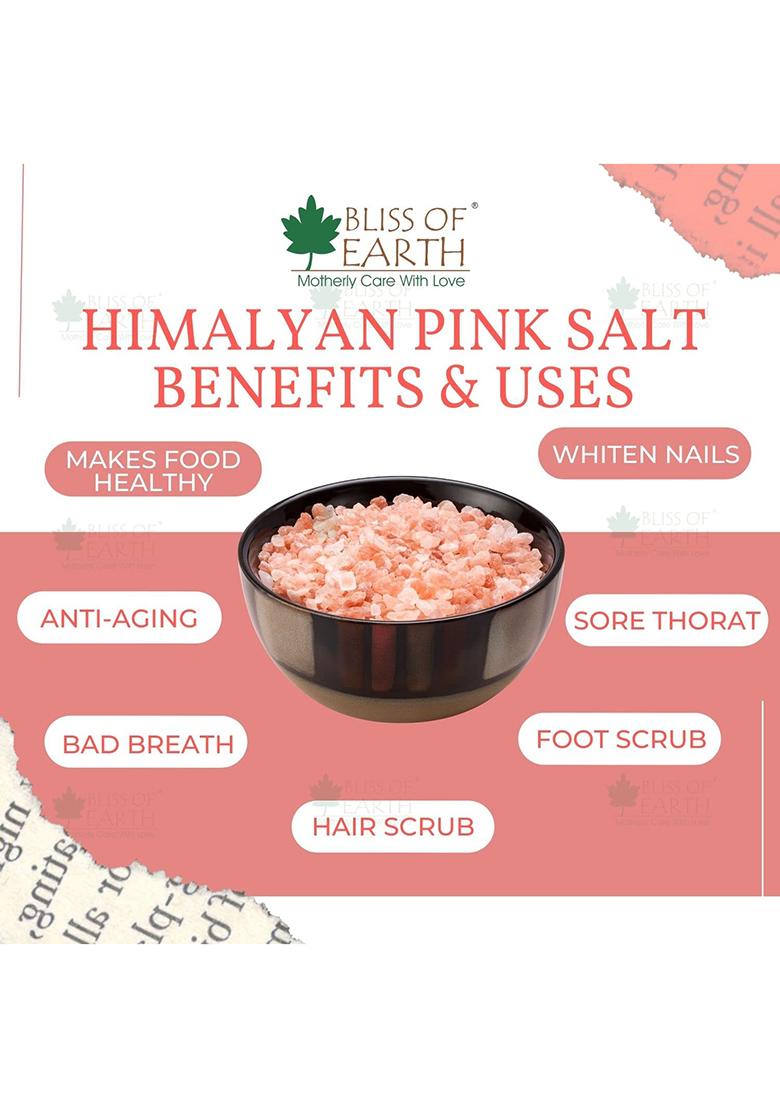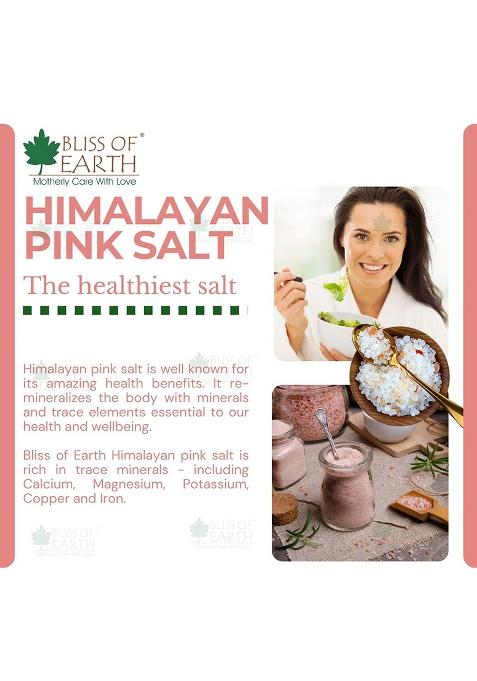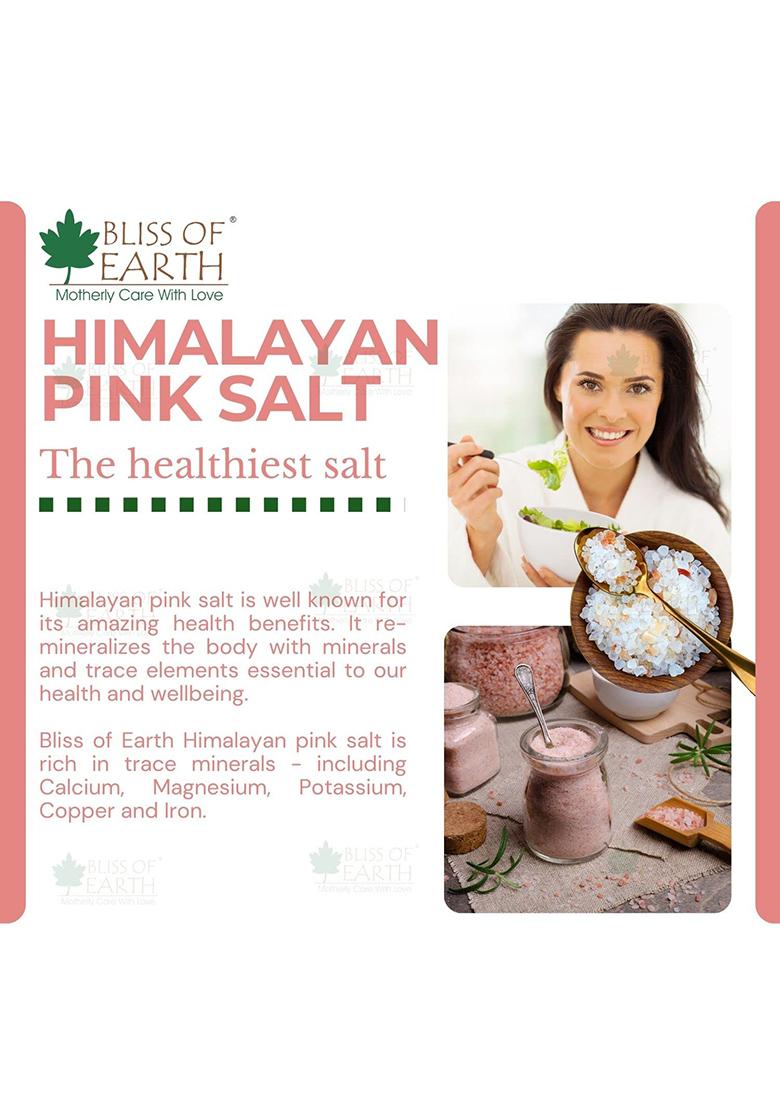

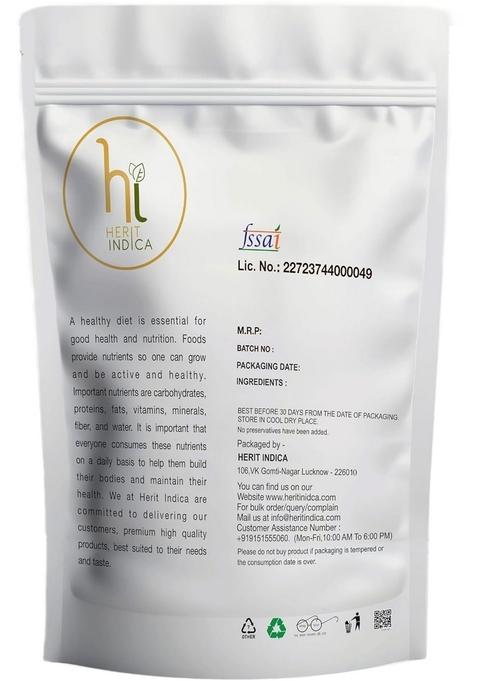
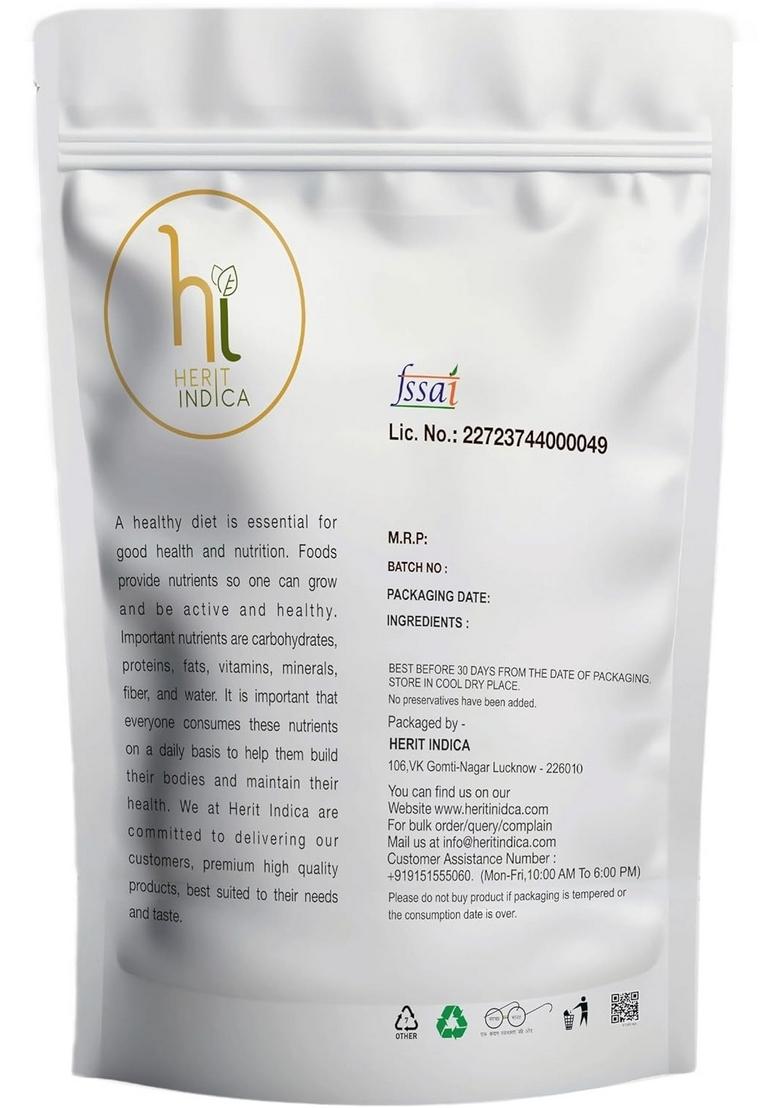



The best rock salt for cooking and wellness use is pure, mineral-rich, and free from additives. Rock salt, also known as sendha namak or Himalayan salt, enhances flavor while supporting hydration and digestion. In the first 100 words, we answer your query directly: the ideal rock salt is one that balances taste and health benefits, making it suitable for everyday cooking and holistic well-being.
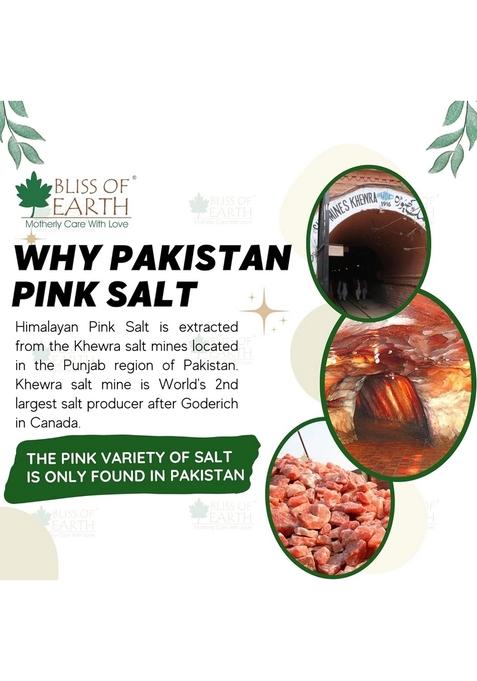
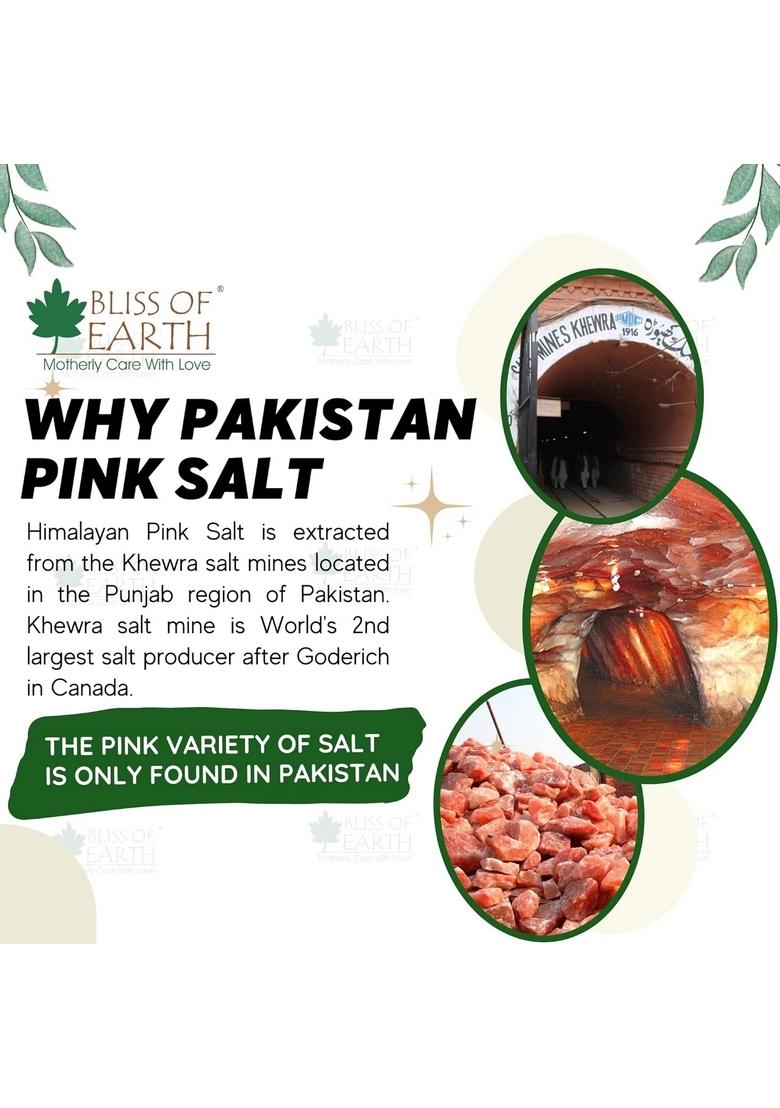
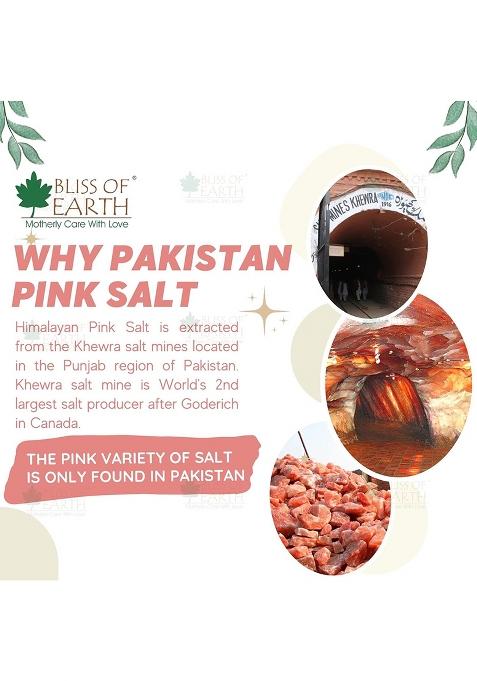
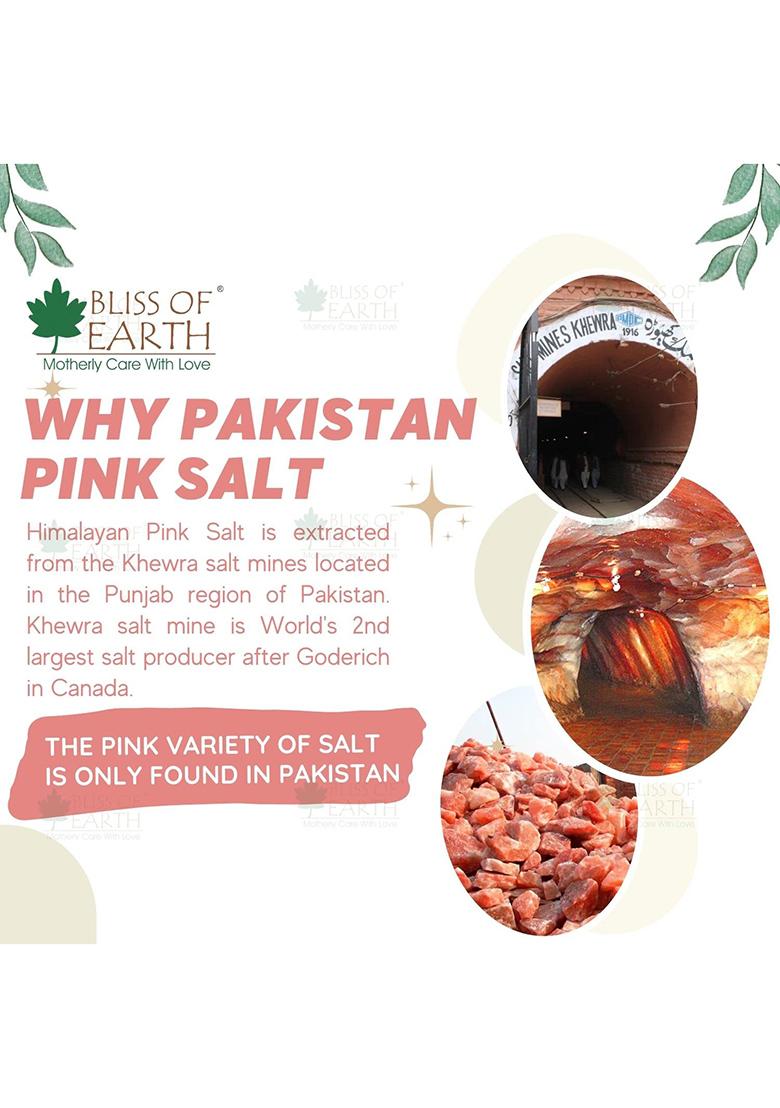
Rock salt is harvested from ancient salt deposits and contains natural minerals like calcium, magnesium, and potassium. Unlike refined table salt, it is minimally processed and retains trace elements that support body functions. The pink or white crystals are prized for their purity and subtle taste. When used in cooking, they bring out the natural flavors of food without overpowering them.
| Type | Color | Key Features | Best Use |
|---|---|---|---|
| Himalayan Pink Salt | Light to dark pink | Rich in iron and trace minerals | Grilling, seasoning salads, finishing dishes |
| Sendha Namak | White to off-white | Traditional Indian fasting salt, naturally pure | Cooking during fasts, Ayurvedic recipes |
| Kala Namak | Dark brown to black | Sulfuric flavor, aids digestion | Chaats, chutneys, vegan egg flavoring |
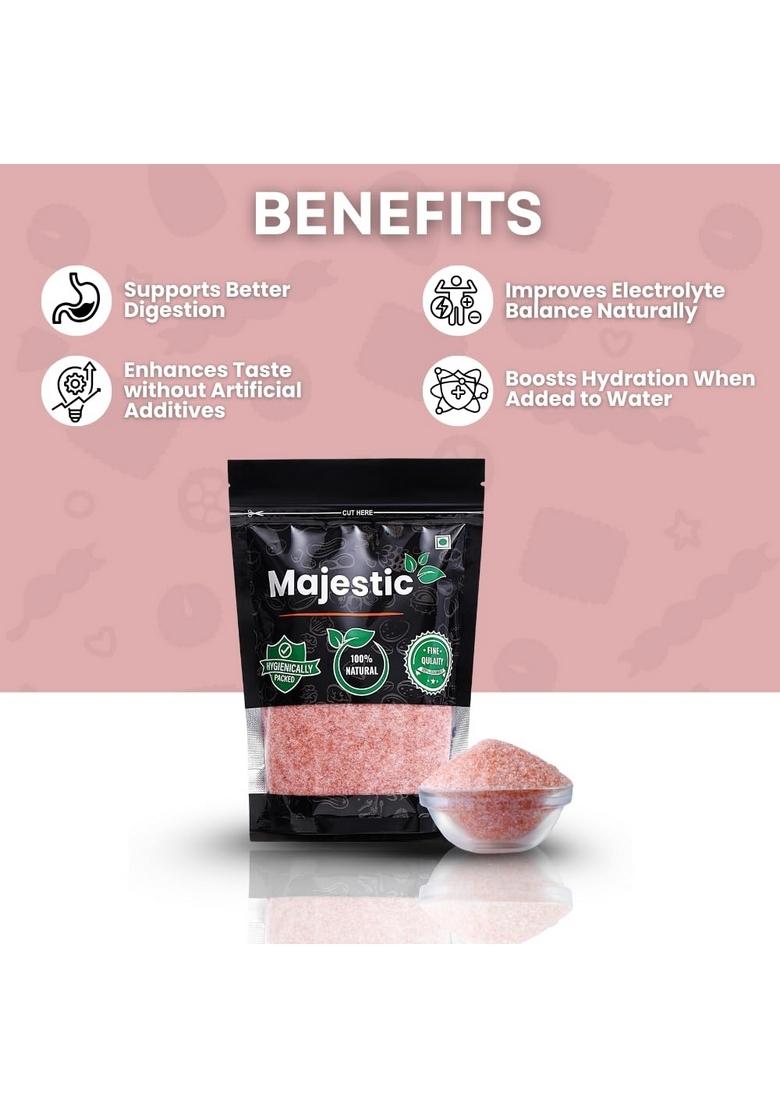
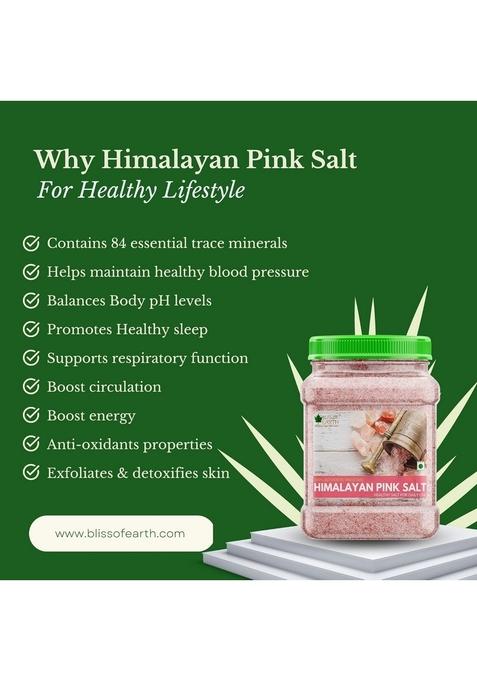
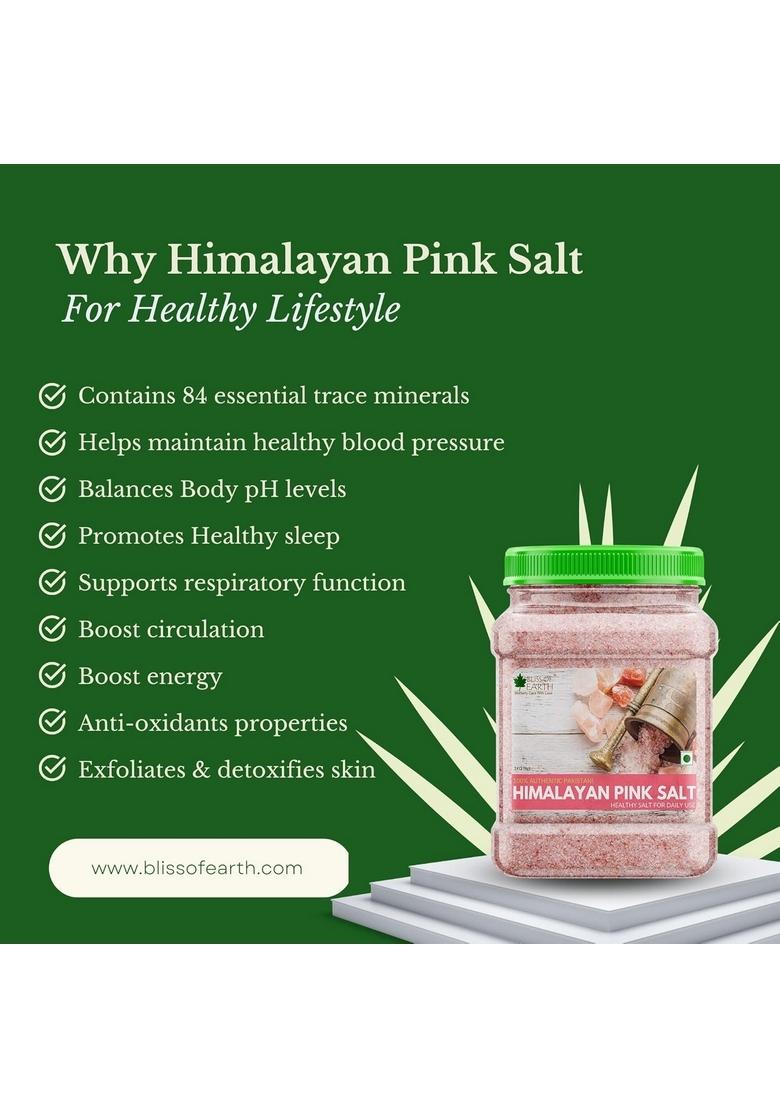
Choosing the best rock salt for cooking and wellness use goes beyond taste. Its mineral content helps maintain electrolyte balance, supports muscle function, and promotes better hydration. Many wellness enthusiasts use rock salt in bath soaks or inhalation therapy because of its soothing qualities. In Ayurveda, sendha namak is considered cooling and beneficial for digestion.
Rock salt can replace table salt in most recipes. You can grind it for fine seasoning or use coarse crystals for texture. It is excellent for marinating meats, seasoning vegetables, and enhancing baked goods. A pinch in beverages like lemonade or buttermilk restores electrolytes naturally.
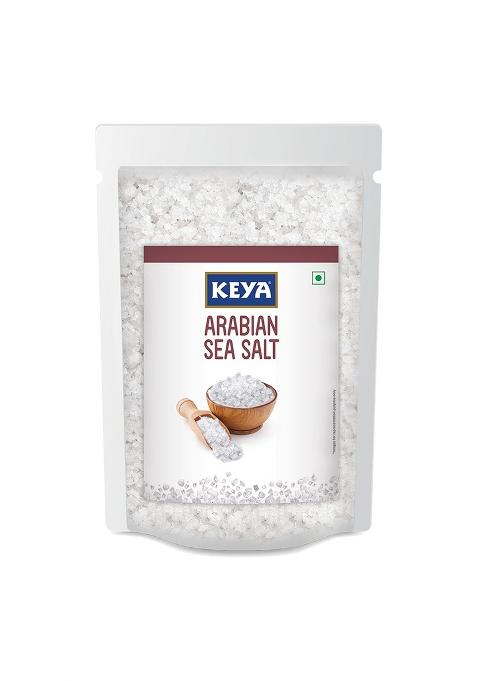
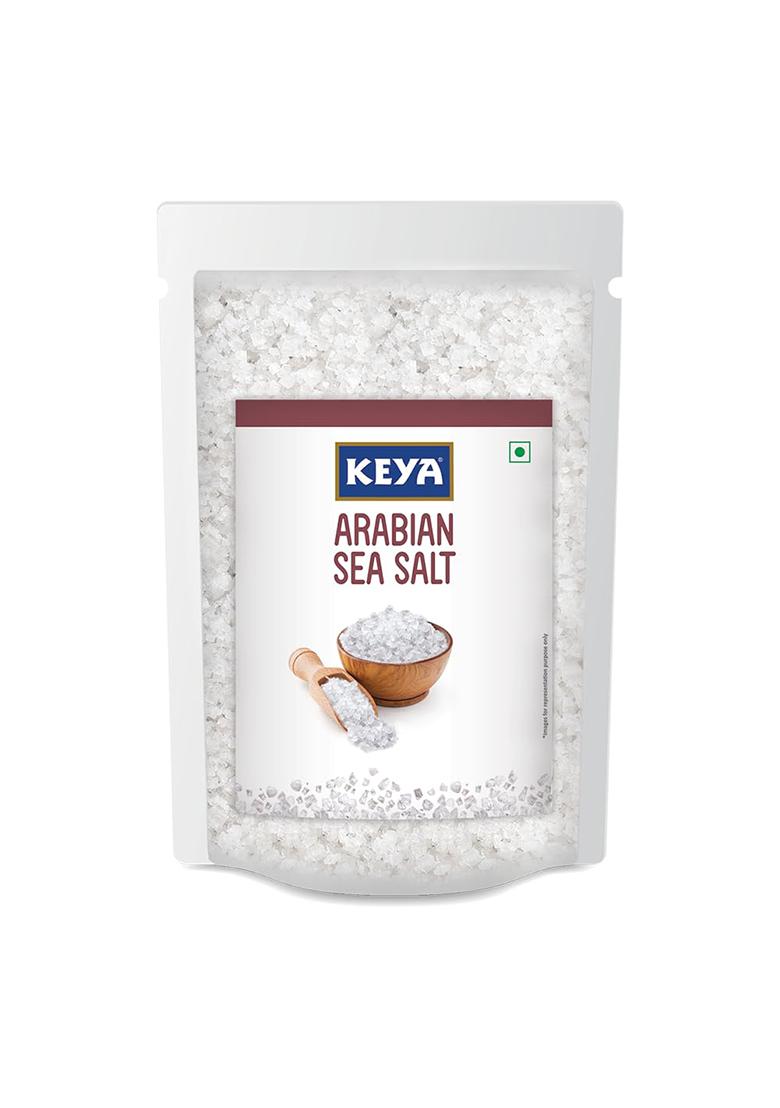
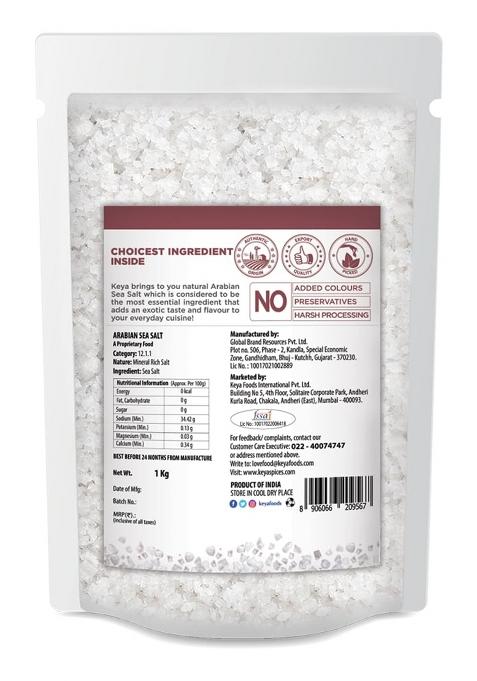
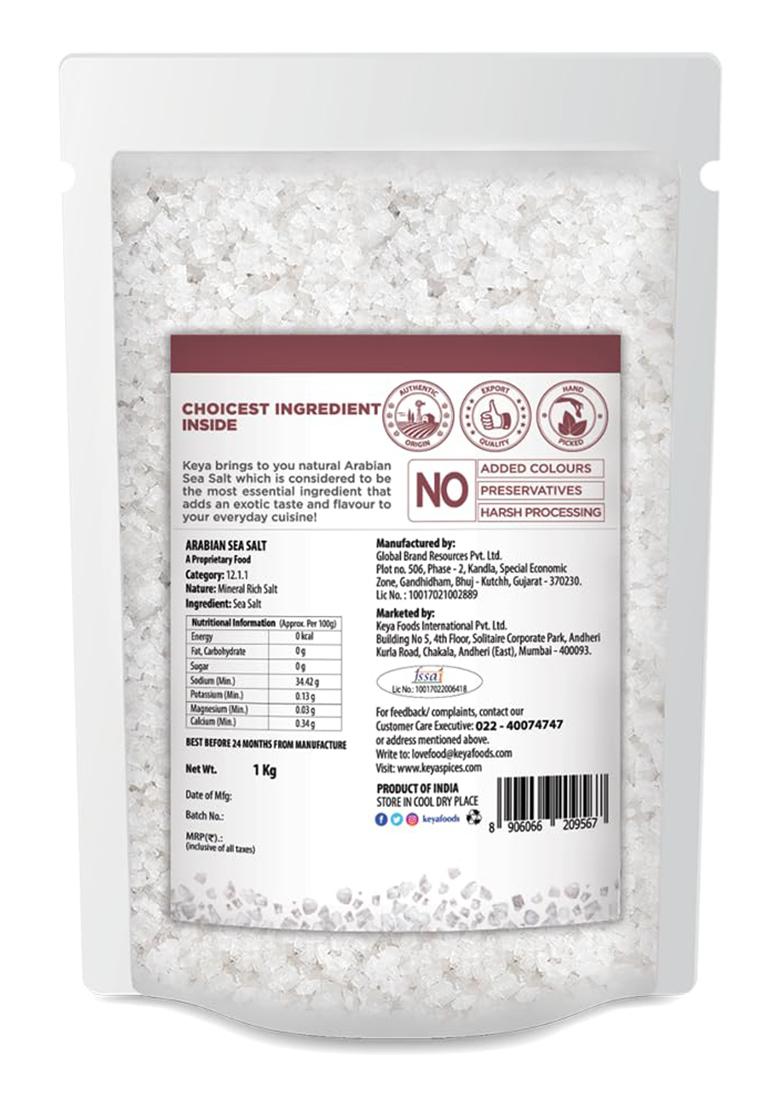
When selecting rock salt, look for unrefined, food-grade varieties. Avoid products that contain anti-caking agents or artificial colors. Transparent packaging and origin labeling help verify authenticity. Himalayan and Indian rock salts are known for their purity and mineral composition.
| Criteria | What to Look For | Why It Matters |
|---|---|---|
| Purity | No additives or chemicals | Ensures natural mineral balance |
| Granule Size | Fine or coarse depending on use | Controls flavor and texture |
| Origin | Authentic Himalayan or Indian source | Indicates mineral quality |
Use rock salt sparingly, as its flavor is more pronounced than refined salt. Store it in a dry container to prevent clumping. For wellness, dissolve a teaspoon in warm water for a gentle detox drink or use in salt lamps to purify indoor air.
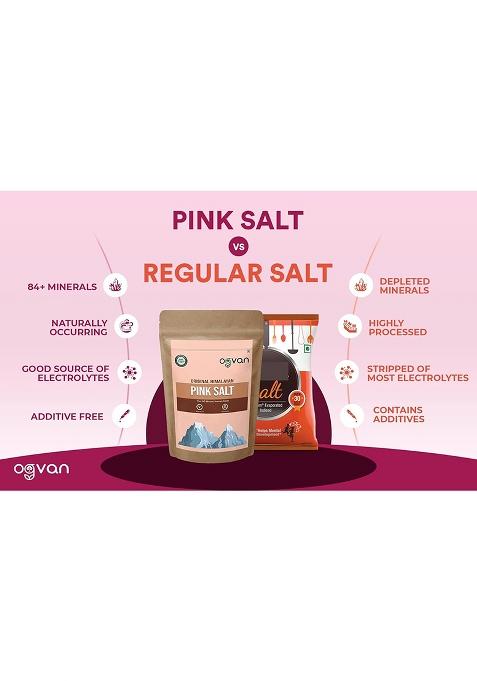
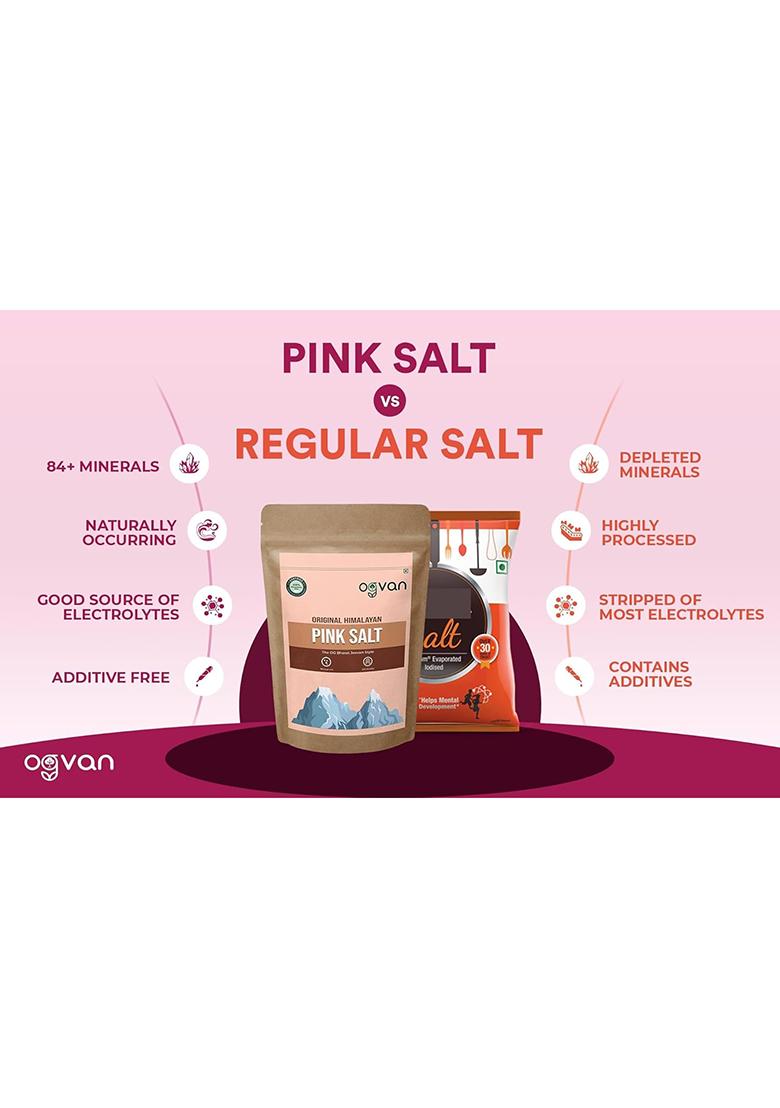
Rock salt is less processed and naturally rich in minerals, while table salt often loses nutrients during refining. The coarse texture of rock salt helps in slow flavor release, making it ideal for gourmet cooking. Table salt is cheaper but lacks the wellness benefits of natural rock salt.
| Feature | Rock Salt | Table Salt |
|---|---|---|
| Processing | Minimal | Highly refined |
| Mineral Content | High | Low |
| Taste | Subtle and earthy | Sharp and plain |
| Wellness Benefits | Supports hydration and digestion | Limited |
Rock salt is stable and can last indefinitely if stored correctly. Keep it away from moisture and direct sunlight. Use airtight containers to maintain texture and prevent contamination.
To find the best rock salt for cooking and wellness use, start by checking product labels and sourcing details. Compare mineral content and texture before buying. For holistic kitchen upgrades, explore traditional cookware and wellness-inspired ingredients that pair well with rock salt. You can also learn about natural salts used in Ayurveda and modern healthy recipes.
Explore more culinary essentials and wellness accessories curated for mindful living.
House of Indya is a modern Indian brand known for blending traditional design with contemporary aesthetics. Our collections celebrate mindful living, offering products that combine heritage and modern comfort. Visit House of Indya
The best rock salt for cooking is pure, food-grade Himalayan or Indian sendha namak. It enhances flavor naturally and adds essential minerals to meals.
Rock salt supports wellness by maintaining electrolyte balance, aiding digestion, and helping hydration. It can also be used in bath therapy for relaxation.
Yes, you can use rock salt daily. It is less processed and contains natural minerals, making it a healthier alternative to refined table salt.
Good quality rock salt is usually pink, white, or off-white. The color variation reflects natural mineral content and purity rather than artificial additives.
They are similar but come from different regions. Both are natural and unrefined, with Himalayan salt known for its pink hue and sendha namak for its purity.
Store rock salt in an airtight container in a cool, dry place. This prevents moisture absorption and helps maintain its crystalline texture for longer.
Rock salt does not expire if kept dry and clean. It is a stable mineral that can last indefinitely without losing flavor or mineral benefits.
Yes, rock salt can be used in scrubs and bath soaks. Its minerals help exfoliate and soothe skin, promoting relaxation and natural cleansing.
House of Indya curates wellness-inspired accessories and home essentials that complement natural ingredients like rock salt for mindful living.
House of Indya offers carefully selected products that blend traditional purity with modern design, helping you create a balanced cooking and wellness routine.