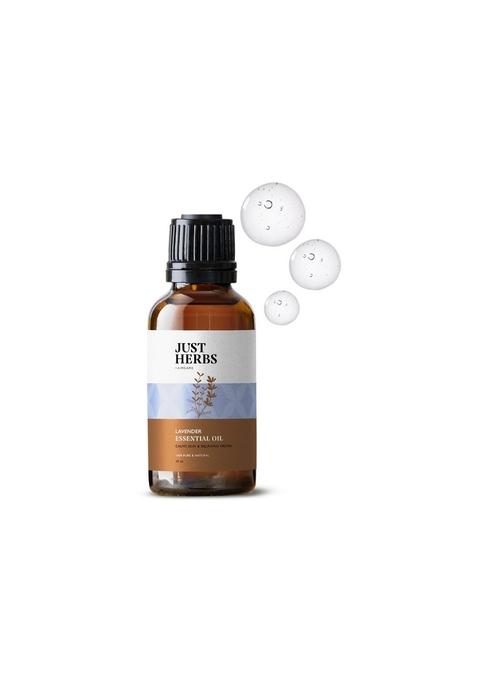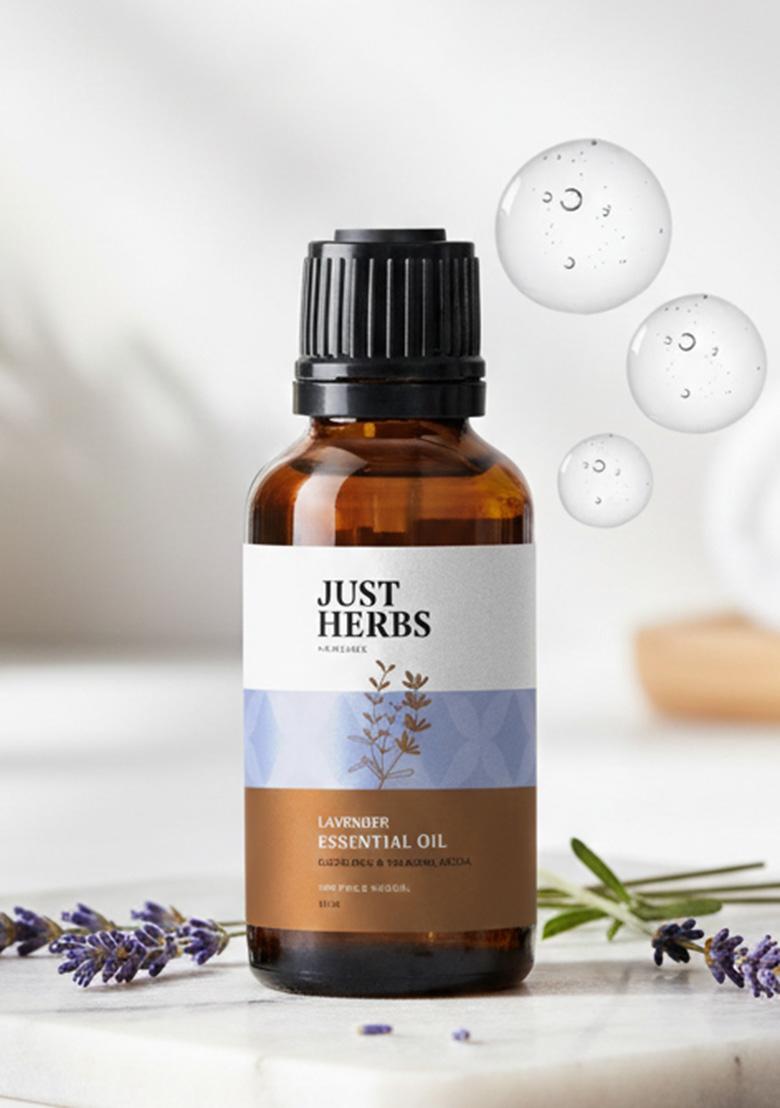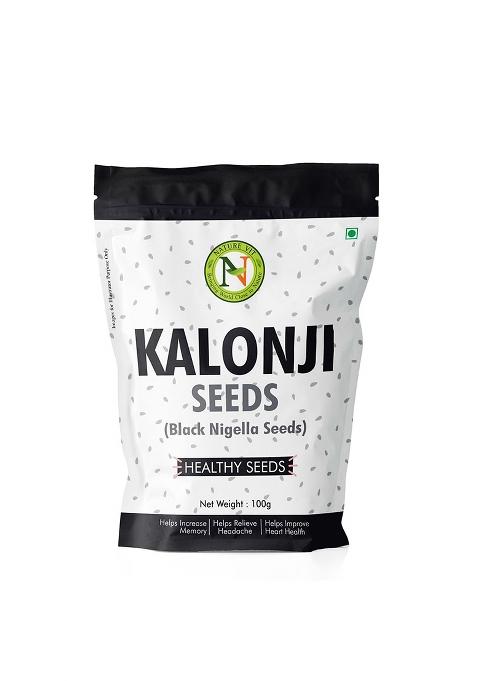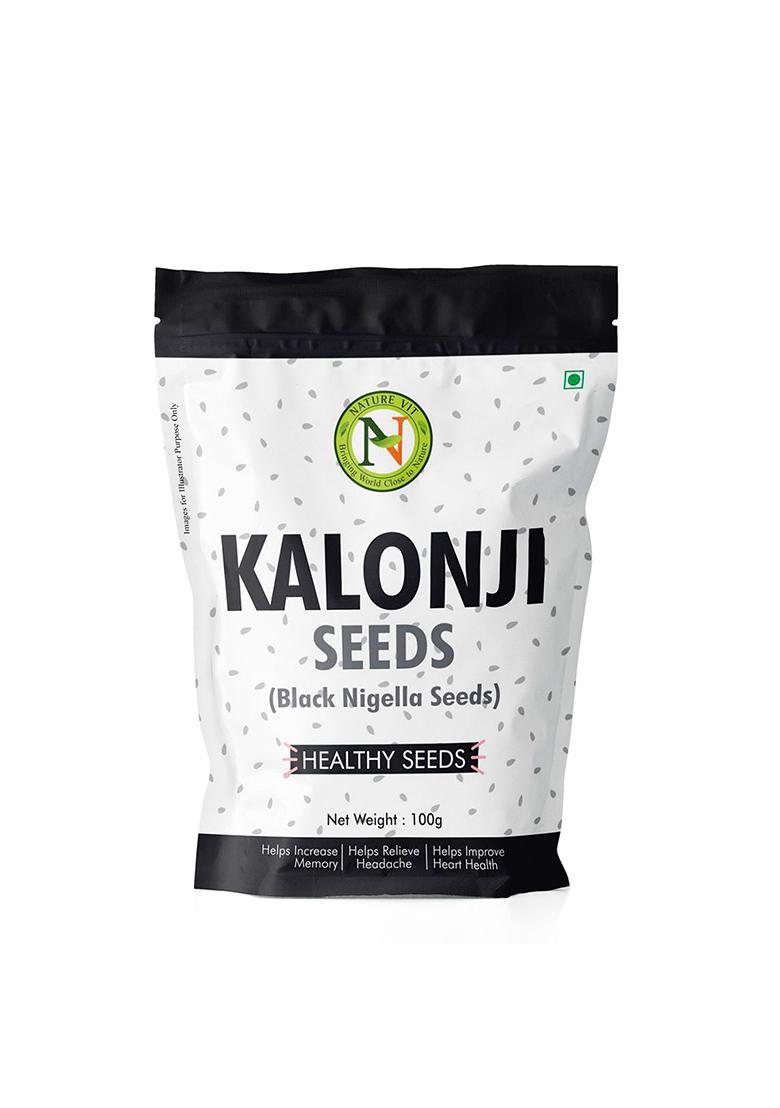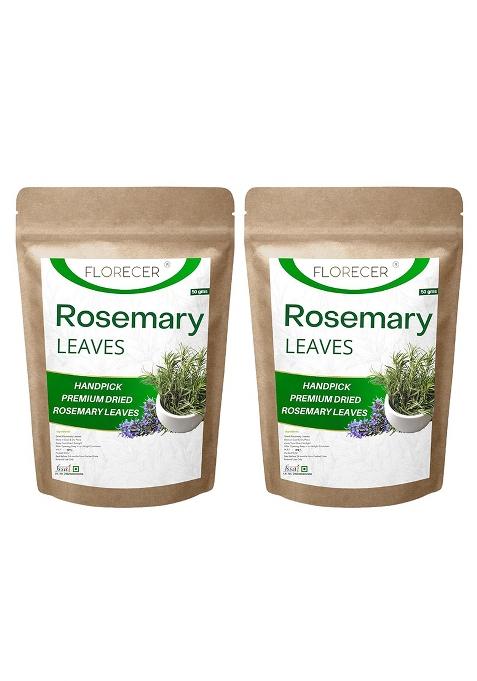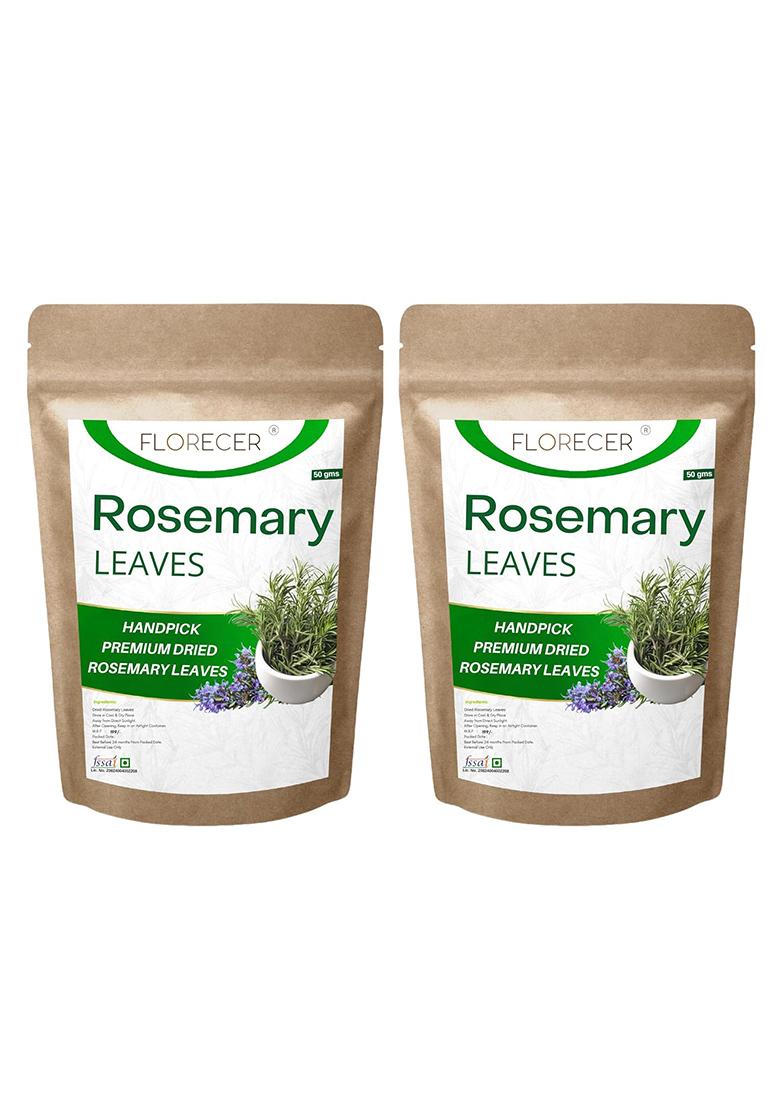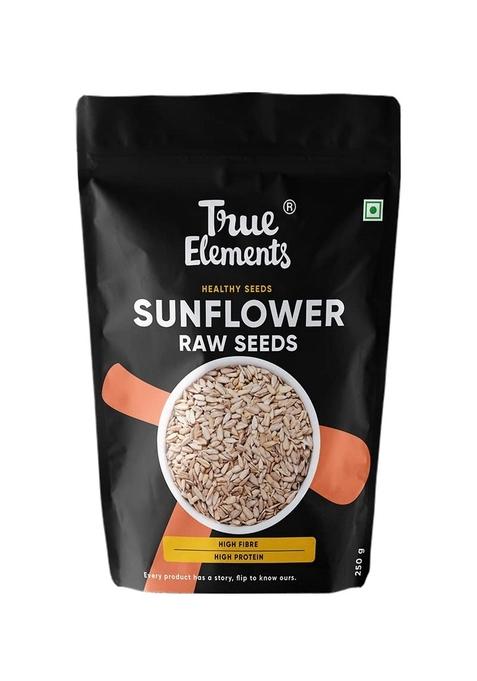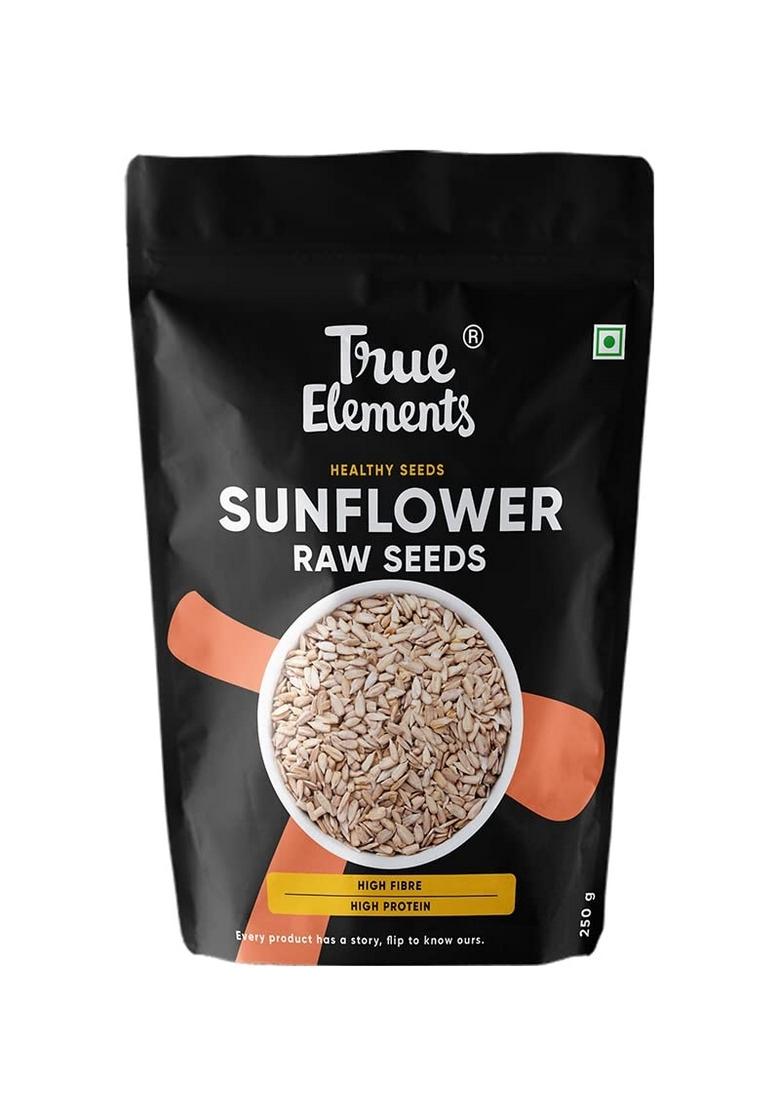

Naturals & Consumatic
$6.70 $7.30
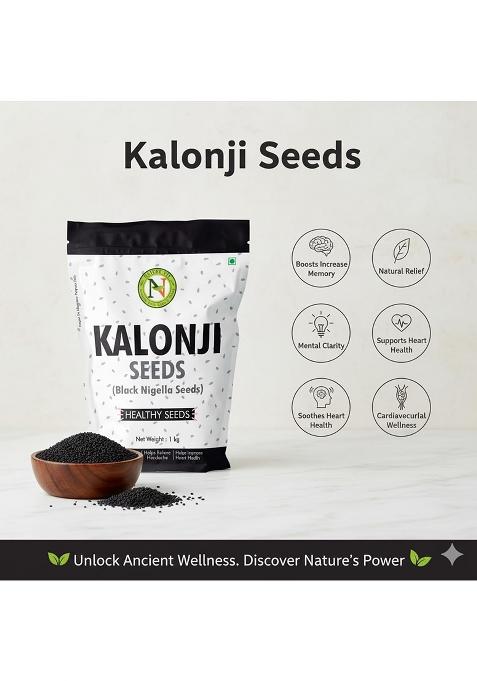
Natural herbs and seeds have been staples in kitchens around the world for centuries. They bring vibrant flavors, aroma, and nutritional value to everyday meals. Whether you're a home cook or an experienced chef, understanding how to use these ingredients can transform simple dishes into memorable experiences.
Natural herbs and seeds are free from additives and preservatives. They offer authentic taste, unique textures, and health benefits. Many are rich in antioxidants, vitamins, and minerals, making them a smart choice for both flavor and wellness.
| Herb | Flavor Profile | Common Uses |
|---|---|---|
| Basil | Sweet, slightly peppery | Pasta, salads, pesto |
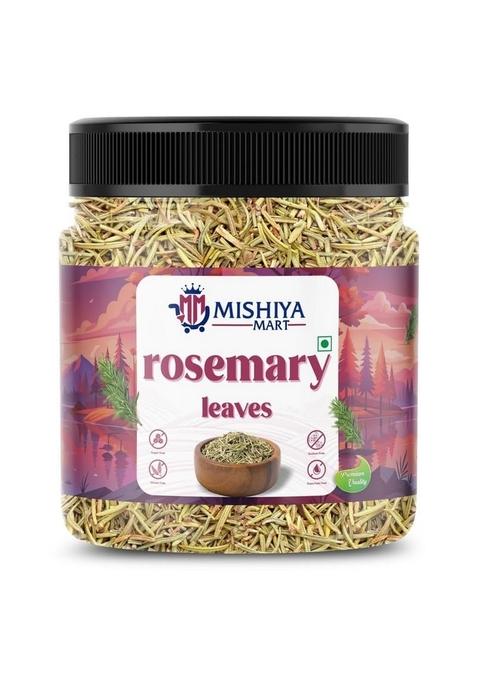
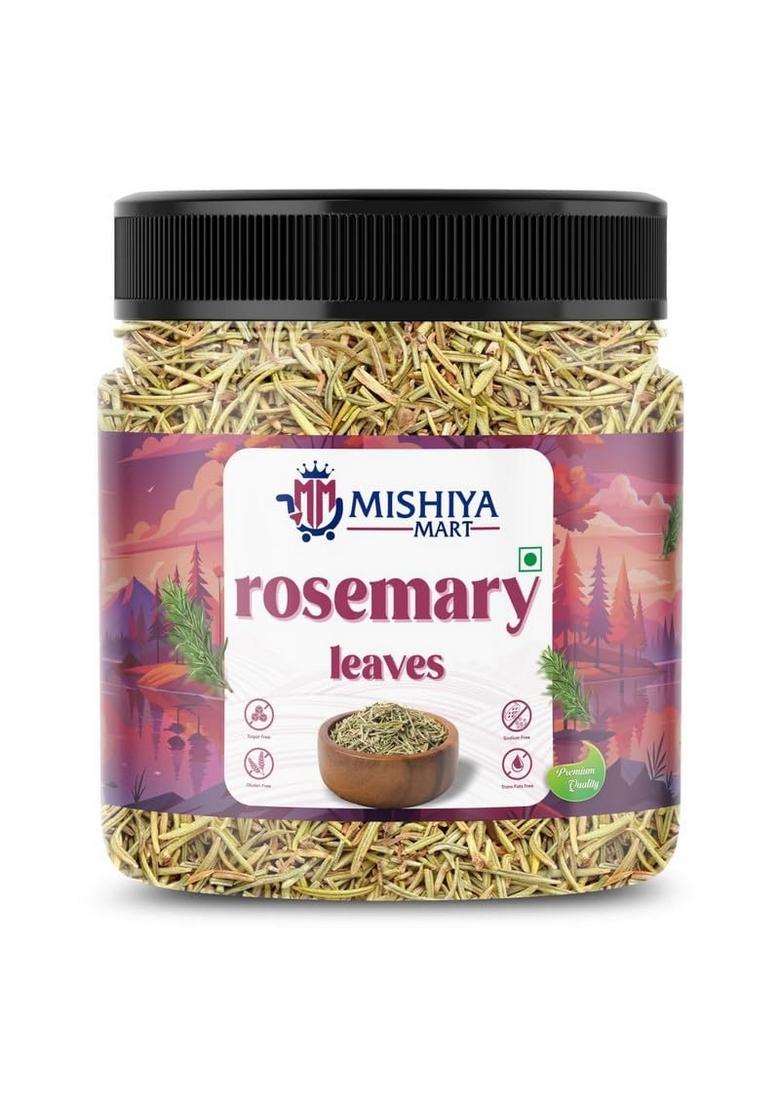
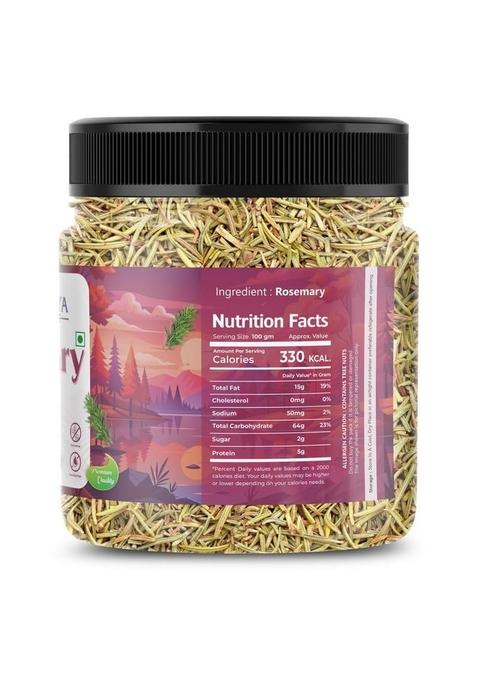
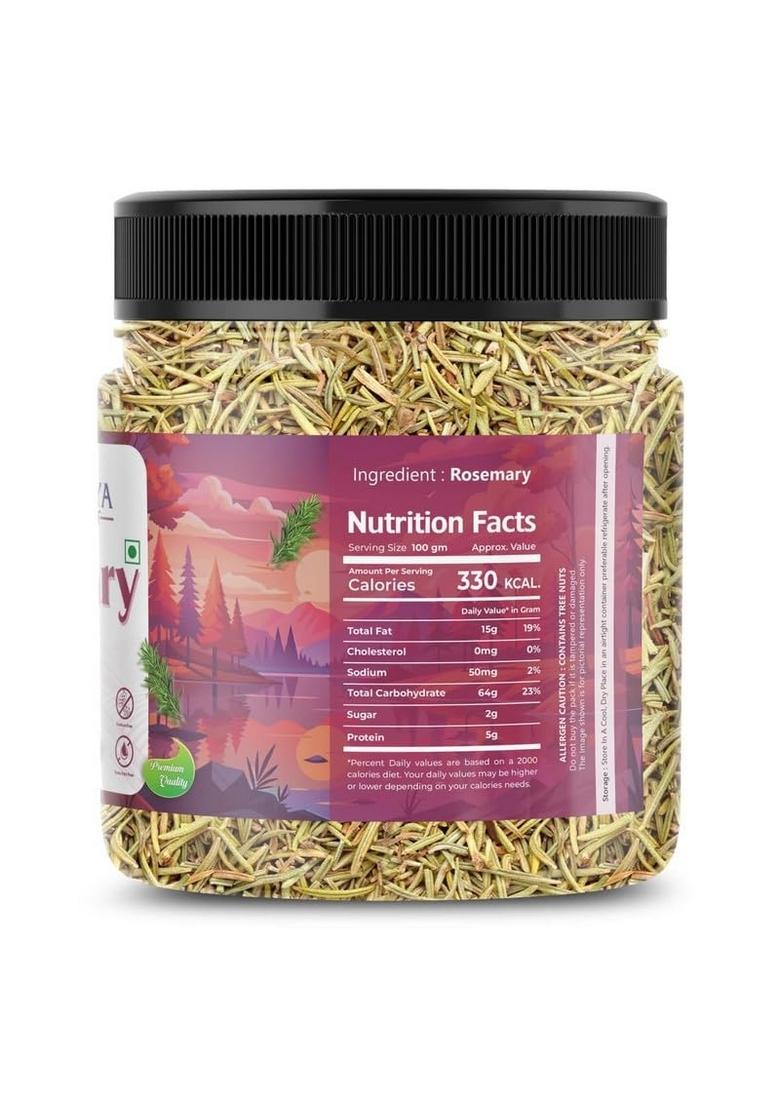
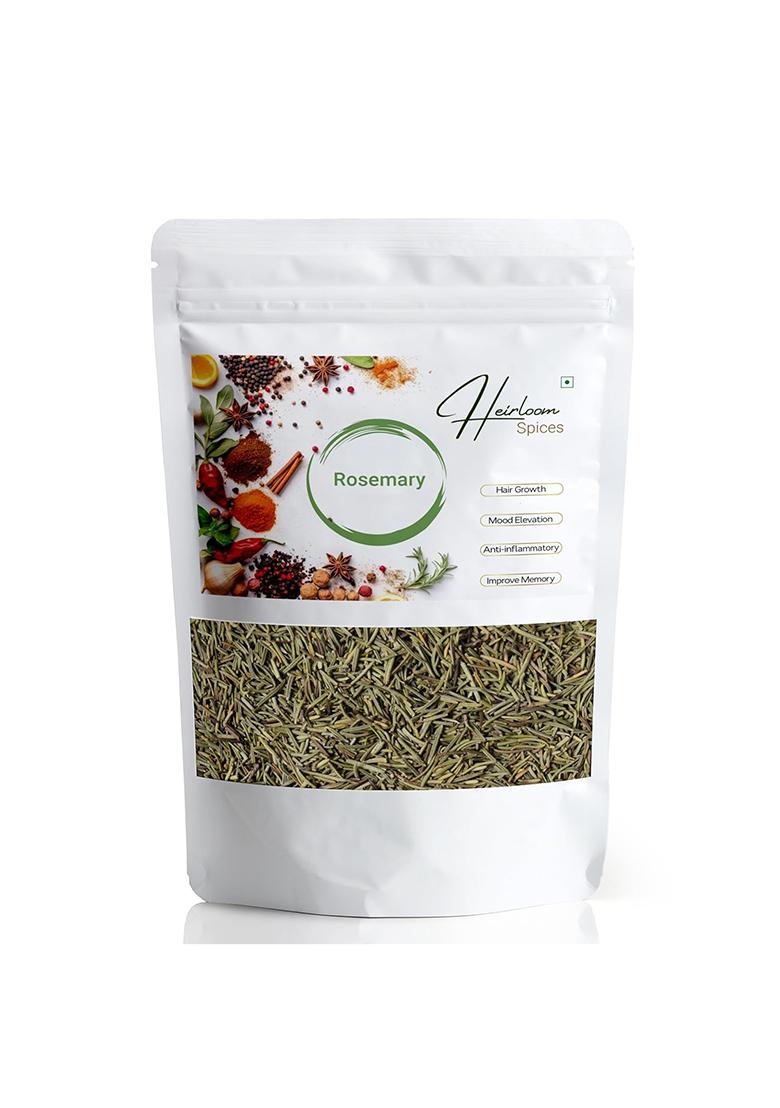
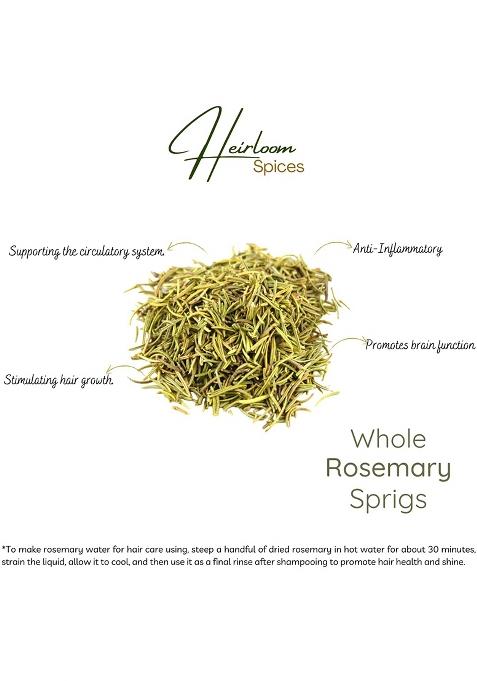
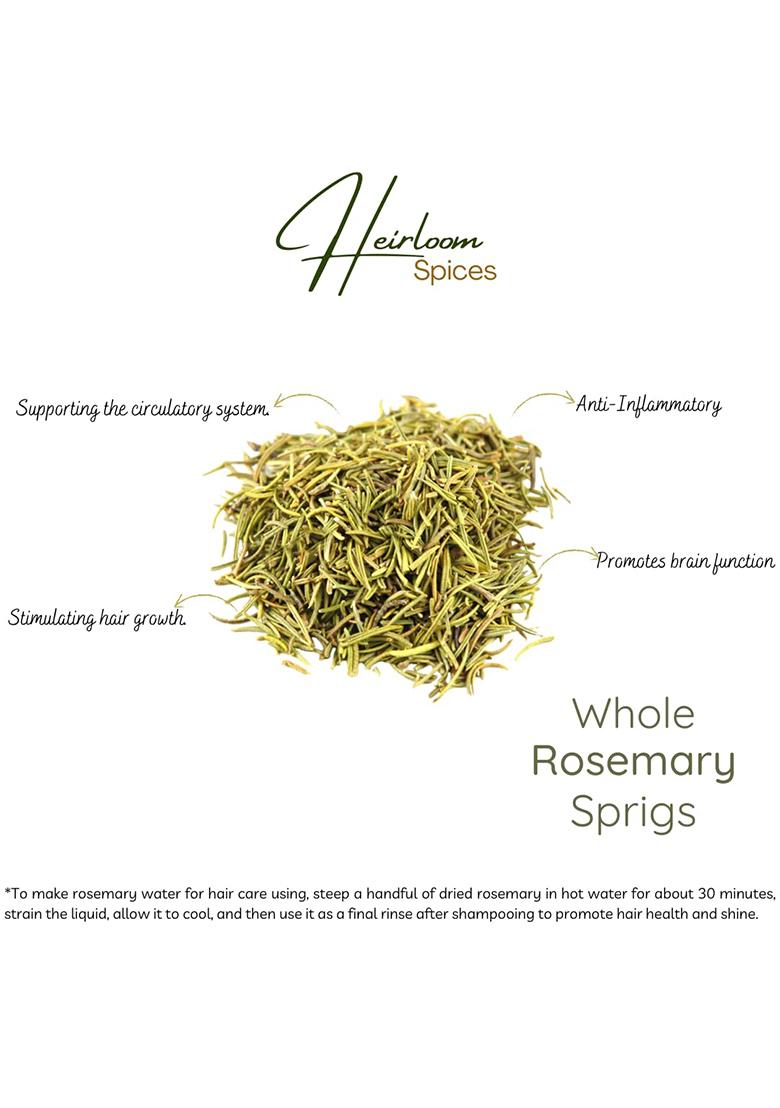
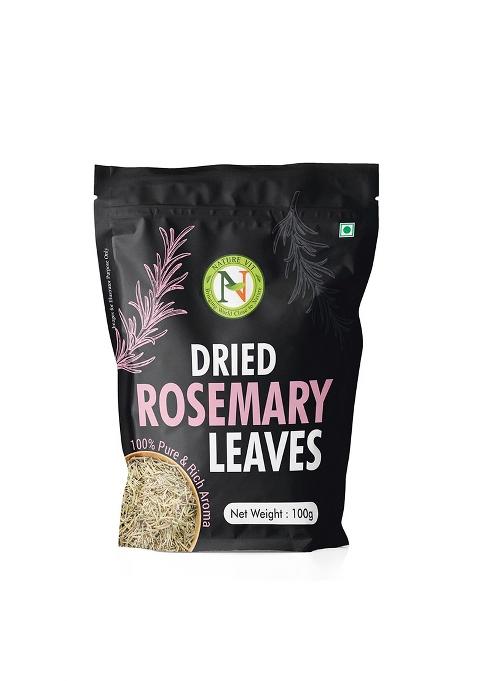
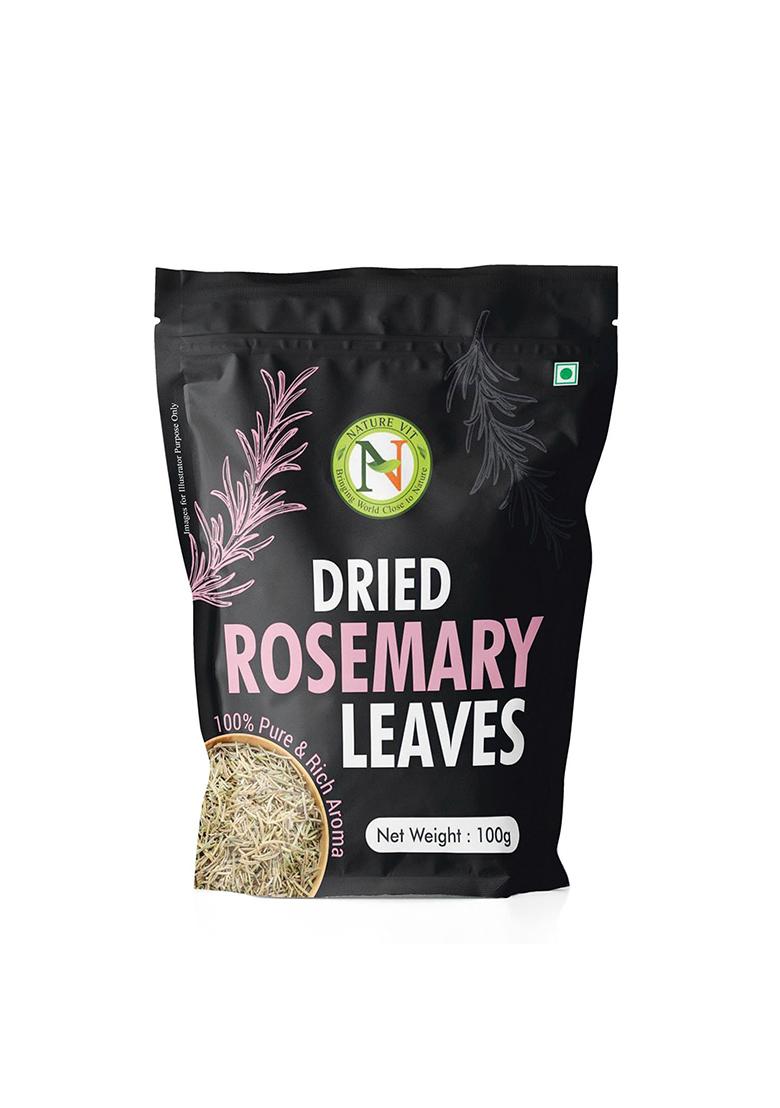
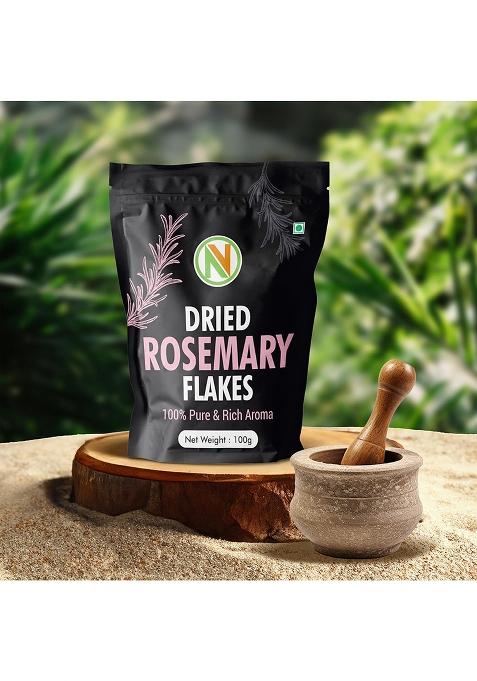
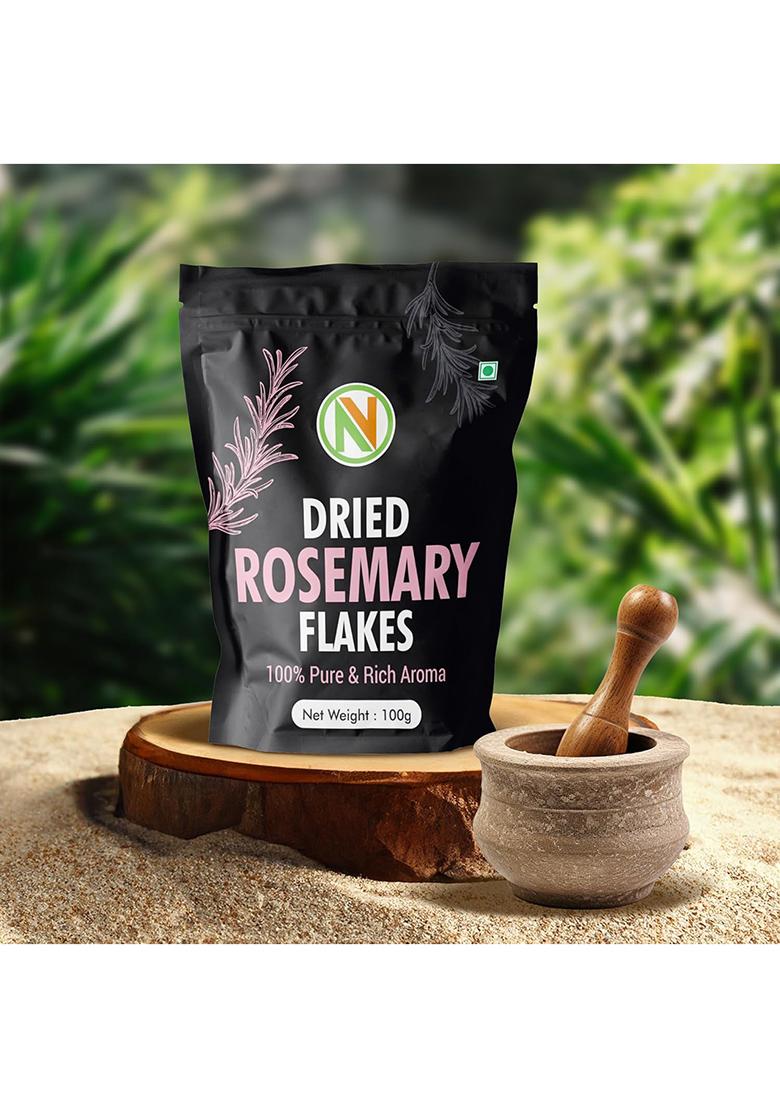
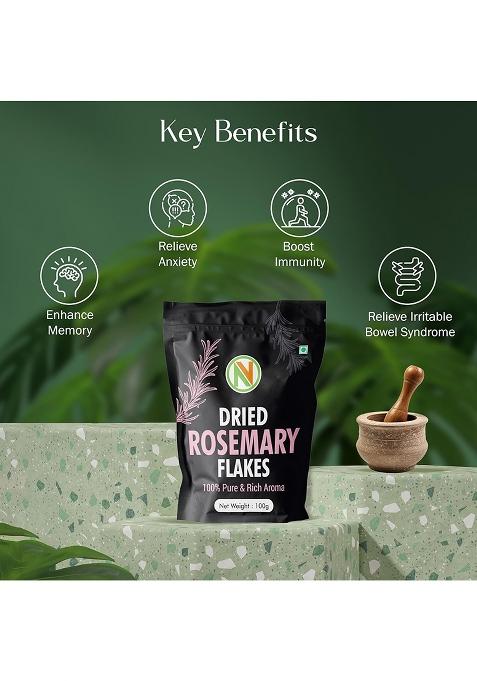
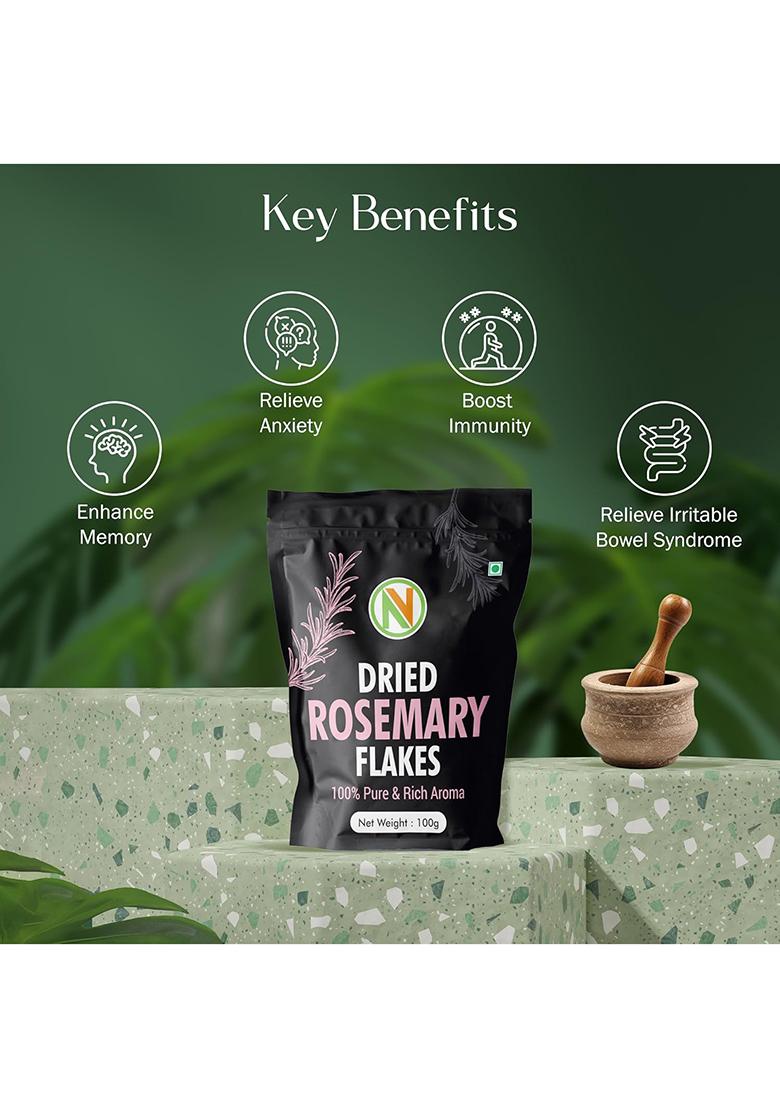
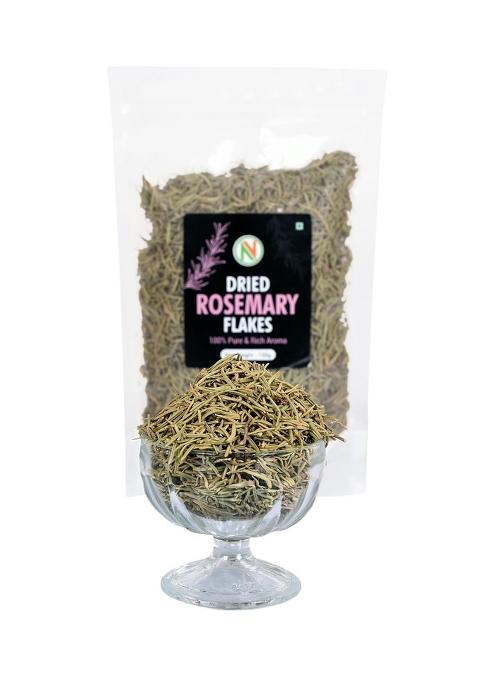
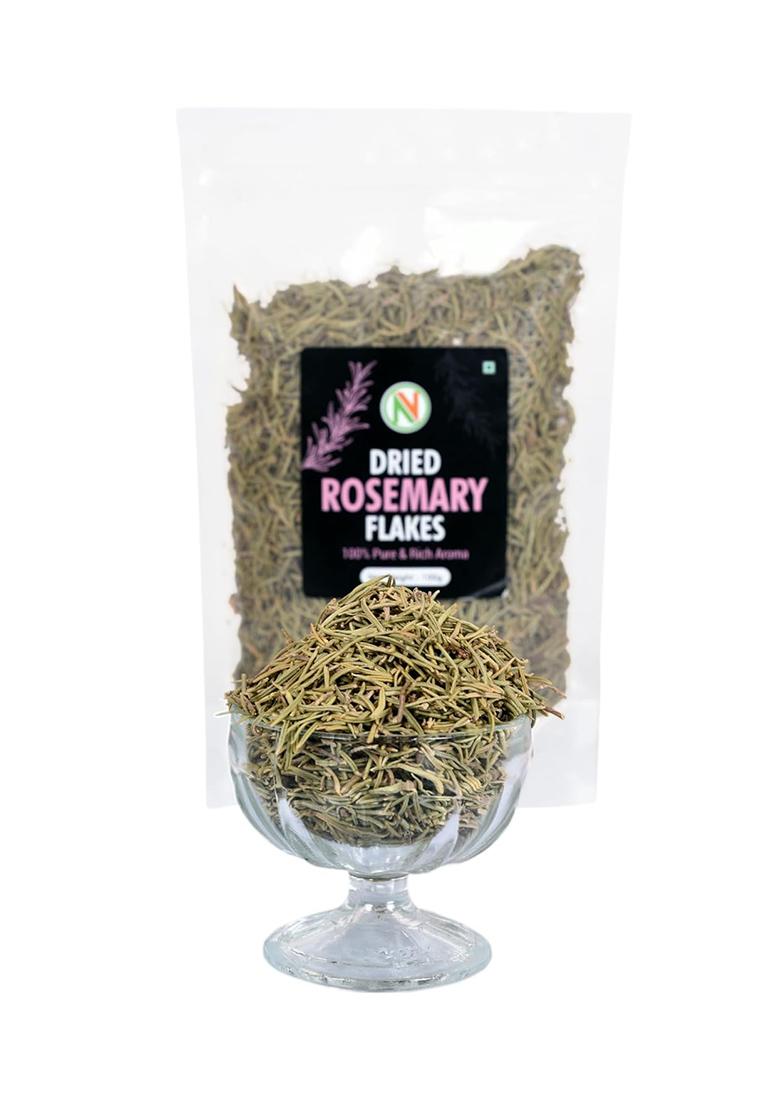
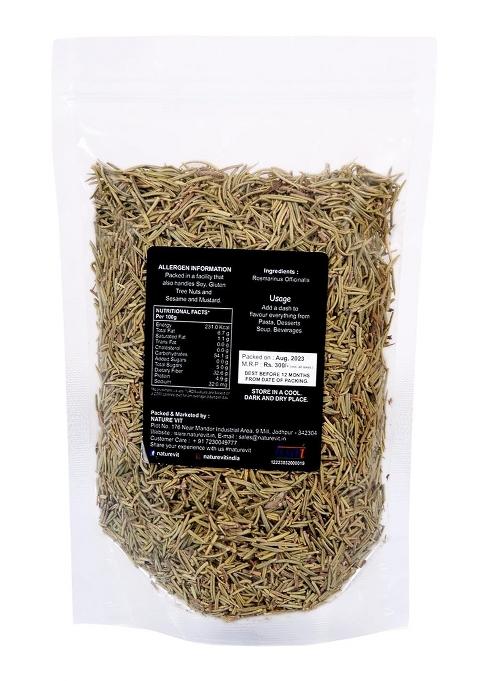
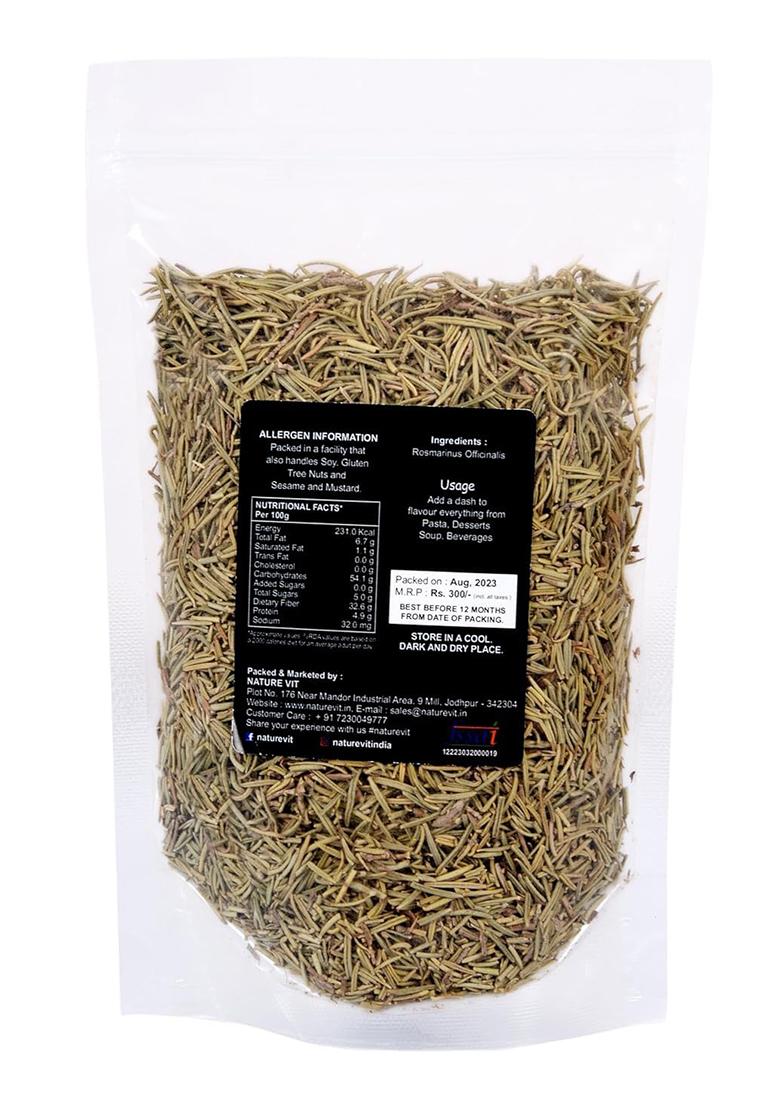
| Rosemary | Pine-like, earthy | Roasted meats, potatoes |
| Thyme | Lemon, minty | Soups, stews, marinades |
| Coriander | Citrusy, fresh | Curries, chutneys, salads |
| Mint | Cool, refreshing | Drinks, desserts, sauces |
| Seed | Flavor | Best Uses |
|---|---|---|
| Cumin | Warm, earthy | Spice blends, curries |
| Mustard | Sharp, pungent | Pickles, tempering |
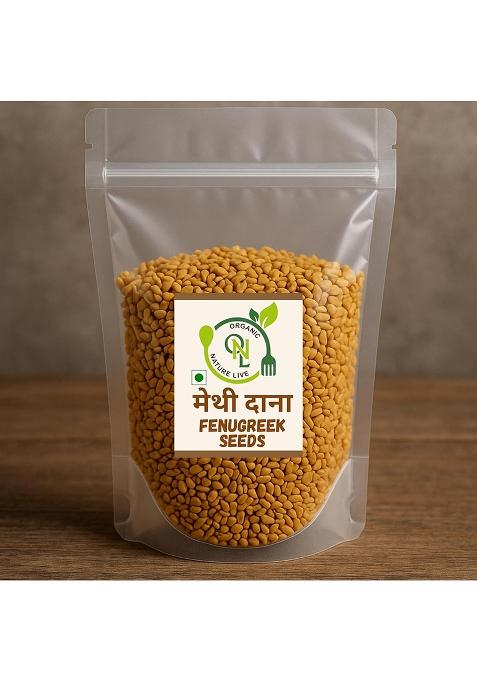
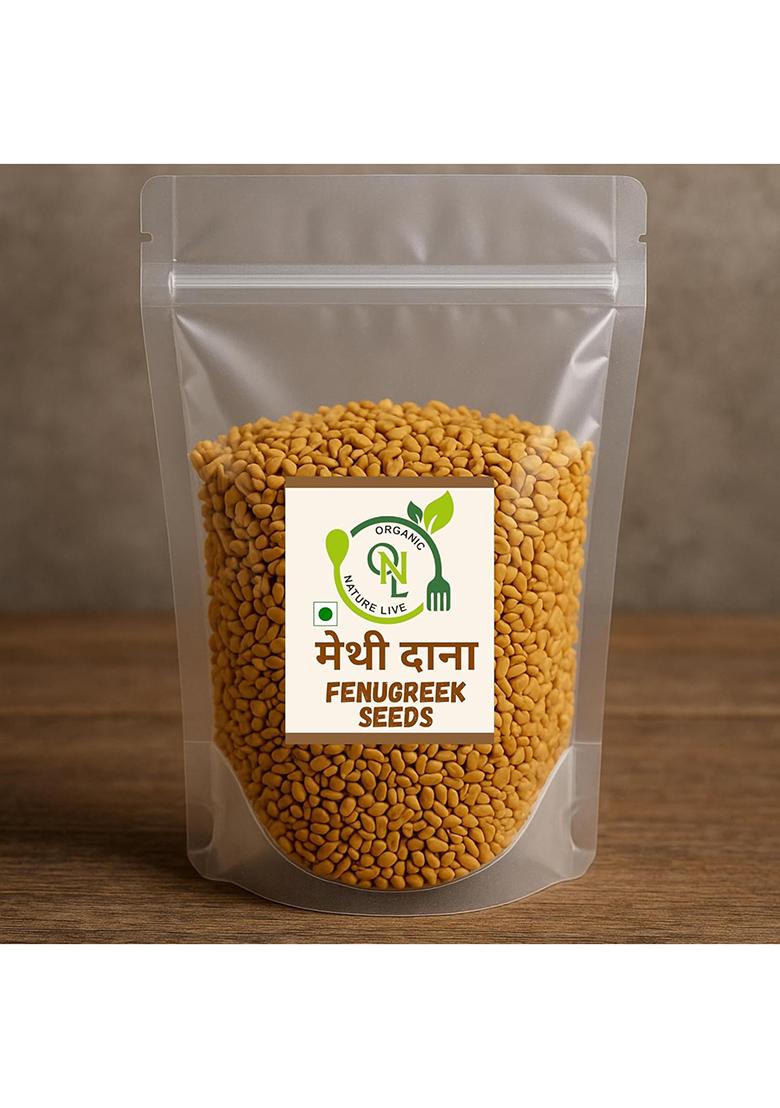
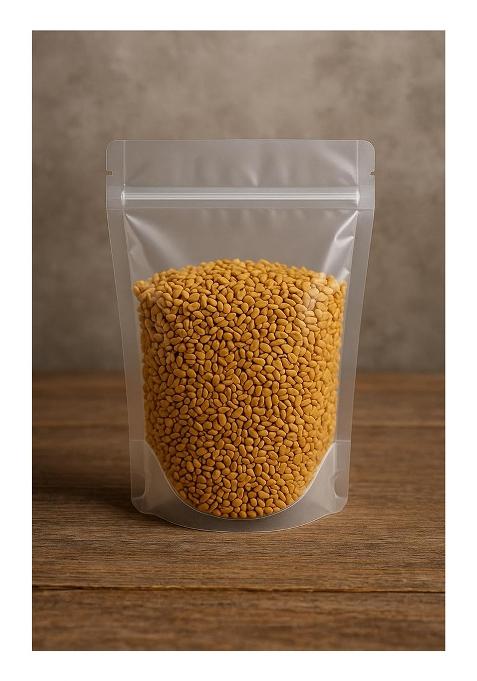
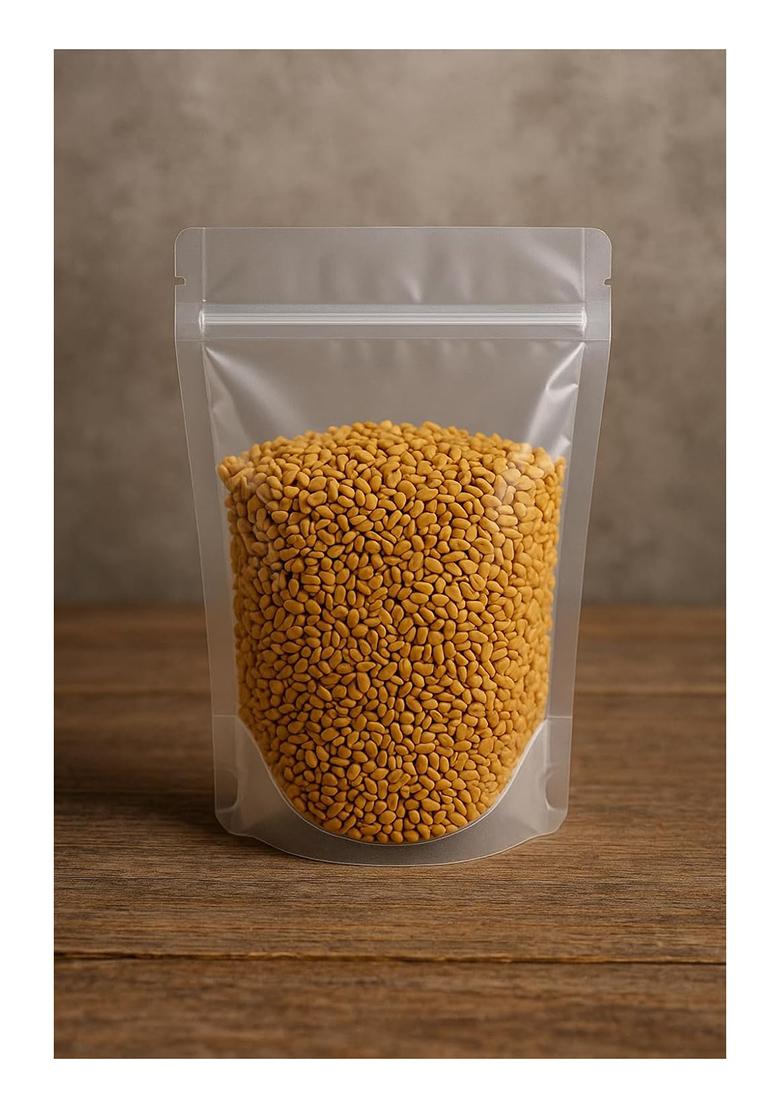
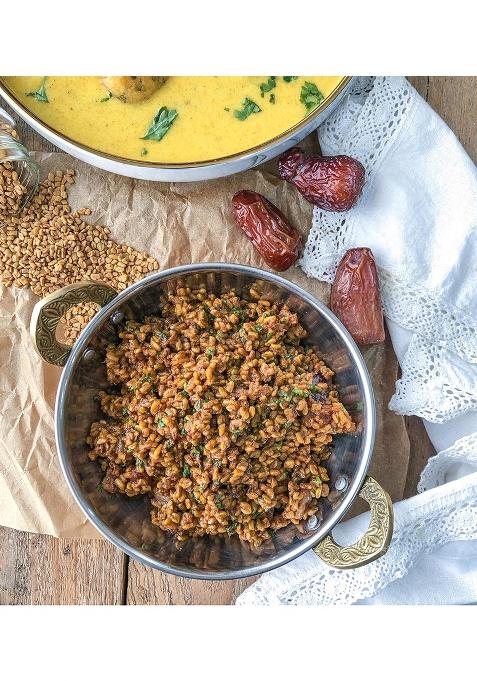
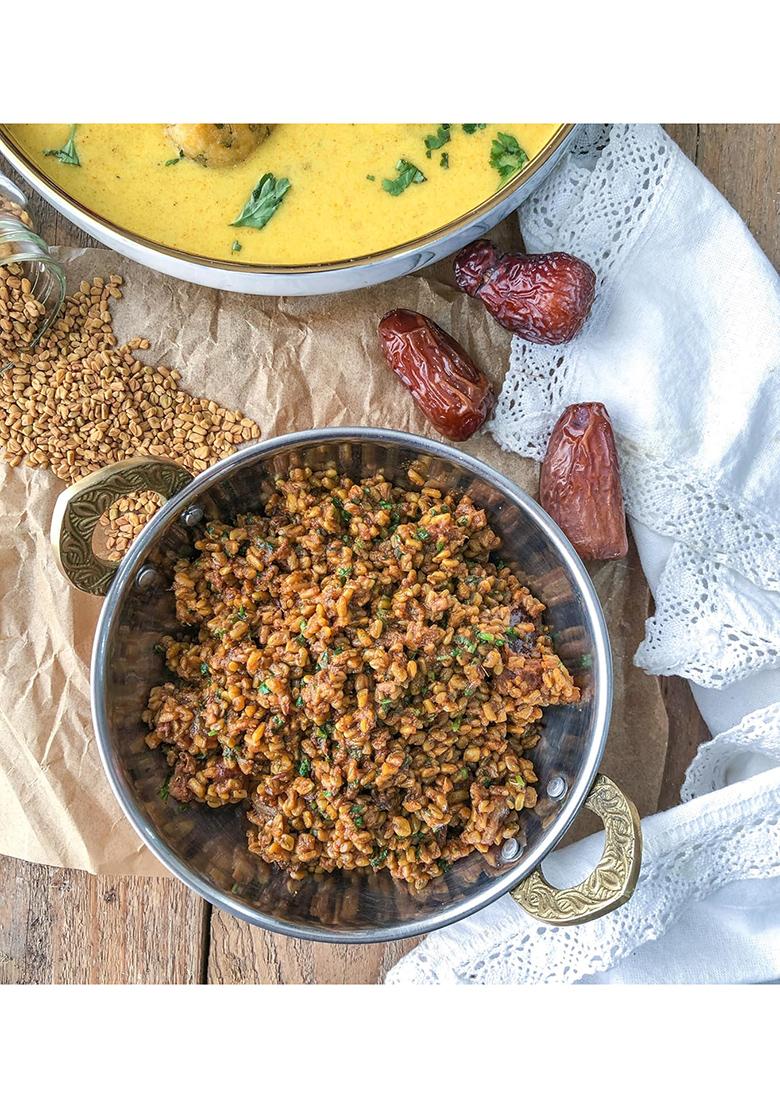
| Fenugreek | Bitter, nutty | Curries, spice mixes |
| Sesame | Nutty, mild | Breads, salads, stir-fries |
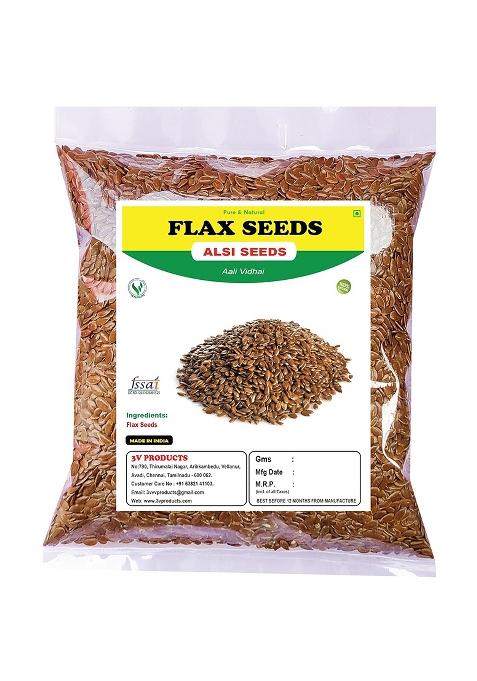
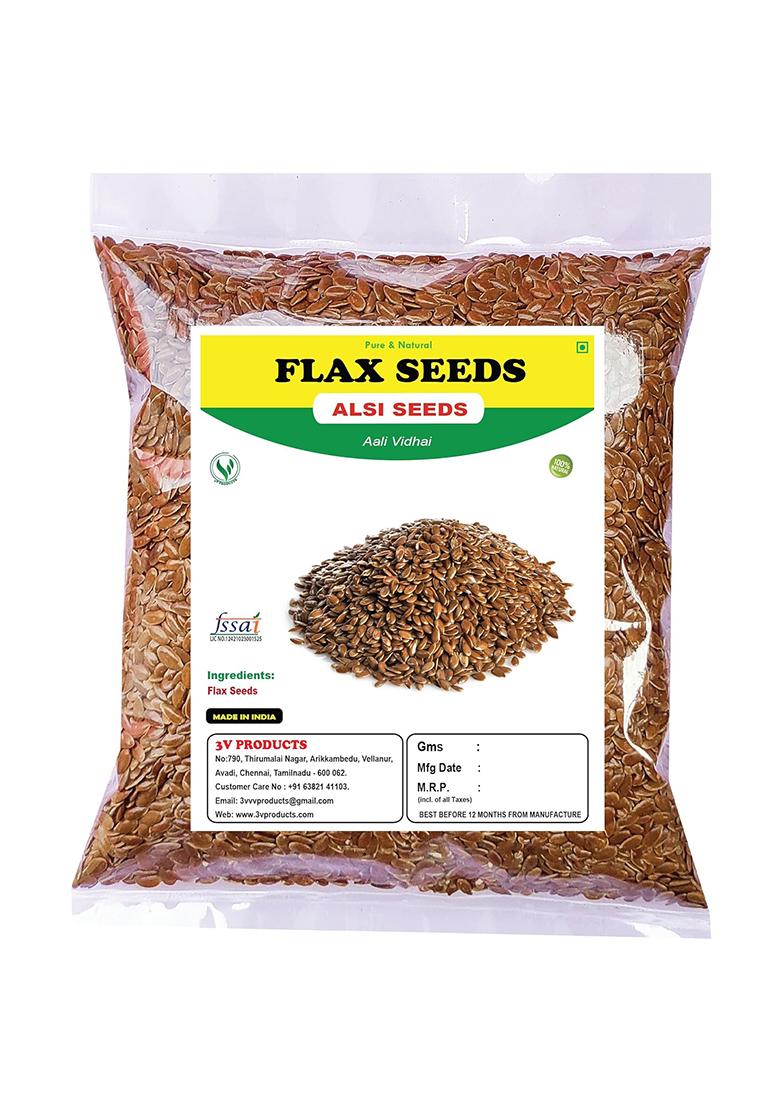
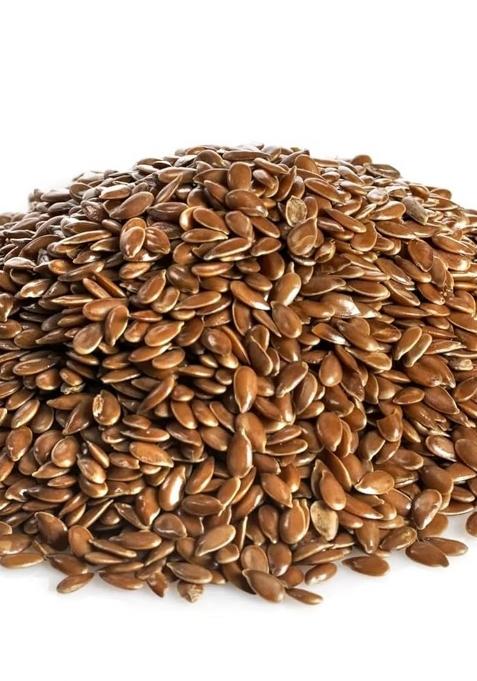
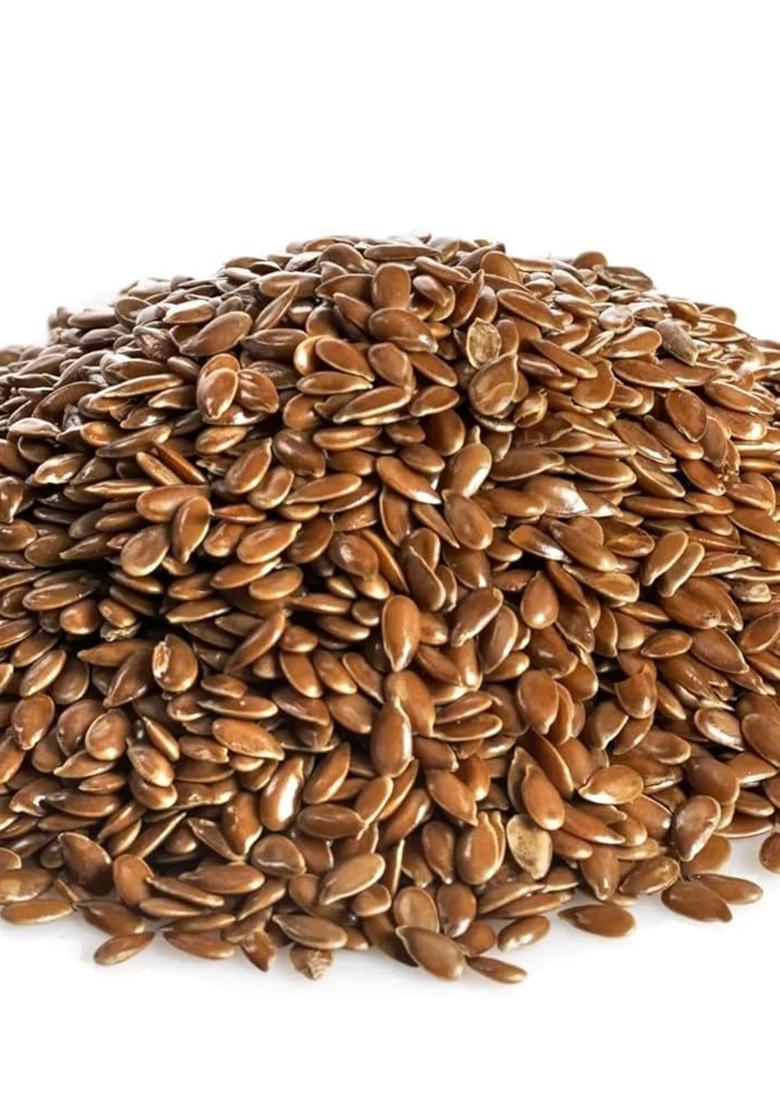
| Flax | Mild, earthy | Smoothies, baking |
Fresh herbs offer bright flavors and are best added at the end of cooking or as a garnish. Dried herbs have a concentrated taste and work well in slow-cooked dishes. Adjust quantities accordingly - dried herbs are more potent than fresh.
Toasting seeds like cumin, coriander, or sesame enhances their aroma and flavor. You can grind seeds to release their oils, making them more flavorful in spice blends or rubs.
Many natural herbs and seeds are packed with nutrients. For example, flax seeds are a good source of omega-3 fatty acids, while coriander helps aid digestion. Herbs like mint and basil contain antioxidants that support overall health. Incorporating these ingredients can make your meals not only tastier but also more nourishing.
Store dried herbs and seeds in airtight containers away from light and heat. Fresh herbs can be kept in the refrigerator, wrapped in damp paper towels, or placed in a glass of water. Proper storage keeps them flavorful for longer.
Look for trusted brands like House of Indya when shopping for natural herbs and seeds. House of Indya offers a wide variety of authentic, fresh ingredients sourced responsibly. You can also find herbs and seeds at local markets or specialty stores, but House of Indya stands out for its commitment to quality and selection.
If you have space, consider starting a small herb garden. Basil, mint, and coriander grow well in pots and require minimal care. Seeds like mustard and fenugreek can be sprouted indoors for fresh greens. Growing your own ensures a steady supply and adds a personal touch to your cooking.
House of Indya is dedicated to bringing authentic natural herbs and seeds to your kitchen. Our products are carefully sourced and packed to preserve freshness and flavor. Visit House of Indya
Popular natural herbs include basil, rosemary, thyme, mint, and coriander. Common seeds are cumin, mustard, fenugreek, sesame, and flax. Each offers unique flavors and uses.
Store dried herbs and seeds in airtight containers away from heat and sunlight. Fresh herbs should be refrigerated, wrapped in damp paper towels, or kept in water.
Yes, you can substitute dried herbs for fresh. Use about one-third the amount, as dried herbs are more concentrated. Add dried herbs earlier in cooking for best results.
Many herbs and seeds are rich in vitamins, minerals, and antioxidants. They can support digestion, boost immunity, and add nutritional value to your meals.
Heat seeds in a dry pan over medium heat until they become fragrant and slightly darker. Stir constantly to avoid burning. Toasted seeds add depth and crunch to dishes.
Some people may be allergic to specific herbs or seeds, such as mustard or sesame. Always check ingredient lists and consult a healthcare professional if you have concerns.
Herbs and seeds can enhance salads, soups, curries, breads, and desserts. Experiment with combinations to find your favorite flavors and pairings.
Yes, many herbs like basil, mint, and coriander can be grown in pots or gardens. Seeds such as mustard and fenugreek can be sprouted indoors for fresh greens.
House of Indya offers a range of natural herbs and seeds, with many organic options available. Explore our selection for quality ingredients for your kitchen.
House of Indya is known for authentic, fresh herbs and seeds sourced responsibly. Our products are carefully packed to preserve flavor and quality.