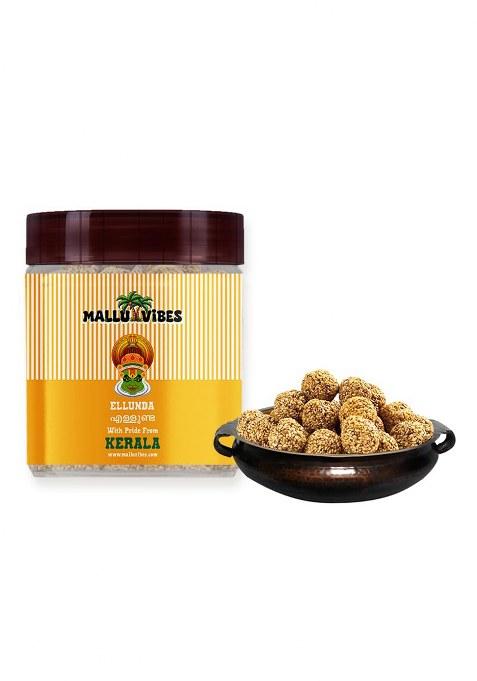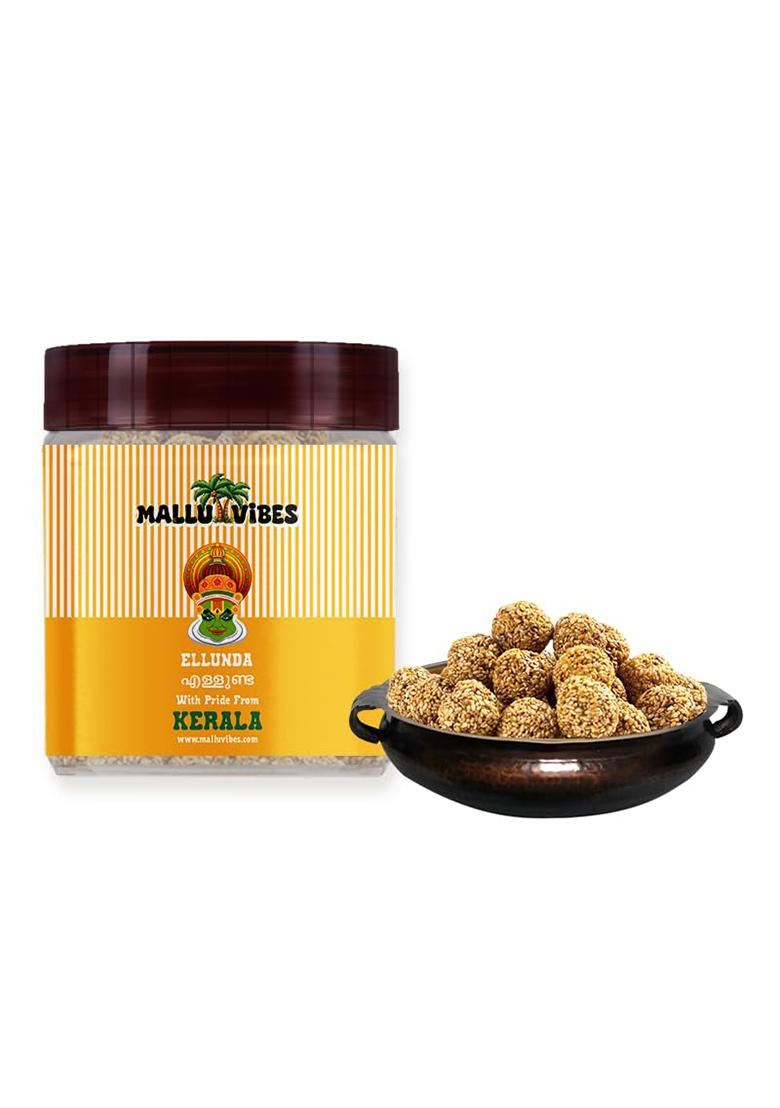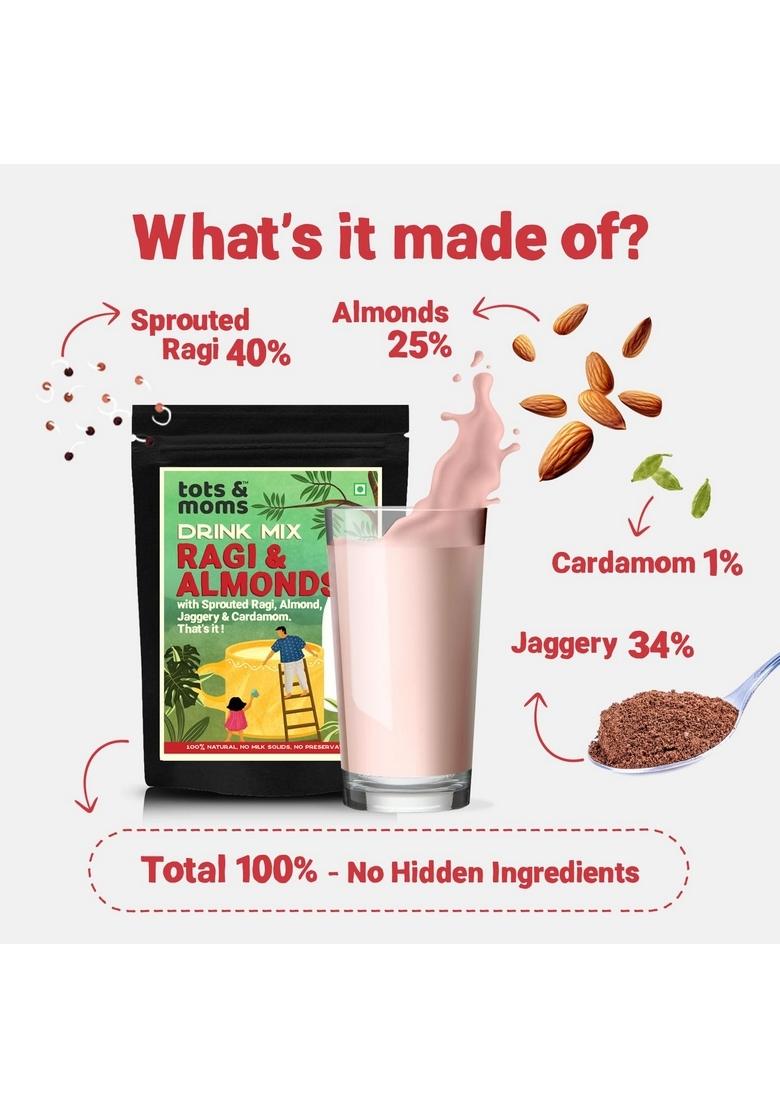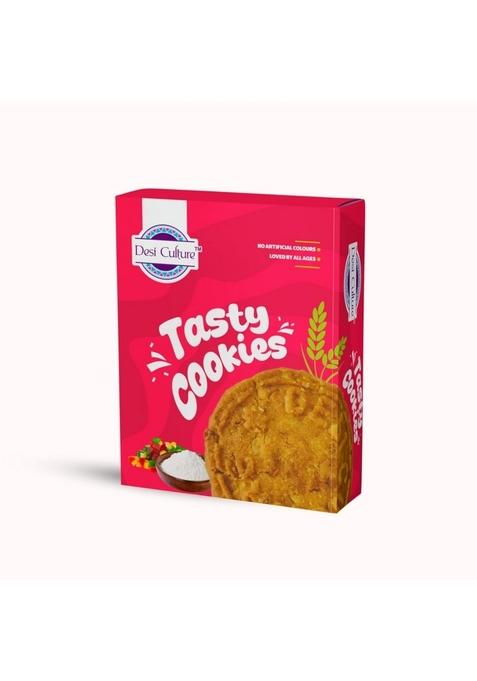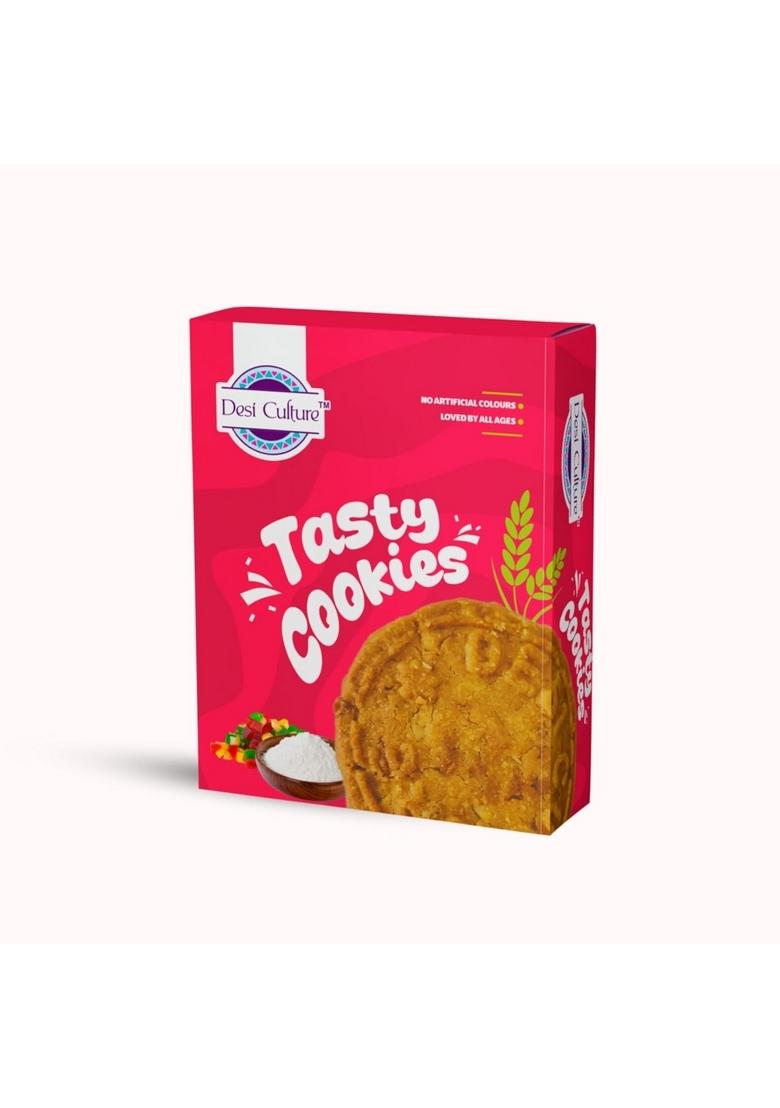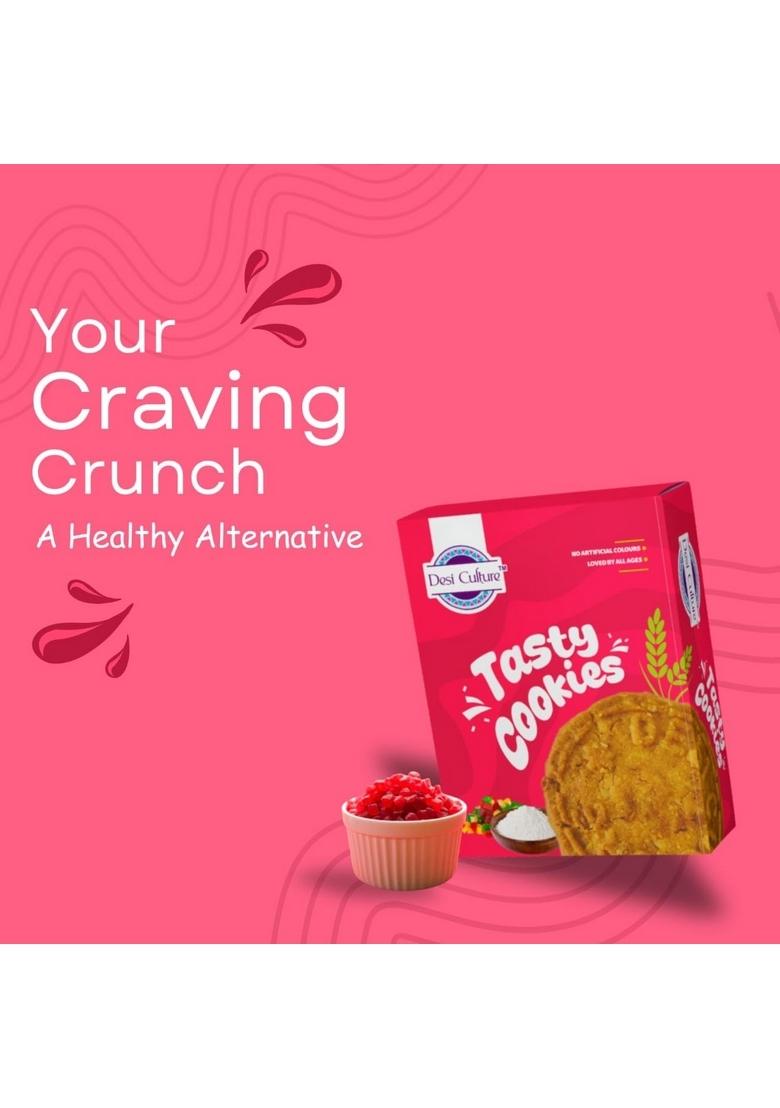



Sugar Free
$19.90 $37.70
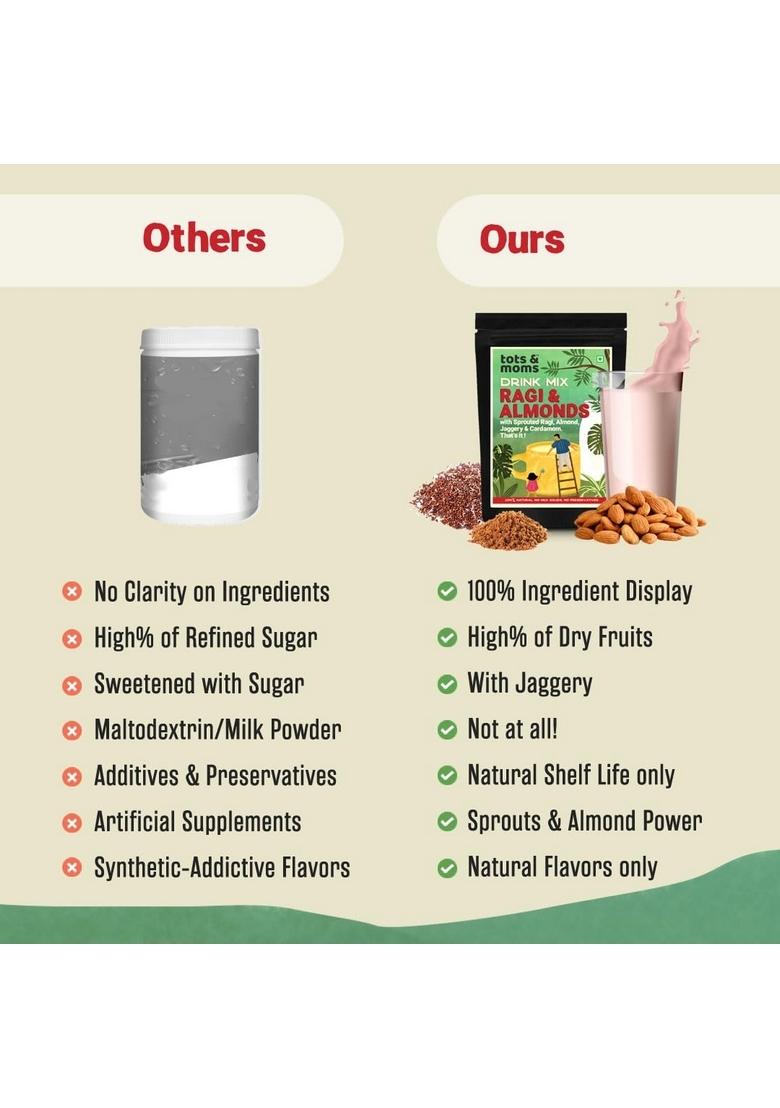
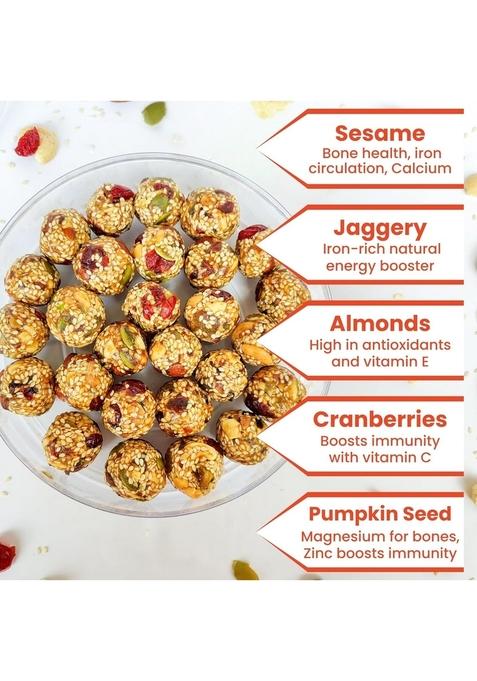
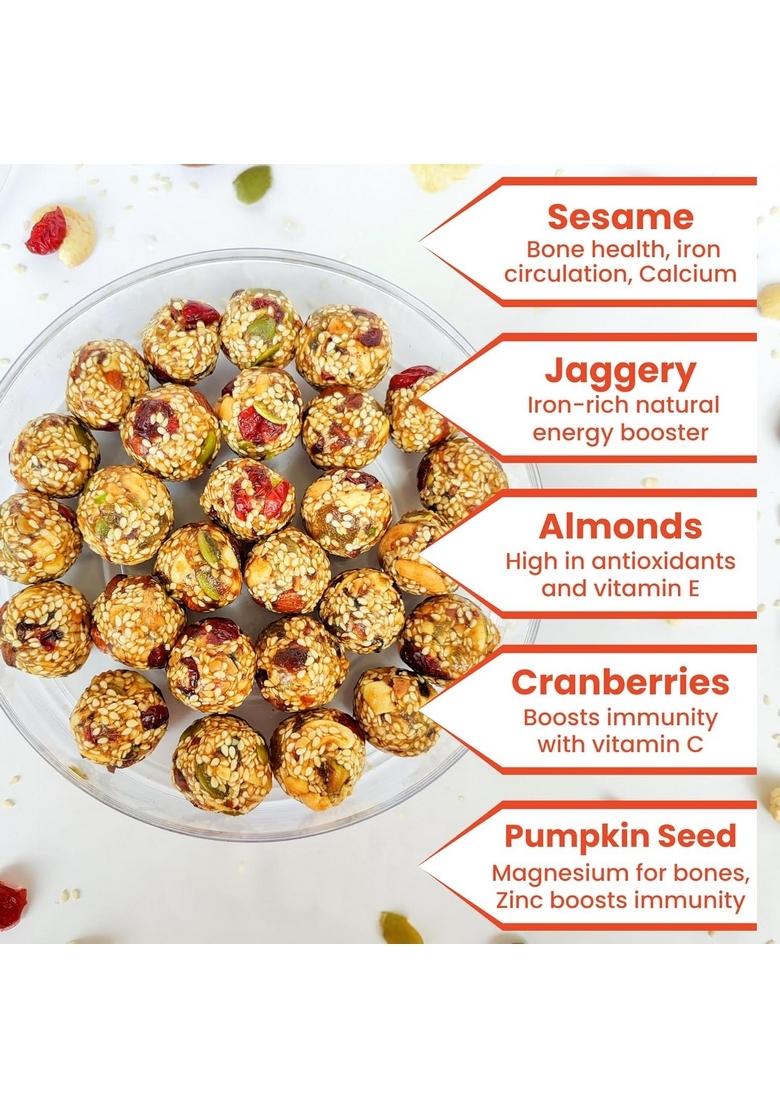
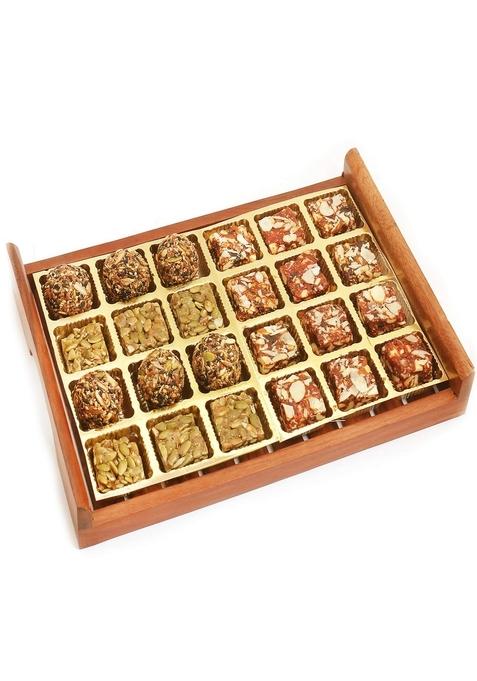
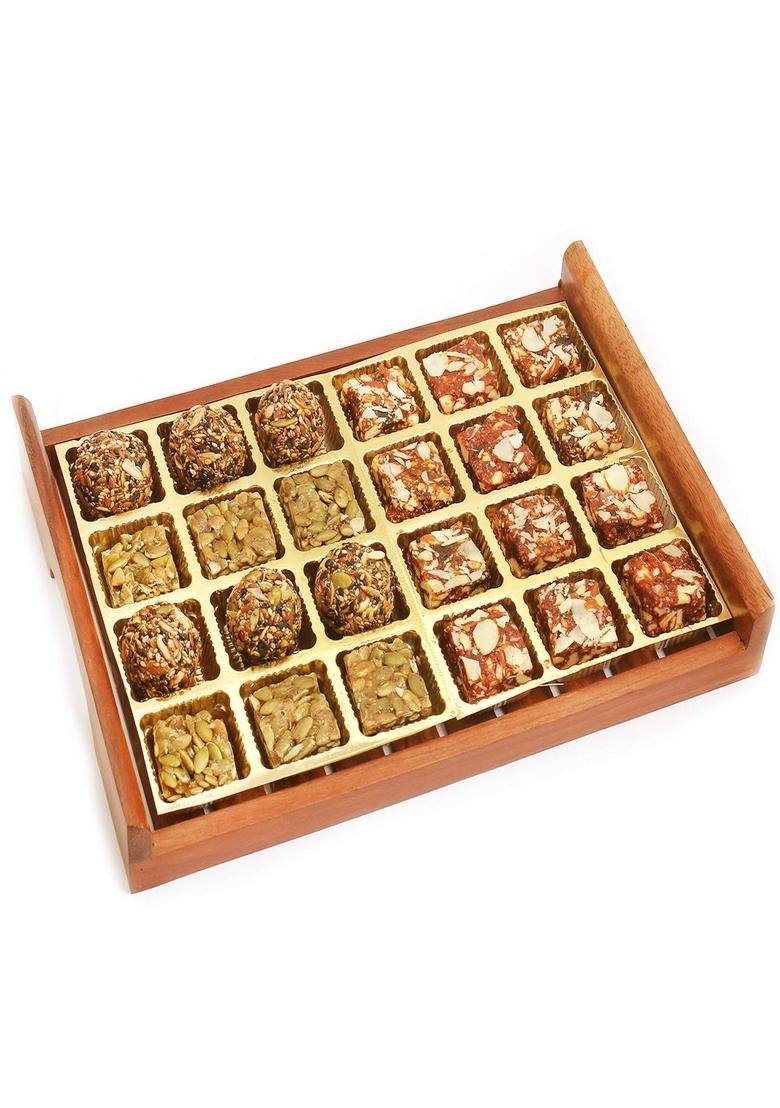
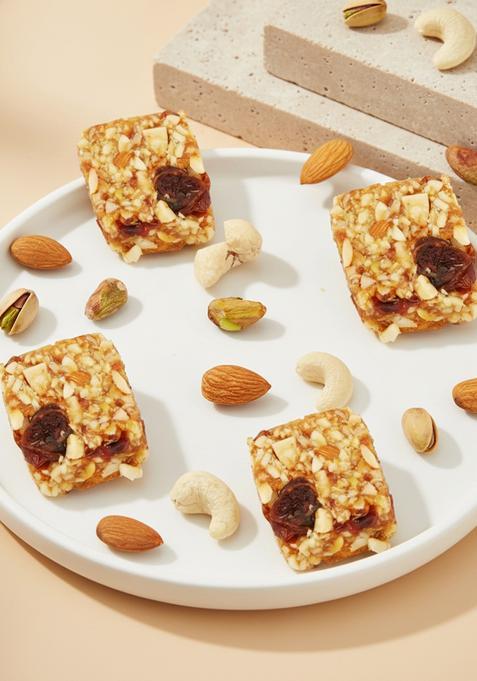
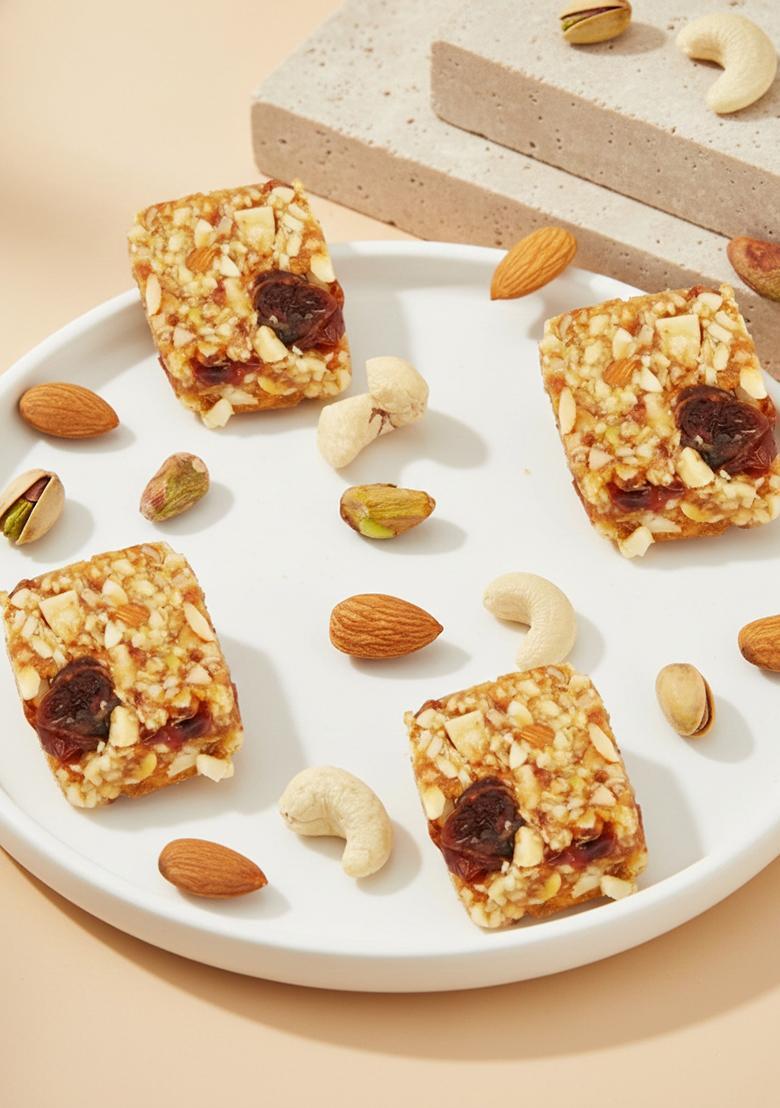
Healthy jaggery based Indian sweets without sugar are desserts that use jaggery or date syrup instead of refined sugar. This change keeps the sweets flavorful while reducing the glycemic load. Jaggery adds minerals, warmth, and a caramel-like taste that makes desserts satisfying without processed sugar. If you want to eat mindfully while keeping festive traditions alive, these sweets are a simple and practical choice.
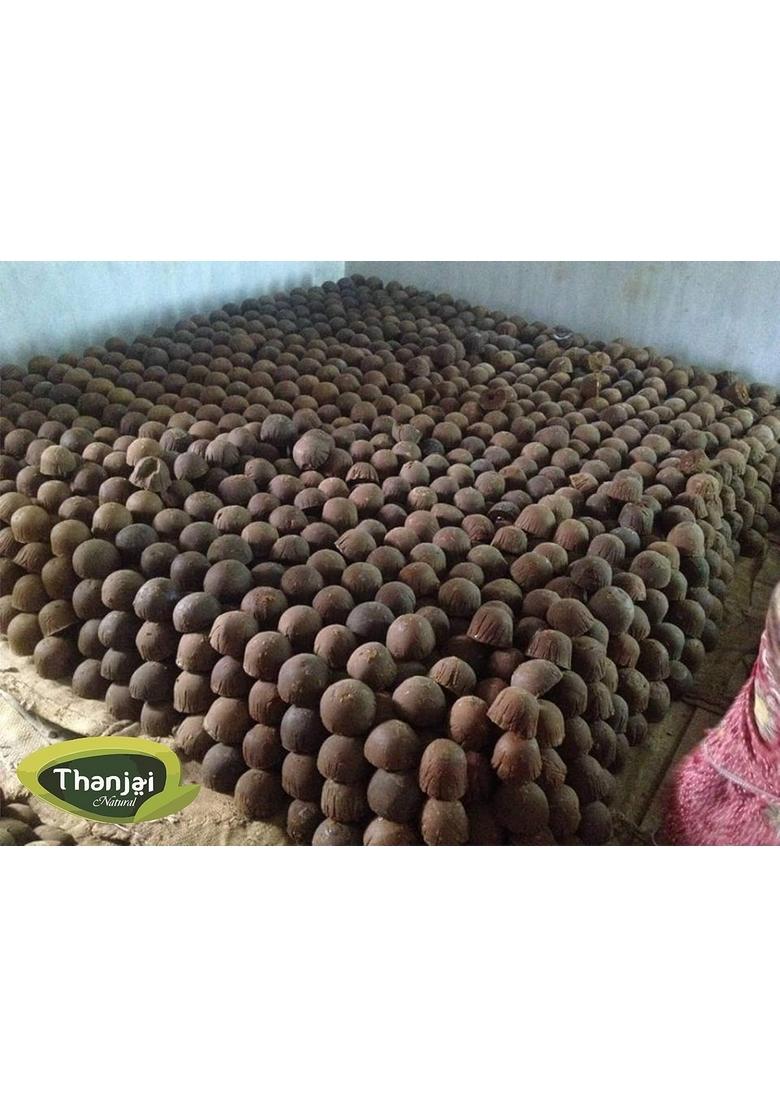
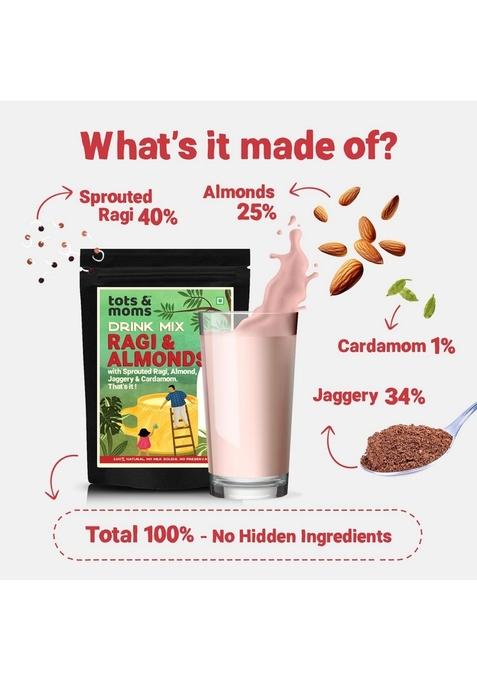
Jaggery is made by boiling sugarcane juice or palm sap until it thickens and solidifies. Unlike white sugar, jaggery retains iron, calcium, and magnesium. These minerals make it a more nourishing sweetener. It also provides a deeper, slightly smoky sweetness that goes well with ghee, coconut, and cardamom. For centuries, Indian homes have used jaggery in festive dishes because it brings both taste and substance.
In everyday cooking, jaggery fits well in kheer, laddoo, and payasam. It binds ingredients naturally and gives desserts a golden hue. To balance flavor, begin with about two-thirds of the sugar quantity a recipe calls for and adjust after tasting. This helps avoid overpowering delicate ingredients like saffron or rose water.
| Sweet | Calories (per piece) | Approx. Glycemic Index |
|---|---|---|
| Jaggery Coconut Laddoo | 110 | 55 |
| Til Gur Chikki | 95 | 50 |
| Atta Gur Halwa | 130 | 58 |
| Date and Jaggery Modak | 100 | 52 |
| Jaggery Kheer | 150 | 60 |
These values are approximate and depend on ingredients and portion size. They show how jaggery sweets can be part of balanced eating when enjoyed in moderation.
Jaggery behaves differently from sugar when heated. It melts into a thick syrup that can crystallize if overheated. Always cook it on low flame and stir until smooth. When preparing laddoos, mix the syrup with dry ingredients while still warm for better binding. For milk-based desserts like kheer, add jaggery only after turning off the heat to prevent curdling. Powdered jaggery dissolves faster and gives better control over sweetness.
Different types of jaggery suit different sweets. Palm jaggery has a darker flavor, while sugarcane jaggery is lighter and works well in delicate recipes. Choose chemical-free jaggery to avoid additives and ensure a clean, natural taste.
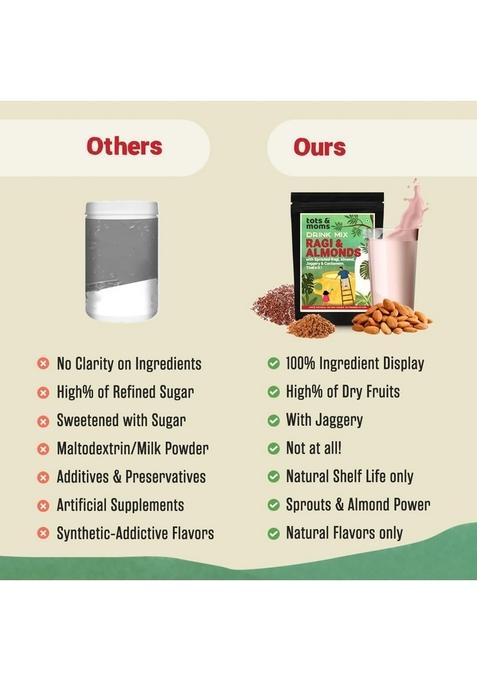
| Criteria | Refined Sugar | Jaggery |
|---|---|---|
| Nutrition | Empty calories | Contains iron, calcium, magnesium |
| Flavor | Plain sweetness | Warm, caramel-like notes |
| Glycemic Index | High | Moderate |
| Digestibility | Quick energy spikes | Gentle on digestion |
| Best Use | Mass-produced sweets | Homemade or artisanal desserts |
Other natural sweeteners such as honey and stevia are also used. Honey adds floral notes but is not vegan and can change texture when heated. Stevia offers zero calories but lacks the depth of flavor found in jaggery. For Indian sweets, jaggery remains the most balanced choice because it keeps cultural flavor and taste while being less processed.
During spring, when meals become lighter, jaggery sweets provide energy without heaviness. Their mineral content helps replace nutrients lost through perspiration. For Holi or small gatherings, serve jaggery laddoos or chikki as natural, energizing snacks. In cooler months, jaggery halwa or gur kheer adds warmth and comfort.
Though jaggery is healthier than refined sugar, it still adds calories. People managing diabetes or weight should enjoy it in small portions. Look for sweets made with fiber-rich ingredients like oats or nuts, and store them in airtight containers to prevent moisture absorption. Always check sourcing to avoid chemically treated jaggery, which can affect both taste and safety.
Many home cooks now use jaggery in new ways. Air-fried gujiyas, millet laddoos, or date-jaggery brownies show how traditional sweets can fit simple daily cooking. Jaggery also blends well with plant-based milks, making it easy to prepare vegan desserts. This approach keeps the essence of Indian sweets while aligning with modern cooking styles.
At House of Indya, we understand that food and fashion both express identity. Just as jaggery sweets connect you to tradition, our clothing celebrates that same balance of heritage and simplicity. Here are a few festive wear options that go well with relaxed, traditional gatherings:
Presentation adds charm. Serve laddoos in brass bowls or banana leaves for a rustic look. Pair chikki with spiced chai in ceramic cups. For festive tables, use tiered trays decorated with marigold petals. These small touches make even simple sweets feel special.
If you are exploring healthy jaggery based Indian sweets without sugar, begin with one simple recipe such as coconut laddoo or atta halwa. Notice how jaggery changes the flavor and texture. Pair your cooking with outfits that reflect comfort and culture. You can browse our kurta sets, lehengas, and indo-western styles for inspiration. For your next read, explore how natural sweeteners compare in Indian beverages or how seasonal ingredients shape festive cooking. For detailed recipes, visit our jaggery sweet recipes page.
House of Indya designs modern Indian clothing that blends comfort with culture. Our collections combine traditional detailing with updated silhouettes and inclusive sizing. We offer custom stitching and worldwide shipping to make festive dressing effortless. Visit House of Indya
Healthy jaggery based Indian sweets without sugar are desserts that replace refined sugar with jaggery or date syrup. This keeps sweetness natural while adding minerals such as iron and calcium. They lower glycemic impact, making them a mindful choice for festive occasions and everyday treats.
Jaggery contains small amounts of iron, calcium, and magnesium that refined sugar lacks. It offers slower energy release and a richer taste. Though still a sweetener, jaggery provides small nutritional benefits and helps reduce sudden glucose spikes when eaten in moderate portions.
People with diabetes can have jaggery sweets occasionally in small servings. Jaggery raises blood sugar more slowly than refined sugar but still needs portion control. Pair such sweets with fiber-rich foods and seek medical advice for safe frequency and serving size guidance.
Laddoos, chikki, halwa, and kheer taste excellent with jaggery. The earthy sweetness complements ingredients like ghee, coconut, and nuts. These sweets maintain their traditional charm while offering a deeper flavor and a more balanced sweetness than sugar-based versions.
Store jaggery sweets in airtight containers away from moisture. Jaggery absorbs humidity, which can make sweets sticky. Keeping them in a cool, dry place helps preserve freshness and texture for up to a week, depending on ingredients and climate conditions.
Yes. Replace ghee with coconut oil and milk with almond or oat milk. Jaggery is plant-based, so these swaps make fully vegan sweets that still taste rich and authentic. Always choose pure jaggery without additives for the cleanest flavor and texture.
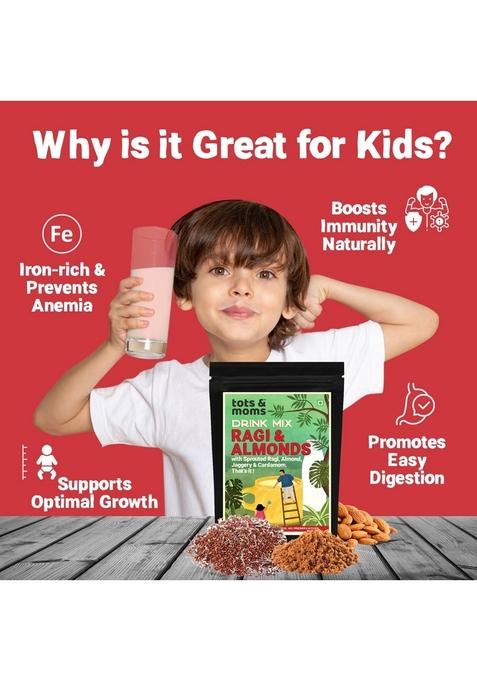
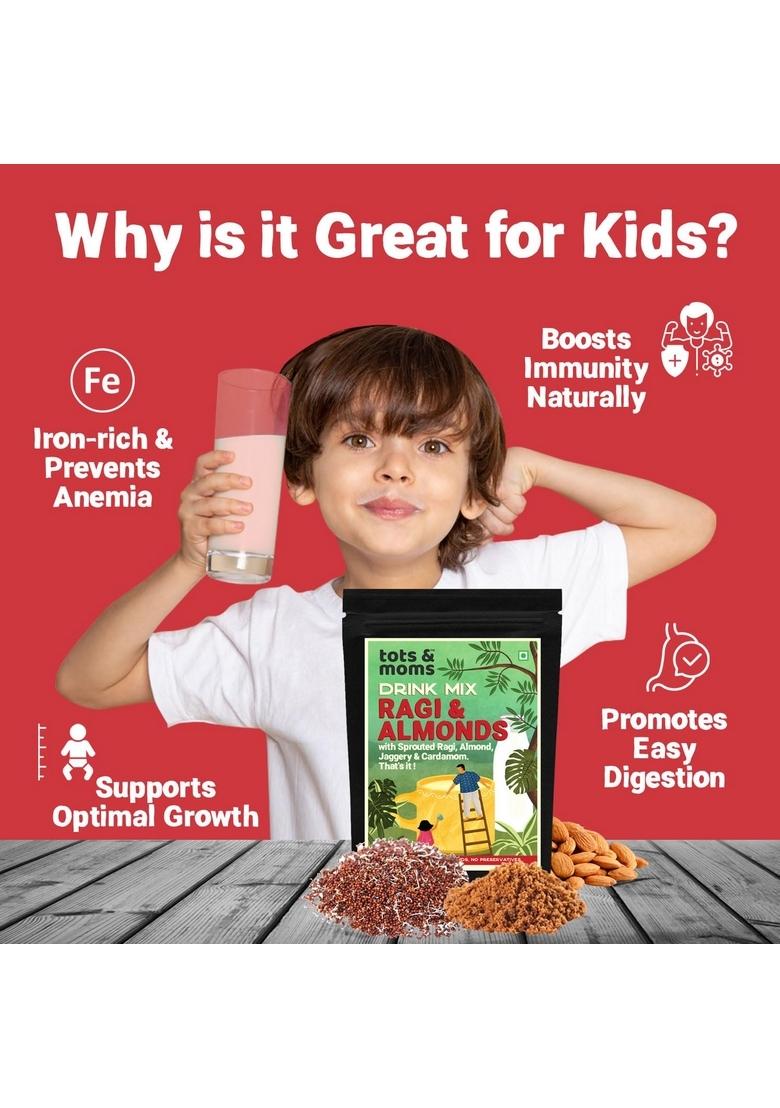
Jaggery sweets are a better option for children than refined sugar sweets because they contain trace minerals and natural sweetness. Serve small portions and ensure the jaggery is clean and chemical-free. This provides a safe, flavorful treat that supports traditional eating habits.
Jaggery is made by boiling sugarcane juice or palm sap until it thickens and solidifies into blocks. It retains natural molasses, giving it a golden-brown color and deep flavor. The minimal processing keeps more nutrients intact compared to refined sugar production.
House of Indya does not sell food items. Our editorial content connects cultural traditions like sweets with clothing inspiration. We help readers explore how food, fashion, and celebration can come together for a well-rounded festive experience.
You can visit the House of Indya website to browse kurta sets, lehengas, and shararas with custom stitching and worldwide delivery. The designs pair beautifully with festive sweets and celebrations, helping you express culture and comfort through clothing.